
When it comes to online shopping and delivery, RTS (Return to Sender) poses a serious challenge for SMEs, online retailers, and international sellers in the Philippines. Industry data suggests that up to 30% of all products ordered online are returned, significantly higher than traditional retail. These returns translate into increased costs, delayed shipments, and operational challenges that your e-commerce business cannot ignore.
Understanding RTS meaning in delivery and shipping is essential for your business aiming to reduce return rates, optimize logistics, and improve customer satisfaction. This blog breaks down the RTS concept, common reasons behind it, and practical strategies customized for your e-commerce operation to ensure smoother deliveries and fewer costly returns.
RTS, or Return to Sender, is a term used in the shipping and logistics industry to describe packages that are undeliverable and returned to the sender. It’s an essential concept for both your e-commerce business as it can cause delays, additional costs, and inconvenience. When a package is marked as RTS, it means that the delivery attempt has failed, and the item will be sent back to its origin.
There are several common reasons why packages are marked as RTS:
As you continue to manage your shipping operations, it’s essential to consider the broader implications of RTS on both your delivery timelines and your brand’s reputation.
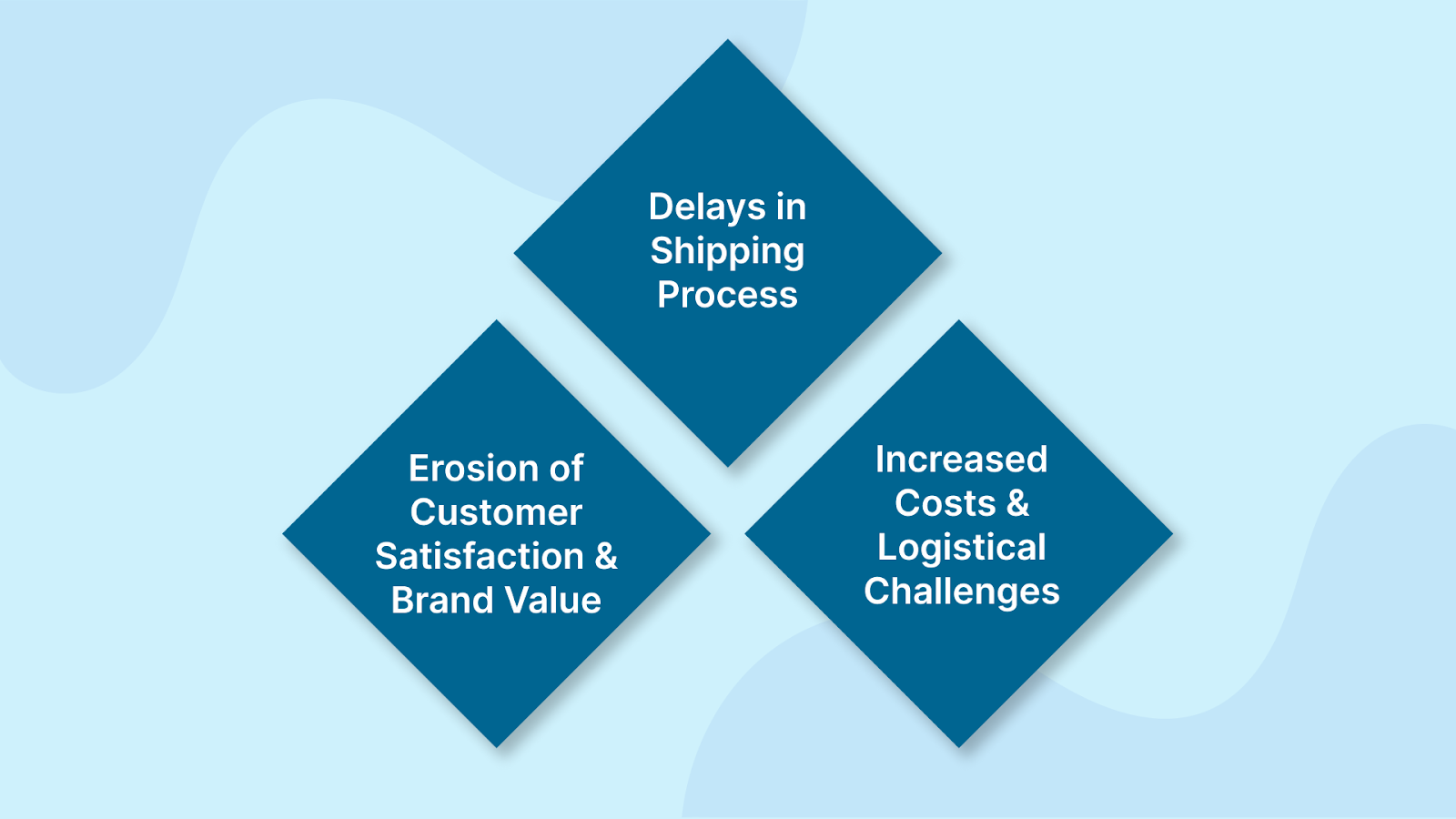
RTS doesn’t just affect the shipment of individual packages, it can have a ripple effect on your overall delivery process, customer experience, and even your brand reputation. Here’s a closer look at how:
When a package is returned to you, it doesn’t just get sent back to the recipient. It has to go through a full reprocessing cycle that adds extra handling time. This extends your shipping timeline, causing delays that disrupt your customers’ expectations for fast and reliable delivery. For your e-commerce business, these delays can lead to operational inefficiencies and unhappy customers.
RTS incidents often cause frustration for your customers, especially when they are due to factors beyond their control, like incorrect addresses or missed deliveries. When customers have to wait for a re-delivery, their satisfaction drops and your brand’s reputation may suffer. This can lead to fewer repeat buyers and lost sales over time.
Handling RTS packages demands extra resources from receiving and inspecting returns to arranging reshipments. These steps increase your costs with additional shipping fees, handling expenses, and the risk of inventory loss. If your business faces a high volume of RTS packages, this can significantly affect your finances and logistics operations.
Understanding these impacts enables your business to take preventive measures, ensuring that RTS doesn’t negatively impact your overall delivery efficiency and customer satisfaction. It’s also crucial to understand what happens once a package is marked as RTS, as the subsequent process can directly impact your bottom line.
Also Read: Comprehensive Guide to Logistics Planning Strategies
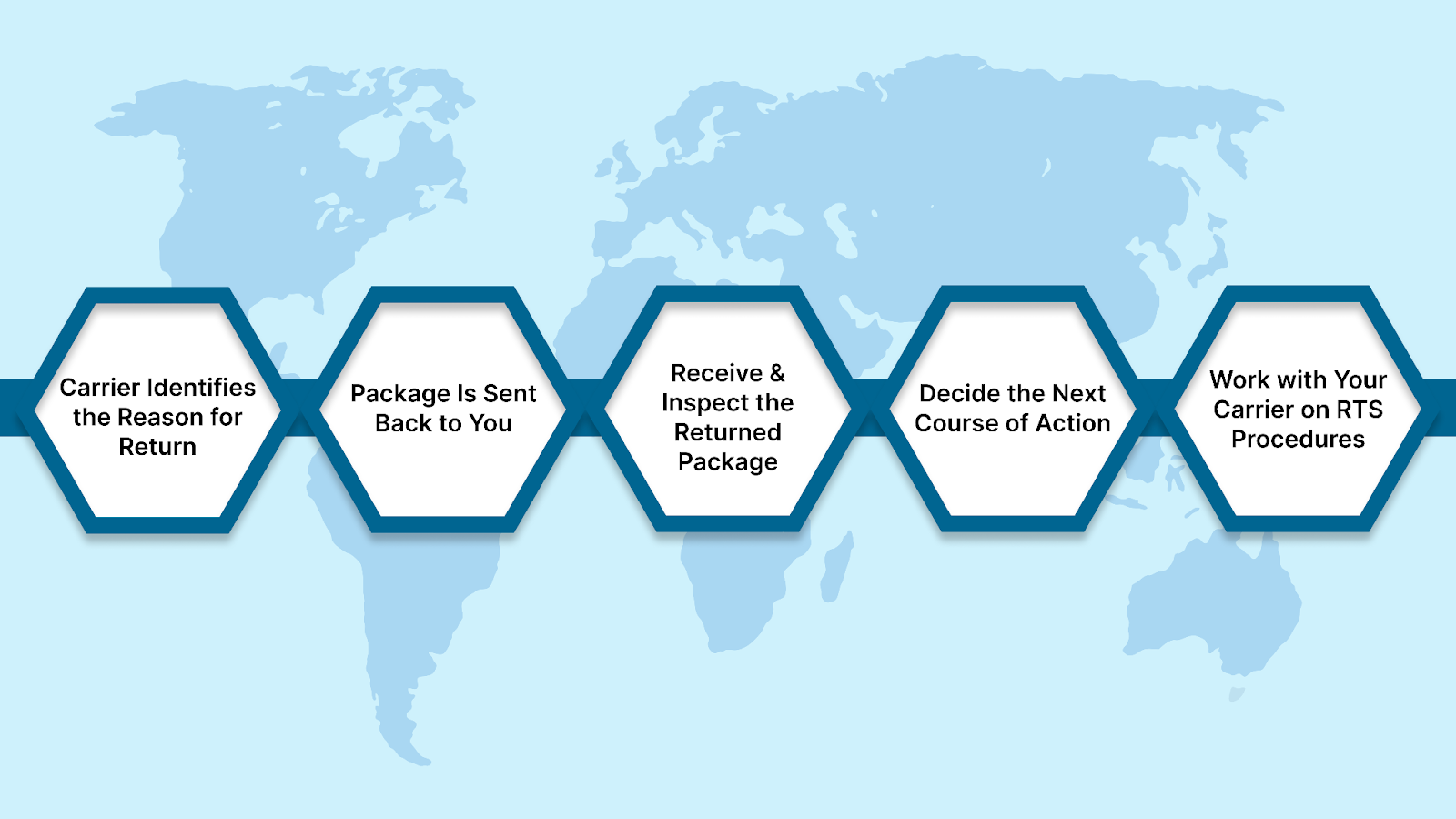
Once a package is marked as RTS, it triggers a specific series of actions that can affect your logistics flow and customer service. Here’s a step-by-step breakdown of the RTS process:
The carrier reviews why they couldn’t deliver your package. Common reasons include:
This step helps you understand what went wrong and how to avoid it next time.
After identifying the delivery issue, the carrier initiates the return shipment of the package to your specified return address or facility. This journey can take several days depending on the carrier’s transit times and distance. It’s important to monitor the return shipment closely, as delays here can impact your ability to reship or refund the order promptly. Staying informed helps you keep customers updated and manage expectations effectively.
When the package arrives at your facility, it must be carefully checked for damage or tampering during transit. Assess the condition of the item and verify that all contents are intact. Understanding the state of the returned goods determines whether you can restock, repair, or need to dispose of the product. This inspection step also informs your customer service approach and next steps in handling the return.
You can:
Each carrier handles RTS packages differently, so be familiar with their policies:
These RTS procedures can vary slightly depending on the carrier, but the core steps generally remain the same, each with its own impact on delivery timelines and customer experience.
While understanding the RTS process is essential, taking proactive steps to avoid it can significantly enhance your shipping efficiency and customer satisfaction.
Need Help Managing Your RTS Process?
If managing RTS packages is challenging, we’re here to help! Get a quote today to learn how Inspire Solutions can optimize your shipping process, reduce RTS occurrences, and improve your customer satisfaction.
Did you know that returns cost e-commerce businesses globally an estimated $550 billion in 2020? A significant portion of these losses is due to RTS issues, which negatively impacts your shipping operations and customer satisfaction. You can implement the following strategies to avoid RTS:
By focusing on these core strategies, you can cut down on RTS incidents, reduce extra costs, and maintain smooth delivery workflows.
As RTS directly affects the operational flow of your business, understanding its impact on e-commerce is crucial for managing your processes and maintaining customer trust.
Also Read: Improving Stock Control Systems: Methods and Best Practices
Inspire Solutions Asia is dedicated to supporting e-commerce businesses in the Philippines with end-to-end logistics solutions designed to manage your operations, reduce RTS occurrences, and enhance overall customer satisfaction. Here’s how we can help:
By working with Inspire Solutions Asia, you gain a partner who understands the logistics complexities of e-commerce and is committed to reducing the occurrence of RTS. Our smooth solutions, from accurate address verification to efficient returns management, help e-commerce businesses reduce costs, improve delivery reliability, and enhance customer loyalty.
Understanding and managing RTS (Return to Sender) in the shipping and e-commerce space is crucial for maintaining smooth operations and ensuring customer satisfaction. From preventing RTS occurrences by improving address verification to optimizing your delivery logistics, each step plays a vital role in enhancing business efficiency. Dealing with a high RTS rate caused by inaccurate shipping details can be frustrating. Struggling with delays in returns processing also adds to the challenge. Addressing these issues head-on can significantly reduce costs and improve your service quality.
At Inspire Solutions Asia, we offer customized logistics solutions to help you minimize RTS, manage order fulfillment, and provide smooth customer experiences. Our advanced technology, real-time tracking, and efficient returns management services are designed to tackle the common challenges businesses face. This allows you to focus on growth and customer satisfaction without the added stress of frequent RTS issues.
Schedule a meeting with us today to explore how we can optimize your logistics operations and provide solutions that ensure smoother, more efficient deliveries.