

Choosing the right 3PL warehouse directly affects delivery speed, inventory accuracy, and customer satisfaction. Many fulfillment issues come from selecting a partner that lacks the right systems or local expertise, leading to delays, stock errors, and frustrated customers. This guide helps identify what to look for in a fulfillment partner and explains how the right solution addresses common e-commerce challenges while supporting consistent, reliable growth.
A 3PL warehouse manages inventory storage, order processing, packing, shipping, and returns for your business. Instead of handling these tasks in-house, fulfillment is outsourced to a specialist with the space, staff, and systems already in place.
For e-commerce brands, this supports:
With the right partner, fulfillment becomes more consistent, organized, and easier to manage as order volume grows.
Before selecting a fulfillment partner, it helps to understand the problems most brands experience.
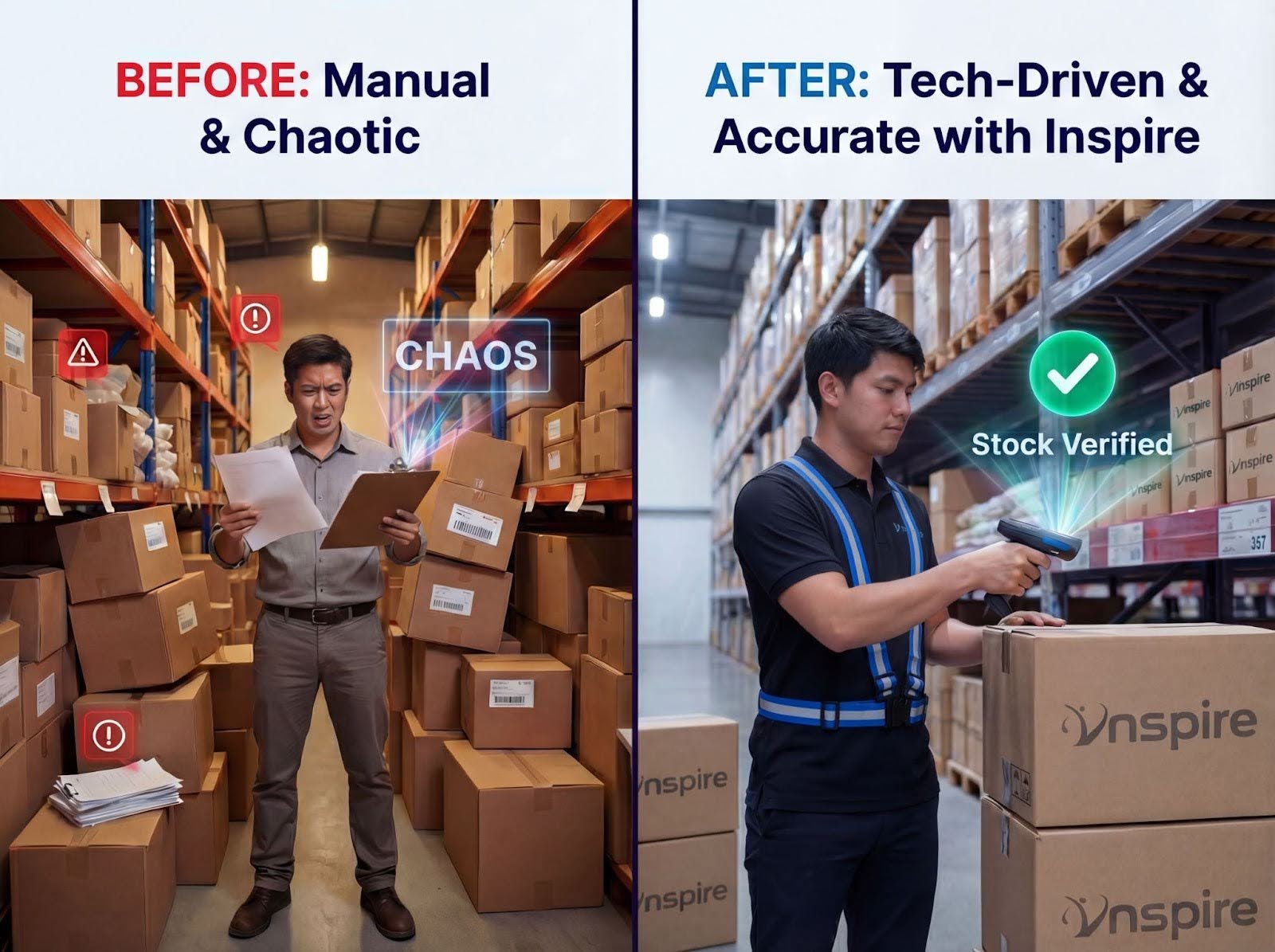
Stock mismatches lead to overselling, delayed shipments, and cancelled orders.
Manual picking and packing slow down fulfillment, especially during sales spikes.
Managing orders from Shopee, Lazada, TikTok Shop, and Shopify across different systems creates errors and delays.
Without real-time data, it’s difficult to know what’s selling, what’s running low, or where orders stand.
Inspire addresses these issues by combining tech-driven warehousing with end-to-end ecommerce support.
Instead of disconnected tools and manual workflows, Inspire provides:
This approach reduces errors, speeds up fulfillment, and gives clear control over daily operations.
Location affects delivery speed and shipping cost. A warehouse close to your customers enables faster fulfillment and smoother coordination.
For businesses serving Metro Manila and nearby provinces, a Valenzuela-based warehouse allows:
How Inspire helps:
With strategically located facilities in Valenzuela, Inspire supports reliable local fulfillment for Luzon-based ecommerce brands.
Accurate warehouse management keeps stock levels reliable and orders flowing smoothly.
Look for:
How Inspire helps:
Inspire’s warehouse management system provides real-time inventory updates across all connected sales channels, reducing overselling and stock discrepancies.
A modern fulfillment partner should connect directly to your e-commerce platforms.
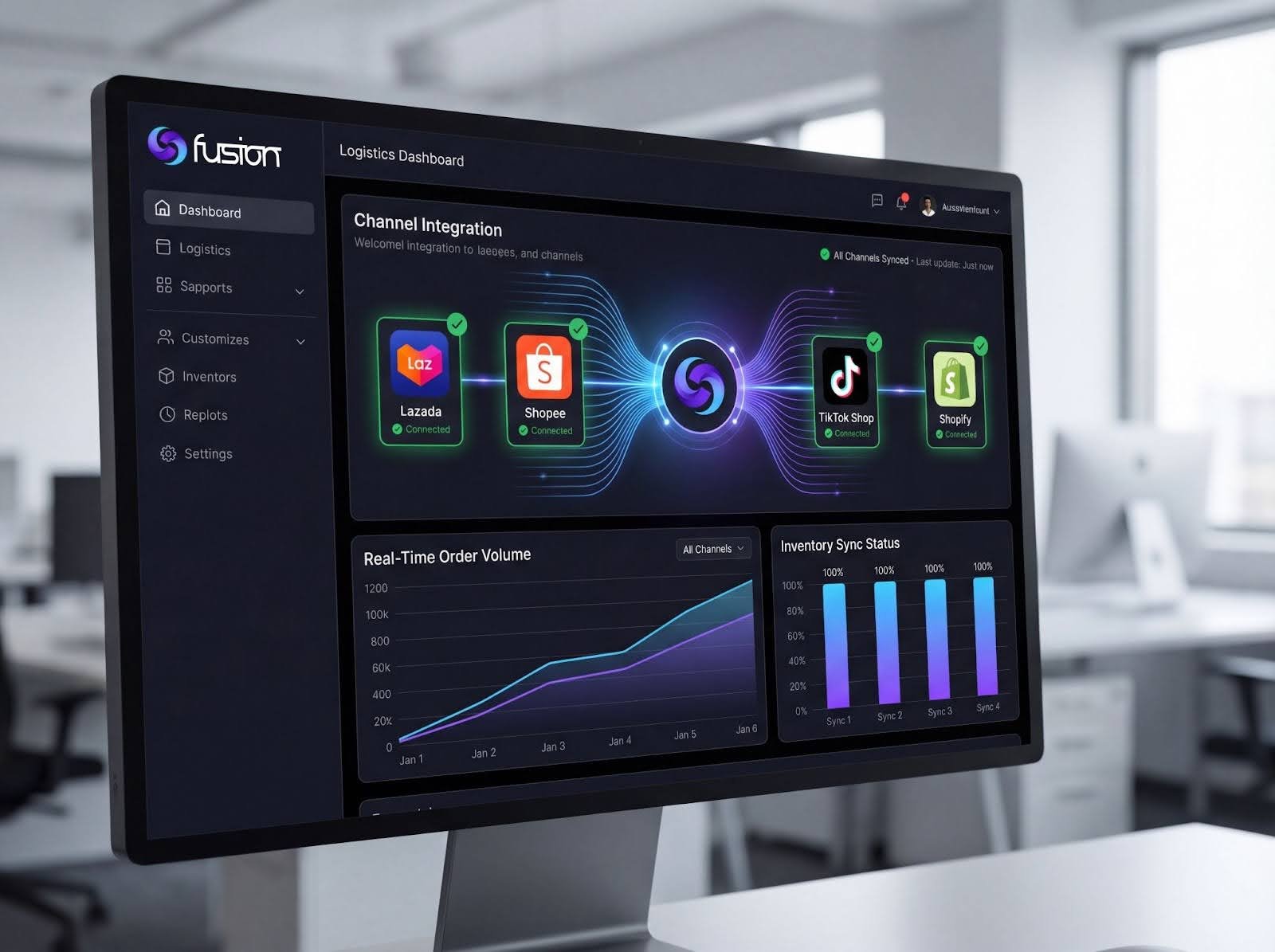
Key integrations include:
Without integration, teams rely on manual updates that slow operations.
How Inspire helps:
The Fusion platform syncs all sales channels into one dashboard, giving instant visibility into orders, inventory, and fulfillment status.
3PL pricing often includes multiple components:
Unclear pricing leads to unexpected costs.
How Inspire helps:
Inspire offers clear service scopes aligned with actual operational needs, helping businesses plan fulfillment costs with confidence.
As order volume increases, fulfillment needs change. A warehouse should support:
How Inspire helps:
Inspire’s infrastructure and systems are built to support growing order volumes without disrupting service levels.
Customer expectations continue to rise. Faster delivery, real-time tracking, and smooth returns are no longer optional.
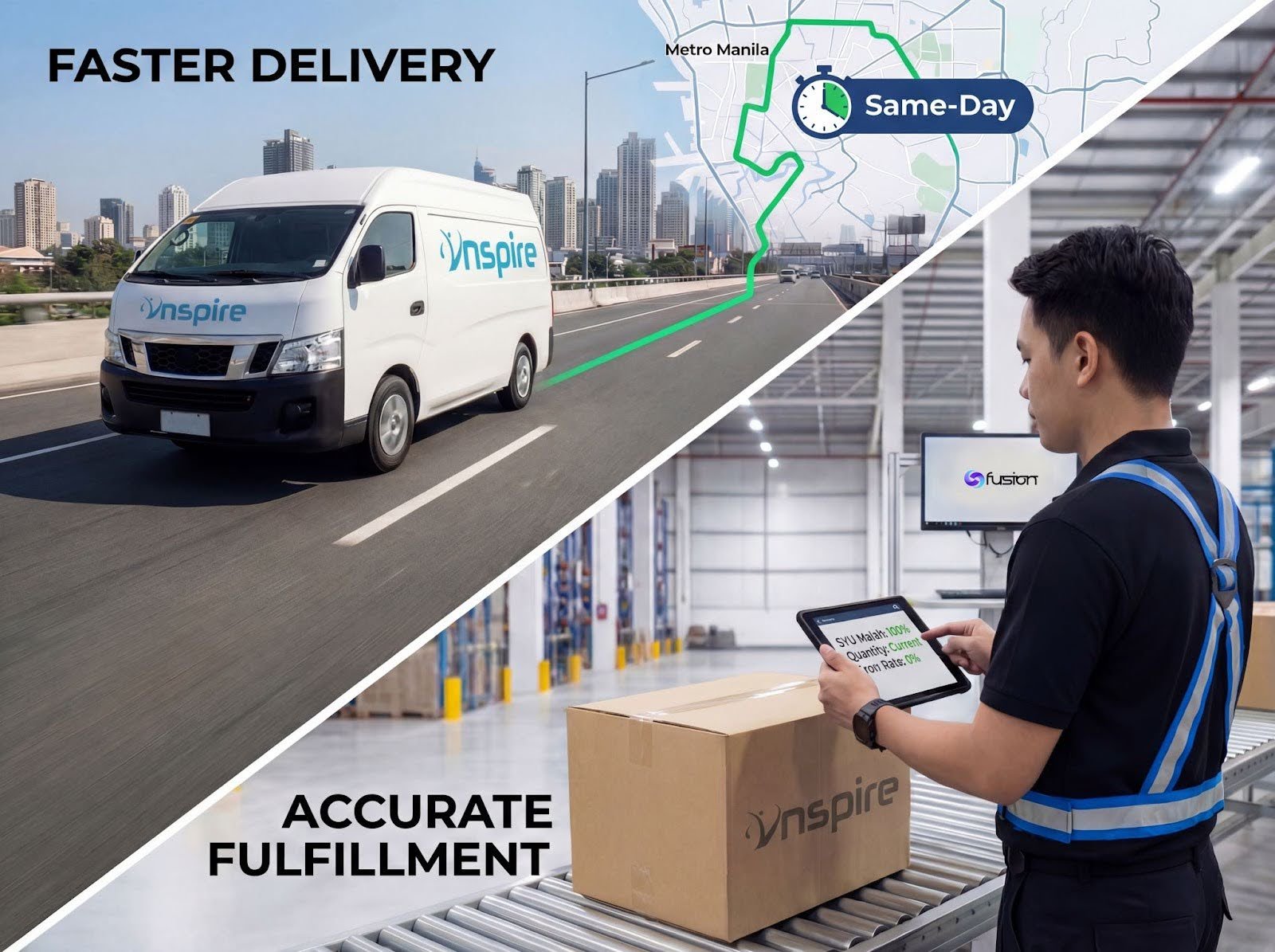
Trends shaping fulfillment decisions include:
A tech-first warehouse helps meet these expectations consistently.
The Philippine e-commerce landscape has unique challenges, including:
How Inspire helps:
As a Philippine-based 3PL warehouse, Inspire understands local market behavior and integrates directly with regional platforms and delivery partners.
A strong warehouse partner offers:
When these elements are in place, fulfillment becomes predictable and scalable.
Stores inventory, processes orders, packs products, ships them to customers, and handles returns on your behalf.
Yes. Many e-commerce businesses use a fulfillment service to reduce overhead while improving order speed and accuracy.
Focus on location, warehouse management quality, system integration, pricing clarity, and local market experience.
Yes, especially when supported by a unified warehouse management system that syncs all channels.
Yes. Inspire provides same-day and next-day delivery options within key service areas.

Choosing the right 3PL warehouse reduces delivery delays, inventory errors, and operational stress. The best partners combine reliable fulfillment operations with strong warehouse management systems that provide clear visibility across every sales channel.
For businesses looking for a tech-driven, locally grounded fulfillment partner built for the Philippine market, the next step is to work with a provider that understands both ecommerce complexity and regional logistics demands.
Inspire E-Commerce Solutions Inc.
Warehouse 4 & 5, C Teknik Industrial, 143 P. Gregorio Street, Valenzuela,
1442 Metro Manila
inspiresolutions.asia