
99.5%
Order Fulfillment
Picked, packed, dispatched right the first time. No rechecks. No surprises.
 Schedule a meeting
Modular e-commerce backbone · Philippines
The Philippines' modular e-commerce backbone, tech-led inventory control and order fulfillment across Shopee, Lazada, and TikTok Shop, so performance holds as you scale and HQ stays informed.
You came to grow the brand, hit the numbers, and report back with confidence.
You can see the problem. And you keep getting calls from HQ on SLA concerns. That's the trap.
Fusion enters
One inventory truth.
One dispatch cut-off.
One clear owner for exceptions.
That's what Fusion enforces, across Shopee, Lazada, TikTok Shop, Shopify, and Zalora at once.
Proprietary platform. Built inside the warehouse, not outside it.
Where Fusion's standards meet the floor, racks, scans, cut-offs, dispatch. So the dashboard reflects reality, not what you wish was happening.
Brands that scale reliably on Inspire







The command center
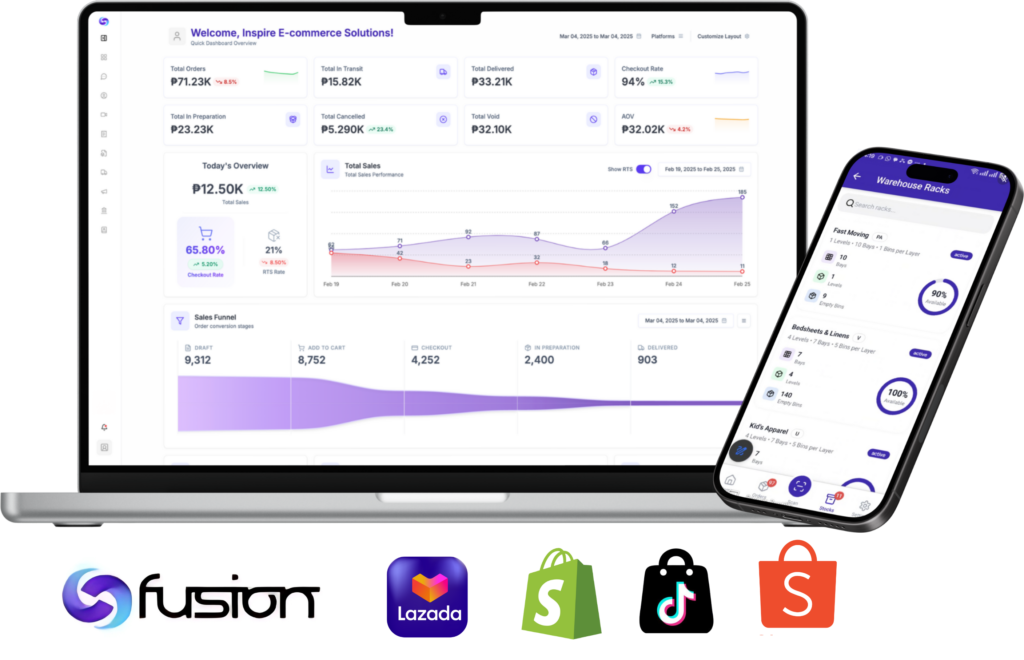
Warehousing and fulfillment are the services. The system is the product. This is Fusion, real screens, live orders, not mockups.
Fusion is Inspire’s proprietary platform combining order management (OMS) and warehouse management (WMS), with a finance module on the way, purpose-built for multi-channel e-commerce operations in the Philippines. It connects to Shopee, Lazada, TikTok Shop, Shopify, and Zalora, centralizing inventory truth and dispatch control in one place.
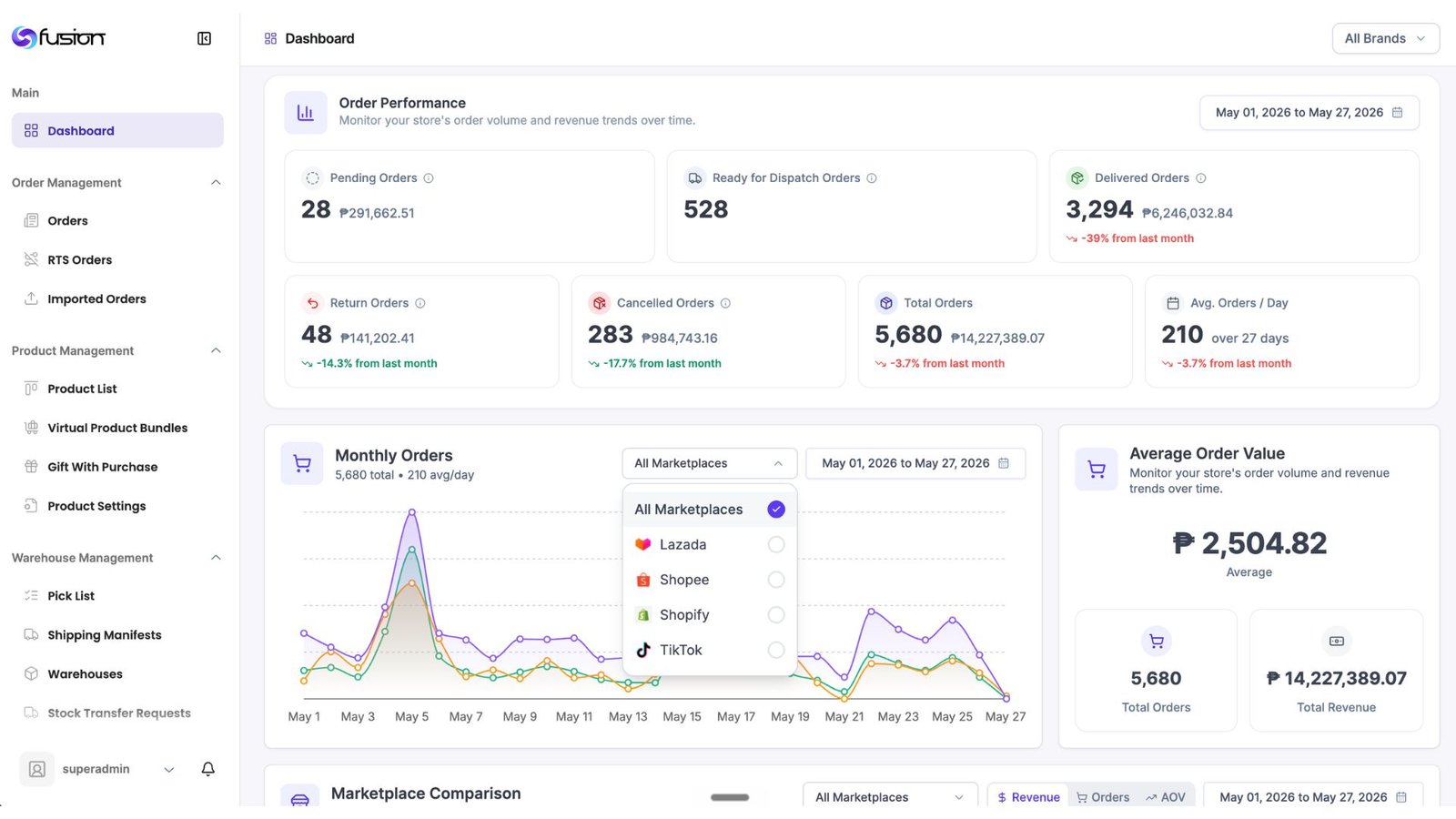
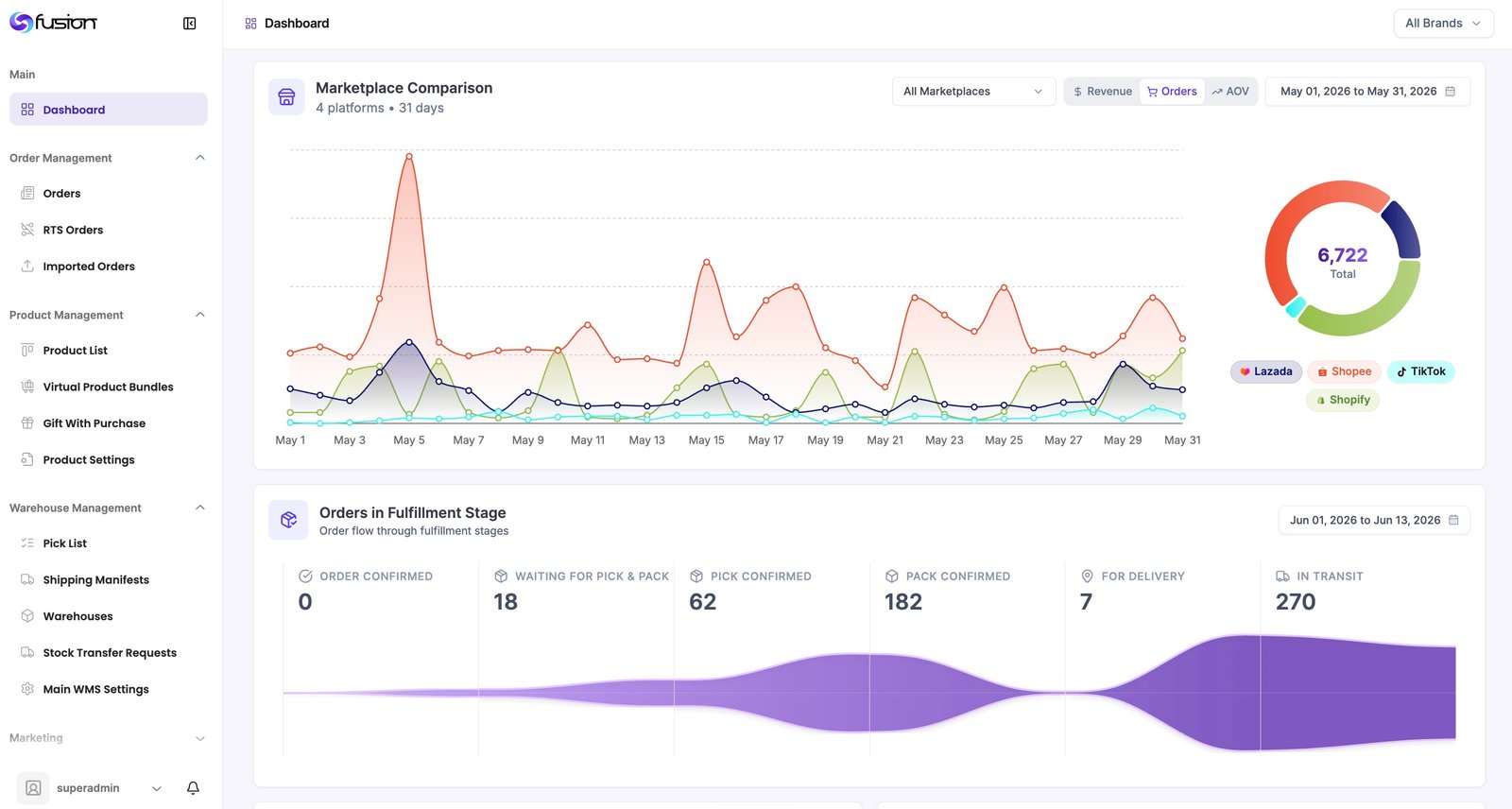
Enterprise-grade OMS + WMS, with finance on the way. Fusion is our own product, license it standalone, or bundle it with our warehousing and fulfillment for a lower platform rate.
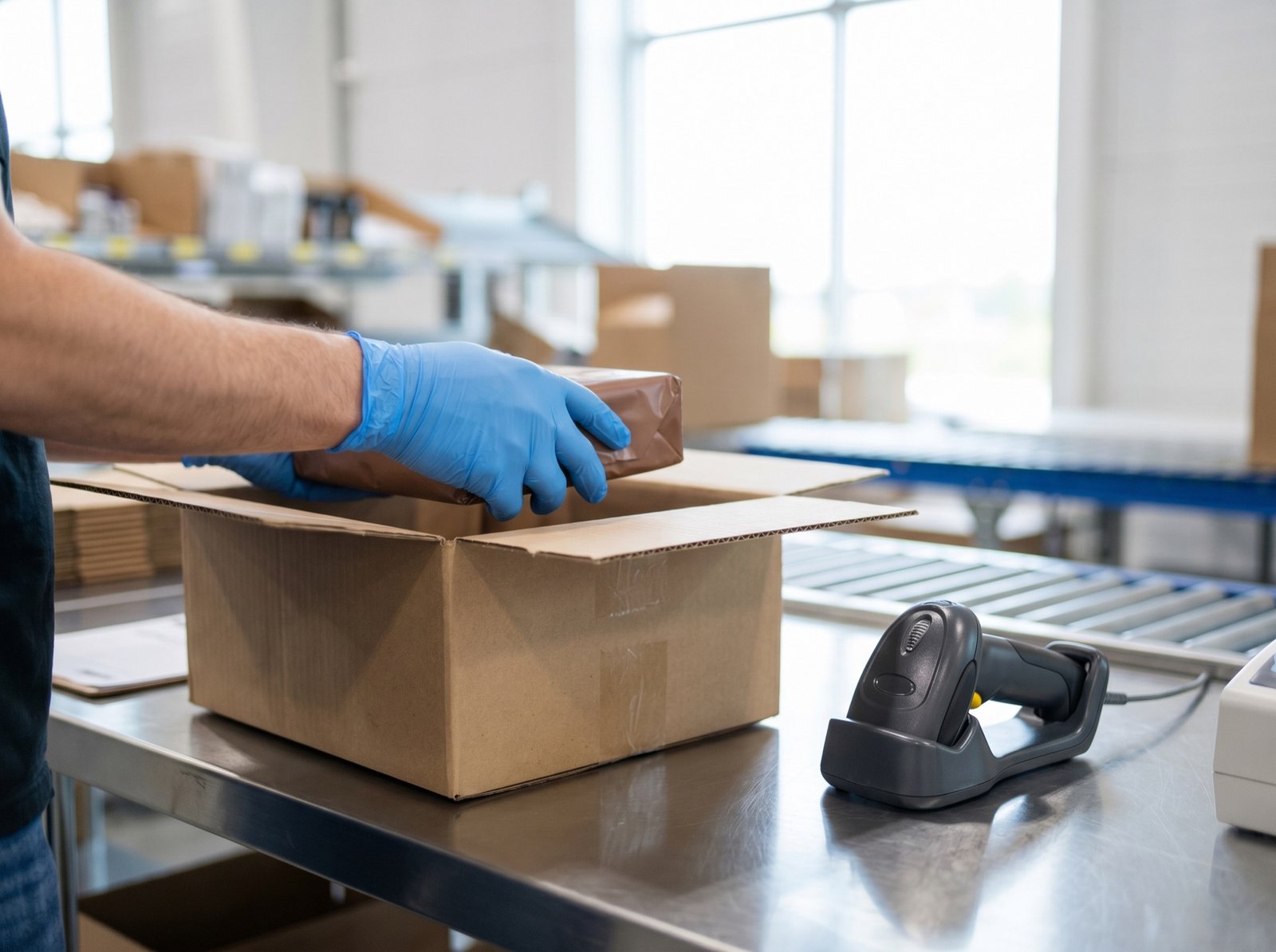
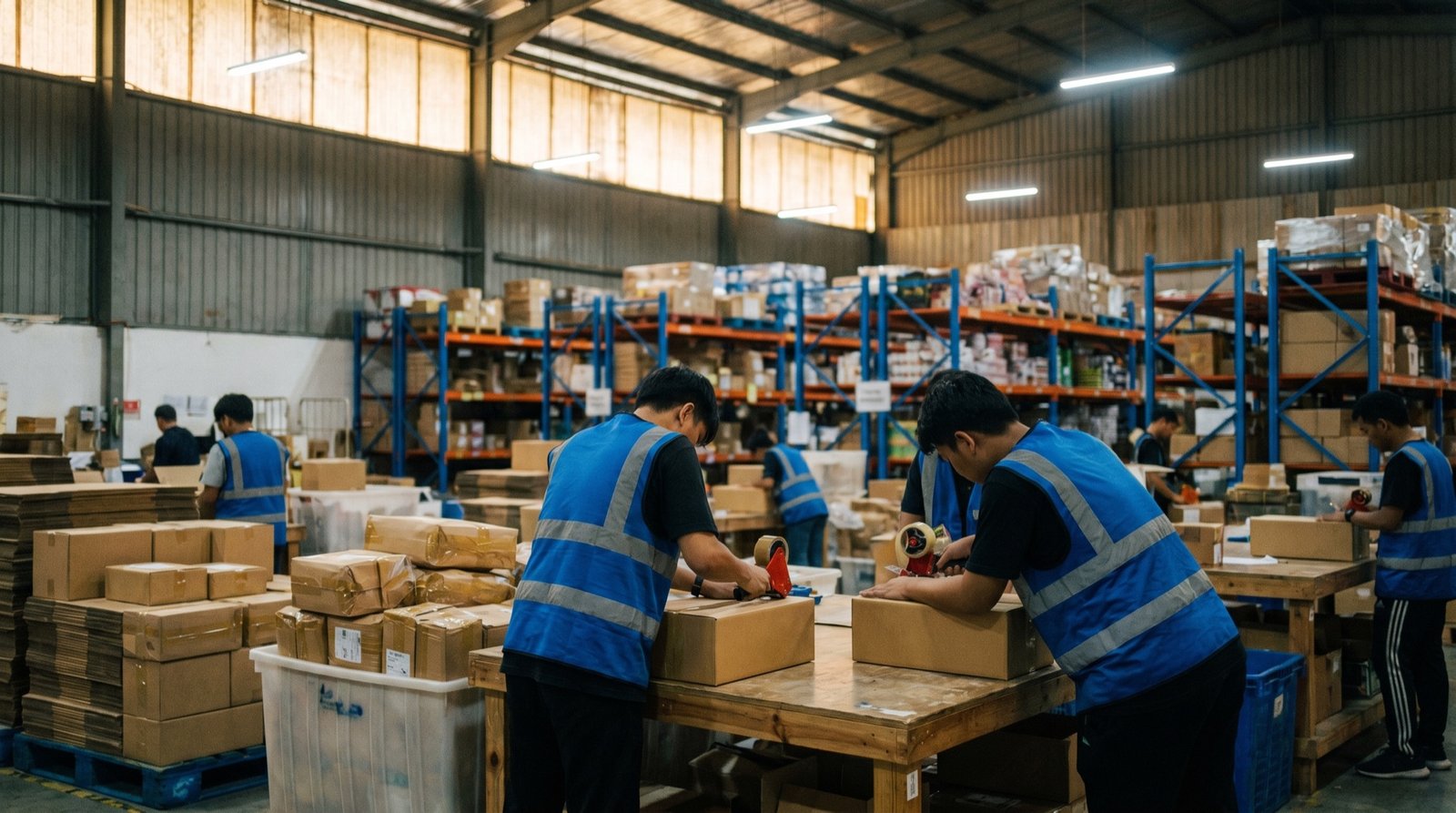
Barcode-scanned and double-checked at the bench, so it ships right the first time, without someone having to check the checker.

Staged by cut-off and handed to couriers on time, every day, including the big ones.
4:00 PM Same-day dispatch cutoff
Full scope
One partner from warehouse to doorstep, every channel in sync, so your week stops being about firefighting and starts being about the numbers that actually matter.
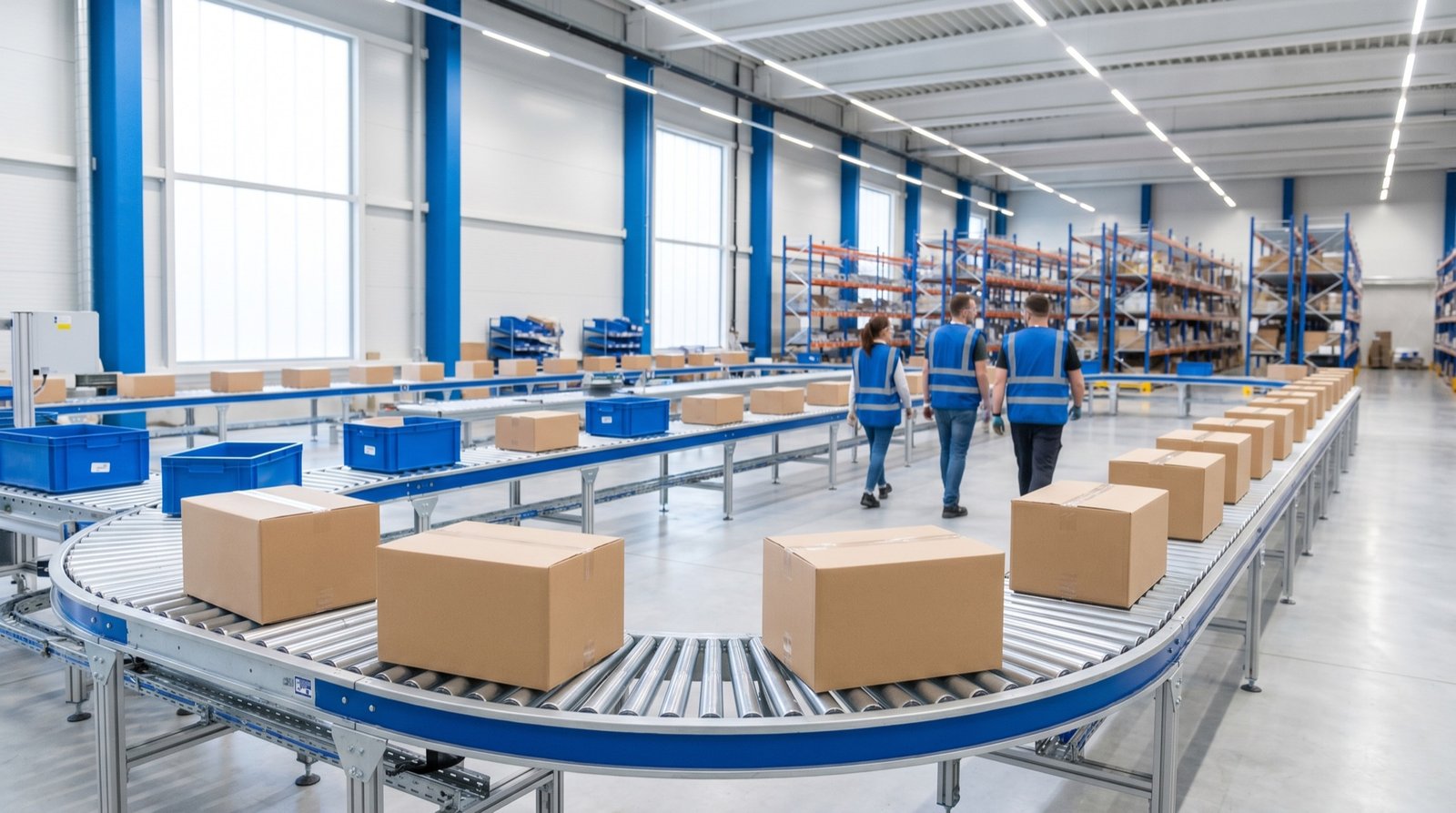
Inspire’s e-commerce warehousing, order fulfillment, and delivery operations in the Philippines, all in one place.
99.5%
Picked, packed, dispatched right the first time. No rechecks. No surprises.
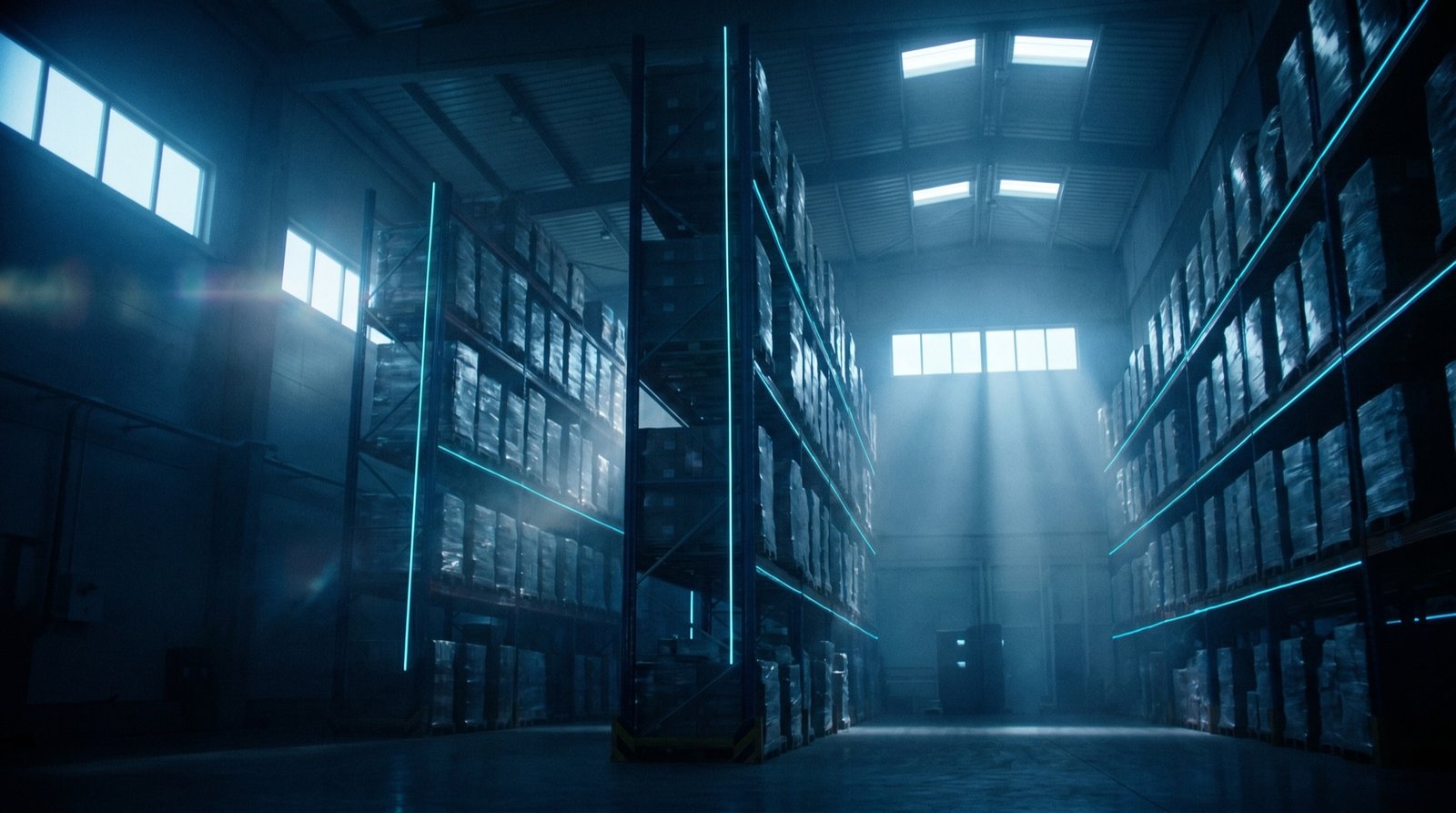
Secure, organized racking built for fast turns, your stock visible down to the rack, not just on a spreadsheet someone updates manually.
Real-time inventory sync across Shopee, Lazada, TikTok Shop, Shopify, and Zalora, one stock count, zero conflicting updates. No more tabs. No more conflicting counts.


Same-day and next-day delivery in Metro Manila via Inspire’s dedicated fleet, live tracking your customer can follow, and you can report on.
Closed before they pile up and eat your margin.
Receive → Inspect → Document → Close
Collected, managed, remitted weekly. Cash flow stays smooth, reconciliation stays clean.
₱ Collected → Remitted weekly
Better rates through our integrated logistics partners, stop overpaying to ship, start knowing what you're paying for.
Reliability through execution
Inspire's e-commerce fulfillment and warehousing operations in the Philippines, by the numbers.
Connected where you sell
Who we help
Door 01
You're accountable to HQ for numbers you can't always control. Inspire changes that. One source of truth. Clear ownership.
Peak-day readiness. KPI visibility you can actually report on.
→ "PH is under control."
Door 02
You've duct-taped it this far. But the ops are starting to break what the ads are building.
Inspire gives you a clear place to start, control first, then execution, so growth doesn't become a liability.
→ "We can finally breathe."
Modular by design
3 facilities · ~7,000 sqm
Reliability through execution.
Reliability isn't a vibe, it's a routine. When the routine holds, spikes don't become chaos and peak days don't become post-mortems.
→
OMS + WMS · finance on the way
Control through Fusion.
One inventory truth, enforceable cut-offs, visible exceptions. Start here. Add execution support when you need it to hold at scale.
→
Start with control. Add execution when you need it. Scale without the surprises.
Schedule a meeting

At scale, confidence isn't a feeling. It's fewer fires, fewer escalations, fewer surprises, built into the system from day one. That's what the backbone is for.