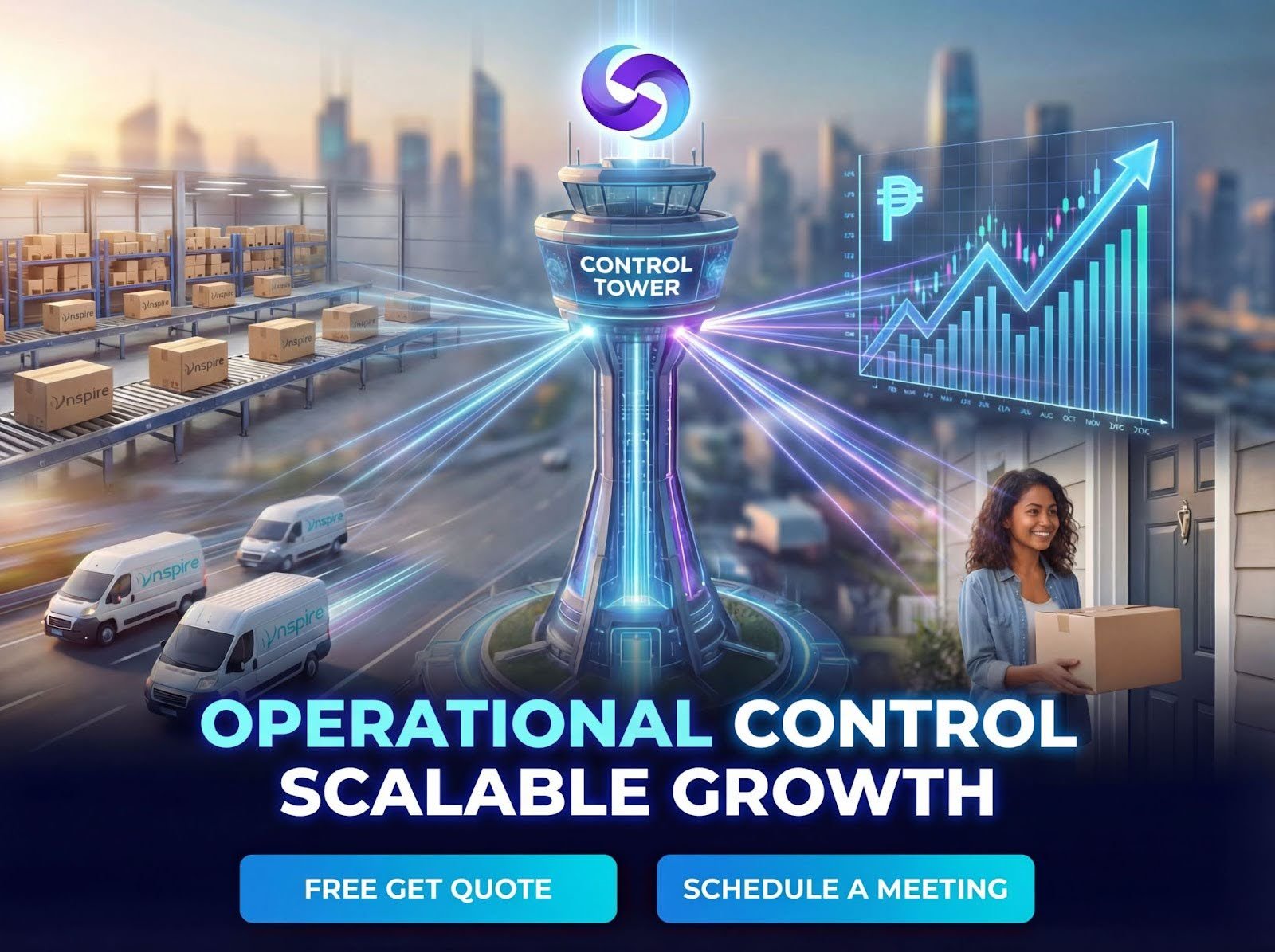
For modern e-commerce brands, growth brings complexity. As sales increase across multiple channels such as marketplaces, direct web stores, social commerce platforms, and retail partners, the difficulty of managing orders, inventory, finance, logistics, and customer expectations also increases.
An ecommerce ERP integration strategy ensures all parts of the business speak the same language. It connects your core systems so that order data, inventory levels, fulfillment workflows, financial records, and logistics touchpoints update in real time across the stack. Without this integration, teams work in silos, data becomes inconsistent, and response times suffer.
This guide explains what ecommerce ERP integration truly involves, why it matters for operational control, and how it strengthens daily execution across key functions such as order management, warehouse operations, cash on delivery reconciliation, and customs clearance Philippines.
A standalone ERP system can centralize financials, inventory, and procurement, but without integration to business-critical systems, it quickly becomes a reporting tool rather than an operational engine.
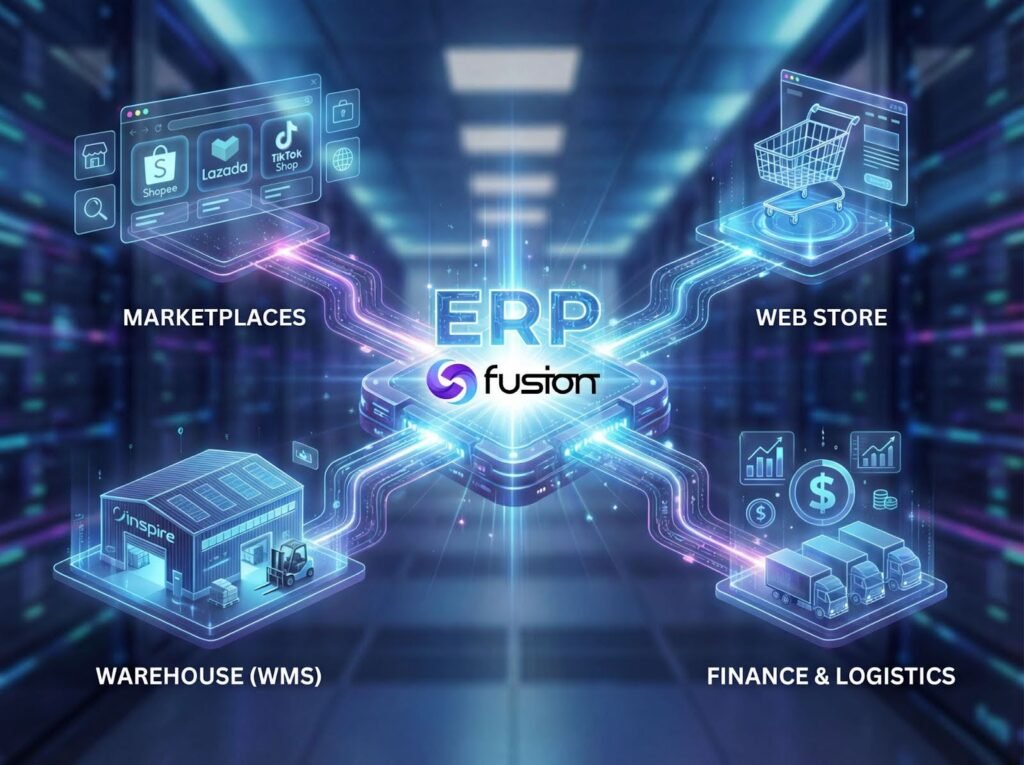
Here’s why integration matters:
ERP integration is the backbone of a control layer strategy, not just bookkeeping compliance.
E-commerce brands often sell through multiple platforms like Shopify, Lazada, Shopee, TikTok Shop, and social channels. Each platform reports orders and returns differently.
Without ERP integration:
With integrated ERP:
This reduces errors, accelerates fulfillment decisions, and creates a single source of truth for operations teams.
An order management system is the bridge between sales channels and fulfillment. When connected to ERP:
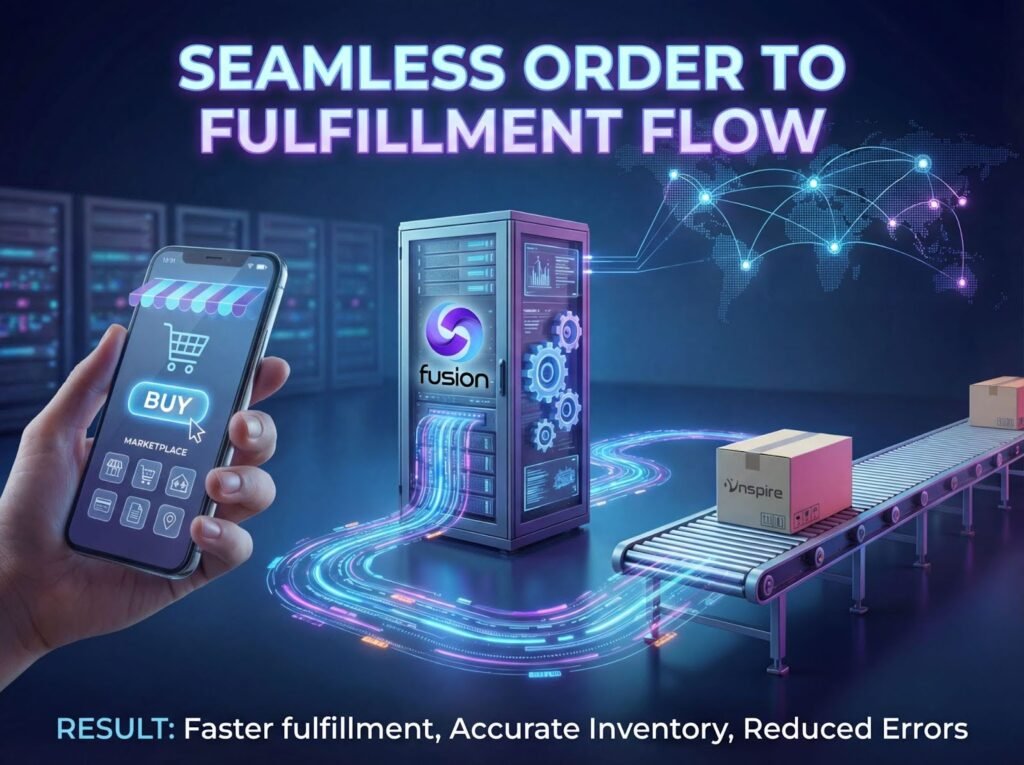
Operational impact:
This reduces manual handling, improves SLA adherence, and lowers operational errors.
A warehouse management system controls how stock moves inside a facility: receiving, put-away, picking, packing, and shipping. When WMS and ERP are integrated:
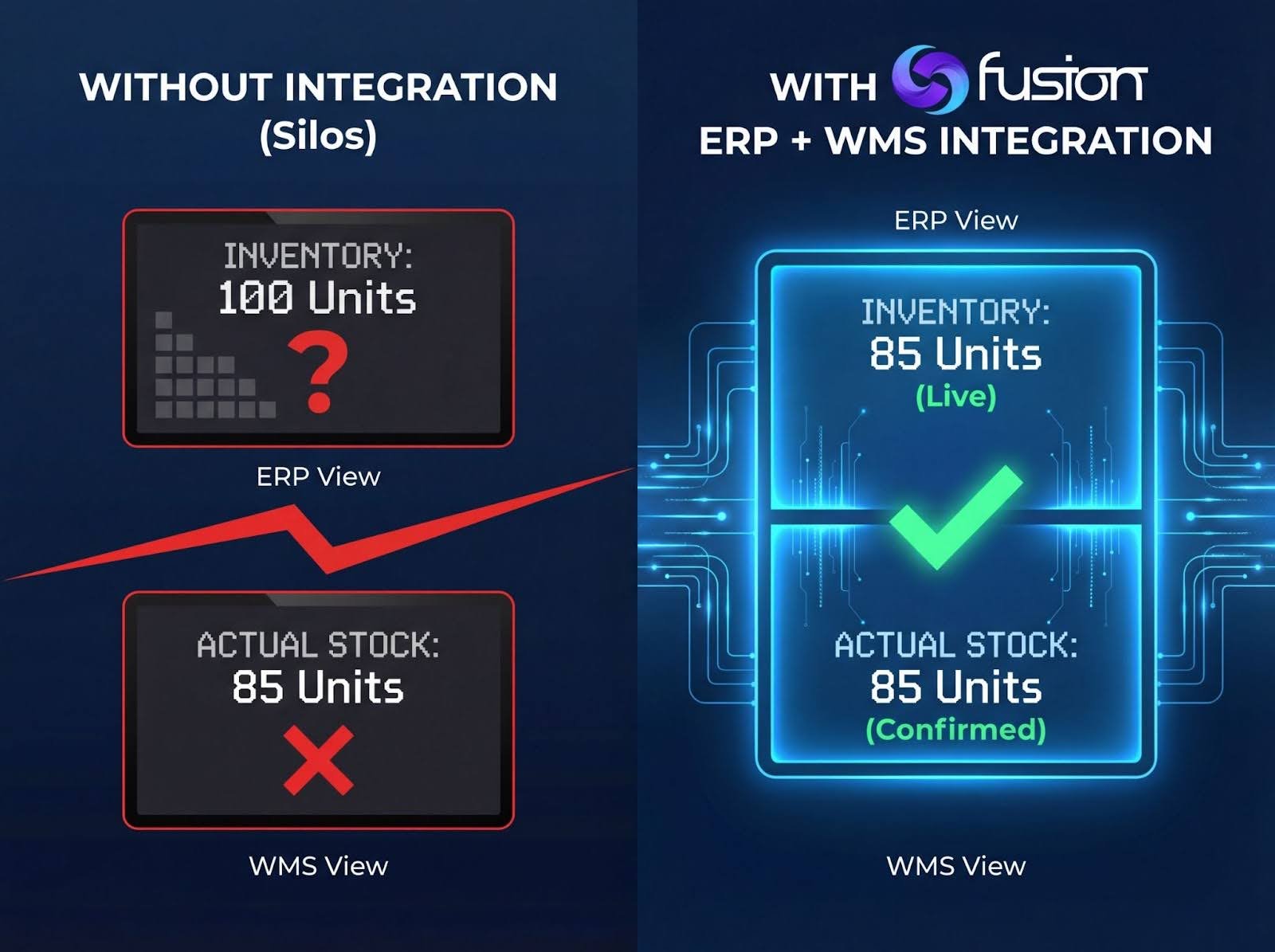
Without integration:
With integration:
This is crucial for multi-warehouse operations and helps protect margins through enhanced visibility and accuracy.
In markets like the Philippines, cash on delivery remains a major payment preference. While COD increases conversions, it also brings operational challenges: reconciliation, remittance, and accounting accuracy.
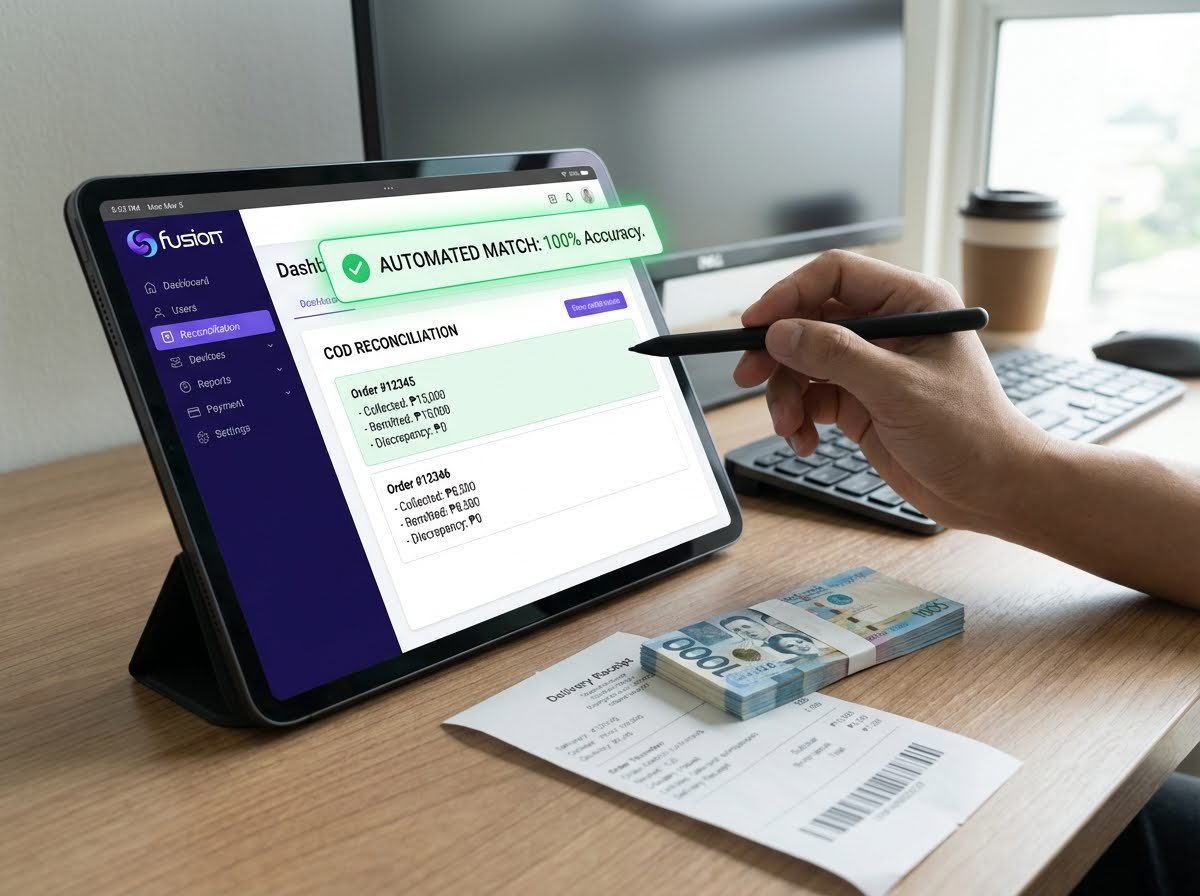
With ERP integration:
Without ERP connectivity:
ERP integration brings COD into the financial workflow, thereby improving cash flow visibility and reducing manual labor.
Many growing e-commerce brands import inventory. This introduces complexity in cost calculations, SKU valuations, and regulatory compliance.
Customs clearance Philippines involves:
When ERP integration includes landed cost tracking and import data:
This eliminates guesswork, avoids manual journal entries, and protects margins by reflecting all landed costs in inventory valuation.
The value of ERP integration goes beyond data consistency. It transforms daily execution and operational control.
ERP integration shows not only what’s been ordered but what’s available, in transit, reserved, or committed.
This reduces:
When exceptions occur such as late shipments, stock shortages, or returns disputes, an integrated system can trigger predefined workflows, including:
Automated alerts and actionable dashboards keep teams from scrambling.
With live data feeds and cross-system triggers:
This drives higher customer satisfaction and marketplace ratings.
Integrated ERP means:
Finance becomes a partner in growth, not a bottleneck.
As your business adds new sales channels or warehouses, an integrated ERP strategy ensures you don’t fragment operations.
New integrations plug into existing workflows, preserving:
Connecting systems without business rules leads to noise, not clarity.
Solution:
Map process flows first. Decide what data must move, in which direction, and at what frequency.
ERP integration rarely goes perfectly without provisions for exceptions.
Solution:
Build exception queues and escalation paths within your workflows.
A system won’t deliver value if teams don’t use it.
Solution:
Train users on interpreting ERP data, triggering workflows, and resolving exceptions.
Metrics like fill rates, pick accuracy, COD remittance accuracy, and customs clearance delays need ongoing tracking.
Solution:
Use dashboards and KPIs to enforce accountability.
Ecommerce ERP integration is essential for operational control across multi-channel e-commerce. When an ERP system connects with an order management system, warehouse management system, cash on delivery workflows, and custom clearance Philippines data, businesses gain real-time visibility, stronger execution discipline, and improved governance.
This setup helps reduce errors, improve delivery performance, reconcile financials faster, and scale operations efficiently. For growing e-commerce businesses, ERP integration forms the backbone of predictable, measurable, and scalable control.
Inspire E-Commerce Solutions Inc.
Warehouse 4 & 5, C Teknik Industrial, 143 P. Gregorio Street, Valenzuela,
1442 Metro Manila
inspiresolutions.asia