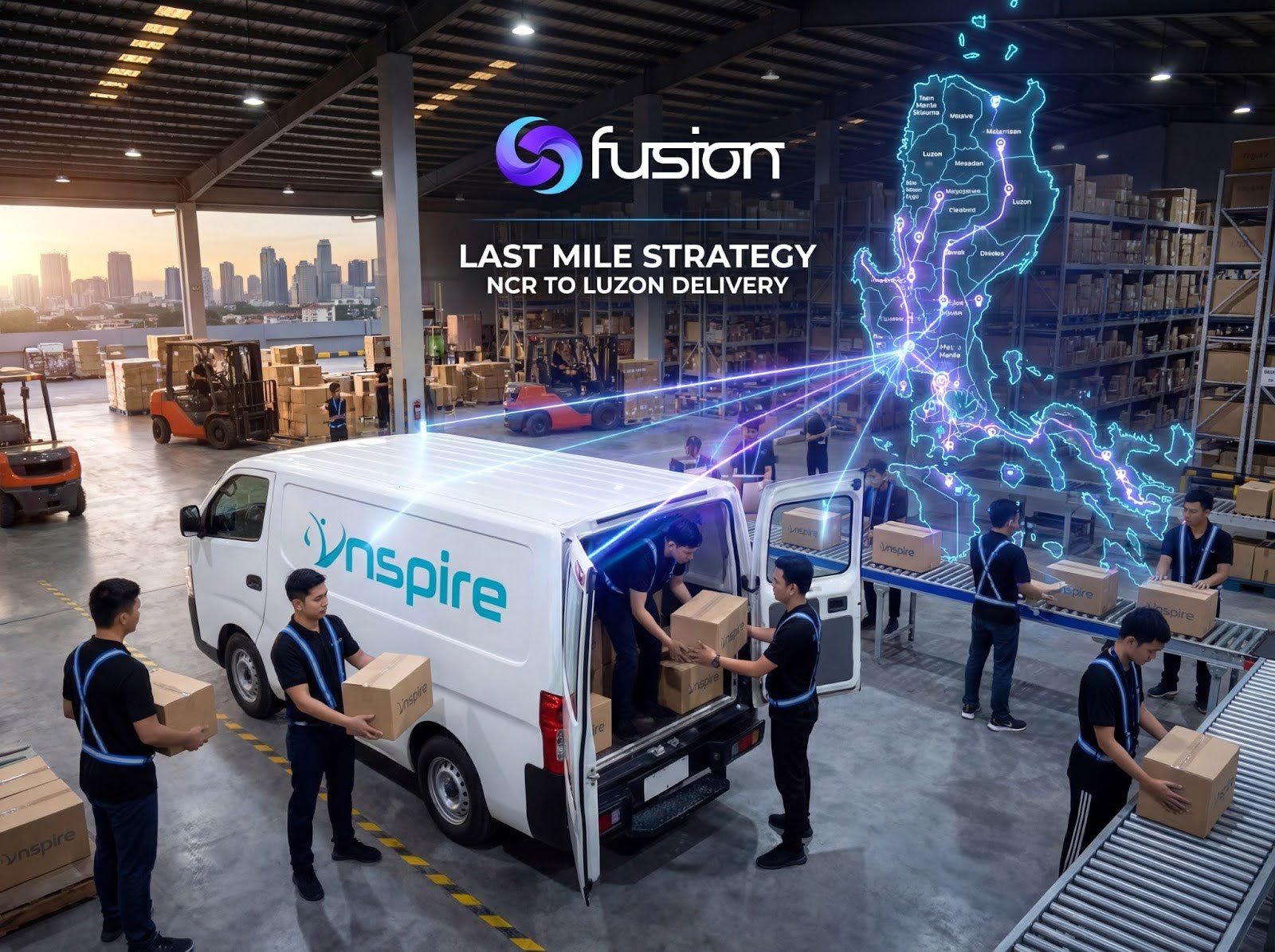
In e-commerce, the customer experience does not end at checkout. The most critical moment happens after the order is placed, when the product moves through the supply chain and reaches the customer’s doorstep. This stage is known as the last mile strategy, and it is one of the most important factors affecting customer satisfaction, repeat purchases, and brand trust.
In the Philippines, last mile delivery presents unique challenges due to geography, traffic conditions, and varying courier capabilities across regions. Deliveries in Metro Manila can be fast, but shipments going from NCR to Luzon provinces or other island regions often face delays and inconsistencies.
For online sellers, especially those operating on Shopee, Lazada, or independent stores, optimizing last mile performance is essential. It directly affects delivery speed, order reliability, and failed delivery rates. This article explains how last mile strategy works, how to improve delivery efficiency, and how businesses can offer better delivery options ecommerce customers expect today.
Last mile strategy refers to the final stage of the delivery process where goods move from a fulfillment hub or warehouse to the end customer. It is called “last mile” because it represents the final leg of the logistics journey.
While it is the shortest distance in the supply chain, it is often the most complex and expensive. This is where most delivery issues occur, including delays, failed deliveries, and incorrect routing.
A strong last mile strategy focuses on:
For e-commerce businesses, this stage determines whether customers will trust the brand again or switch to competitors.
The last mile directly impacts customer satisfaction because it is the only part of the logistics process that customers physically experience.
Even if inventory management and warehouse operations are efficient, poor last mile execution can result in negative reviews and lost sales.
A strong last mile strategy helps businesses:
In competitive e-commerce environments, delivery experience can be more important than pricing.
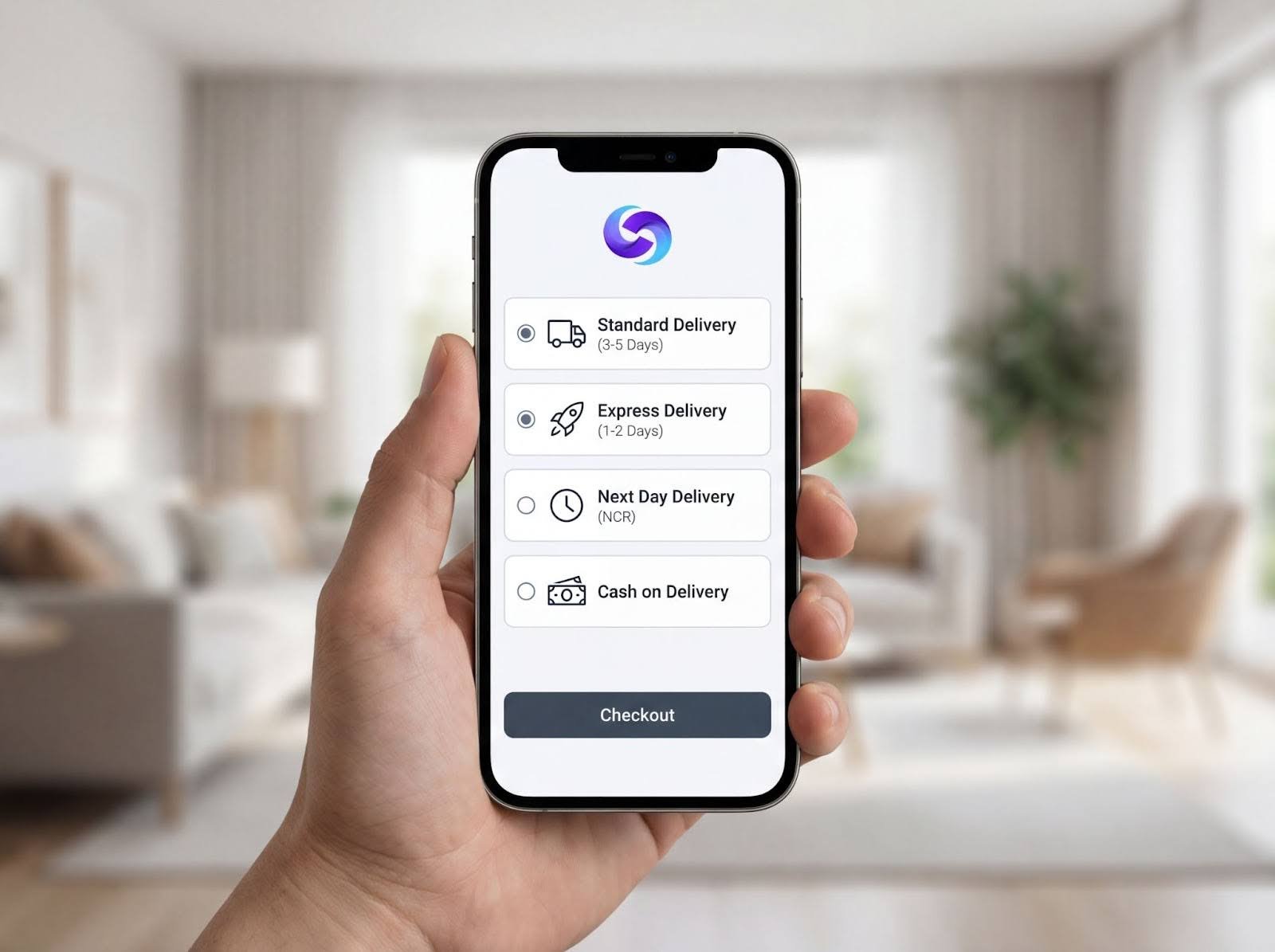
Modern customers expect flexibility when it comes to delivery. Offering multiple delivery options ecommerce is no longer optional; it is a necessity for growth.
Common delivery options include:
Standard delivery remains the most common option, where parcels are delivered within a few days depending on location. This option is cost-effective but not ideal for urgent purchases.
Express delivery provides faster shipping, usually within 24 to 48 hours, especially in Metro Manila and nearby areas. This is preferred by customers who prioritize speed.
Same-day or next-day delivery is becoming more popular in NCR due to improved logistics infrastructure and demand for instant fulfillment. This requires optimized warehouse processes and courier coordination.
Cash on delivery is still widely used in the Philippines, but it requires strong delivery execution to avoid failed attempts and returns.
Providing multiple options allows customers to choose based on urgency and budget, improving overall conversion rates.
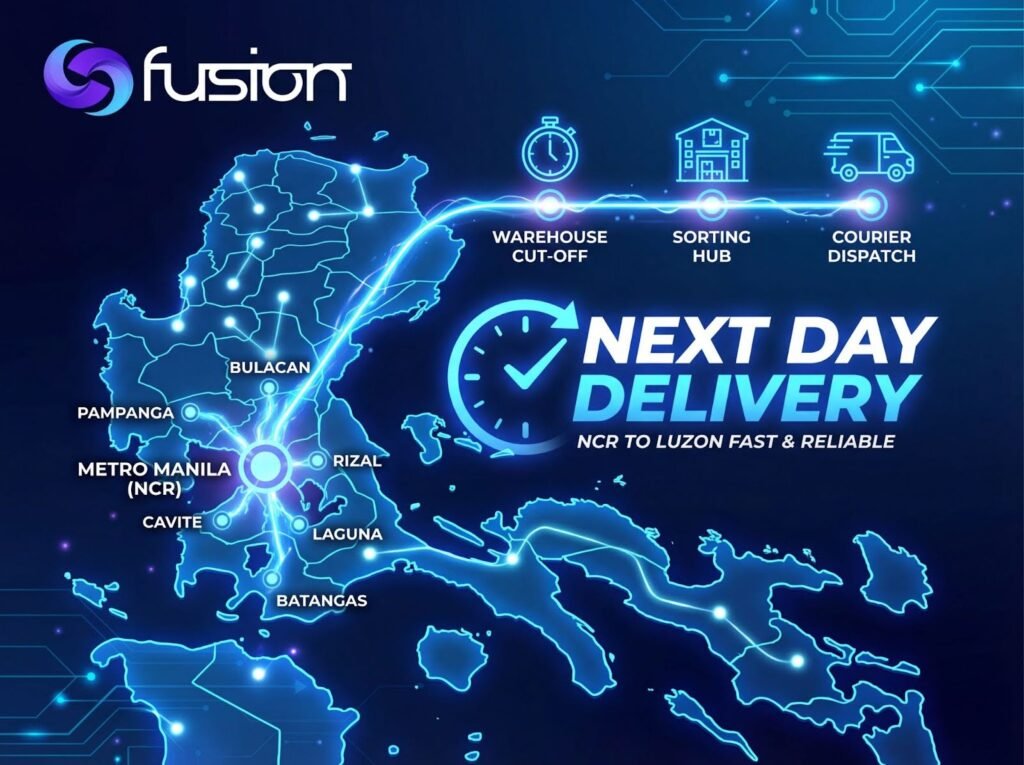
One of the most important logistics expectations today is next day delivery NCR to Luzon. Customers expect fast delivery from Metro Manila to nearby provinces, but achieving this consistently requires strong operational planning.
Several factors affect this capability:
Courier cut-off times play a major role. Orders placed after cut-off times are often delayed to the next dispatch cycle, affecting delivery speed.
Traffic conditions in Metro Manila can slow down warehouse pickups and courier dispatch, especially during peak hours.
Sorting hub delays also affect next day delivery performance, especially when parcels are transferred between multiple facilities.
Weather disruptions, particularly during typhoon season, can also impact delivery schedules across Luzon.
To improve next day delivery success, businesses must optimize warehouse cut-off times, prioritize high-demand regions, and coordinate closely with courier partners.
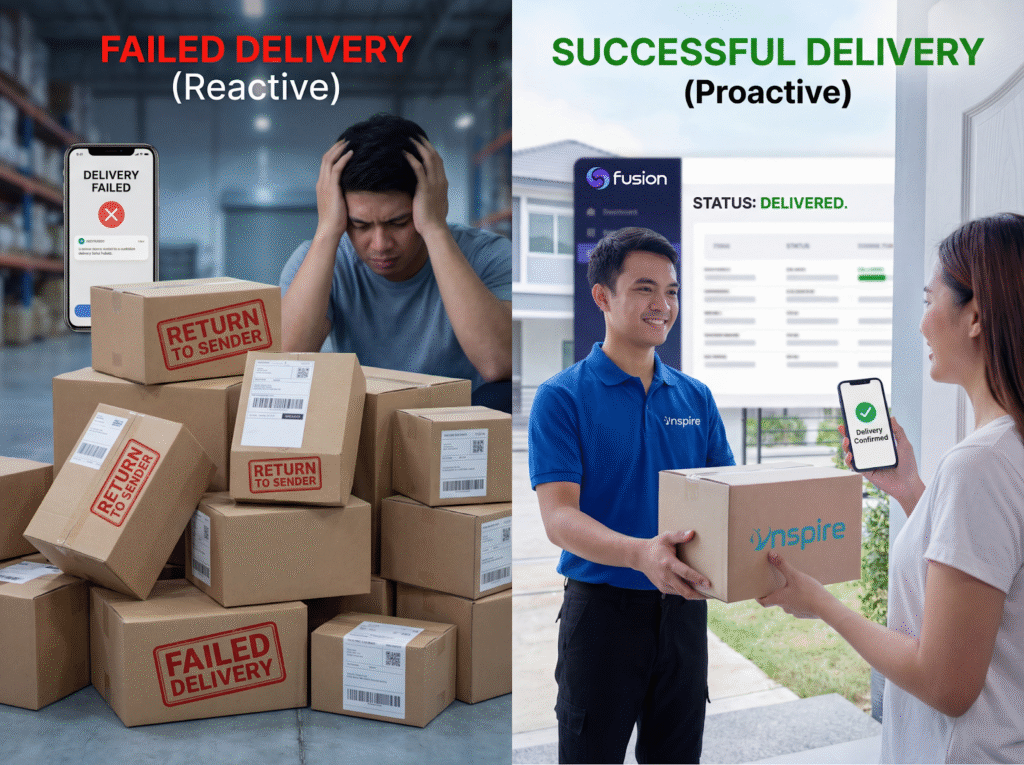
Failed deliveries are one of the biggest challenges in last mile operations. A failed delivery means the courier was unable to successfully deliver the package to the customer.
Common reasons include:
To reduce failed deliveries, businesses should implement failed delivery prevention strategies.
One effective approach is improving customer communication. Sending SMS or app notifications about delivery schedules helps ensure customers are available when the courier arrives.
Another strategy is address verification during checkout. Encouraging customers to provide complete and accurate delivery details reduces routing errors.
Flexible delivery options also help reduce failure rates. Allowing customers to reschedule deliveries or choose pickup points improves success rates.
For COD transactions, confirming orders before dispatch can significantly reduce rejection rates.
Strong coordination between warehouse, courier, and customer service teams is essential to prevent failed deliveries.
Courier performance is a key factor in last mile success. Even with efficient internal operations, poor courier execution can negatively affect delivery outcomes.
Businesses should regularly evaluate courier performance based on:
Working with multiple courier partners can also improve flexibility and reduce dependency on a single provider.
During peak seasons, such as 11.11 and 12.12, courier capacity becomes limited. Pre-booking slots and prioritizing high-volume periods ensures better delivery stability.
Technology plays a major role in improving last mile efficiency. E-commerce businesses can use digital tools to track shipments, optimize routes, and improve delivery transparency.
Real-time tracking systems allow customers to monitor their orders, reducing anxiety and support inquiries.
Automated notifications keep customers informed about delivery status, including dispatch, transit, and arrival updates.
Route optimization tools help couriers deliver more efficiently by reducing travel time and fuel costs.
Integration between order management systems and courier platforms ensures smoother coordination and fewer manual errors.
These technologies help businesses scale delivery operations without sacrificing accuracy or speed.
A strong last mile strategy is not just about logistics efficiency. It directly impacts business growth and customer retention.
Fast and reliable delivery increases repeat purchases because customers trust the brand more. It also improves marketplace ratings on platforms like Shopee and Lazada, which affects visibility and sales performance.
Efficient delivery also reduces operational costs over time by minimizing failed deliveries, returns, and customer service issues.
For growing e-commerce businesses in the Philippines, last mile performance can be a key competitive advantage.
The last mile strategy is one of the most critical elements of e-commerce success. It determines how effectively products reach customers and how satisfied they feel with the overall buying experience.
By offering flexible delivery options ecommerce, improving next day delivery NCR to Luzon performance, and implementing strong failed delivery prevention strategies, businesses can significantly enhance their logistics operations.
In a competitive digital marketplace, delivery speed and reliability are no longer optional. They are essential drivers of trust, retention, and long-term growth.
Inspire E-Commerce Solutions Inc.
Warehouse 4 & 5, C Teknik Industrial, 143 P. Gregorio Street, Valenzuela,
1442 Metro Manila
inspiresolutions.asia