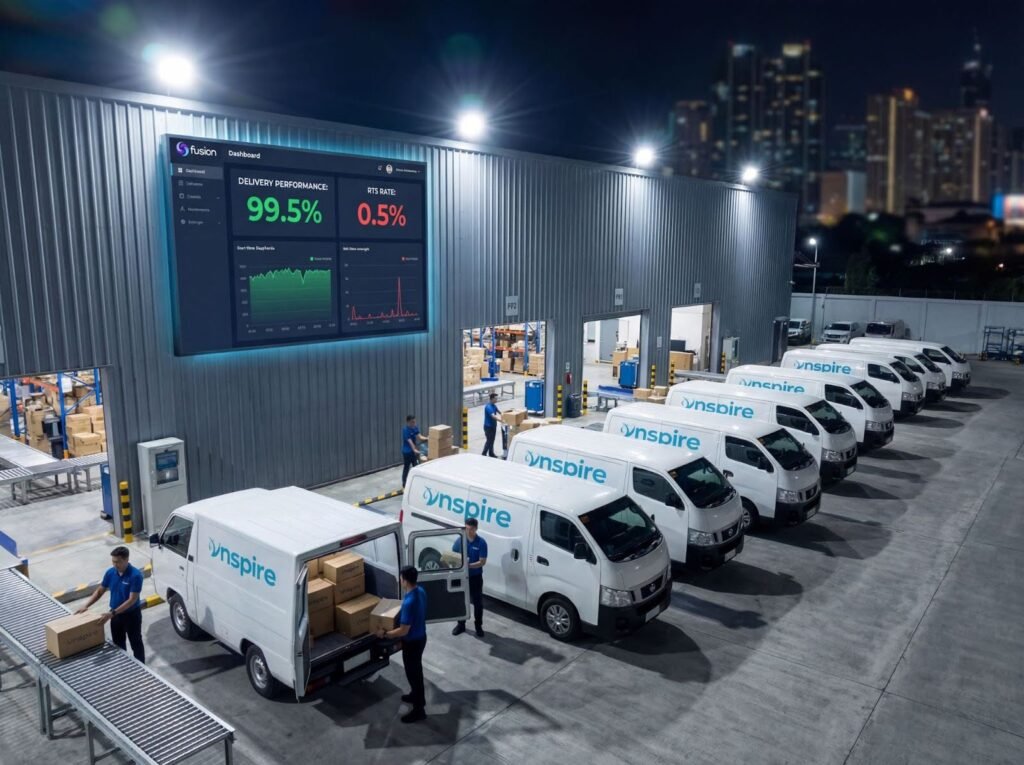
In e-commerce operations, success is not only measured by sales volume but also by how efficiently orders are delivered to customers. One of the biggest challenges faced by online sellers in the Philippines today is failed delivery prevention, especially across high-volume platforms like Shopee and Lazada.
Failed deliveries directly affect profitability, customer satisfaction, and operational efficiency. When a parcel cannot be delivered successfully, it often results in returns, additional logistics costs, and delayed revenue recognition. These issues are reflected in key performance indicators such as RTS rate, late shipment rate, and cancellation rate, all of which can significantly impact seller ratings and platform performance.
This article explores how failed deliveries happen, why they matter, and how sellers can reduce them through better systems, planning, and operational discipline.
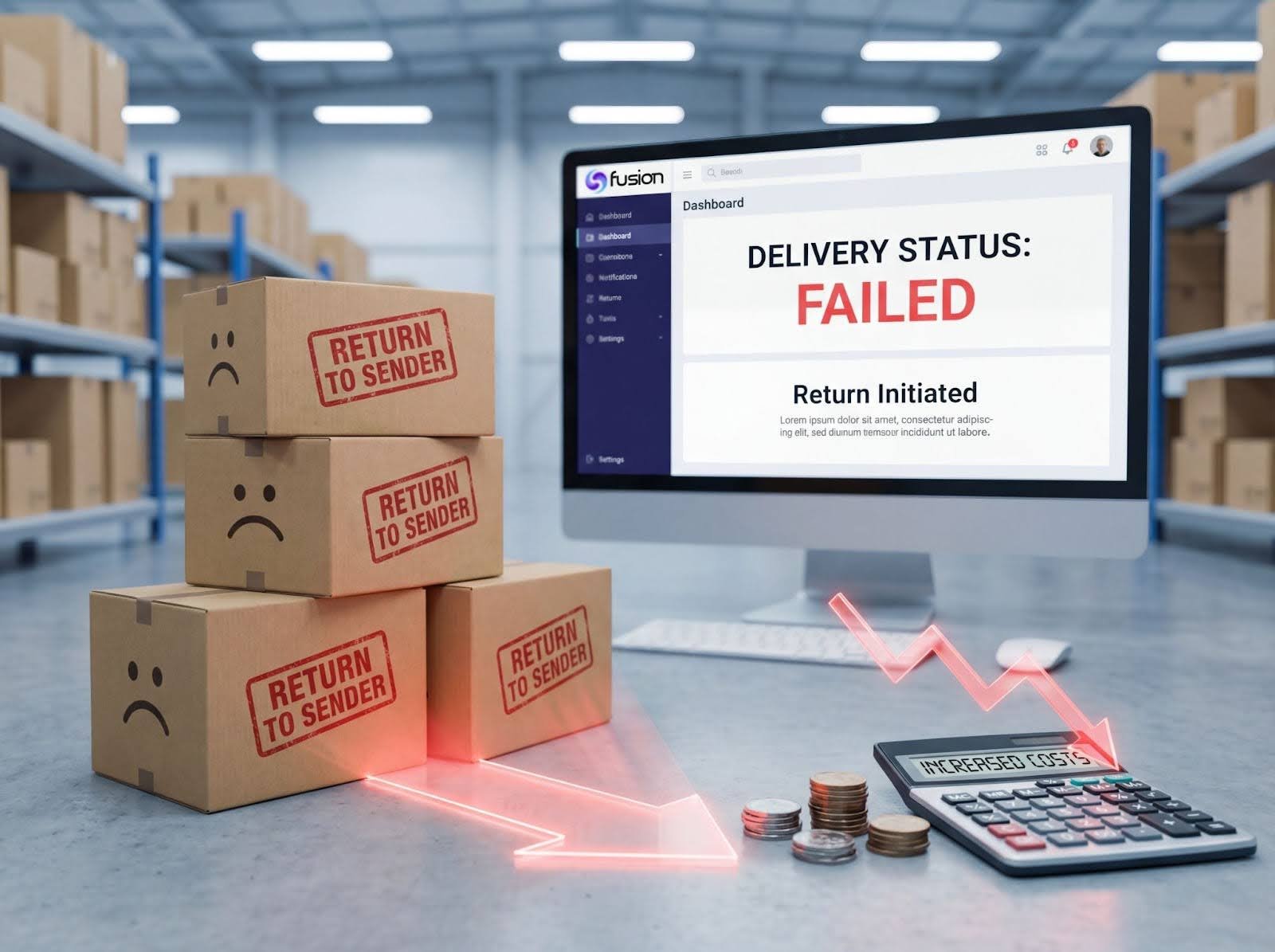
A failed delivery occurs when a courier is unable to successfully deliver a package to the customer. This can happen for several reasons, including incorrect address details, customer unavailability, refusal to accept COD orders, or logistical issues.
In marketplaces like Shopee and Lazada, failed deliveries are closely tracked because they affect seller health scores and platform trust. Each failed attempt not only delays fulfillment but also increases the risk of return-to-sender (RTS) situations.
Over time, repeated failed deliveries can lead to higher operational costs and lower customer retention rates.
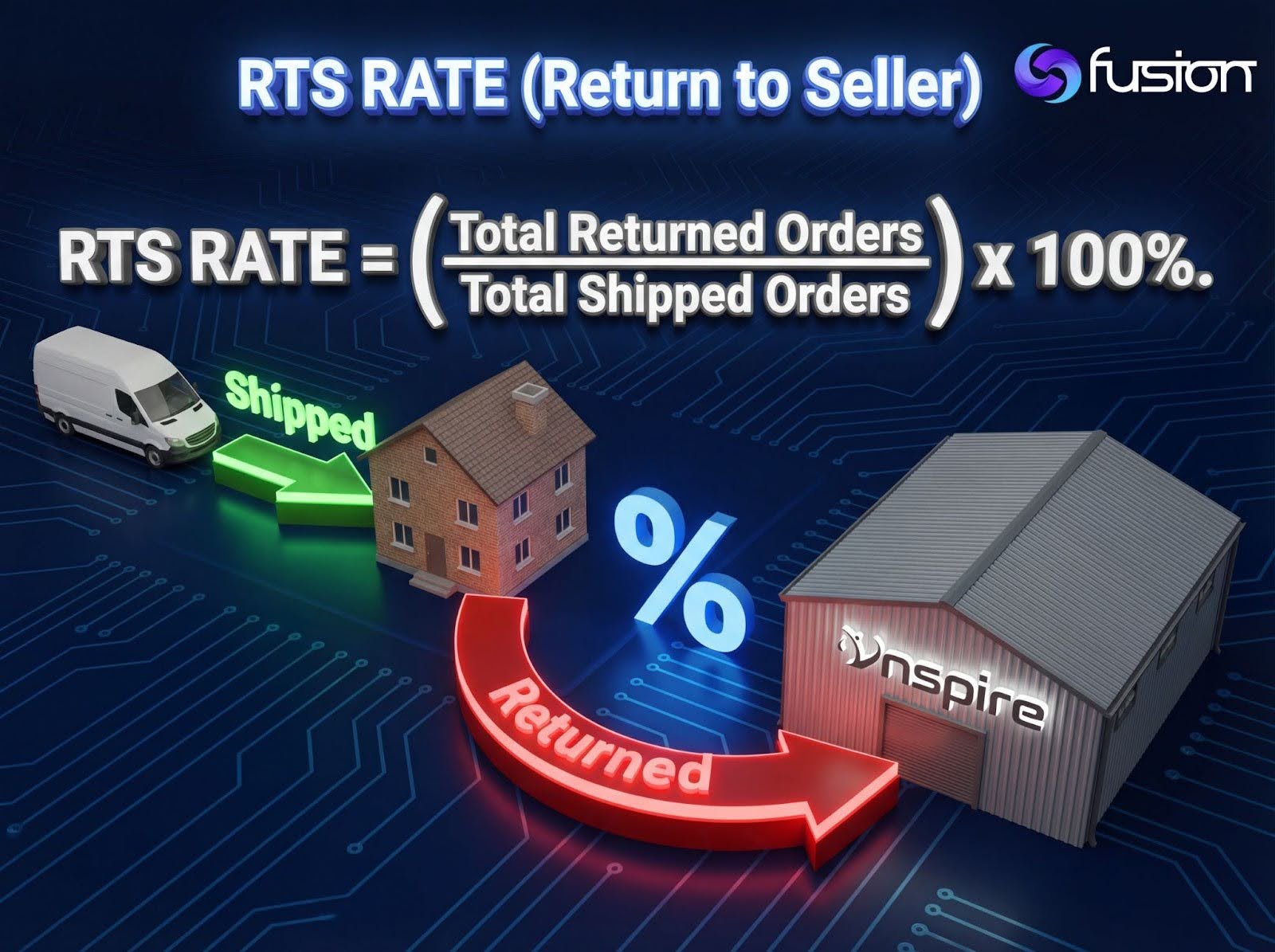
The RTS rate, or Return to Seller rate, refers to the percentage of orders that are returned to the seller after unsuccessful delivery attempts.
A high RTS rate usually indicates inefficiencies in order processing, customer communication, or last-mile delivery execution. It can also signal deeper issues such as inaccurate product listings, poor address validation, or weak courier coordination.
For e-commerce businesses, maintaining a low RTS rate is essential because:
Monitoring the RTS rate regularly helps sellers identify weak points in their fulfillment process.
Failed deliveries are usually the result of multiple operational issues. Understanding these causes is the first step toward effective failed delivery prevention.
One of the most common causes is incorrect or incomplete address information. When customers enter inaccurate details during checkout, couriers struggle to locate the delivery destination, leading to delays or failure.
Another major factor is customer unavailability. If the recipient is not present at the time of delivery, especially for cash on delivery transactions, the parcel is often rescheduled or returned.
COD rejection is also a significant issue. Some customers refuse to accept orders upon arrival due to a change of mind or financial constraints, which increases both the RTS rate and the cancellation rate.
Inefficient last-mile coordination and poor courier communication can also contribute to delivery failures, especially in densely populated or remote areas.
The late shipment rate measures the percentage of orders that are shipped after the promised handling time. While it may not always directly cause failed deliveries, it plays a critical role in the overall delivery success rate.
Late shipments reduce the time available for courier delivery cycles, increasing the likelihood of missed delivery windows and failed attempts.
Several factors contribute to late shipments, including:
A high late shipment rate often signals internal inefficiencies that eventually affect customer satisfaction and increase failed delivery risk.
The cancellation rate refers to the percentage of orders canceled before or during the fulfillment process. While cancellations may seem like a separate issue, they are closely linked to failed delivery performance.
High cancellation rates often indicate:
When cancellations occur after dispatch or during transit, they can increase logistics waste and contribute to RTS-related costs.
Reducing the cancellation rate improves overall order stability and strengthens delivery performance metrics.
Failed deliveries affect multiple areas of an e-commerce operation. The most immediate impact is increased logistics costs due to repeated delivery attempts and return shipping expenses.
They also affect customer trust. When customers experience repeated delivery failures, they are less likely to reorder from the same seller.
Marketplace penalties are another concern. Platforms like Shopee and Lazada use performance metrics such as the RTS rate and late shipment rate to determine seller visibility and eligibility for promotions.
Over time, poor delivery performance can reduce sales volume and limit business scalability.

Effective failed delivery prevention requires a combination of operational improvements, technology, and customer communication strategies.
One of the most effective approaches is improving address validation at checkout. Encouraging customers to double-check their delivery details reduces errors significantly.
Another important strategy is proactive customer communication. Sending SMS or app notifications before delivery helps ensure that customers are available to receive their parcels.
For COD transactions, order confirmation before dispatch can help reduce refusal rates and unnecessary delivery attempts.
Improving warehouse processing speed also plays a key role. Faster order fulfillment ensures that couriers have more time to complete deliveries within standard timeframes.
Finally, working closely with courier partners helps identify delivery bottlenecks and improve last-mile coordination.
Lowering the RTS rate requires improving the entire fulfillment cycle, from order placement to final delivery.
Inventory accuracy is essential. When stock levels are properly synchronized, the risk of overselling or fulfillment delays decreases.
Using automated order management systems also helps reduce errors in processing and ensures smoother coordination between the warehouse and delivery teams.
Regular monitoring of RTS data helps businesses identify patterns, such as specific locations or products with high return rates. This allows sellers to take corrective action quickly.
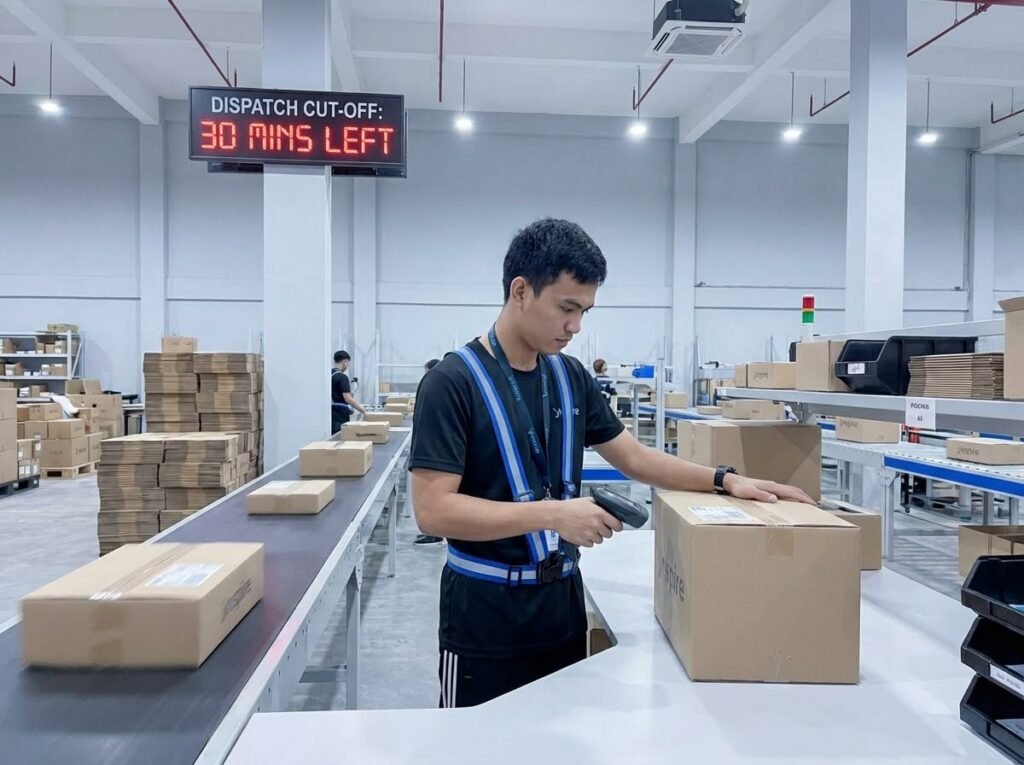
To reduce the late shipment rate, businesses must optimize their warehouse operations and order handling processes.
One effective method is implementing strict cut-off times for order processing. Orders received after a certain time should automatically roll over to the next dispatch cycle to avoid delays.
Another approach is prioritizing high-volume or high-demand orders during peak seasons. This ensures that time-sensitive deliveries are processed first.
Automation also plays a major role in reducing delays. Systems that integrate inventory, order management, and shipping platforms help streamline operations and reduce manual errors.
To minimize cancellation rate, businesses need to ensure product availability and accurate listing information.
Maintaining real-time inventory sync across platforms like Shopee and Lazada prevents overselling and reduces order cancellations.
Clear product descriptions and accurate stock forecasting also help set proper customer expectations.
Customer service responsiveness is equally important. Quick responses to inquiries can prevent customers from canceling orders due to uncertainty or delays.
Technology plays a major role in improving e-commerce logistics performance. Modern order management systems provide real-time visibility into orders, inventory, and delivery status.
Automation tools help reduce human error and improve processing speed. This directly impacts the late shipment rate and the RTS rate.
Analytics dashboards also allow businesses to track performance metrics such as cancellation rate and delivery success rate. These insights help identify inefficiencies and guide operational improvements.
Metrics such as RTS rate, late shipment rate, and cancellation rate are not just operational indicators. They directly affect customer experience and business growth.
Strong performance in these areas improves seller ratings, increases platform visibility, and builds customer trust.
In competitive e-commerce markets, delivery efficiency often becomes a deciding factor for repeat purchases and long-term success.
Effective failed delivery prevention is essential for maintaining strong e-commerce performance in the Philippines. By managing key metrics such as RTS rate, late shipment rate, and cancellation rate, businesses can significantly improve operational efficiency and customer satisfaction.
Reducing delivery failures is not just about logistics execution. It requires a combination of accurate inventory management, strong warehouse operations, reliable courier coordination, and effective customer communication.
In today’s competitive digital marketplace, sellers who optimize their delivery performance will always have a stronger advantage in building trust, increasing sales, and achieving long-term growth.
Inspire E-Commerce Solutions Inc.
Warehouse 4 & 5, C Teknik Industrial, 143 P. Gregorio Street, Valenzuela,
1442 Metro Manila
inspiresolutions.asia