In modern e-commerce operations, speed and accuracy are not enough to guarantee success. Online sellers must also be prepared to handle unexpected disruptions that occur during order processing, fulfillment, and delivery. These disruptions are known as exceptions, and the way businesses manage them is called exception handling.
As e-commerce continues to grow in the Philippines, especially on platforms like Shopee and Lazada, businesses face increasing complexity in managing orders across multiple channels, warehouses, and courier partners. Without a structured system for handling exceptions, even small issues can escalate into delayed shipments, failed deliveries, customer dissatisfaction, and revenue loss.
This is where exception handling in e-commerce order management systems becomes essential. It ensures that operational problems are detected early, managed efficiently, and resolved before they affect the customer experience.
This article explores how exception handling works, why it matters, and how businesses can improve it using automation, dashboards, and smarter operational workflows.
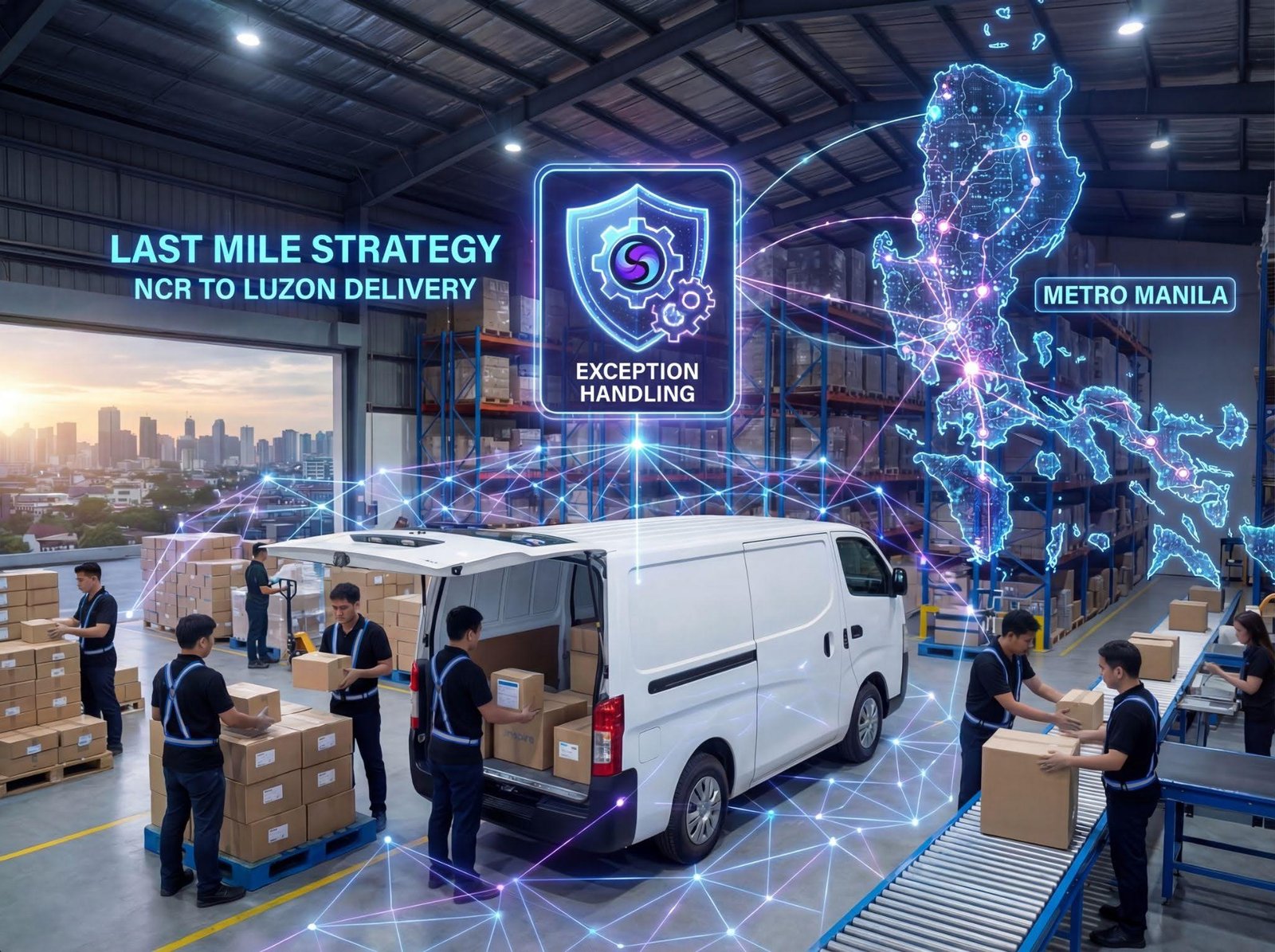
Exception handling refers to the process of identifying, managing, and resolving issues that occur outside normal order workflows. In an ideal system, orders move smoothly from placement to fulfillment to delivery. However, real-world operations are rarely perfect.
Exceptions can occur at any stage of the order lifecycle. These may include inventory shortages, payment verification issues, courier delays, system mismatches, or incorrect shipping details.
In an order management system ecommerce environment, exception handling ensures that these disruptions are not ignored. Instead, they are flagged, tracked, and resolved through structured workflows.
A strong exception handling system helps businesses maintain operational stability even during peak seasons such as 11.11 and 12.12 when order volumes spike significantly.
Understanding the types of exceptions is the first step toward building an effective handling system. In most e-commerce operations, exceptions fall into several categories.
One of the most common is inventory-related exceptions. These occur when stock levels in the system do not match actual warehouse availability. This often leads to overselling or delayed fulfillment.
Another frequent issue is payment exceptions. These happen when transactions fail verification or when cash on delivery orders are rejected upon delivery.
Shipping exceptions are also common. These include incorrect addresses, courier delays, or failed pickup attempts that disrupt the delivery timeline.
System-related exceptions can also occur when platforms fail to sync properly, especially in multi-channel environments like Shopee and Lazada.
Each of these exceptions requires a different resolution approach, which is why automation and structured workflows are essential.
An order management system ecommerce platform plays a central role in managing exceptions. It acts as the control center where all order data is processed, monitored, and updated in real time.
When an exception occurs, the system automatically flags the issue and assigns it for resolution. This reduces manual tracking and ensures faster response times.
For example, if an item is out of stock, the system can automatically stop fulfillment and notify the operations team. If a courier delay occurs, the system can update the customer with revised delivery timelines.
Modern OMS platforms also integrate with warehouses, payment gateways, and courier systems, allowing businesses to maintain full visibility across the entire order lifecycle.
Without an OMS, exception handling becomes fragmented, manual, and prone to errors.
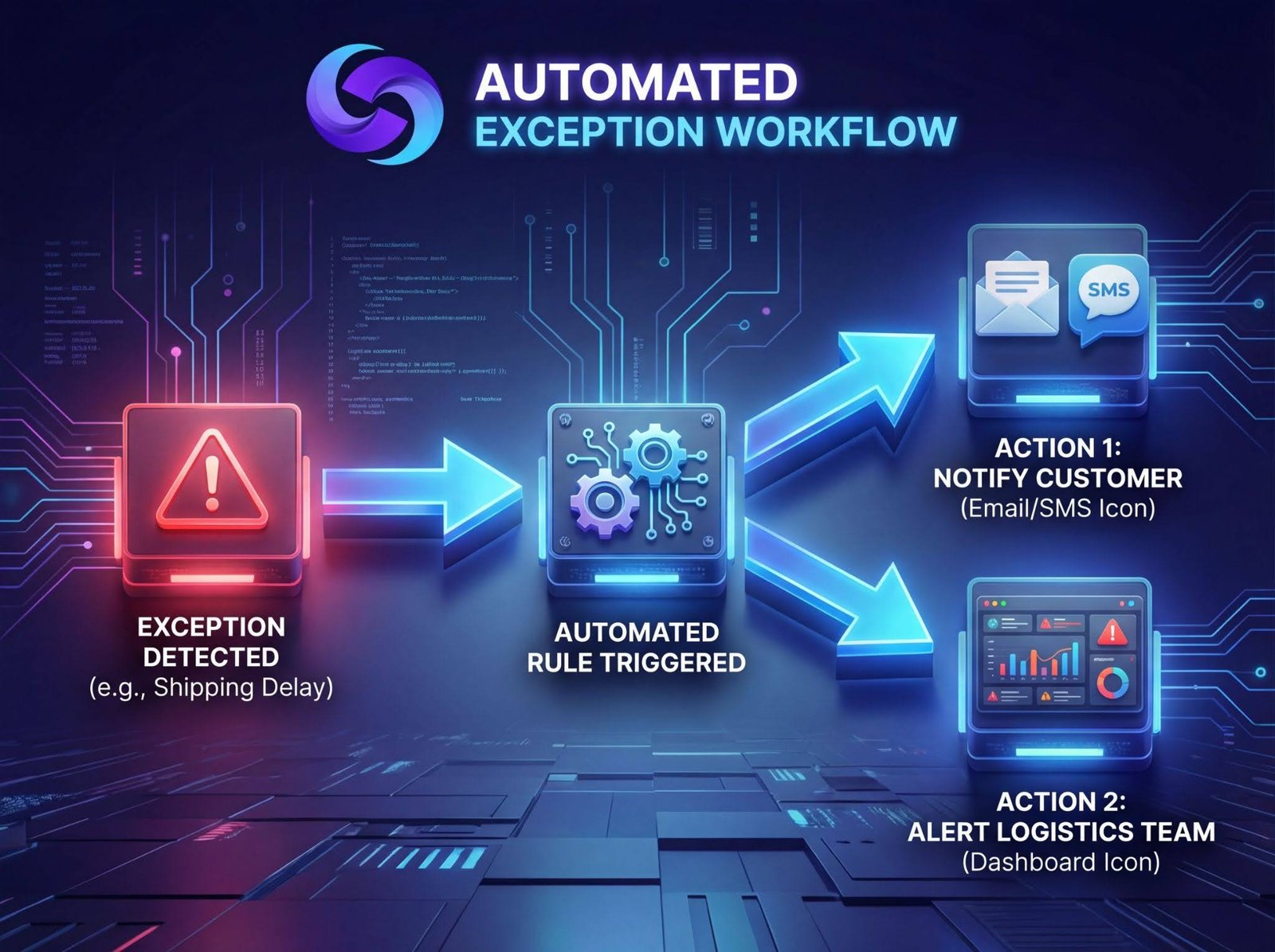
Workflow automation is one of the most powerful tools in improving exception handling. Instead of relying on manual intervention for every issue, automation ensures that predefined rules handle common exceptions instantly.
For instance, if an order is flagged as delayed, the system can automatically trigger a notification to the customer and assign a support ticket to the logistics team.
If inventory levels fall below a certain threshold, automation can pause listings on Shopee and Lazada to prevent overselling.
Automation reduces human error, speeds up resolution time, and improves consistency across operations. It also allows teams to focus on more complex issues that require human decision-making.
In high-volume e-commerce environments, workflow automation is no longer optional. It is a necessity for scalability.

A logistics dashboard KPIs system is essential for tracking performance and identifying exceptions early. It provides real-time visibility into operational metrics such as delivery success rate, shipment delays, and fulfillment speed.
When properly implemented, dashboards allow businesses to detect problems before they escalate. For example, a sudden increase in late shipments may indicate warehouse congestion or courier issues.
Key metrics that support exception handling include:
By monitoring these KPIs, businesses can proactively identify weak points in their fulfillment process and take corrective action.
Dashboards also help management teams make data-driven decisions instead of relying on assumptions.
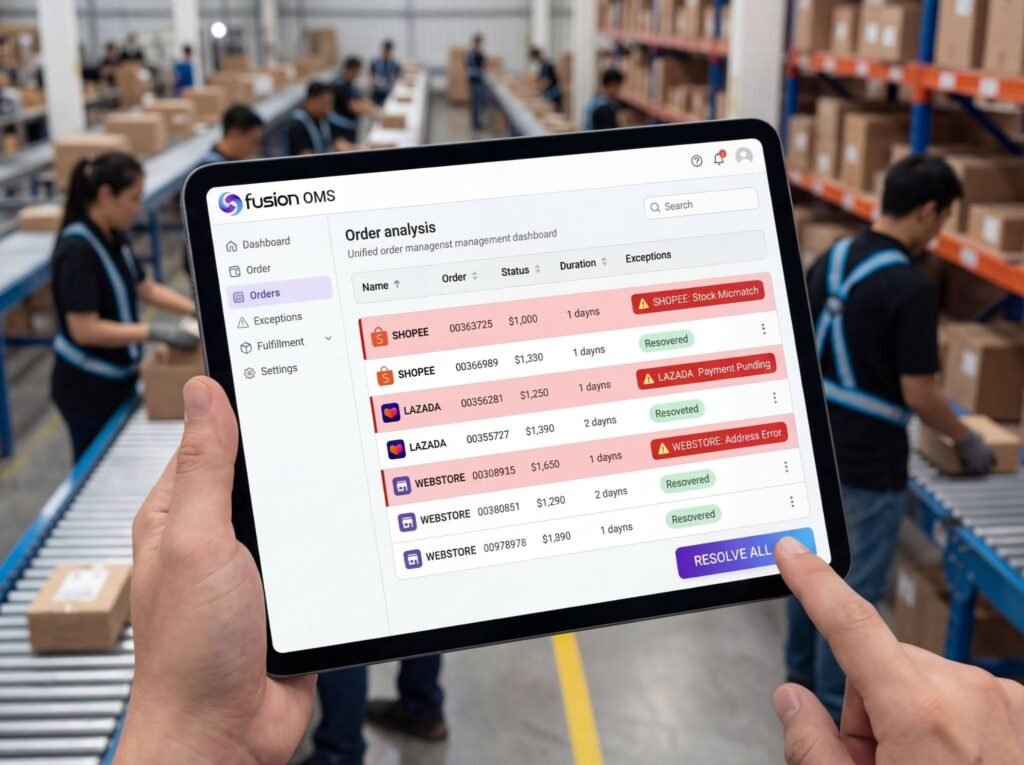
In marketplaces like Shopee and Lazada, exception handling becomes even more critical due to strict performance requirements.
Sellers are required to maintain high fulfillment standards, including fast dispatch times and low cancellation rates. Failure to manage exceptions effectively can result in penalties, reduced visibility, or lower search rankings.
For example, if an order is not shipped within the required timeframe, it may automatically be marked as late, affecting seller performance metrics.
Similarly, unresolved inventory mismatches can lead to overselling, which increases cancellation rates and negatively impacts customer trust.
Effective exception handling ensures that sellers remain compliant with marketplace standards while maintaining operational efficiency.
Despite its importance, many e-commerce businesses struggle with exception handling due to several challenges.
One major challenge is the lack of system integration. When inventory, orders, and courier systems are not connected, exceptions are harder to track and resolve.
Another issue is delayed detection. Without real-time monitoring, problems are often identified too late, leading to failed deliveries or customer complaints.
Manual processes also contribute to inefficiency. When teams rely on spreadsheets or manual updates, errors become more frequent and resolution times increase.
High order volume during peak seasons further complicates exception handling, making automation and system integration even more important.
To build a strong exception handling system, businesses must adopt a combination of technology, process optimization, and team coordination.
One of the most effective practices is centralizing all order data through a unified OMS. This ensures that all exceptions are visible in one system.
Another best practice is implementing real-time alerts. This allows teams to respond immediately when an issue arises.
Standard operating procedures should also be created for different types of exceptions. This ensures consistency in resolution across teams.
Regular monitoring of logistics KPIs helps identify recurring issues and improve long-term performance.
Finally, integrating workflow automation reduces manual workload and ensures faster response times.
Data plays a critical role in improving exception handling. By analyzing historical order data, businesses can identify patterns in delivery failures, cancellations, and delays.
For example, if a specific courier consistently causes delays, businesses can adjust their logistics strategy accordingly.
Analytics also help forecast peak periods where exceptions are more likely to occur. This allows businesses to prepare additional resources in advance.
Over time, data-driven exception handling leads to more efficient operations and better customer satisfaction.
Effective exception handling is not just an operational necessity. It is a key driver of business growth.
When exceptions are managed properly, customers receive faster and more reliable service. This increases trust and encourages repeat purchases.
It also improves seller performance metrics on platforms like Shopee and Lazada, leading to better visibility and higher sales potential.
Internally, it reduces operational costs by minimizing failed deliveries, returns, and customer service workload.
In competitive e-commerce markets, businesses that master exception handling gain a significant advantage over those that rely on reactive processes.
Exception handling in e-commerce order management systems is a critical component of modern digital commerce operations. As order volumes increase and customer expectations rise, businesses must be able to detect and resolve disruptions quickly and efficiently.
By leveraging order management system ecommerce platforms, implementing workflow automation, and monitoring logistics dashboard KPIs, companies can significantly improve their operational resilience.
Strong exception handling ensures that small issues do not become major problems. It enhances delivery performance, reduces operational risks, and supports long-term business growth.
In today’s fast-moving e-commerce environment, the ability to manage exceptions effectively is no longer a competitive advantage. It is a requirement for survival and success.
Inspire E-Commerce Solutions Inc.
Warehouse 4 & 5, C Teknik Industrial, 143 P. Gregorio Street, Valenzuela,
1442 Metro Manila
inspiresolutions.asia