
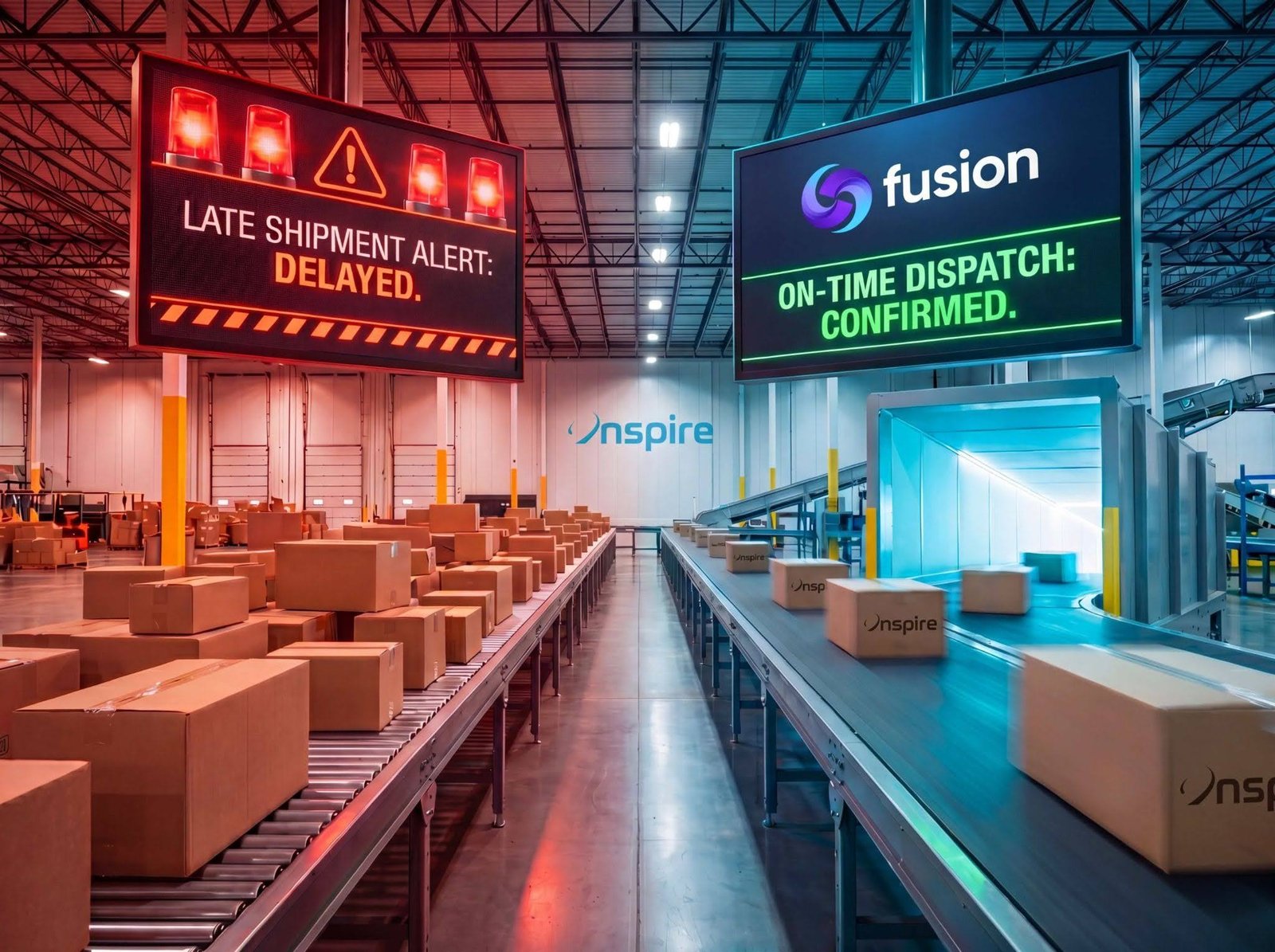
In today’s fast-paced digital marketplace, speed and reliability are no longer optional for e-commerce businesses. Customers expect their orders to be processed and shipped quickly, especially when buying from platforms like Shopee and Lazada. One of the most critical metrics that reflects a seller’s ability to meet these expectations is the late shipment rate.
Late shipment rate measures how often orders are dispatched beyond the promised handling time. While it may seem like a small operational delay, it can have a significant impact on customer satisfaction, platform rankings, and overall business performance.
For e-commerce sellers in the Philippines, managing late shipment rate is essential for staying competitive. This article explores what late shipment rate is, why it matters, and how businesses can improve dispatch performance, enhance order visibility, and reduce cancellation rate to build a more efficient fulfillment process.
The late shipment rate refers to the percentage of orders that are not shipped within the expected processing timeframe set by the platform or the seller. Marketplaces like Shopee and Lazada use this metric to evaluate seller performance and ensure a consistent customer experience.
Each order comes with a defined handling time. If the seller fails to prepare and hand over the order to the courier within this period, the order is marked as a late shipment. Over time, consistently missing these deadlines can negatively impact store ratings and visibility.
This metric is not just about speed. It reflects the efficiency of the seller’s internal operations, including inventory management, warehouse processes, and logistics coordination.
Late shipment rate plays a major role in shaping customer experience. When orders are delayed, customers may become frustrated, leading to complaints, negative reviews, or order cancellations.
A high late shipment rate also affects how marketplaces rank sellers. Platforms prioritize sellers who consistently meet delivery timelines. If a store has a high rate of delayed shipments, its products may appear lower in search results, reducing visibility and sales opportunities.
From a financial perspective, delays can lead to a higher cancellation rate, which results in lost revenue and wasted operational effort. It can also increase the risk of failed deliveries and returns.
Ultimately, late shipment rate is a key performance indicator that directly impacts growth, profitability, and brand reputation.
Understanding the root causes of late shipment rate is essential for improving performance.
One of the most common causes is poor inventory management. When stock levels are inaccurate, sellers may accept orders for items that are not readily available, leading to delays in fulfillment.
Another major factor is inefficient warehouse operations. Slow picking, packing, and staging processes can significantly increase order processing time, especially during peak periods.
Courier coordination issues also contribute to late shipments. Missing pick-up schedules or failing to align with cut-off times can delay dispatch.
Manual workflows further increase the risk of delays. Without automation, order processing becomes slower and more prone to errors.
High order volume during sales events like 11.11 and 12.12 can also overwhelm operations if businesses are not properly prepared.
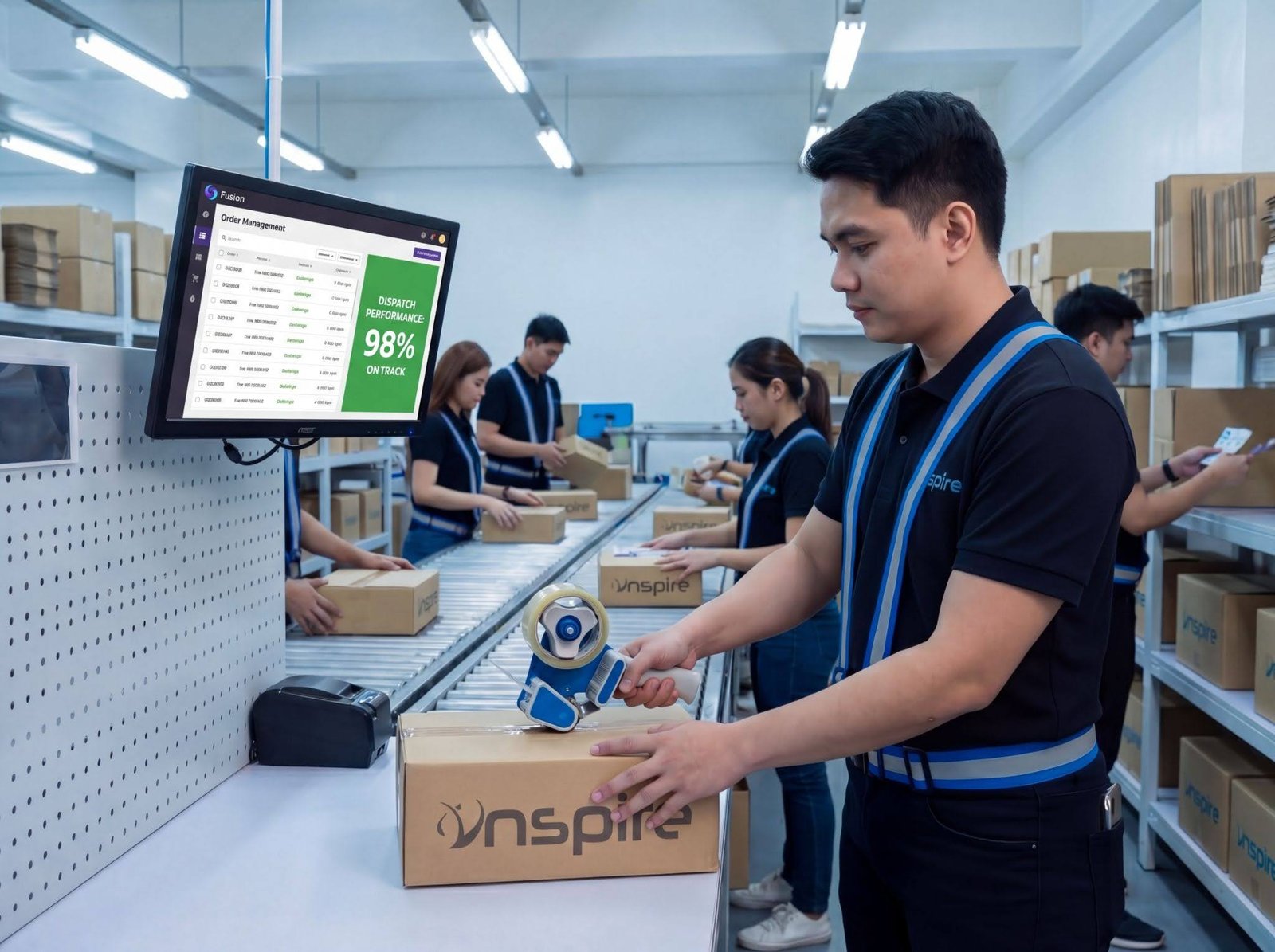
Dispatch performance refers to how efficiently orders are prepared and handed over to courier partners. It is one of the most important factors affecting late shipment rate.
Strong dispatch performance ensures that orders are processed quickly and meet required deadlines. This involves optimizing warehouse layout, improving workflow efficiency, and aligning operations with courier schedules.
Businesses can improve dispatch performance by:
When dispatch performance improves, late shipment rate naturally decreases.

Order visibility is a critical component of efficient e-commerce operations. It provides real-time tracking of orders from placement to dispatch.
With better order visibility, businesses can identify delays early and take corrective action before orders become late. This allows teams to prioritize urgent orders and manage workload more effectively.
Order visibility also improves communication between teams, ensuring that warehouse, customer service, and logistics departments are aligned.
In addition, it enhances customer experience by providing accurate updates on order status. Customers are more likely to remain patient when they are informed about their order progress.

Late shipment rate is closely linked to cancellation rate. When orders are delayed, customers may cancel their purchases, especially if they need the product urgently.
High cancellation rates not only reduce revenue but also increase operational inefficiencies. Orders that are canceled after processing waste time, labor, and resources.
Repeated delays can also damage customer trust, making it less likely for customers to reorder from the same seller.
By reducing late shipment rate, businesses can significantly lower the cancellation rate and improve overall customer satisfaction.
Improving late shipment rate requires a combination of operational improvements and technology adoption.
One effective strategy is optimizing warehouse layout. Placing fast-moving products closer to packing stations reduces picking time and speeds up order processing.
Automation also plays a key role. Implementing systems for order management, inventory tracking, and barcode scanning reduces manual work and improves accuracy.
Aligning operations with courier schedules is another important factor. Understanding cut-off times and planning dispatch accordingly ensures that orders are handed over on time.
Staff training is equally important. Well-trained employees can handle orders more efficiently and maintain consistency even during peak periods.
Finally, monitoring performance metrics helps identify areas for improvement and ensures continuous optimization.
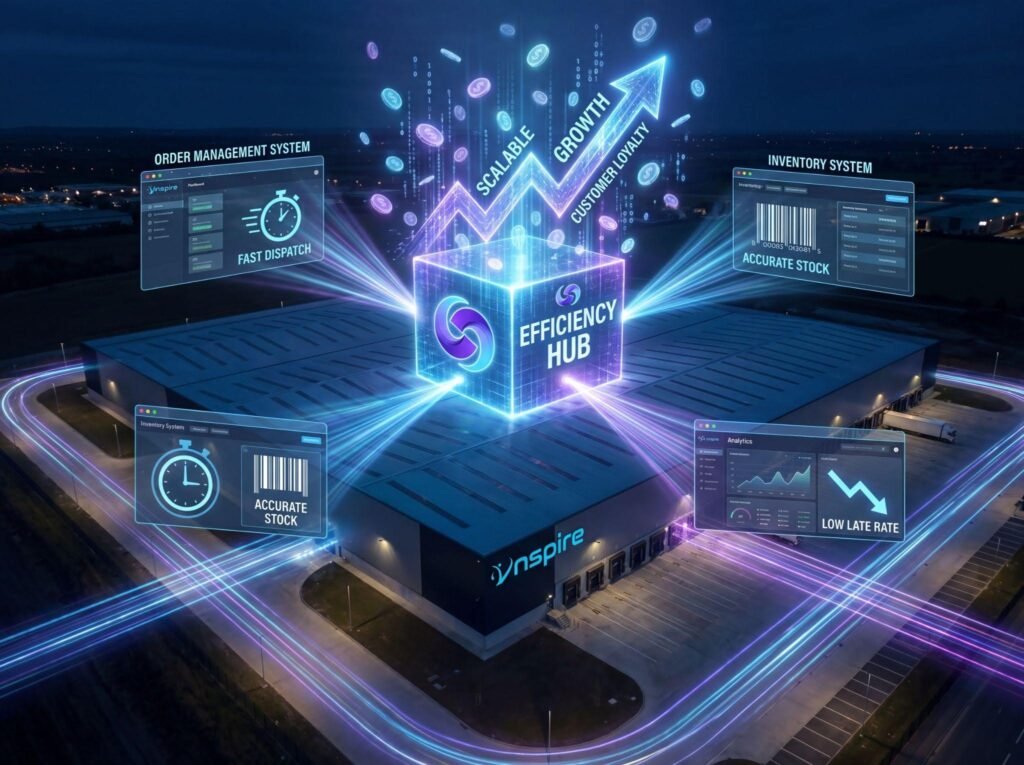
Technology is a key enabler in reducing late shipment rate. Modern e-commerce systems integrate multiple functions into a single platform, allowing businesses to manage operations more effectively.
Order management systems provide real-time updates on order status, helping teams track progress and prioritize tasks.
Inventory systems ensure accurate stock levels, reducing the risk of delays caused by stockouts.
Automation tools streamline workflows, reducing processing time and improving efficiency.
Analytics dashboards provide insights into key metrics, allowing businesses to make data-driven decisions and continuously improve performance.
Peak seasons present both opportunities and challenges for e-commerce businesses. While order volumes increase significantly, so does the risk of late shipments.
To prepare for peak periods, businesses should:
Planning ahead ensures that operations remain efficient even during high-demand events.
Reducing late shipment rate provides long-term benefits for e-commerce businesses.
It improves customer satisfaction, leading to higher retention and repeat purchases. It also enhances marketplace performance, increasing visibility and sales opportunities.
Operational efficiency improves as processes become more streamlined and predictable. This reduces costs and increases profitability.
In the long run, businesses that maintain low late shipment rates are better positioned to scale and compete in the growing e-commerce market.
The late shipment rate is one of the most important metrics in e-commerce operations. It reflects how efficiently a business processes and dispatches orders, directly impacting customer satisfaction and business performance.
By improving dispatch performance, enhancing order visibility, and reducing cancellation rate, businesses can build a more reliable and efficient fulfillment system.
In a competitive e-commerce landscape, the ability to deliver orders on time is a key differentiator. Sellers who prioritize speed, accuracy, and operational efficiency will always have an advantage in achieving sustainable growth.
Inspire E-Commerce Solutions Inc.
Warehouse 4 & 5, C Teknik Industrial, 143 P. Gregorio Street, Valenzuela,
1442 Metro Manila
inspiresolutions.asia