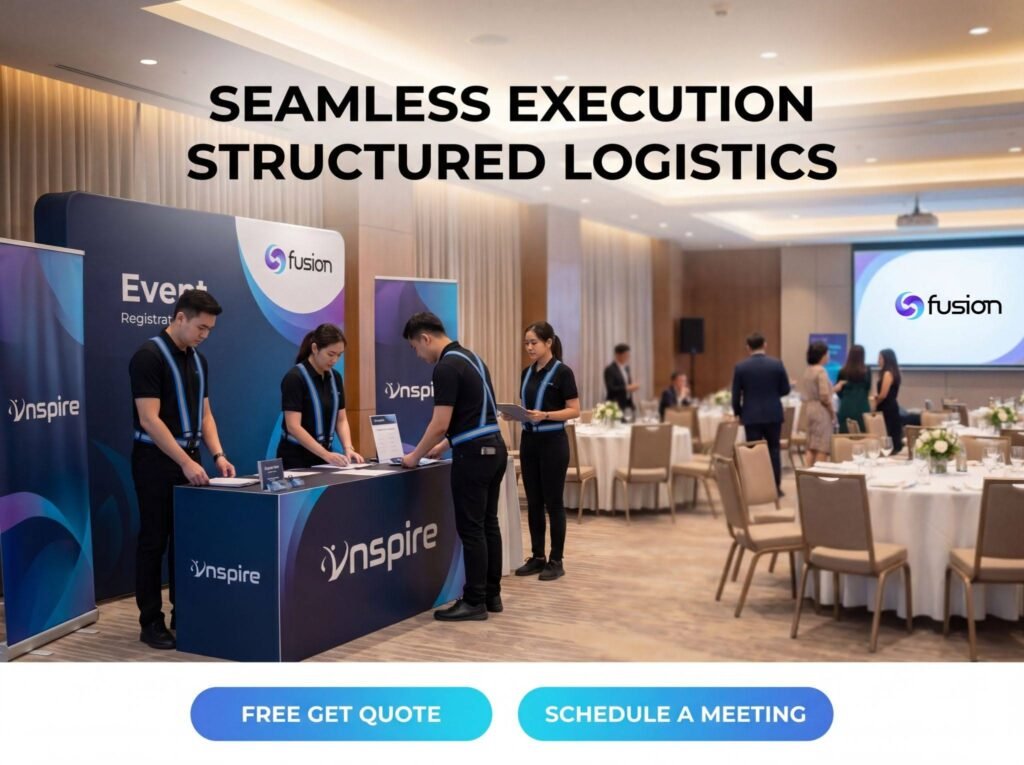
Event execution is not only about creativity and presentation. Behind every successful event is a structured logistics system that ensures everything arrives, functions, and operates on time. From equipment delivery to setup coordination, logistics determines whether an event runs smoothly or experiences costly disruptions.
This is where an event planning logistics checklist becomes essential. It provides a structured guide for managing preparation, coordination, and execution in a way that reduces errors and improves efficiency.
In professional event operations, especially for corporate functions, activations, and large-scale gatherings, logistics is the backbone that holds everything together. Without proper planning, delays in setup, missing items, or poor timing can negatively impact the entire experience.
This article breaks down the essential logistics checklist used in event execution, focusing on inventory handling, timing control, dispatch coordination, and operational readiness.
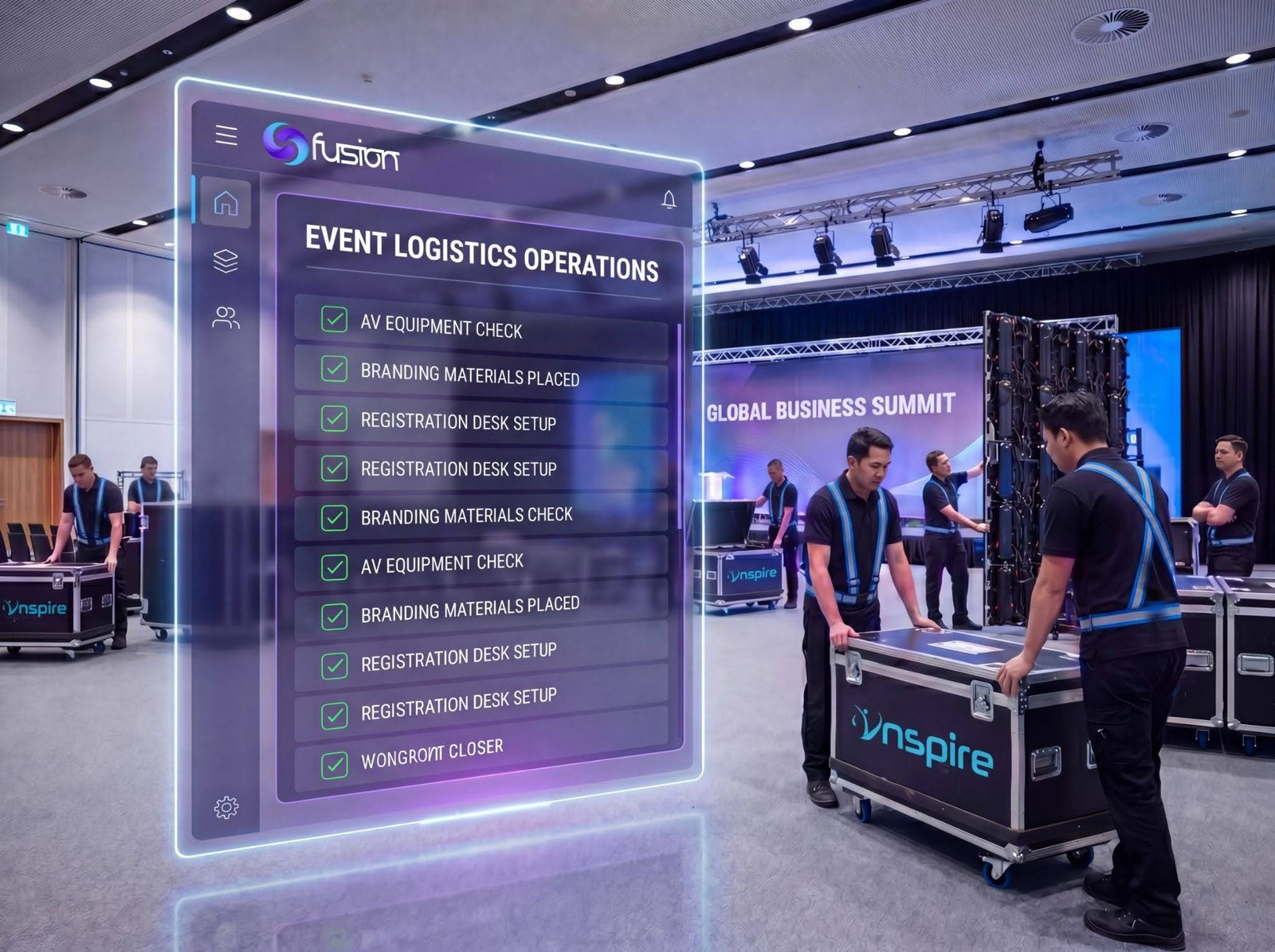
An event logistics checklist ensures that every operational detail is accounted for before, during, and after an event. It reduces the risk of miscommunication, missing equipment, and delayed setup.
Key benefits include:
Without a checklist, event teams often rely on memory or informal coordination, which increases the risk of failure.
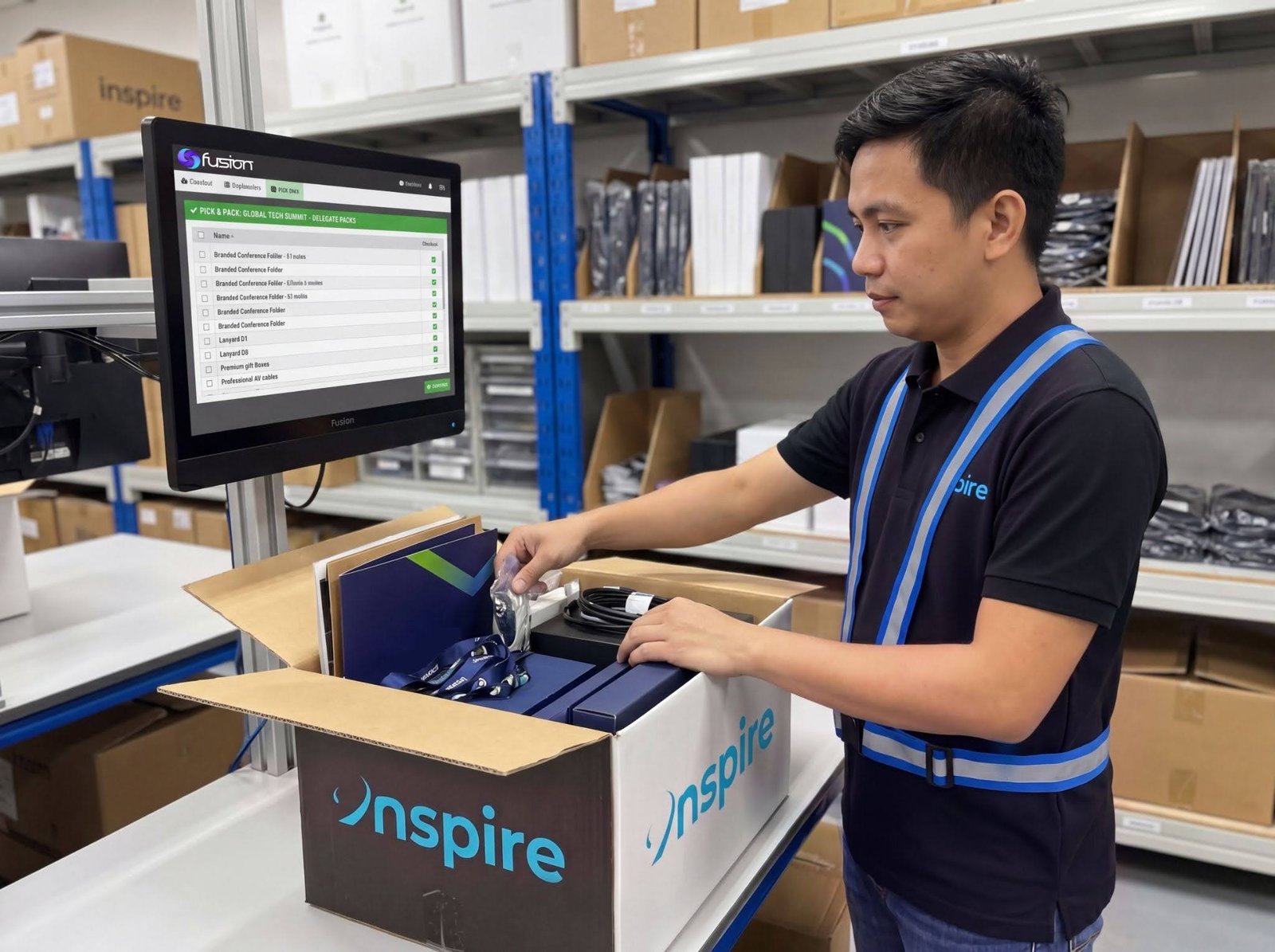
One of the most critical parts of event logistics is preparing and organizing materials before dispatch. This is where the pick pack process becomes important.
The pick pack stage involves:
For large-scale events, missing even a single item can disrupt the entire setup. Proper pick pack execution ensures that all materials are complete and organized before dispatch.
This step also helps reduce last-minute stress and improves on-site efficiency.
Timing is one of the most critical factors in event logistics. Cut-off times define the deadline by which all preparations must be completed before dispatch or setup begins.
Cut-off time management ensures:
Ignoring cut-off times often leads to rushed preparation, incomplete setups, and increased operational risks.
A well-defined timeline helps ensure that all logistics activities stay on track.
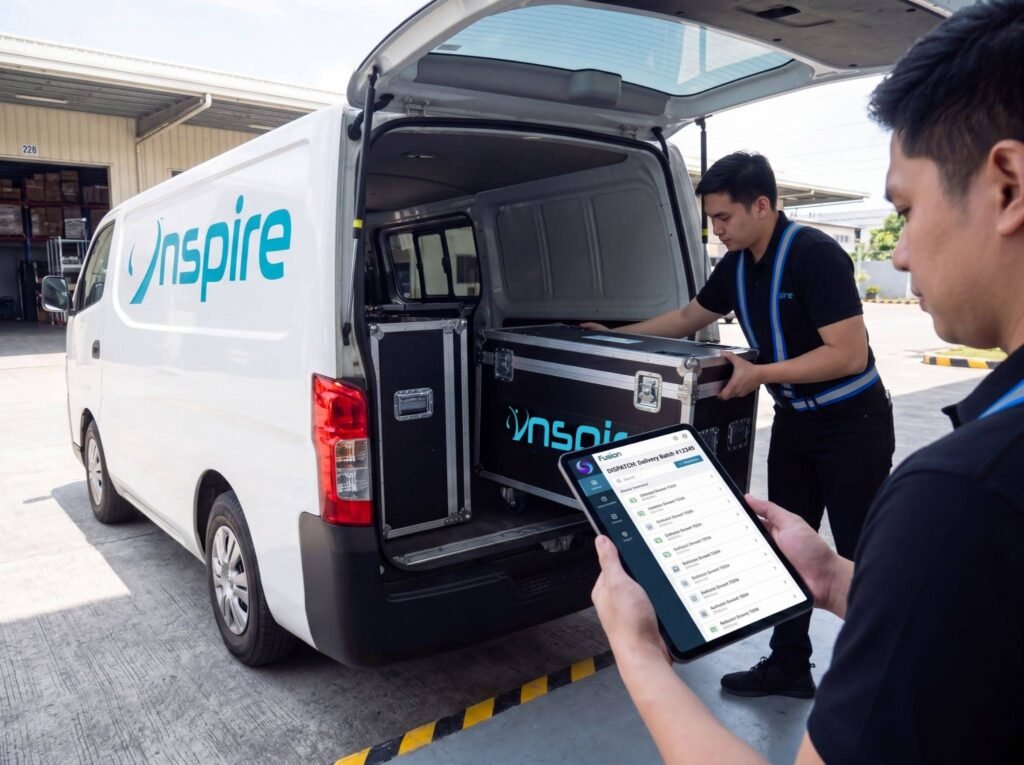
Once preparation is complete, the next critical stage is transportation. Dispatch performance refers to how efficiently materials and equipment are moved from storage to the event location.
Strong dispatch performance depends on:
Delays in dispatch can directly impact event setup schedules, especially for time-sensitive corporate events or live activations.
Efficient dispatch ensures that everything arrives on time and in good condition.
After dispatch, the focus shifts to on-site execution. This stage involves coordinating deliveries, setting up equipment, and ensuring all materials are placed correctly.
Key activities include:
Strong communication between logistics teams and event organizers is essential during this stage to avoid confusion and delays.
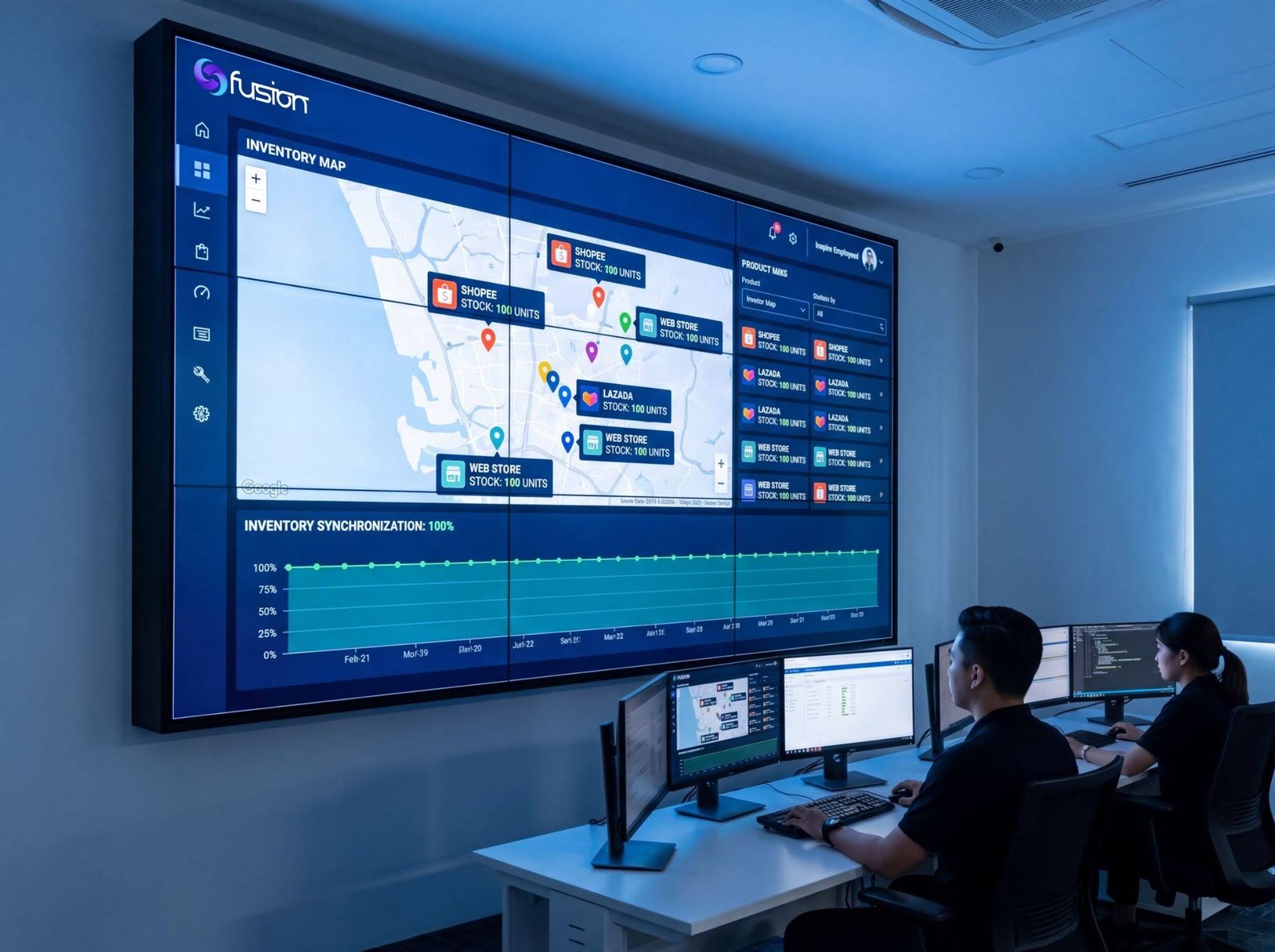
Modern event logistics increasingly rely on real-time coordination tools to ensure smooth execution. Visibility across all stages allows teams to track progress and respond quickly to issues.
This includes:
Without visibility, teams may only discover problems after they have already impacted the event.
Event logistics do not end when the event finishes. Post-event operations are equally important for asset recovery and efficiency.
This includes:
A structured breakdown process ensures that assets are accounted for and reusable for future events.
Even with proper planning, event logistics can face several challenges:
Most of these issues occur due to a lack of structure or poor execution of the logistics checklist.
To improve efficiency, businesses should focus on:
When these elements are aligned, event execution becomes more predictable and efficient.
A well-structured event planning logistics checklist is essential for ensuring smooth and successful event execution. It brings structure to preparation, coordination, and delivery, reducing the risk of operational failures.
By focusing on pick pack, and accuracy, cut-off time management, and dispatch performance, event teams can significantly improve efficiency and reliability.
In today’s fast-paced event environment, strong logistics planning is not optional. It is the foundation of successful execution and professional delivery.
Inspire E-Commerce Solutions Inc.
Warehouse 4 & 5, C Teknik Industrial, 143 P. Gregorio Street, Valenzuela,
1442 Metro Manila
inspiresolutions.asia