Why COD Reconciliation Matters for E-Commerce
Cash on delivery has grown in popularity across Philippine e-commerce platforms, including Shopee, Lazada, TikTok Shop, and direct web stores. COD enables customers to pay only upon receiving their order, which can increase conversion rates and trust. However, COD introduces operational complexities that require careful reconciliation:
- Delayed cash flow: Unlike prepaid orders, funds are not immediately available, making financial planning difficult.
- Payment errors: Manual tracking or poor integration with OMS and WMS can lead to misreported collections.
- Failed COD deliveries: Orders that cannot be delivered on time or are refused by the customer result in additional handling costs and lost revenue.
A robust COD reconciliation process transforms these challenges into predictable operations. By integrating COD data with inventory, orders, and financial systems, businesses can ensure cash is collected accurately, minimize failed COD deliveries, and COD remittance is handled efficiently.
Common COD Problems and Operational Impact
- Delayed Collections: Stock may be available and orders ready to ship, but delays in collecting payment reduce working capital.
- Inaccurate Reporting: Without automated reconciliation, COD payments may be logged incorrectly, causing discrepancies in revenue and accounting.
- Failed COD Deliveries: Customers refusing delivery or packages returned to the warehouse create an additional operational burden.
- Missed Remittances: Delays in sending collected cash to headquarters or banks impact cash flow and financial planning.
Each of these problems highlights the need for a structured COD reconciliation process. When integrated with order management systems, e-commerce, warehouses, and delivery teams, the impact of these problems is minimized, and operational efficiency improves.
How COD Reconciliation Works
- Integrating COD with OMS and WMS
Connecting COD orders to an order management system allows all incoming orders to be tracked from placement to delivery. When combined with a warehouse management system in the Philippines, the OMS can confirm stock allocation, track deliveries, and verify that COD remittance is processed as scheduled.
- Payment Verification
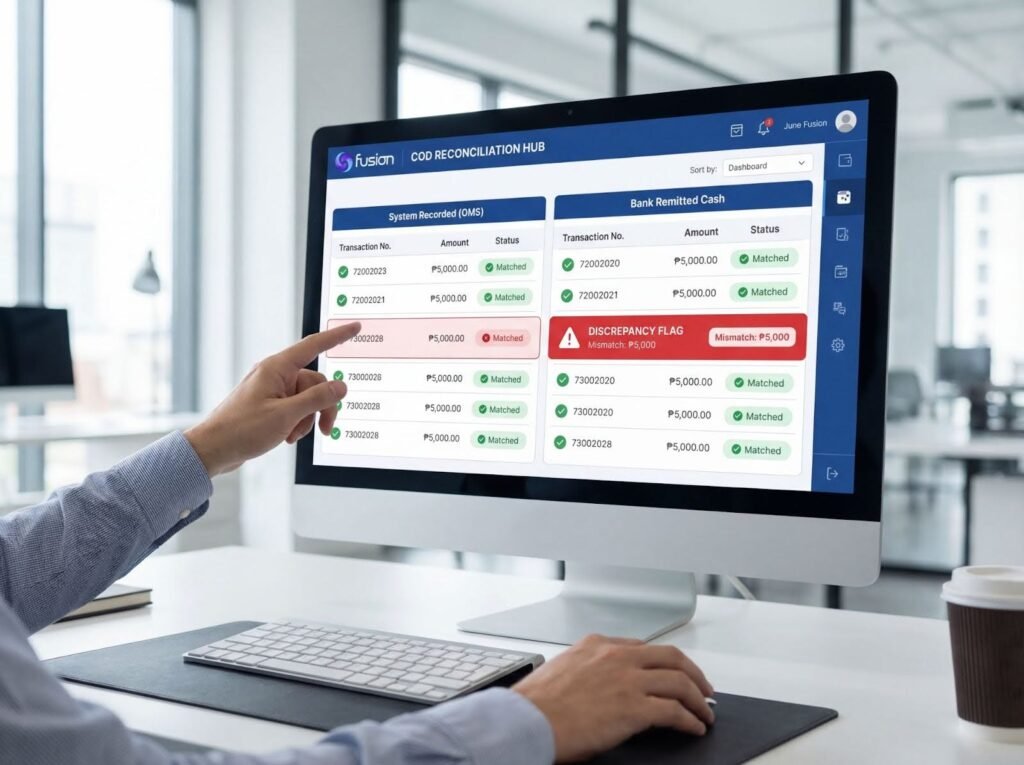
Every COD payment should be recorded at the point of delivery. This data is then matched with the order records to ensure consistency. Any mismatches, such as missing cash or partial payments, are flagged for investigation.
- Handling Failed COD Deliveries
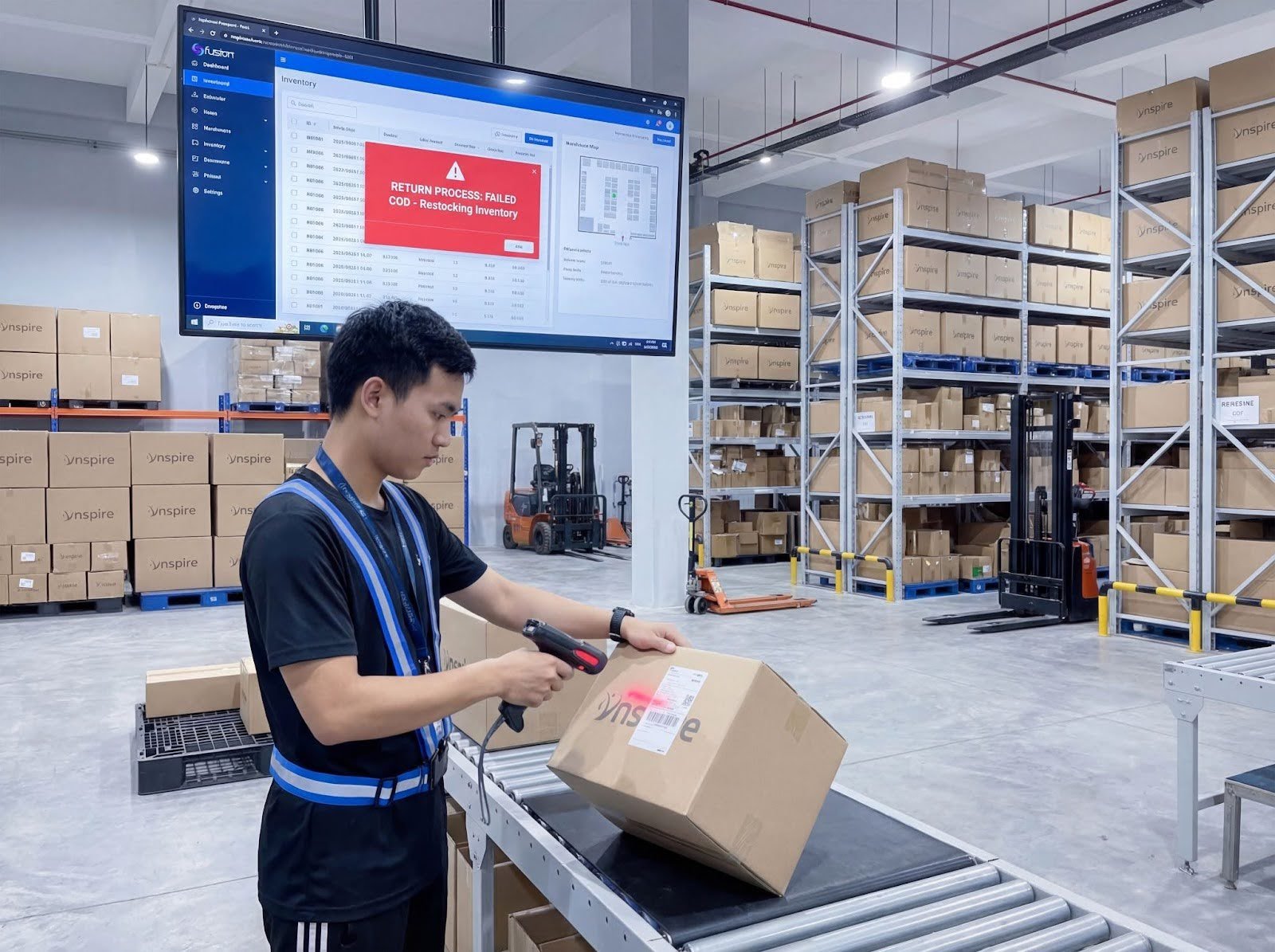
Failed COD deliveries occur when customers refuse packages or when items are returned. A clear workflow ensures that these orders are returned to inventory, exceptions are logged, and the accounting team adjusts financial records. Properly managing failed deliveries reduces revenue leakage and prevents operational bottlenecks.
- Remittance Process
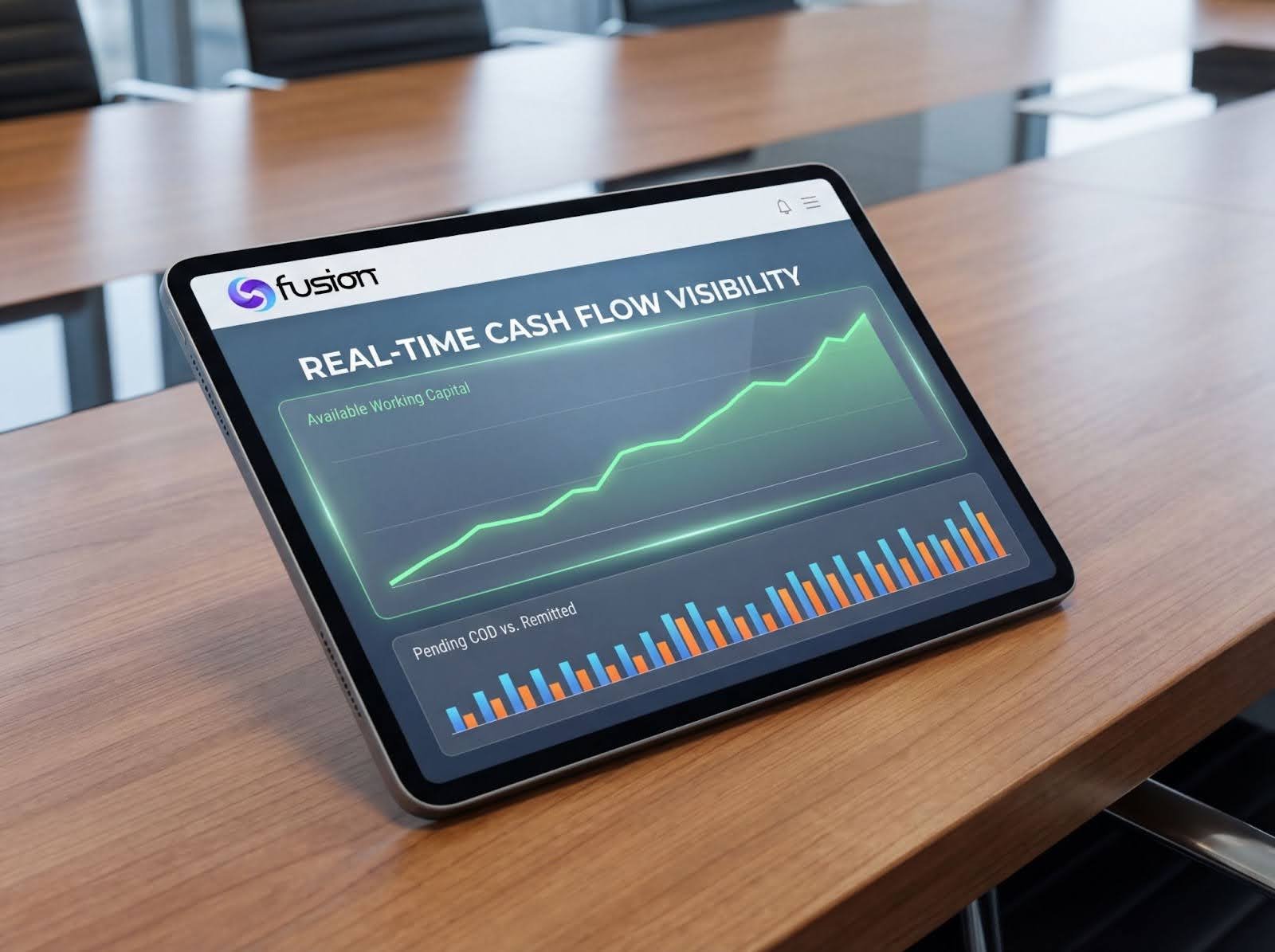
Collected COD cash must be remitted according to predefined schedules, whether to the company headquarters, banks, or payment processors. Automating the COD remittance process ensures timely deposits, reduces human error, and keeps cash flow predictable.
Best Practices for COD Management
- Automated COD Tracking: Use software to capture payments at delivery and sync with the OMS.
- Regular Reconciliation: Verify cash collected against delivered orders daily to detect discrepancies early.
- Exception Handling: Flag failed COD deliveries and returned packages for immediate resolution.
- Remittance Scheduling: Establish regular intervals for cash remittance to reduce delays in cash availability.
- Integration with Financial Systems: Link COD data with ERP systems to maintain accurate accounting records.
KPIs to Monitor COD Performance
- Collection Rate: Percentage of successfully collected COD payments against total COD orders.
- Failed COD Rate: Percentage of COD orders that could not be delivered or paid.
- Remittance Timeliness: Average time taken to remit collected cash to the company’s accounts.
- Cash Conversion Cycle: Time between cash collection and availability for operational use.
- Operational Accuracy: Accuracy of recorded payments versus actual cash collected.
Technology Solutions to Streamline COD Reconciliation
- Order Management System Dashboards: Centralize COD collections, failed COD delivery, and remittance tracking.
- Warehouse Management Integration: Ensures inventory is updated in real time when COD orders fail or return.
- Mobile Scanning and Payment Capture: Allows delivery personnel to record COD payments at the point of delivery accurately.
- ERP Integration: Links COD collections with financial records for automatic reconciliation and reporting.
- Automated Alerts: Notify teams of delayed collections, failed deliveries, or discrepancies for immediate action.
Operational Playbook for E-Commerce Growth
- Forecast COD Demand: Estimate volumes for Shopee, Lazada, and direct store orders.
- Digitize Payment Logging: Use mobile or OMS tools to capture payments instantly.
- Integrate Systems: Connect OMS, WMS, ERP, and COD processes for seamless operations.
- Monitor KPIs: Track collection rates, failed COD deliveries, and remittance times daily.
- Continuous Improvement: Review COD processes quarterly to identify gaps and improve cash flow efficiency.
Benefits of COD Reconciliation
- Forecast COD Demand: Estimate volumes for Shopee, Lazada, and direct store orders.
- Digitize Payment Logging: Use mobile or OMS tools to capture payments instantly.
- Integrate Systems: Connect OMS, WMS, ERP, and COD processes for seamless operations.
- Monitor KPIs: Track collection rates, failed COD deliveries, and remittance times daily.
- Continuous Improvement: Review COD processes quarterly to identify gaps and improve cash flow efficiency.
Common Challenges and Solutions