Customs Clearance for Efficient Warehouses, Orders, and COD

Navigating international shipping for e-commerce in the Philippines can be a complex process. Importing products involves not only managing supplier timelines and transportation but also ensuring that every shipment clears customs without delays. Efficient customs clearance processes in the Philippines are critical for keeping inventory flowing, maintaining high fulfillment accuracy, and supporting timely cash collection from customers.

For online sellers, delays in customs clearance can ripple across the supply chain. Stockouts, late order fulfillment, and frustrated customers are common consequences when shipments get held at the port. Beyond that, manual tracking, uncoordinated warehouse operations, and fragmented order management systems can amplify the problem.
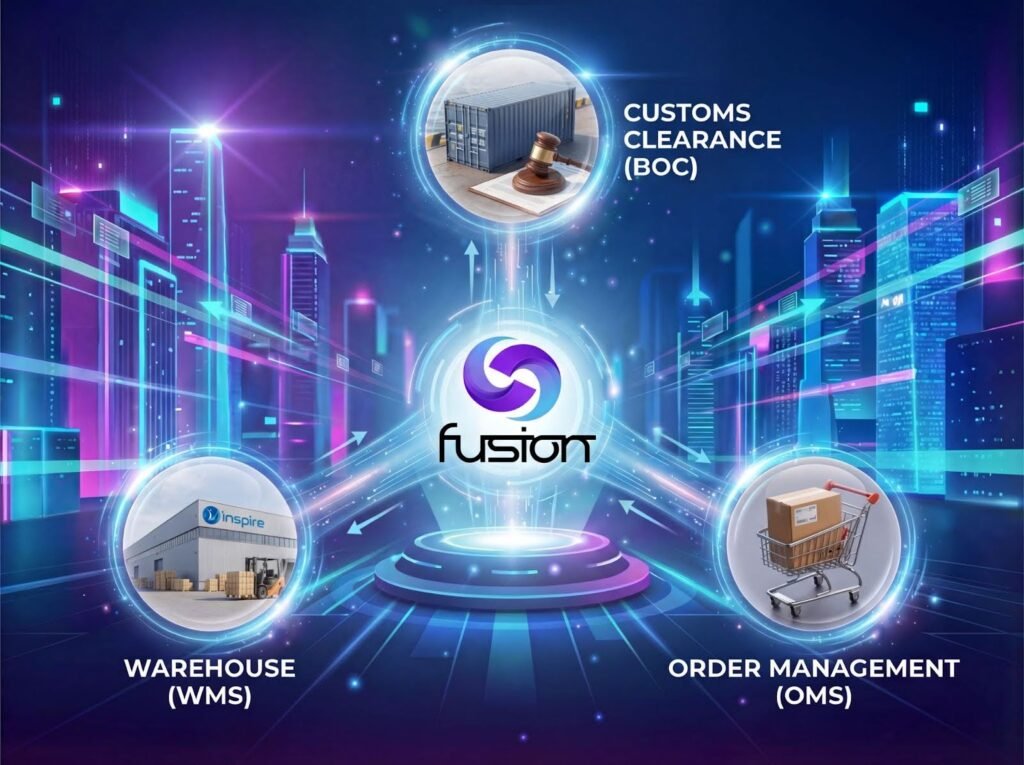
Key Takeaways

  • Efficient customs clearance Philippines ensures timely stock arrival, reducing delays in warehouses and order fulfillment.
  • Integrating customs data with a warehouse management system Philippines improves inventory accuracy and operational visibility.
  • Connecting an order management system ecommerce with clearance status prevents overselling and supports smoother fulfillment planning.
  • Coordinating cash on delivery service workflows with customs timelines optimizes cash flow and COD collection rates.
  • Structured processes, technology integration, and real-time dashboards transform customs clearance from a regulatory step into a driver of operational efficiency.

Table of Contents

Why Customs Clearance Matters for E-Commerce

customs clearance

Customs clearance is often seen as a regulatory step, but for e-commerce brands, it is a key operational milestone. Every shipment entering the Philippines must pass through customs checks that verify product classification, duty payments, and compliance documentation. Missteps can result in fines, shipment delays, or even confiscation.

The challenges include:

  • Classification errors: Using incorrect HS codes can increase duties or trigger inspections.

  • Incomplete documentation: Missing invoices, packing lists, or permits can stall clearance.

  • Payment delays: Duties and taxes must be paid promptly, or shipments are held.

When these issues occur, warehouses receive goods late, orders get delayed, and cash flow is impacted. A streamlined customs clearance process ensures inventory arrives on time, warehouses can manage stock efficiently, and orders are fulfilled promptly.

Integrating Warehouse Management for Seamless Inventory Flow

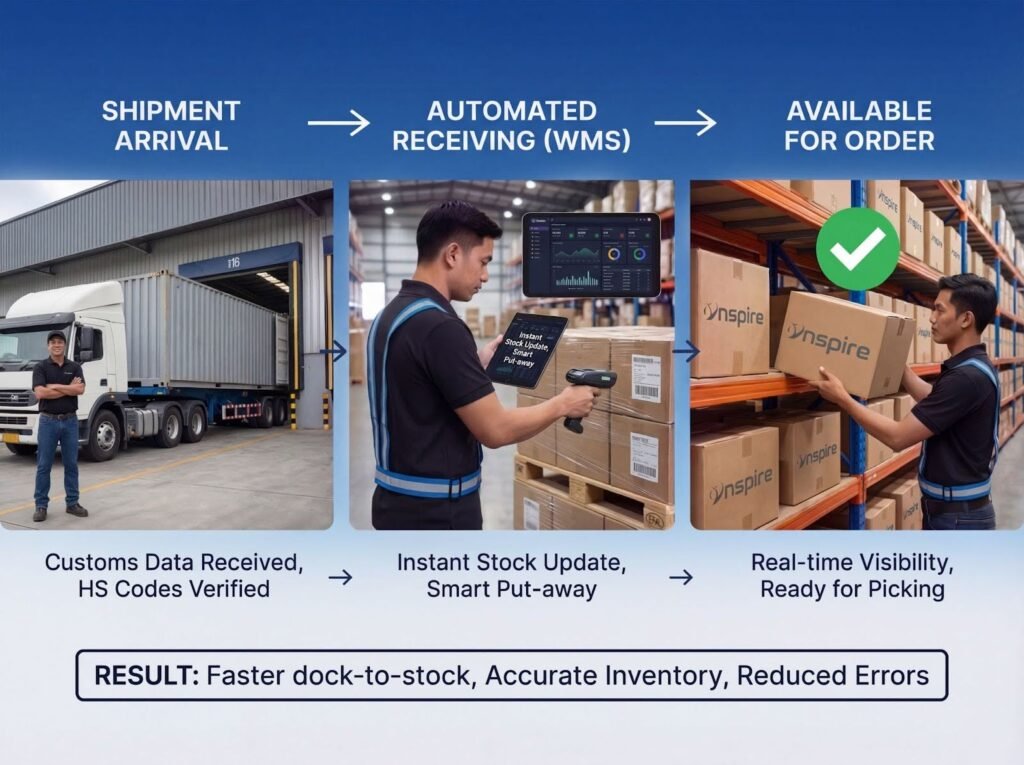
A warehouse management system Philippines plays a crucial role in connecting customs clearance to operational execution. Once shipments pass customs, goods must move quickly into storage, picking, and fulfillment stages. A modern WMS provides:
customs clearance
  • Inventory accuracy: Real-time updates on incoming shipments, reserved stock, and available inventory.

  • Receiving efficiency: Automated receipt of goods with barcode scanning ensures accurate stock counts.

  • Optimized storage: Smart bin placement and slotting reduce picking times.

  • Tracking compliance: Linking incoming goods with customs documentation allows the warehouse team to verify HS codes and duty payments at receipt.

By integrating customs clearance information into a WMS, warehouses gain end-to-end visibility of inbound shipments, ensuring that no order waits for stock that has already arrived but remains unlogged in the system.

Connecting Order Management Systems to Customs and Warehousing

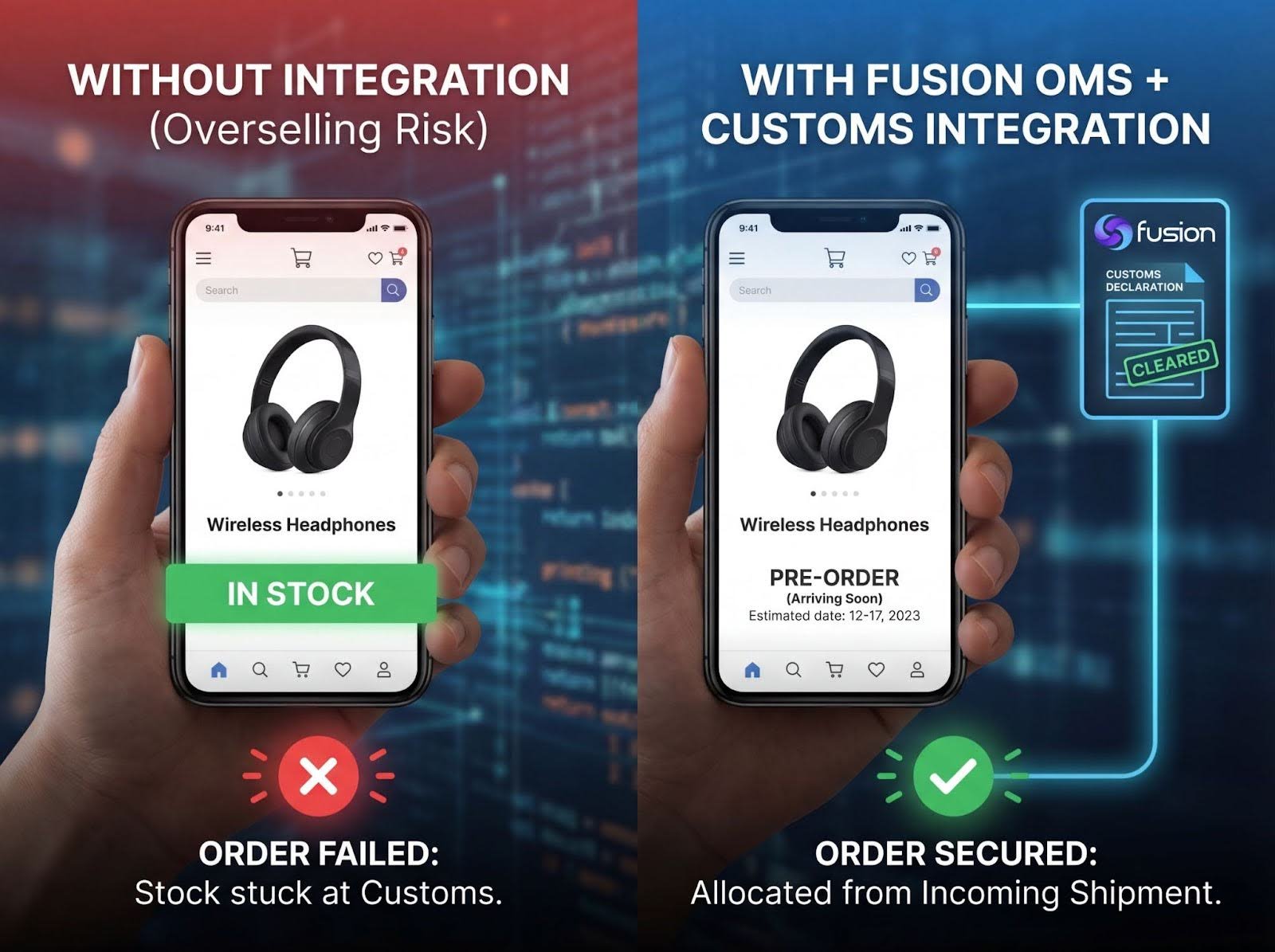
An order management system ecommerce bridges the gap between sales channels, warehouses, and customs. Integration ensures that inventory allocated to customer orders reflects real-time availability, including items still in customs. Key benefits include:
customs clearance
  • Centralized order visibility: All marketplaces and web stores feed into the OMS, which syncs with the WMS to confirm stock availability.

  • Exception management: Orders that cannot be fulfilled due to customs delays trigger automated alerts for reassignment or partial shipments.

  • Financial accuracy: The OMS logs order revenue and links to duties and taxes paid during customs clearance, ensuring proper accounting.

When OMS and WMS systems are aligned with customs clearance, e-commerce teams can plan fulfillment more accurately, avoid overselling, and maintain high customer satisfaction levels.

Cash on Delivery and Customs Impact

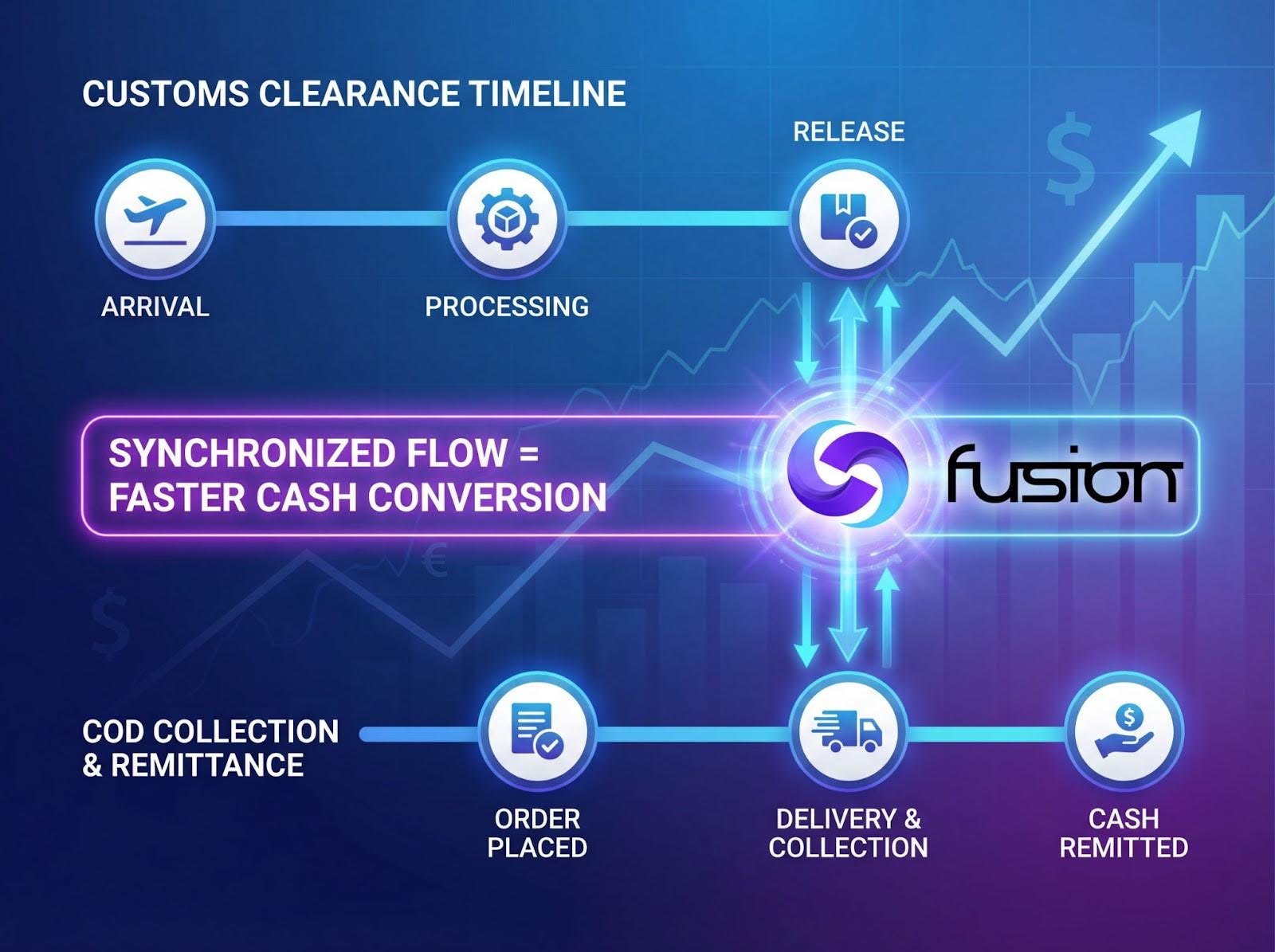
Many e-commerce businesses in the Philippines rely on cash on delivery as a preferred payment method. COD introduces additional operational considerations when combined with customs clearance:
customs clearance
  • Timely stock availability: Delays at customs postpone COD collections, impacting cash flow.

  • Order prioritization: High-demand COD items need to be flagged once cleared, so delivery teams can prioritize them.

  • Financial reconciliation: Integrating COD collections with customs import data ensures accurate revenue recognition and reporting.

When customs clearance, warehouse operations, and COD workflows are integrated, businesses reduce missed collections, improve cash conversion cycles, and maintain consistent customer experiences.

Best Practices for Customs Clearance Integration

Efficient customs clearance is not just about filing paperwork. For e-commerce operators, operational discipline is key. Here are proven practices:

  1. Accurate HS Code Classification
    Classify products correctly to avoid additional duties and prevent inspection delays. Maintain a product database aligned with customs regulations.

  2. Pre-Clearance Documentation
    Prepare invoices, packing lists, and duty payments before the shipment arrives. Digital submission to customs authorities can reduce port wait times.

  3. WMS Synchronization
    Link incoming shipment data with the warehouse management system to track which goods have cleared customs and are ready for fulfillment.

  4. OMS Integration
    Connect orders with inbound shipments. Orders awaiting customs clearance should automatically flag as pending in the system to avoid overselling.

  5. Cash Flow Planning for COD
    Align expected clearance timelines with COD schedules to ensure that cash inflows match operational needs.

Monitoring KPIs for End-to-End Control

Integrating customs clearance Philippines data with warehouse and order management systems enables measurable operational insights. Some KPIs to track include:

  • Customs clearance lead time: Time from shipment arrival to approval and release.

  • Inbound accuracy: Percentage of shipments received without discrepancies in stock count or documentation.

  • Order fulfillment SLA: Percentage of orders shipped within target timelines after clearance.

  • COD collection rate: Successful cash collections versus total COD orders.

  • Inventory turnover: How quickly stock moves from customs to delivery.

Real-time dashboards help operations teams detect bottlenecks, prioritize shipments, and optimize workflows.

Technology Solutions to Simplify Customs Clearance

Modern e-commerce platforms benefit from integrated technology stacks:

  • Automated alerts: Notify teams when shipments are delayed or flagged during customs.

  • Workflow automation: Predefined rules trigger stock allocation, order routing, and COD scheduling once shipments clear.

  • Centralized dashboards: Provide a single view of incoming goods, customs status, inventory levels, and order commitments.

These tools reduce manual errors, shorten lead times, and improve predictability across the supply chain.

Operational Playbook for High-Growth E-Commerce

For businesses scaling in the Philippines, linking customs clearance to daily execution requires a structured approach:

  1. Plan Imports Strategically
    Forecast demand and prepare shipments to account for clearance timelines.

  2. Digitize Documentation
    Maintain electronic copies of invoices, permits, and HS codes for quick verification.

  3. Sync Systems
    Ensure WMS, OMS, and ERP data reflect customs clearance status in real time.

  4. Monitor Performance
    Track KPIs regularly to detect recurring delays or exceptions.

  5. Continuously Improve
    Review workflows quarterly to refine clearance processes, warehouse allocation, and COD handling.

By implementing this playbook, businesses reduce bottlenecks, maintain service levels, and keep cash flowing consistently.

Benefits of Integrated Customs, Warehouse, and Order Management

When customs clearance, warehouse management, order tracking, and COD workflows are aligned, e-commerce operators experience:

  • Faster stock availability for customer orders.

  • Reduced errors in inventory counting and order fulfillment.

  • Higher COD collection rates through synchronized schedules.

  • Improved operational visibility for management teams.

  • Predictable lead times that support promotions and seasonal peaks.

These operational advantages translate into stronger customer trust, higher retention, and sustainable growth.

Common Challenges and How Integration Solves Them

Challenge: Shipments stuck at customs, delaying order fulfillment.
Solution: Pre-clear documentation, synchronize WMS and OMS to flag pending orders.

Challenge: Overselling due to untracked inbound inventory.
Solution: Update stock availability in real time once shipments clear customs.

Challenge: Missed COD collections because stock arrived late.
Solution: Integrate clearance timelines with COD workflows to align delivery schedules.

Challenge: Manual reconciliation of duty payments and inbound inventory.
Solution: ERP and WMS integration with customs clearance records ensures accurate financial reporting.

Turning Clearance into Control

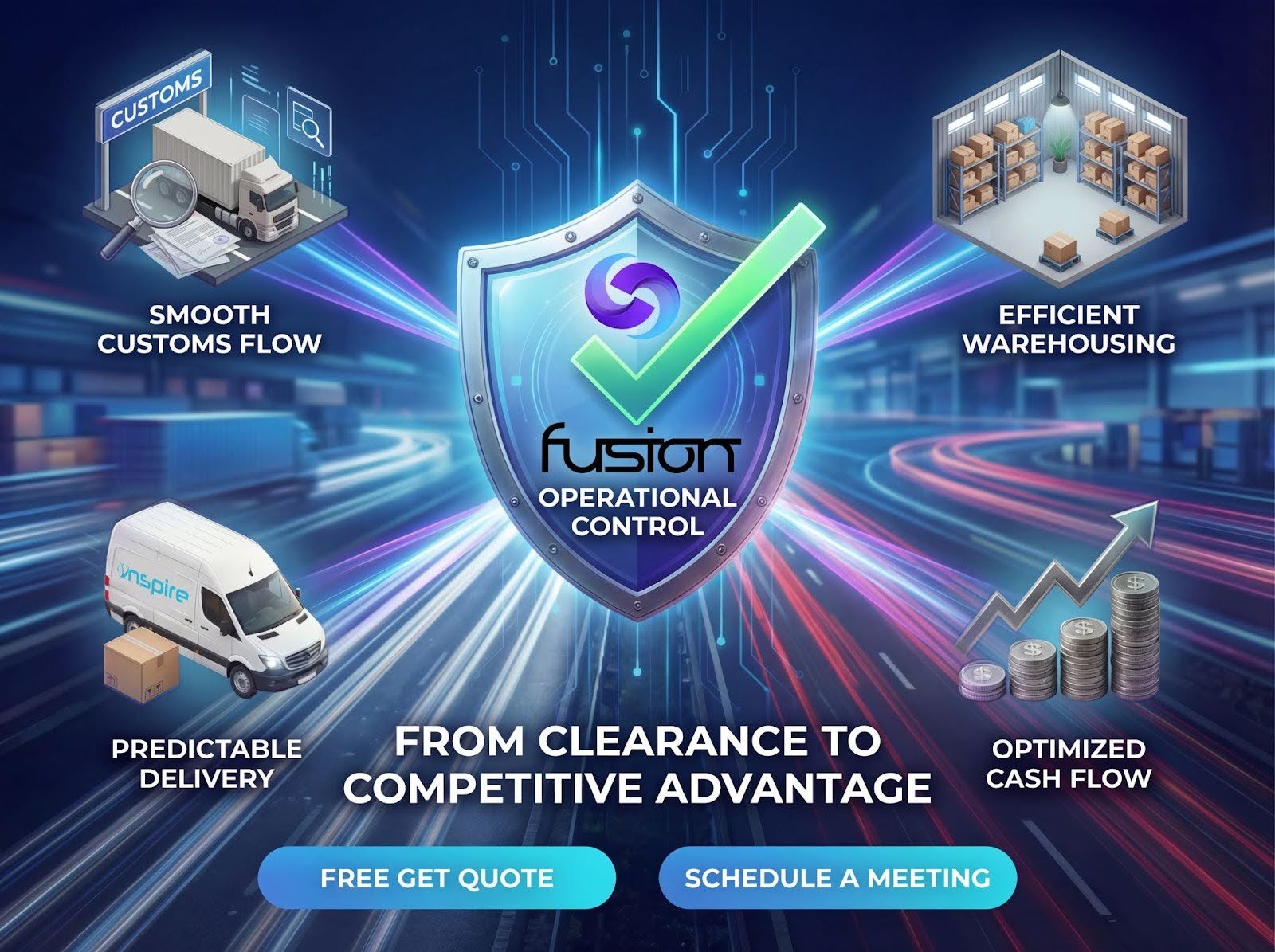
Efficient customs clearance Philippines is the backbone of predictable and scalable e-commerce operations. Connecting customs data with warehouse management system Philippines, order management system ecommerce, and cash on delivery service workflows allows businesses to maintain inventory accuracy, improve order fulfillment speed, and strengthen financial control.

With structured processes, technology integration, and real-time visibility, online sellers in the Philippines can reduce operational risk, optimize cash flow, and scale confidently. Customs clearance becomes not just a regulatory step but a key driver of operational excellence.

Inspire E-Commerce Solutions Inc.
Warehouse 4 & 5, C Teknik Industrial, 143 P. Gregorio Street, Valenzuela,
1442 Metro Manila
inspiresolutions.asia
customs clearance

Exclusive for You

  1. Get a Free Quote – Learn how integrated customs clearance, warehouse, and order management solutions can streamline operations and improve fulfillment accuracy.

  2. Schedule a Meeting – Discover how real-time dashboards, workflow automation, and COD integration can make e-commerce operations more efficient, predictable, and scalable.

Links to Important Sections You Might Need