
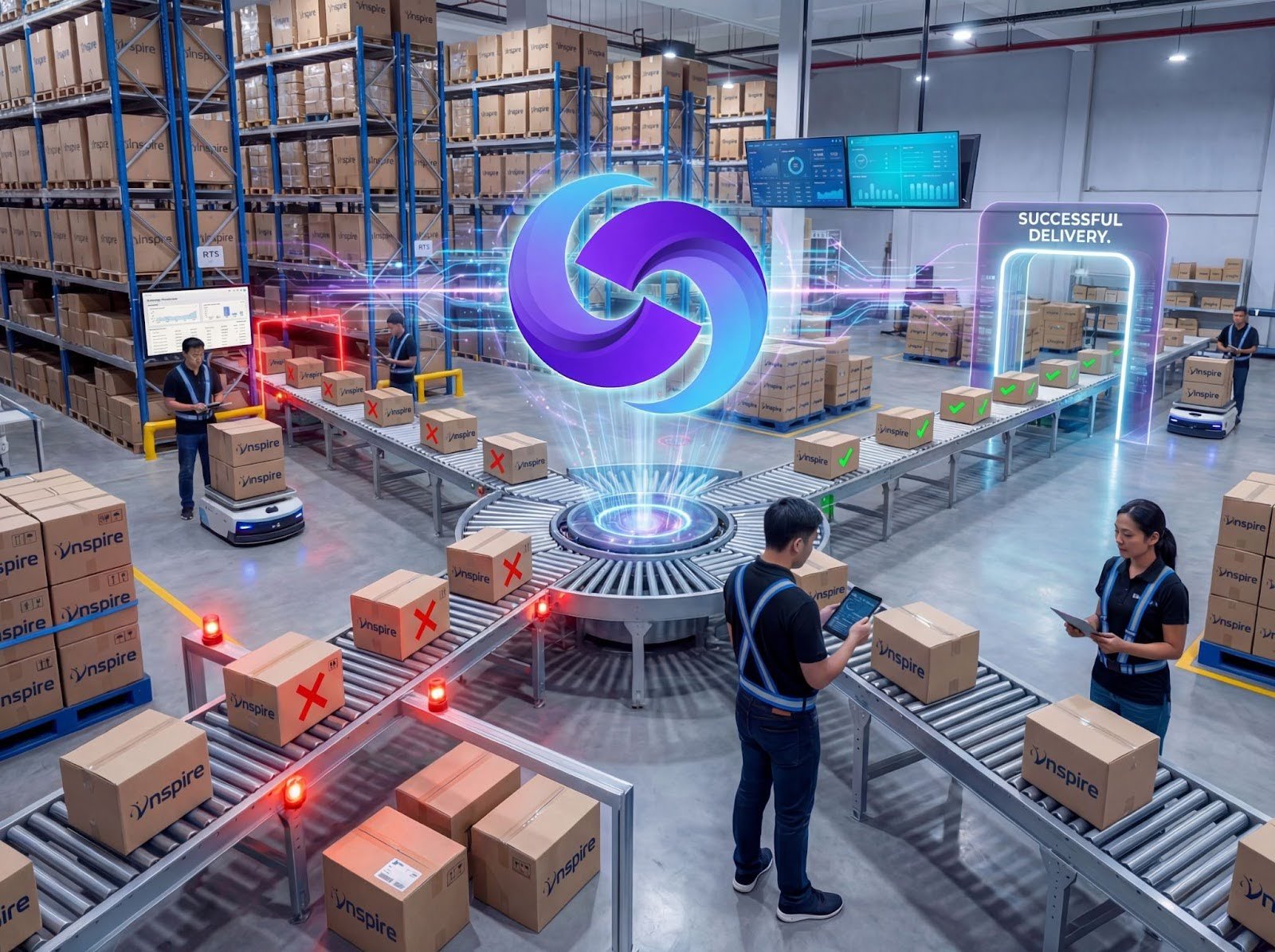
Return-to-Sender (RTS) is often treated as an unavoidable part of ecommerce fulfillment. Many brands assume failed deliveries happen randomly. In reality, RTS is usually the result of breakdowns in process, visibility, or execution.
For operations and customer experience leaders, RTS directly affects both cost and CX. Every failed delivery increases logistics expenses, wastes warehouse labor, and creates negative customer touchpoints. Over time, high RTS rates quietly erode profit margins and reduce marketplace performance.
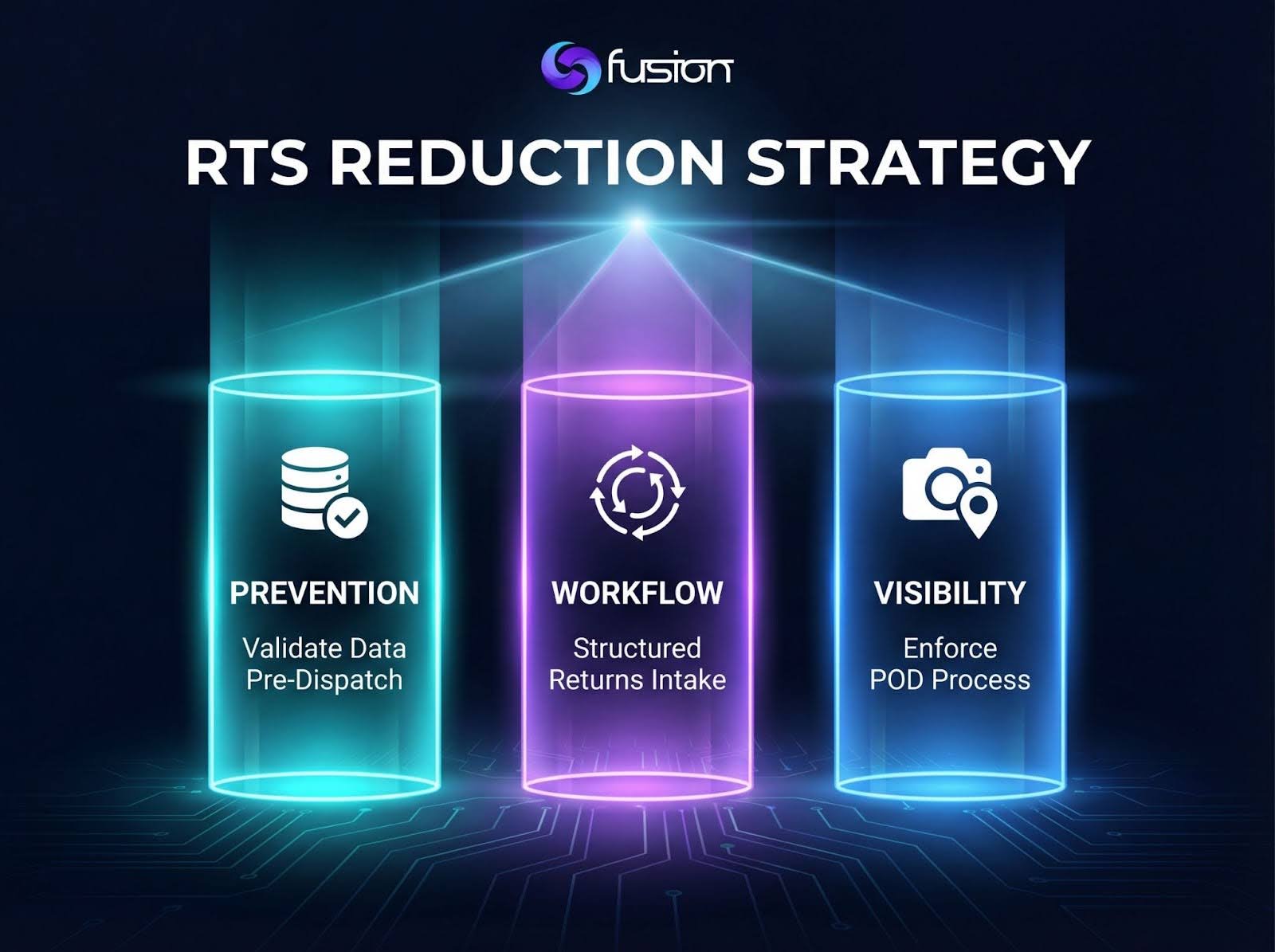
Brands that successfully reduce RTS rate do not rely on luck. They build strong failed delivery prevention systems, structured returns workflow processes, and a clear POD process that protects delivery confirmation accuracy.
This guide explains why RTS happens, what it really costs your business, and how to build operational systems that prevent failed deliveries before they happen.
Before diving into causes, it’s helpful to understand RTS meaning. RTS stands for Return-to-Sender, referring to shipments that fail to reach the customer and are returned to the warehouse. Many brands assume customers simply are not available during delivery. While that does happen, it is rarely the main cause of RTS.
Incorrect unit numbers, missing landmarks, or outdated customer data often cause delivery failure. Even small address errors can prevent successful last mile delivery.
Orders placed during flash sales or peak periods sometimes contain incorrect contact details or duplicate entries. Without validation steps, these orders move straight into fulfillment.
If customers are not reminded or confirmed before shipment, the risk of failed delivery increases significantly.
If drivers cannot contact customers easily, delivery attempts fail faster and move to RTS status sooner.
Without an exception queue, risky orders are shipped instead of being reviewed first.
RTS is rarely random. It is usually predictable and preventable when workflows are designed correctly.
Many teams only measure shipping cost loss, but RTS affects multiple parts of the business.
Reducing RTS is not only about saving shipping cost. It is about protecting total operational margin.
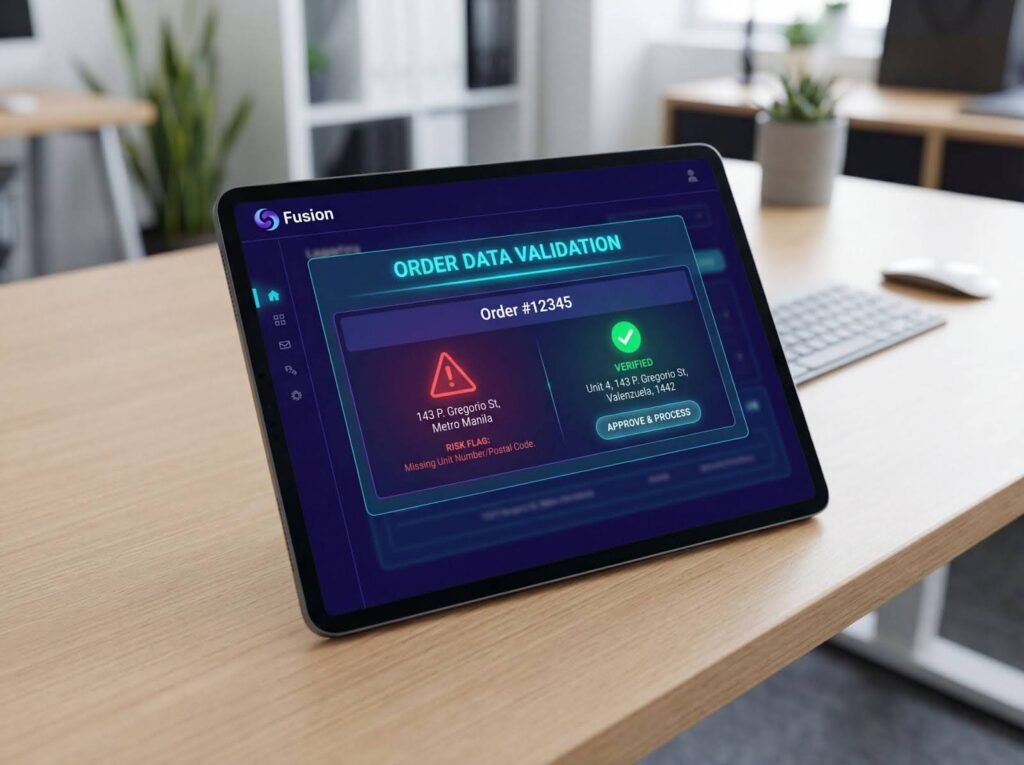
Strong prevention begins at the order creation stage.
Order Data Validation
Require:
Complete address fields
Mobile number verification
Postal code auto validation
This reduces bad order entry before it reaches fulfillment.
Order Confirmation Messaging
Send confirmation via:
SMS
Messaging apps
Email reminders
Customers are more likely to prepare for delivery when notified early.
Risk Flagging
Flag orders when:
Address is incomplete
Customer has past failed delivery history
High value orders require verification
Exception queues should review these before dispatch.
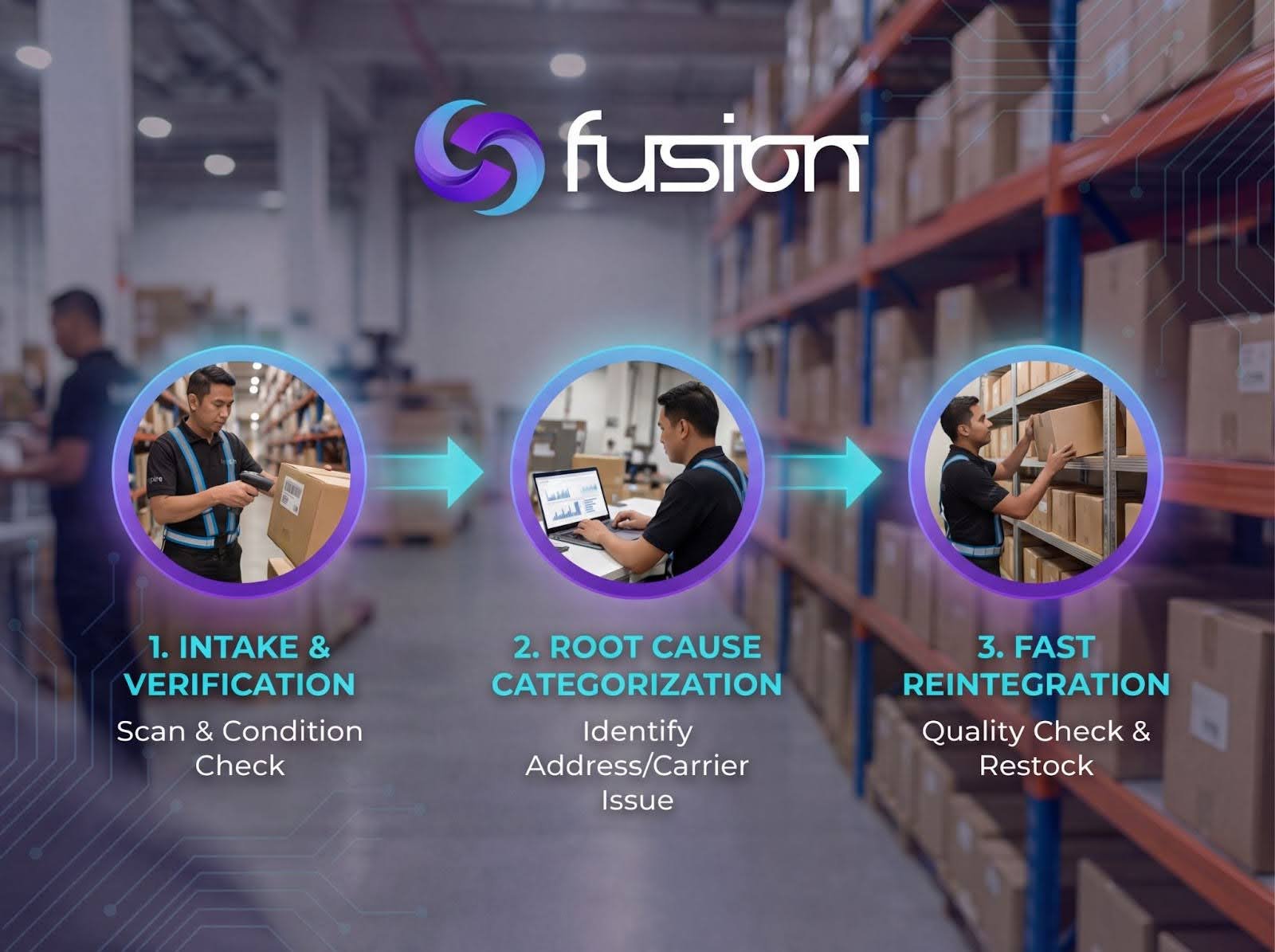
Even strong prevention systems cannot eliminate RTS completely. That is why a structured returns workflow is critical.
When inventory returns:
This ensures fast restocking and accurate reporting.
Classify RTS reasons such as:
This allows data driven improvements.
Returned inventory should be:
Slow reintegration creates artificial stock shortages.
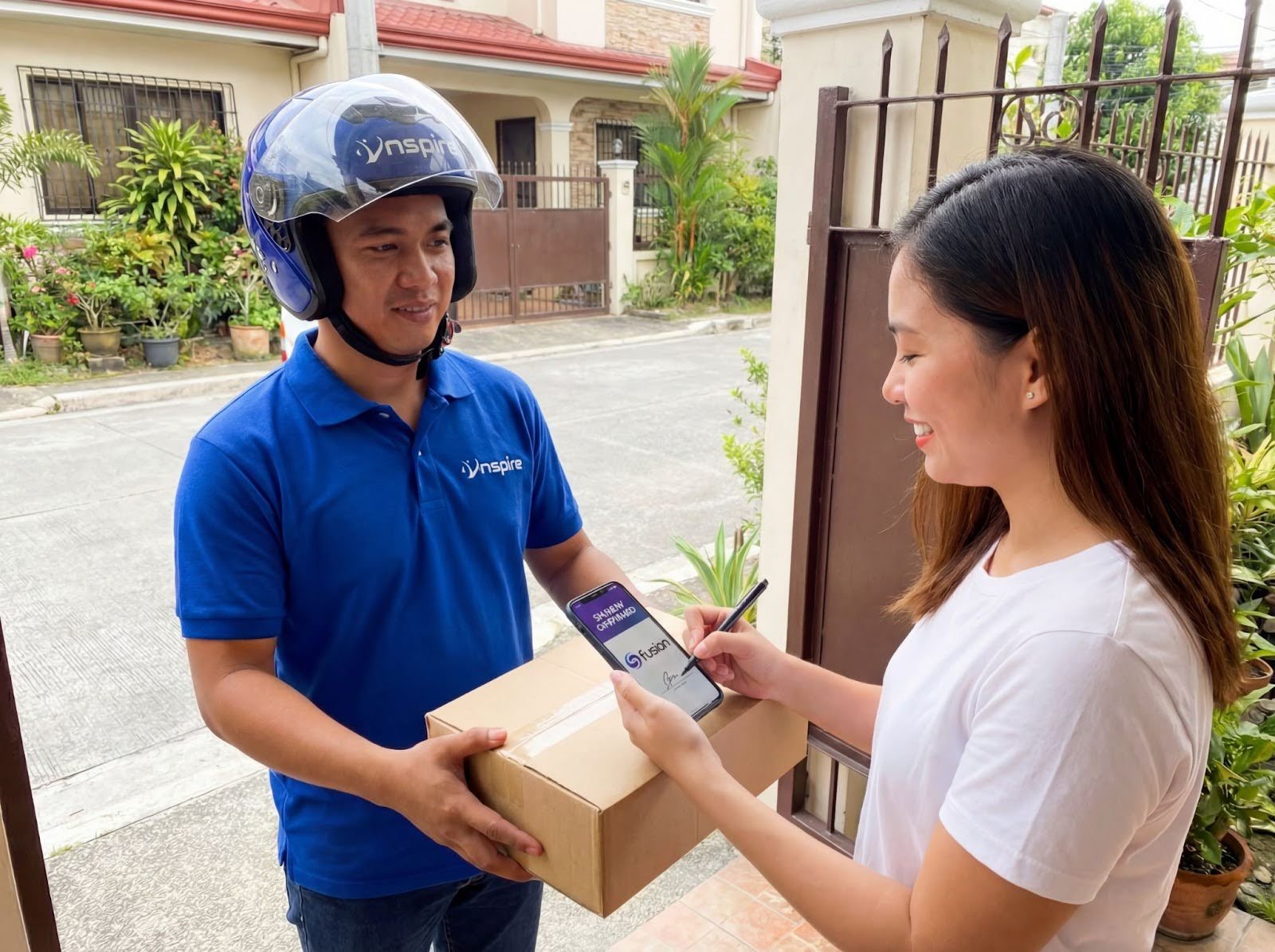
A strong POD process protects against disputes and improves delivery accountability.
This protects against false claims and improves carrier accountability.
Without proof of delivery:
POD is not just documentation. It is cost protection.
Warehouse operations directly influence delivery success.
Wrong items increase refusal rates. Barcode discipline reduces errors.
Damaged packaging increases rejection risk at delivery.
Wrong labels send orders to wrong locations.
Simple warehouse discipline significantly reduces downstream RTS.
Customer engagement is one of the most powerful tools for failed delivery prevention.
Notify customers:
Allow customers to:
This reduces missed delivery attempts.
Teams should track:
Patterns usually appear quickly. Once identified, targeted solutions become easier to implement.
RTS risk increases during high volume sales events because:
Pre peak planning should include stricter order verification and stronger exception workflows.
Before Dispatch:
During Fulfillment:
After Dispatch:
After RTS:
RTS happens when delivery fails and inventory returns to the warehouse. It increases cost and reduces customer satisfaction.
Start with order verification, improve customer communication, and strengthen warehouse accuracy controls.
Yes. A strong POD process provides delivery proof and reduces false claims.
Very important. Even when RTS happens, a fast and structured returns workflow reduces margin loss.
RTS is not random and it is not unavoidable. Brands that build strong failed delivery prevention systems, structured returns workflow execution, and reliable POD process controls can dramatically reduce failed deliveries.
When we focus on process discipline, data visibility, and customer communication, we protect both cost and customer experience. Reducing RTS protects inventory flow, preserves logistics margin, and strengthens long term brand trust.
Companies that treat RTS as a controllable metric gain a strong operational advantage. Preventing failed deliveries allows fulfillment teams to scale confidently while maintaining consistent customer satisfaction and financial performance.
Inspire E-Commerce Solutions Inc.
Warehouse 4 & 5, C Teknik Industrial, 143 P. Gregorio Street, Valenzuela,
1442 Metro Manila
inspiresolutions.asia