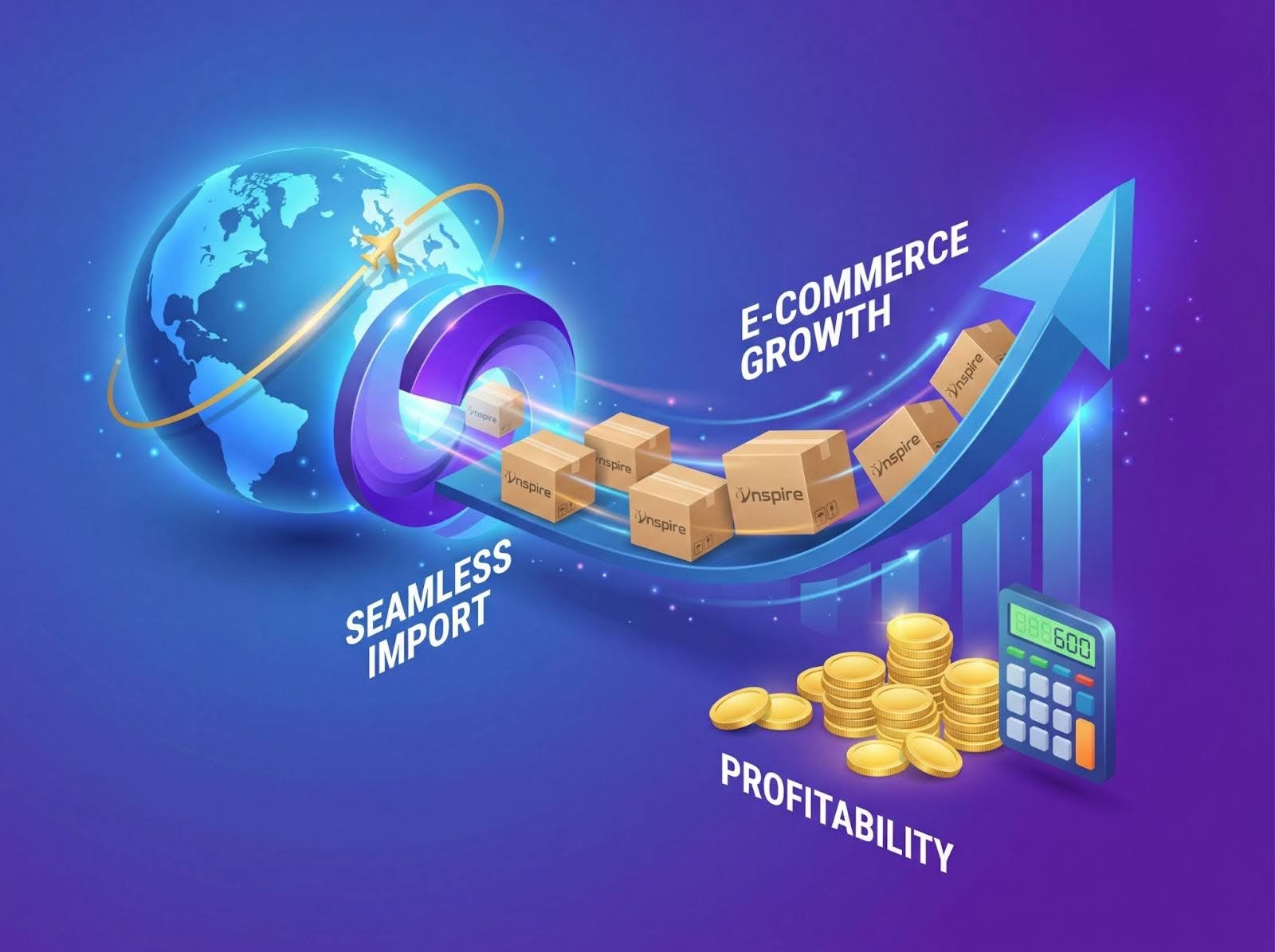
Importing products is a key growth strategy for many e-commerce sellers in the Philippines. Whether sourcing from China, the US, or regional suppliers, imported goods allow businesses to expand product variety, improve margins, and stay competitive in platforms like Shopee, Lazada, and independent online stores.
However, importing is not just about buying and shipping products. Every shipment must go through a regulated process that determines how fast it enters the country and how much it will cost. This is where the HS code Philippines system and the customs clearance process become essential.
Understanding these two elements helps sellers avoid delays, unexpected charges, and compliance issues. It also allows better planning of pricing using tools like a landed cost calculator, which ensures profitability before products even arrive.
This guide explains how HS codes work, how customs clearance operates in the Philippines, and how sellers can accurately compute total import costs for smoother e-commerce operations.
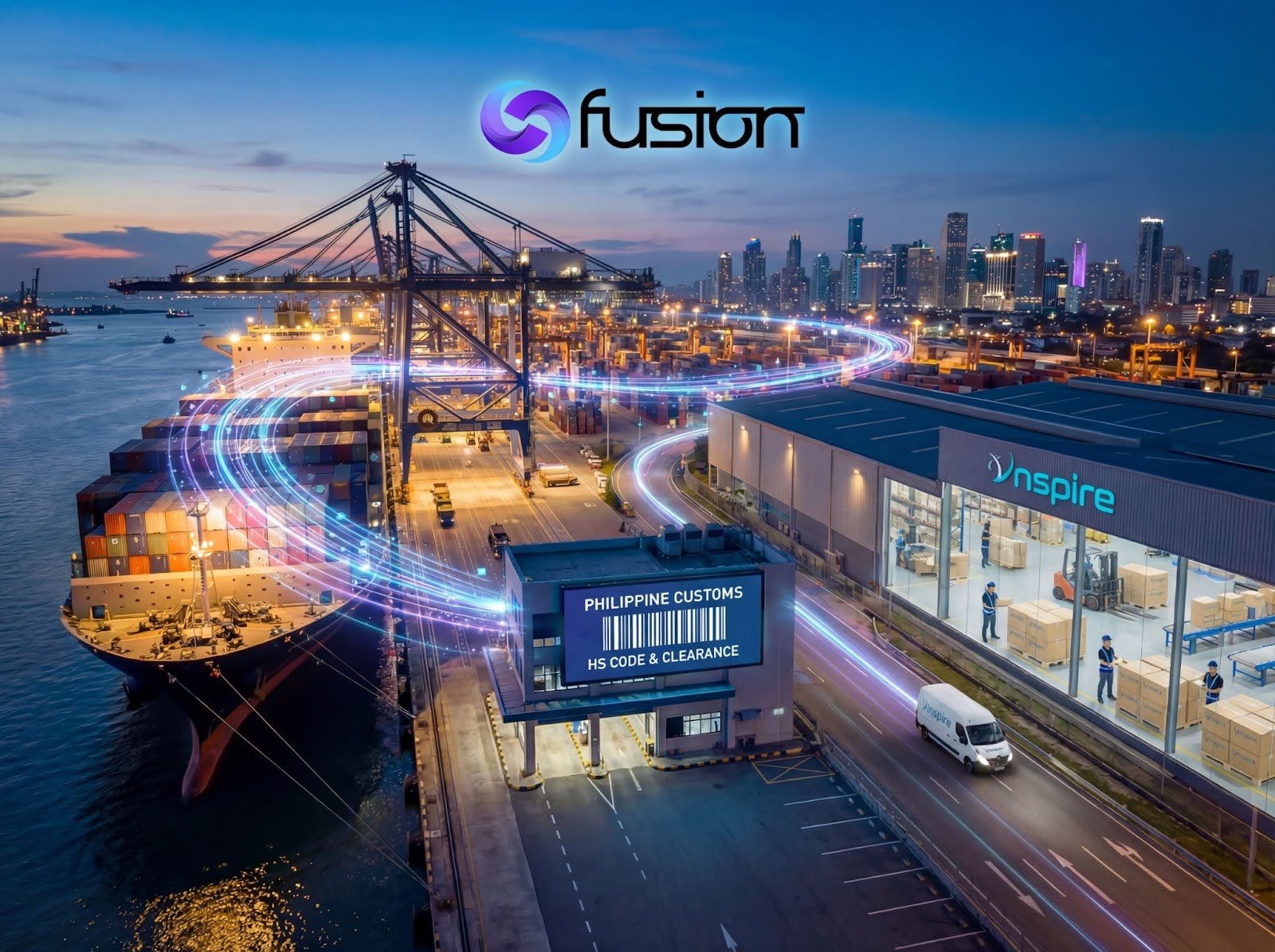
The HS code Philippines refers to the standardized product classification system used in international trade. HS stands for Harmonized System, which is a globally recognized method of categorizing goods.
Every product imported into the country is assigned a specific code based on its type, material, and function. This code is used by customs authorities to determine applicable duties, taxes, and import restrictions.
For example, electronics, clothing, cosmetics, and food items all have different HS codes. Even within the same category, variations exist depending on specifications.
Correct classification is critical because:
Using the wrong HS code can lead to penalties, delays, or even shipment rejection. For e-commerce sellers, this can disrupt inventory availability and cause missed sales opportunities.
The customs clearance process is the procedure that allows imported goods to officially enter the country. In the Philippines, this process is managed by the Bureau of Customs.
Once a shipment arrives, it must go through several steps before release.
First, the shipment is declared. This involves submitting documents such as the commercial invoice, packing list, bill of lading, and import permits if required. These documents provide customs with details about the shipment’s contents and value.
Next, customs reviews the declaration and checks the HS code classification. This step is important because it determines the duties and taxes that must be paid.
After review, the shipment may undergo inspection. Not all shipments are physically inspected, but some are flagged based on risk profiling, product type, or documentation inconsistencies.
Once duties and taxes are assessed and paid, the shipment is cleared for release. It is then handed over to the logistics provider for delivery to the warehouse or fulfillment center.
Delays in customs clearance often happen due to:
For e-commerce sellers, delays can directly impact stock availability, especially during peak seasons.
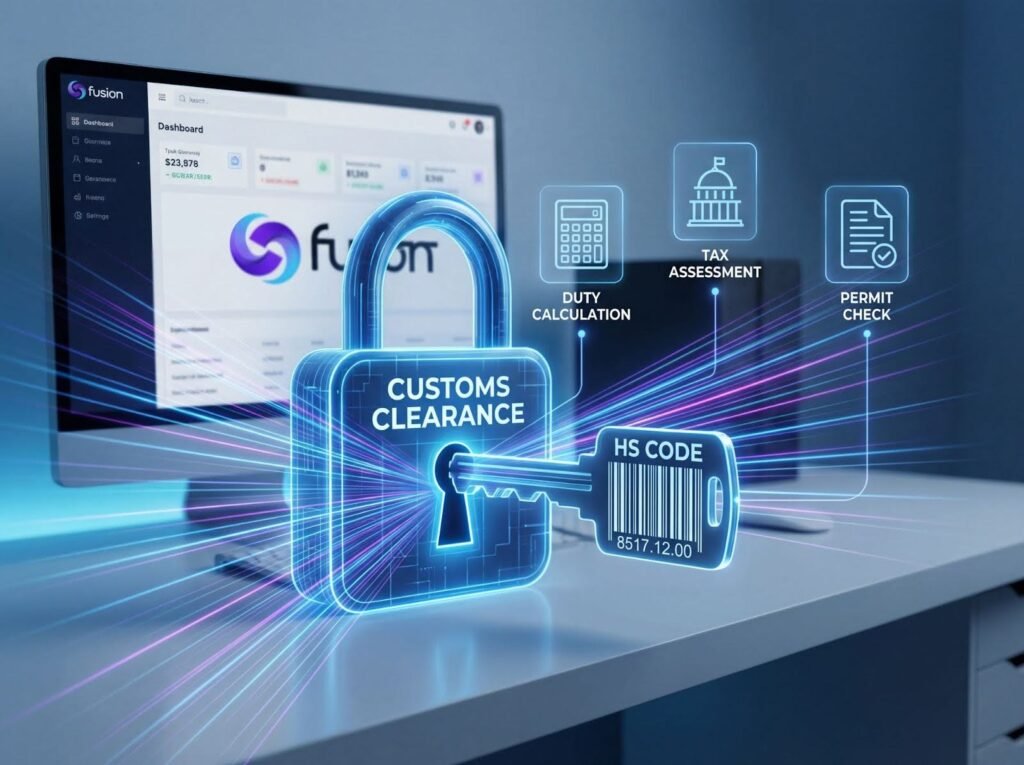
The HS code Philippines system plays a direct role in the customs clearance process. It is not just a classification tool but also a regulatory and financial determinant.
Customs officers use HS codes to:
If a product is incorrectly classified, it may be held for re-evaluation. This can result in delays and additional charges.
For example, misclassifying electronics accessories as generic plastic items may initially reduce duties but will likely trigger penalties once discovered.
Accurate HS code usage ensures:
For e-commerce businesses, this accuracy directly affects delivery timelines and customer satisfaction.
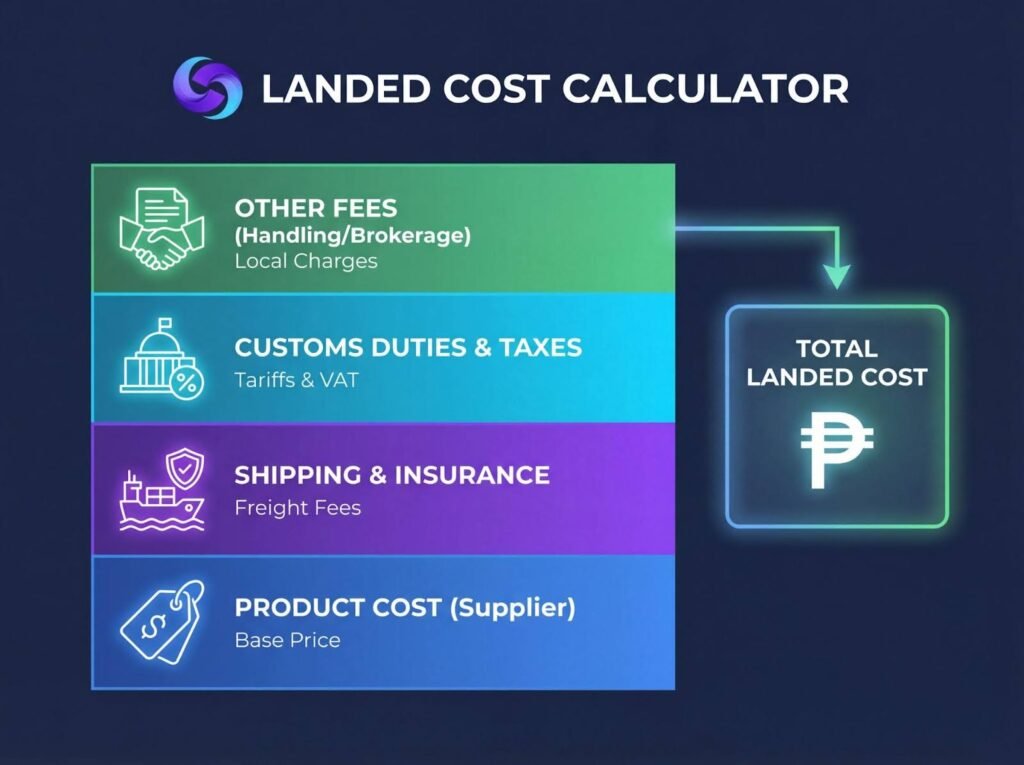
A landed cost calculator is a tool used to determine the total cost of importing goods. It goes beyond the product price and includes all expenses required to bring the item into the country and make it ready for sale.
Landed cost typically includes:
For e-commerce sellers, calculating landed cost is essential before setting retail prices. Without it, businesses risk underpricing products and losing profit margins.
For example, a product that seems cheap at supplier level may become expensive after shipping and taxes are included. A landed cost calculator helps prevent these surprises.
It also supports better decision-making by showing whether a product is viable for resale in the Philippine market.
When used correctly, it helps sellers:
Many e-commerce sellers face similar challenges when importing goods into the Philippines. These issues often arise from a lack of preparation or a misunderstanding of customs rules.
One of the most common problems is incorrect HS code classification. This leads to wrong duty calculations and shipment delays.
Another issue is undervaluation or inaccurate declaration of product value. Customs may flag these shipments for inspection, causing further delays.
Documentation errors are also frequent. Missing invoices or inconsistent shipment details can slow down clearance significantly.
Some shipments also experience delays due to restricted or regulated products that require additional permits before release.
For fast-moving e-commerce operations, even short delays can affect stock availability and customer satisfaction.
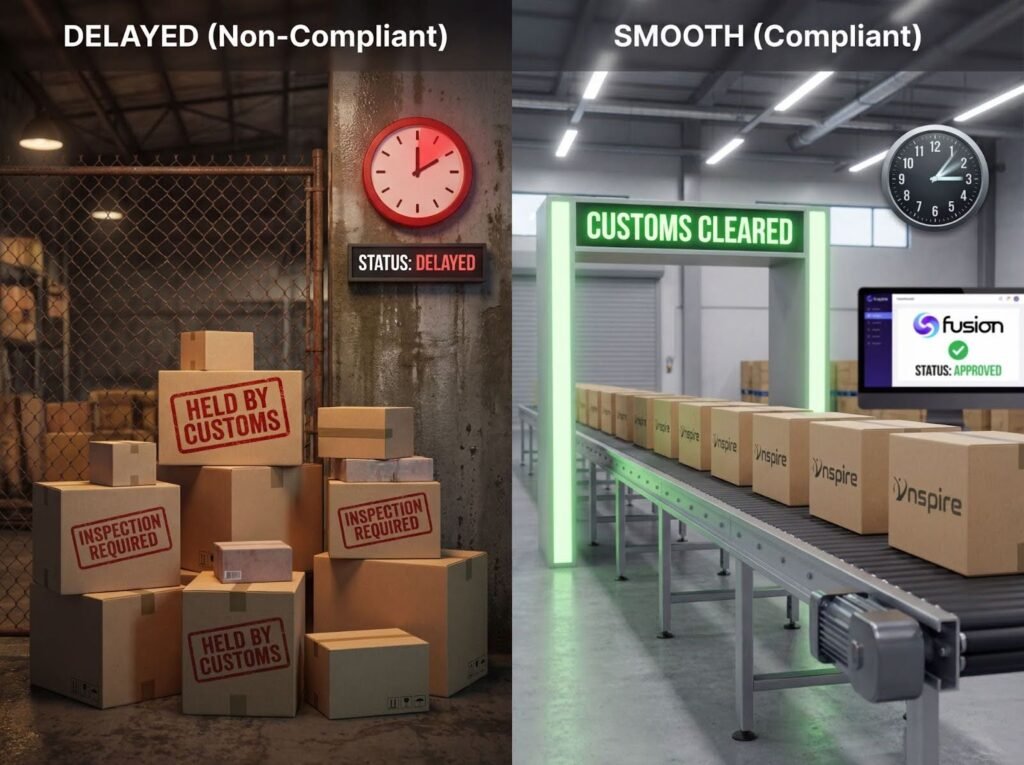
Sellers can reduce customs problems by following a few key practices.
First, always verify HS codes before shipping. Using official references or consulting customs brokers can help ensure correct classification.
Second, prepare complete and accurate documentation. This includes invoices, packing lists, and any required permits, depending on product type.
Third, work with reliable logistics providers who understand the customs clearance process in the Philippines. Experienced partners can help prevent errors and speed up release times.
Fourth, use a landed cost calculator before finalizing supplier orders. This ensures all costs are accounted for and prevents pricing mistakes.
Finally, maintain transparency in declared values and product descriptions. This reduces the risk of inspection delays and penalties.
Understanding HS codes and the customs clearance process is not just about compliance. It directly impacts business growth and operational efficiency.
Accurate customs knowledge helps sellers:
For growing e-commerce businesses in the Philippines, import efficiency can be a competitive advantage. Sellers who manage customs properly can restock faster, respond to demand quickly, and avoid disruptions during peak seasons.
It also strengthens financial planning. Knowing the true landed cost allows businesses to manage working capital more efficiently and avoid cash flow issues caused by unexpected expenses.
Importing products for e-commerce success requires more than supplier relationships and logistics coordination. It demands a clear understanding of the HS code Philippines system and the customs clearance process that governs how goods enter the country.
When used correctly, these systems ensure smoother imports, faster clearance, and fewer operational disruptions. Combined with a landed cost calculator, sellers can accurately forecast expenses, set profitable pricing, and maintain healthy margins.
For e-commerce businesses in the Philippines, mastering customs compliance is not optional. It is a core part of building a scalable and sustainable import strategy that supports long-term growth.
Inspire E-Commerce Solutions Inc.
Warehouse 4 & 5, C Teknik Industrial, 143 P. Gregorio Street, Valenzuela,
1442 Metro Manila
inspiresolutions.asia