Expanding an e-commerce business often means sourcing products from China. While importing can unlock cost savings and a wider variety of products, it also introduces operational complexities. From calculating total landed costs to navigating the customs clearance process, every step impacts your bottom line and delivery speed.
Understanding how to import from China to Philippines for e-commerce ensures that shipments arrive on time, taxes and duties are accurate, and your inventory remains profitable. This guide covers landed cost calculations, HS code usage, and the step-by-step customs workflow to help brands scale efficiently.
Landed cost is more than the purchase price. It’s the total cost of getting goods from the supplier to your warehouse in the Philippines, including:
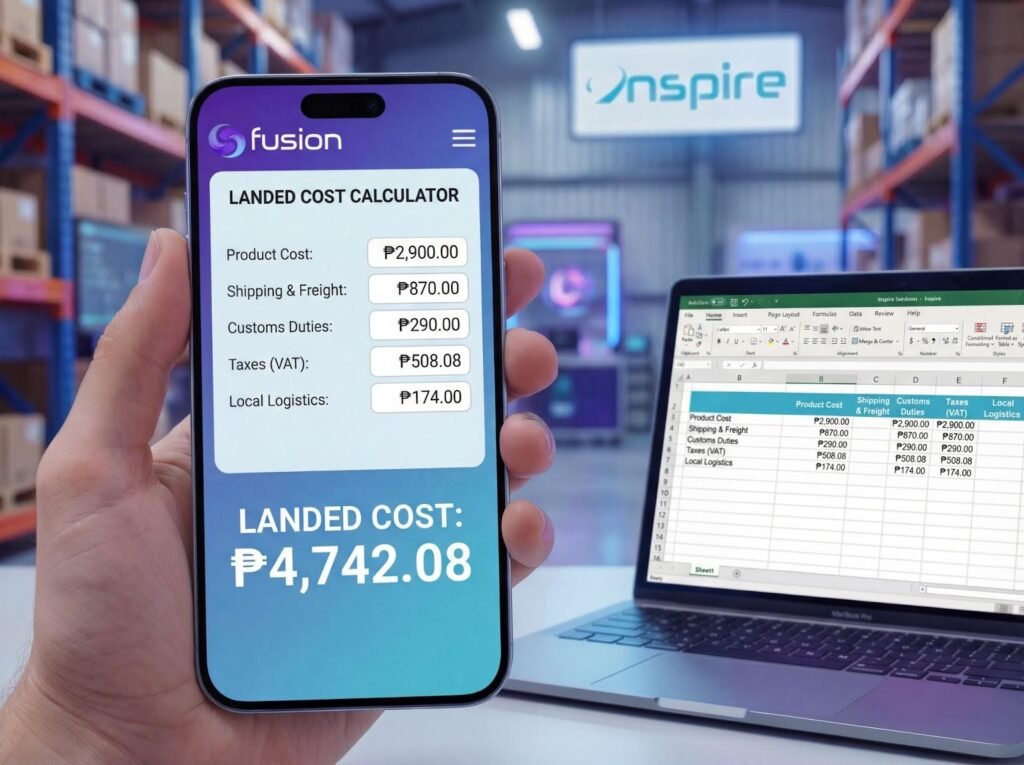
Using a landed cost calculator helps predict actual costs and prevent unexpected losses. Many e-commerce brands miscalculate taxes or shipping fees, which can reduce margins and affect pricing strategy. Proper landed cost management ensures profitability even after accounting for duties, logistics, and other fees.
Every imported product must be classified under a Harmonized System (HS) code. This classification:
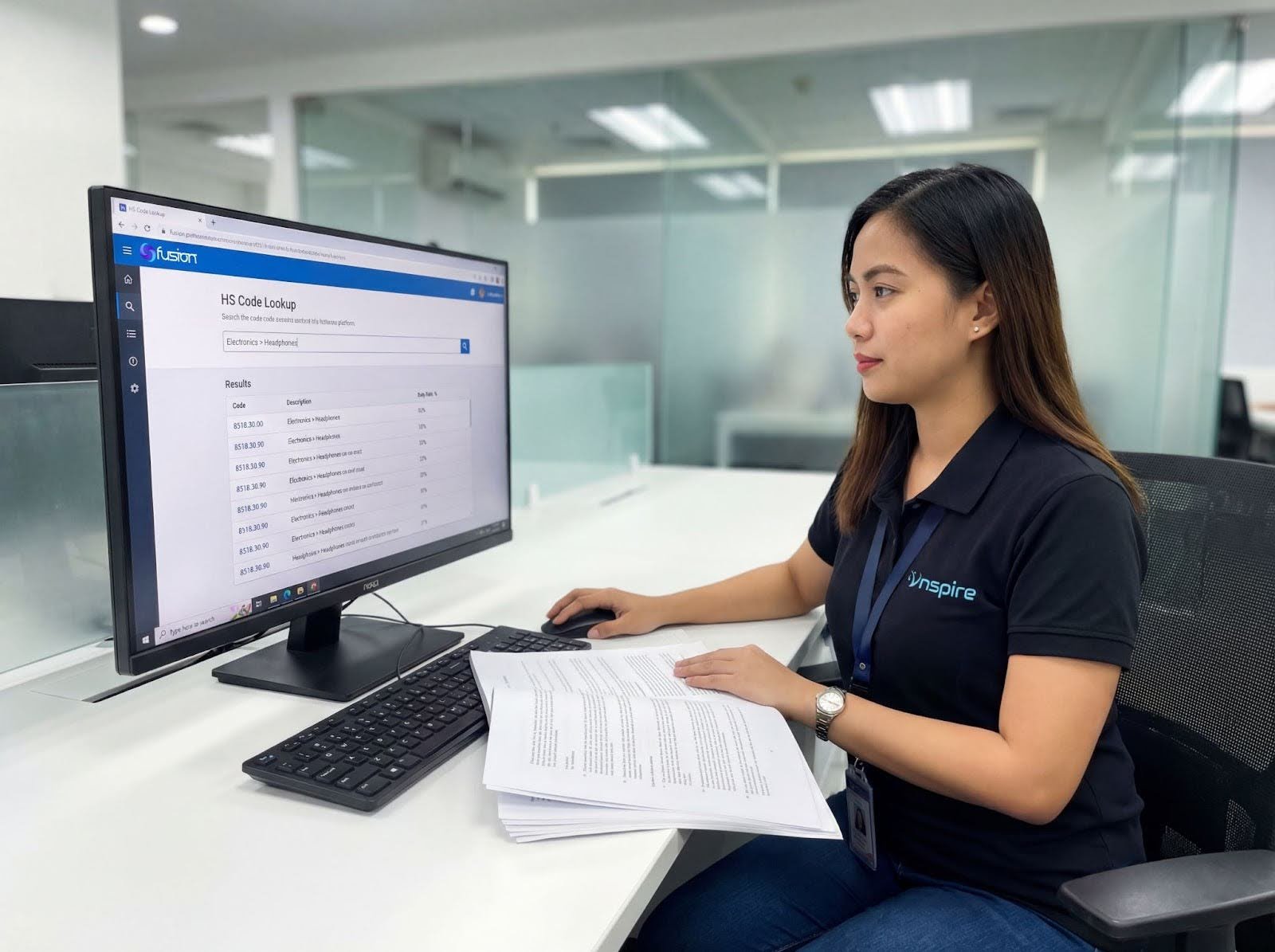
Finding the right HS code Philippines for each SKU is crucial. Incorrect codes can lead to fines, shipment holds, or even confiscation. Common mistakes include:
Working closely with your supplier and freight forwarder ensures HS codes are correct and consistent with Philippine customs standards.
Choosing the right shipping method depends on inventory size, budget, and urgency:
A clear understanding of shipping options helps balance cost with delivery speed, particularly for e-commerce businesses with seasonal peaks or high-demand products.
The customs clearance process ensures shipments comply with Philippine regulations before release. Key steps include:
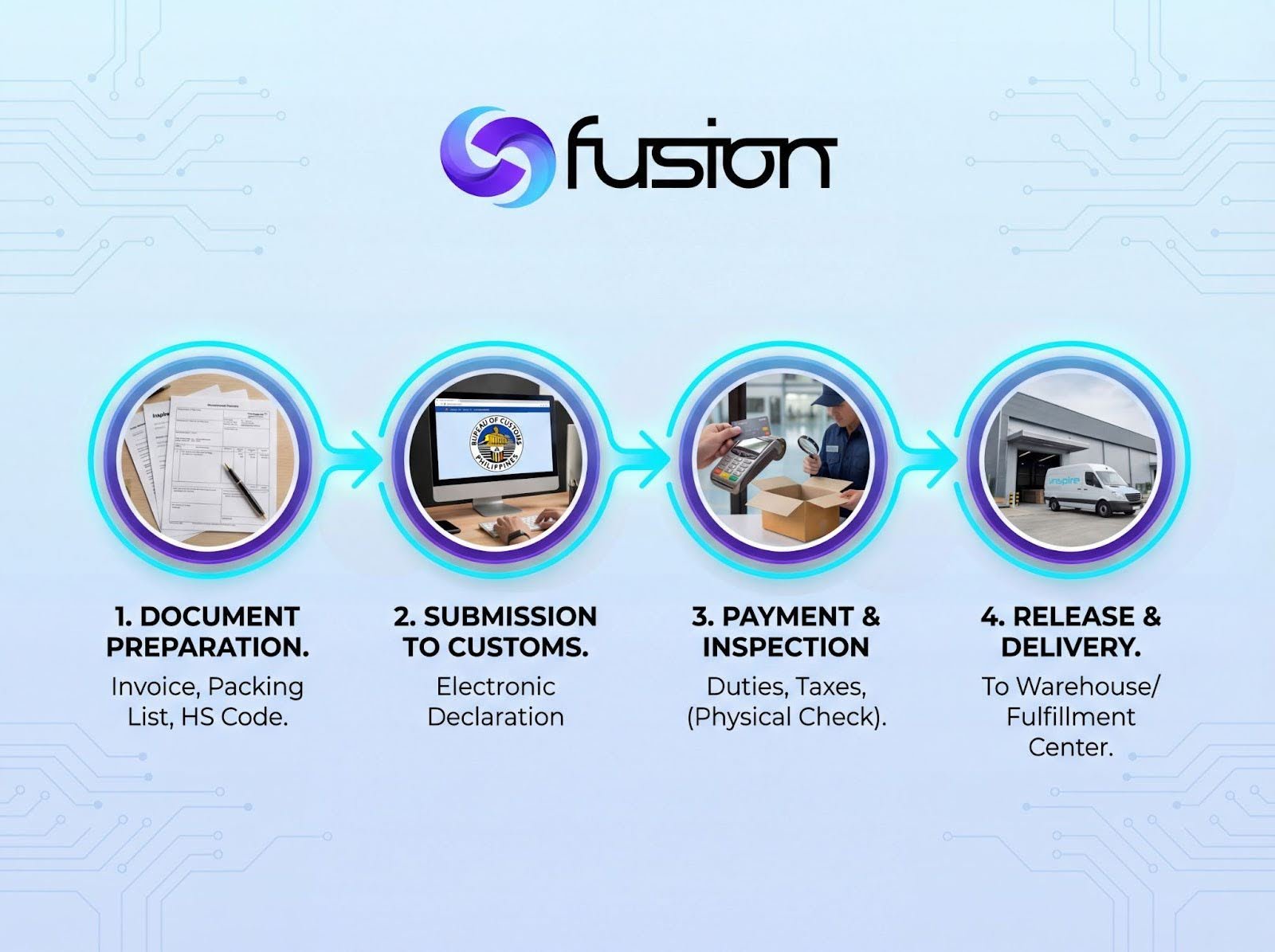
Following these steps systematically reduces delays, prevents penalties, and ensures smoother inbound operations for e-commerce.
Even with careful planning, delays can occur due to:
To mitigate these risks:
Once shipments arrive, an inventory system for e-commerce ensures proper tracking and efficient stock allocation. Best practices include:
This reduces stockouts, overstock, and order fulfillment errors, helping maintain a consistent customer experience.
Beyond accurate landed cost calculations, other cost-saving strategies include:
By strategically optimizing costs, brands protect margins while maintaining fast, reliable delivery.
Using technology can streamline the entire import process:
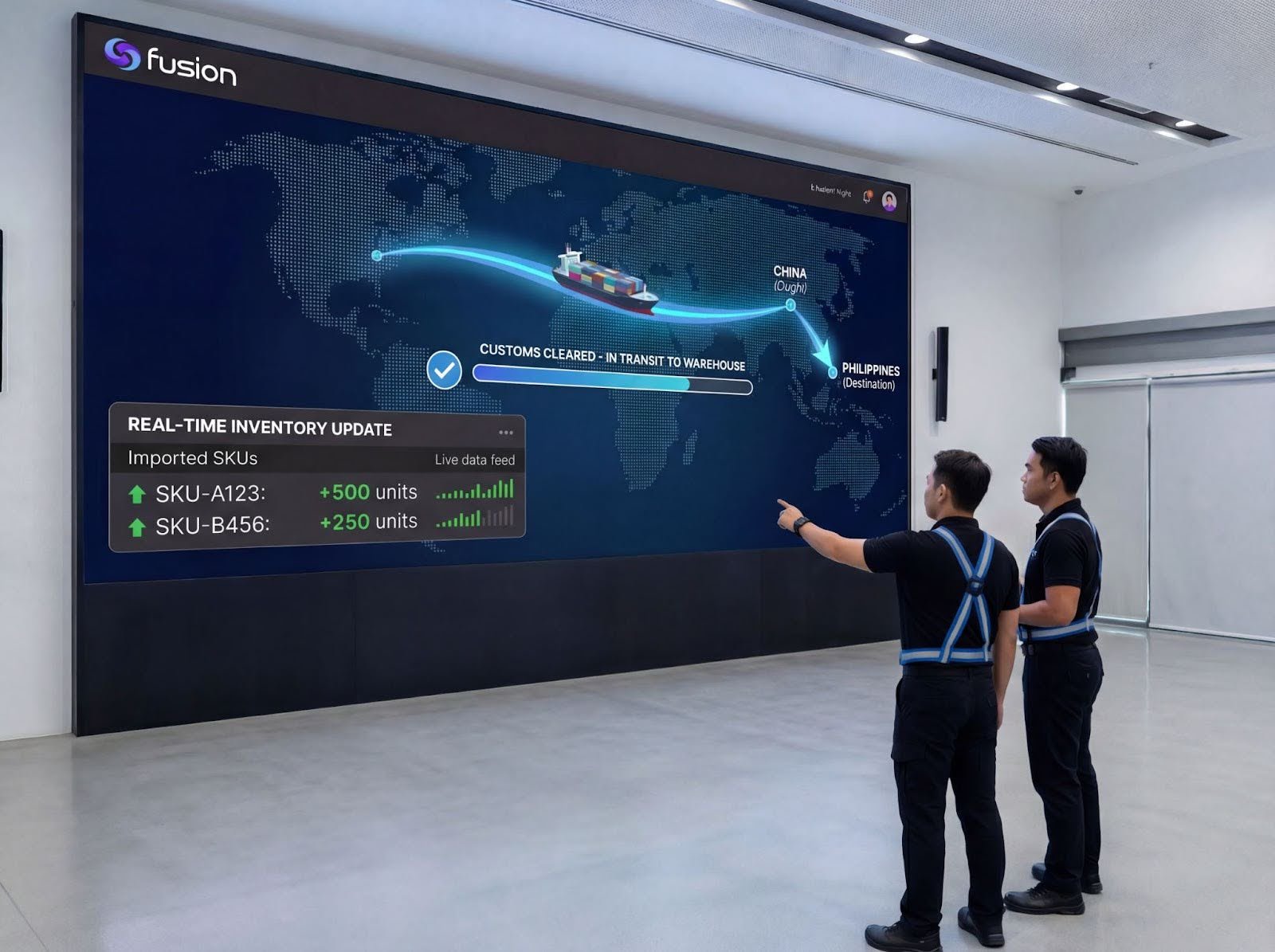
Automation reduces manual errors, saves time, and improves visibility across the supply chain.
Even though imports happen behind the scenes, they directly affect the customer experience:
Prioritizing operational accuracy ensures that international sourcing enhances, rather than jeopardizes, the customer experience.
Importing from China to the Philippines for e-commerce can be highly profitable, but only when processes are planned and executed properly. From calculating landed costs to classifying products with HS codes, navigating the customs clearance process, and tracking inventory, each step impacts profitability and operational efficiency.
By implementing structured workflows, leveraging technology, and collaborating with reliable logistics partners, e-commerce brands can scale their international sourcing without unnecessary delays, errors, or costs. With careful planning, imported inventory becomes an asset rather than a liability, supporting growth and a consistent customer experience.
Inspire E-Commerce Solutions Inc.
Warehouse 4 & 5, C Teknik Industrial, 143 P. Gregorio Street, Valenzuela,
1442 Metro Manila
inspiresolutions.asia