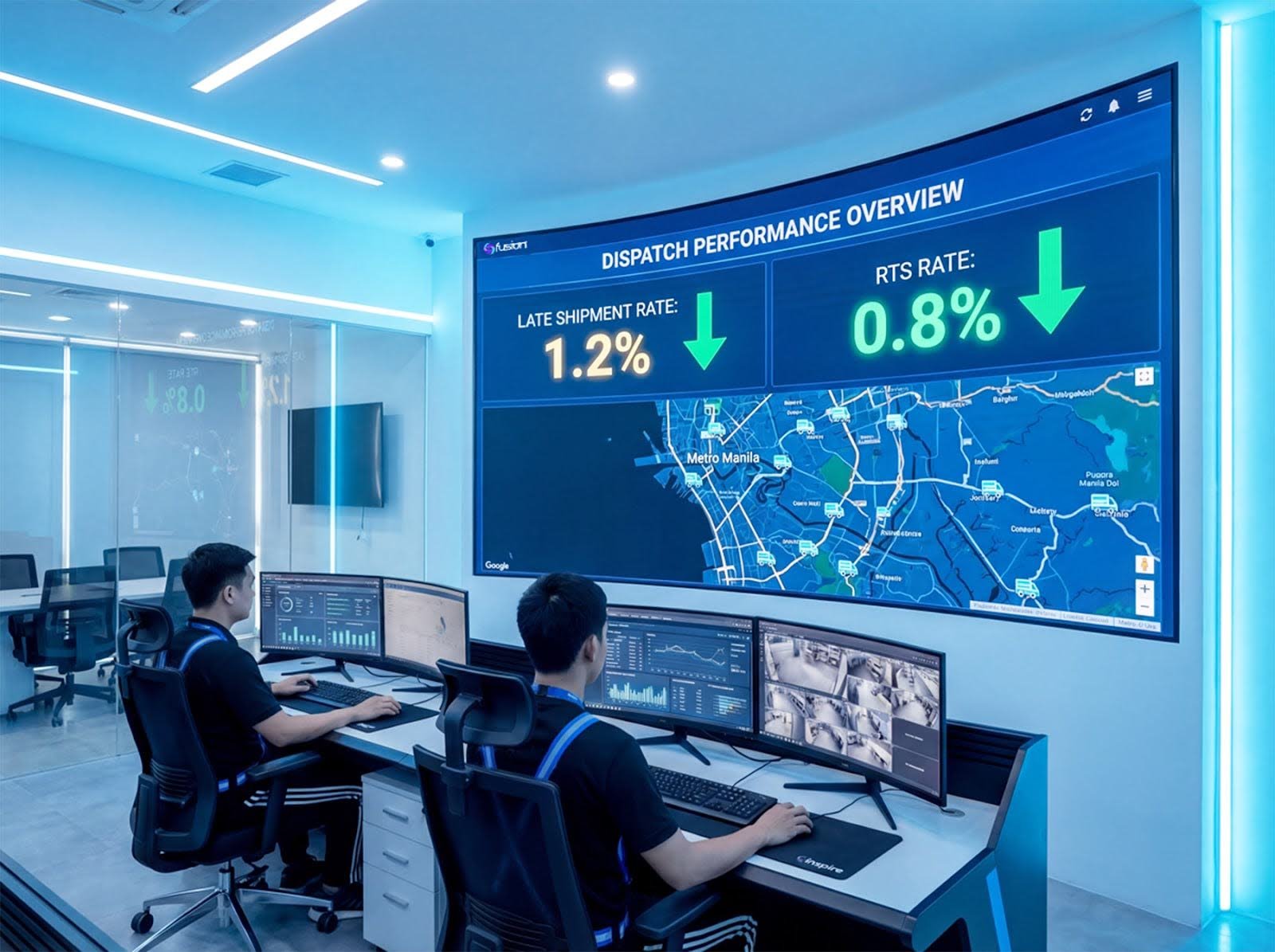
Efficient dispatch operations are the backbone of any successful e-commerce business. In the fast-paced Philippine e-commerce landscape, businesses face the dual challenge of managing multiple sales channels, including Shopee, Lazada, TikTok Shop, and direct online stores, while ensuring that every order is fulfilled accurately and delivered on time. At Inspire Solutions, we understand the operational complexities of multi-channel e-commerce and how they impact cash flow, customer satisfaction, and overall business growth.
By focusing on dispatch performance, companies can reduce delays, minimize returns, and maintain a reliable delivery experience. Optimizing dispatch processes not only improves operational efficiency but also strengthens customer trust and loyalty, which are essential in today’s competitive e-commerce market.
Dispatch performance measures how effectively orders are processed, packed, and delivered to customers. High performance ensures that orders reach customers on time, while poor performance can lead to late shipments, high RTS (returns-to-sender) rates, and increased operational costs.
In the Philippines, where e-commerce growth continues to surge, the stakes are high. Customers expect prompt delivery, and marketplaces penalize late shipments or failed deliveries. Poor dispatch performance can also disrupt cash flow, as delays in delivery can delay revenue recognition and affect working capital.
Key consequences of poor dispatch performance include:
Optimizing dispatch performance addresses these challenges by streamlining operations, improving transparency, and ensuring that each order moves seamlessly from warehouse to customer.
To achieve operational excellence, businesses must monitor specific KPIs that directly impact dispatch performance. These metrics provide actionable insights to identify bottlenecks and improve overall delivery efficiency.
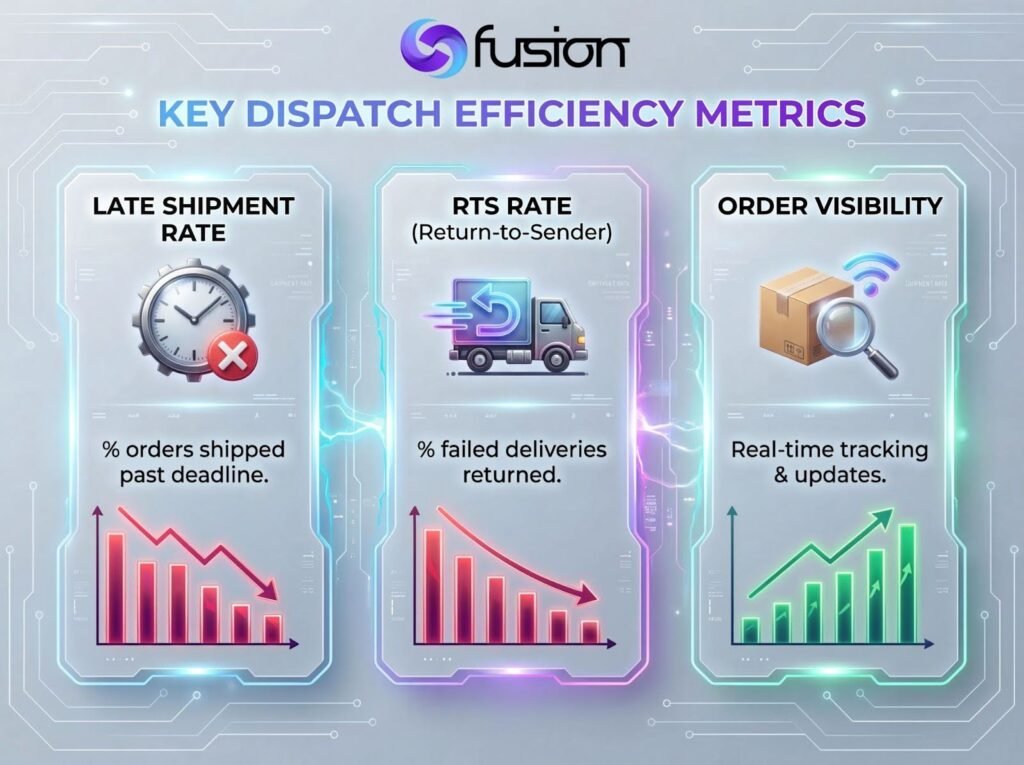
The late shipment rate measures the percentage of orders shipped after the promised dispatch date. A high late shipment rate indicates delays in order processing, picking, or packing. Tracking this metric allows businesses to:
Proactive monitoring ensures that orders are dispatched on time, maintaining customer satisfaction and protecting brand reputation.
The returns-to-sender (RTS) rate tracks the percentage of orders that are returned due to failed delivery. Common causes include incorrect addresses, customer unavailability, or courier errors. High RTS rates have several negative effects:
Minimizing RTS rates through verification processes, clear delivery instructions, and reliable courier partnerships is essential for operational stability and cost control.
Order visibility refers to the ability to track orders in real time from warehouse to delivery. Transparent tracking enables teams to:
Enhanced visibility improves team coordination, reduces errors, and increases customer trust, ultimately supporting higher dispatch performance.
Optimizing dispatch performance requires strategic planning, system integration, and proactive monitoring. Here are some best practices businesses can implement:
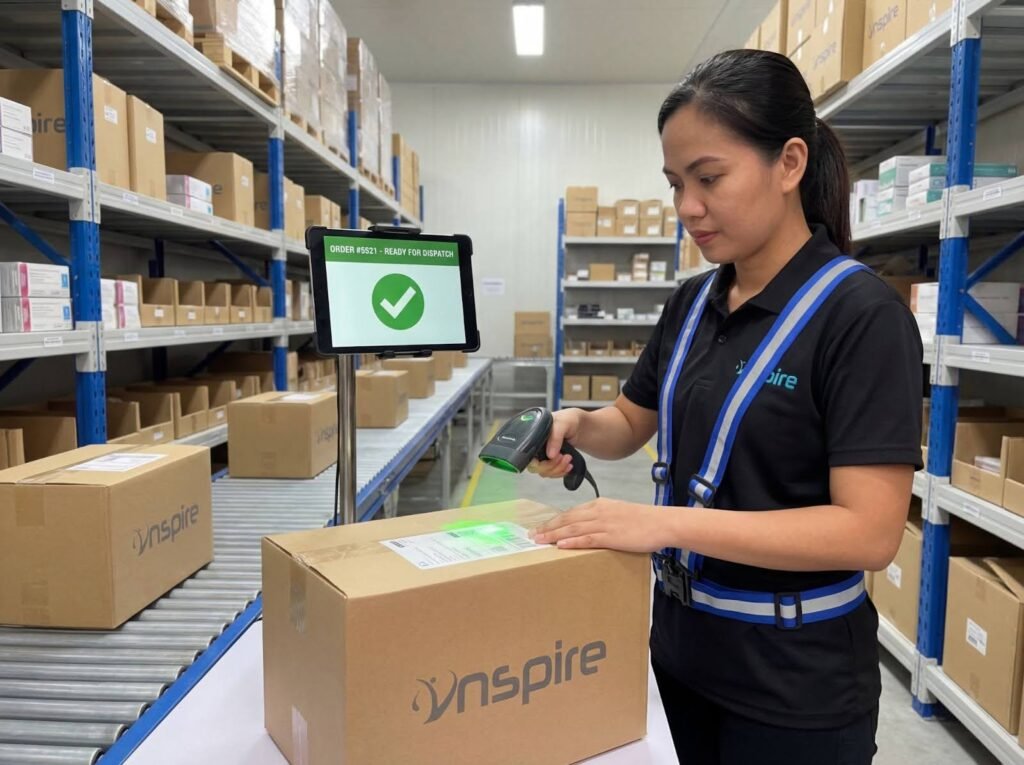
Integrating your e-commerce platforms with an order management system (OMS) allows automated order allocation, pick-and-pack workflows, and real-time inventory updates. Centralizing order data reduces errors, accelerates dispatch, and ensures accurate stock levels across multiple channels.
For example, syncing Shopee and Lazada orders in a single dashboard enables warehouse teams to prioritize orders based on delivery deadlines, reducing late shipments and improving dispatch performance.
Clear cut-off times and automated workflow alerts help ensure orders are processed promptly. Monitoring late shipment rates daily allows teams to identify potential delays before they escalate, preventing customer dissatisfaction.
During peak seasons like 11.11 or 12.12, implementing surge plans with additional staff and automated allocation helps maintain dispatch efficiency even under heavy order volumes.
High RTS rates not only disrupt operations but also impact profitability. Strategies to reduce RTS include:
By minimizing RTS, businesses save on operational costs and improve overall dispatch performance.
Investing in dashboards and tracking systems ensures end-to-end visibility for orders. Real-time updates allow warehouse teams, customer service, and management to proactively handle exceptions. For example, a delayed order can be rerouted or prioritized based on customer location, reducing late shipments and RTS occurrences.
Order visibility also helps in communicating accurate ETAs to customers, improving satisfaction and trust.
Technology is a critical enabler of high dispatch performance. E-commerce businesses can use various tools to streamline operations:
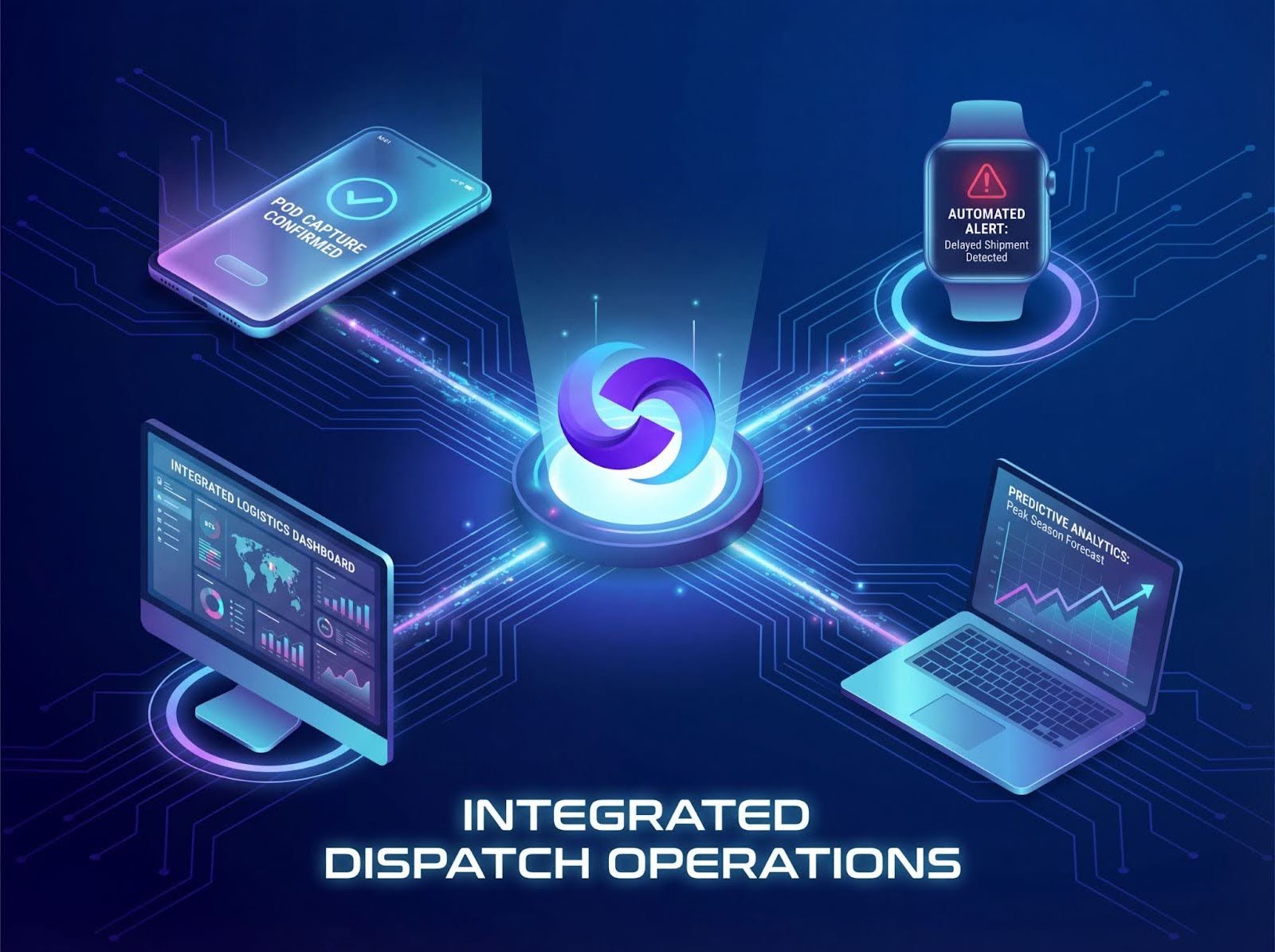
With these tools, businesses gain the visibility and control needed to enhance dispatch performance while reducing errors and operational costs.
Investing in dispatch optimization delivers multiple benefits:
By focusing on these benefits, e-commerce businesses can transform dispatch operations from a cost center into a competitive advantage.
For businesses aiming to enhance dispatch performance, a structured operational plan is essential:
Integrate Systems: Ensure OMS, WMS, ERP, and delivery platforms are connected for seamless operations.
In the competitive e-commerce market, improving dispatch performance is essential for operational efficiency, cost reduction, and enhanced customer satisfaction. By monitoring late shipment rates, minimizing RTS rates, and increasing order visibility, businesses can streamline operations, reduce operational costs, and build long-term customer trust.
Integrated systems, automated workflows, and real-time monitoring help create more predictable and scalable logistics operations for growing e-commerce businesses.
Inspire E-Commerce Solutions Inc.
Warehouse 4 & 5, C Teknik Industrial, 143 P. Gregorio Street, Valenzuela,
1442 Metro Manila
inspiresolutions.asia