
Running an online store in the Philippines is exciting, but without strong logistics management, orders can quickly turn into missed deliveries and unhappy customers. Here’s how to build a logistics strategy that works for your business.
This area of supply chain operations focuses on planning, moving, and storing goods. It covers every step, such as sourcing raw materials, keeping inventory in warehouses, and delivering finished products to customers.
For e-commerce in the Philippines, these activities are especially critical. The country’s geography of more than 7,000 islands and its dense cities means that delivery reliability can make or break customer satisfaction.
With rising order volumes, managing the flow of goods is no longer optional. It has become the backbone of growth.
There are seven key functions every business should know:
These functions need to work together, especially in high-volume e-commerce operations.
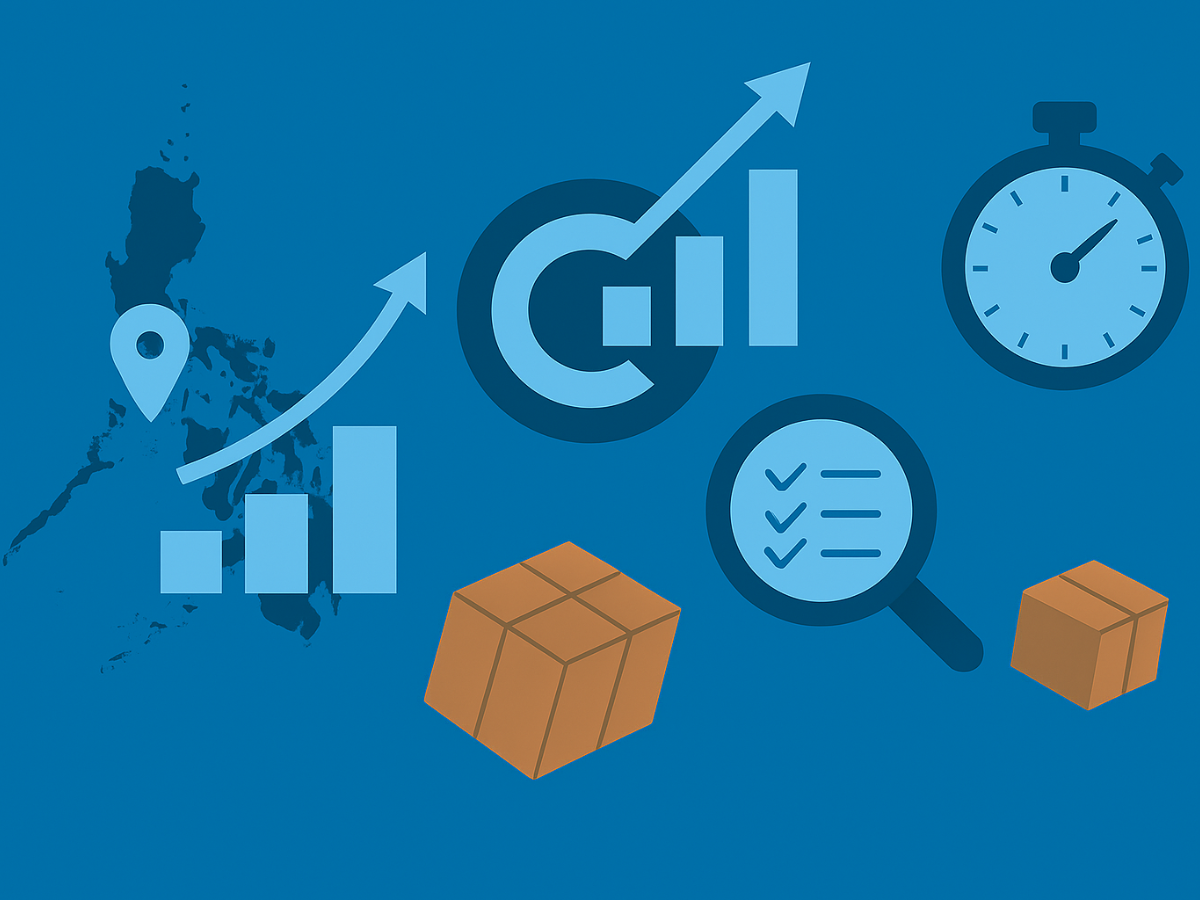
Tracking the right KPIs helps you know if your logistics are working. The most important ones to monitor are:
For an e-commerce brand in Manila, improving these numbers translates into happier customers and stronger margins.
Instead of keeping products scattered across multiple locations, many businesses benefit from using a central warehouse in Metro Manila. This setup allows orders to be processed faster and distributed more efficiently nationwide.
Last-mile delivery is often the most expensive and unpredictable step. Using route planning tools, motorcycle couriers, and strategic partnerships helps reduce delays caused by traffic congestion.
Modern logistics companies rely on Warehouse Management Systems (WMS) and Transportation Management Systems (TMS). These allow:
Customers expect choice. Offer:
By giving options, you improve satisfaction and balance costs.
More Filipino consumers now care about sustainability. Consider:
These small changes improve brand reputation while reducing costs.
The movement and storage of goods is just one part of the broader supply chain, which also covers sourcing, production, and overall strategy. For e-commerce businesses, aligning day-to-day operations with the bigger supply chain vision ensures:
In the Philippines, this often means combining logistics expertise with technology and strong local partners.
Q1: What does this process mean in simple terms?
It’s the process of moving goods from where they’re made or stored to the customer in the most efficient way possible.
Q2: What are the seven main functions involved?
Order processing, inventory management, warehousing, transportation, material handling, packaging, and customer service.
Q3: How is this different from supply chain management?
Logistics focuses on moving and storing goods. Supply chain management covers a wider scope, including sourcing, production, and strategy.
Q4: Why is it important for e-commerce?
Because fast, reliable delivery builds trust. Without strong logistics, customers will switch to competitors.
Q5: What KPIs should a business track for logistics?
On-time delivery, order accuracy, inventory turnover, cost per delivery, and perfect order rate.
Q6: What are the top logistics challenges in the Philippines?
Island geography, Metro Manila congestion, customs delays, and limited warehousing infrastructure outside Luzon.
Effective operations in the Philippines aren’t just about moving products; they’re about creating customer satisfaction and building a reliable brand.
Inspire E-Commerce Solutions Inc., a trusted logistics company in Manila, is a practical step toward handling the unique challenges of the local market.
Inspire E-Commerce Solutions Inc.
Warehouse 4 & 5, C Teknik Industrial, 143 P. Gregorio Street, Valenzuela,
1442 Metro Manila
inspiresolutions.asia