Order Management System Ecommerce for Accurate Orders and COD

E-commerce operations in the Philippines are growing rapidly, and managing orders efficiently has become critical for businesses that sell across multiple channels. From marketplaces like Lazada, Shopee, and TikTok Shop to direct web stores, online sellers must handle increasing order volumes, complex inventory flows, and cash on delivery (COD) transactions, all while keeping customers satisfied.

An order management system ecommerce acts as the backbone of operational control. It centralizes orders from multiple sales channels, syncs inventory across warehouses, ensures accurate fulfillment, and integrates payment workflows like cash on delivery service. By implementing a robust OMS, businesses can reduce errors, prevent stockouts, and streamline operations to scale efficiently.

This guide will explore how an OMS works in e-commerce, its connection to warehouses and COD, the operational benefits it provides, best practices, and how technology integration supports predictable, high-performing online operations.

Key Takeaways

  • Real-time inventory syncing prevents overselling across multiple sales channels.
  • Integrating cash on delivery service schedules into order workflows ensures timely cash collection.
  • Automated reporting and warehouse management system Philippines integration streamline inventory and payment reconciliation.
  • Alerts and prioritization help maintain fulfillment speed during peak seasons.
  • Predefined workflows and dashboards improve exception handling and operational control.

Table of Contents

Why Order Management Systems Are Essential

An OMS is more than just a digital ledger. It is a system that connects sales channels, warehouses, and logistics while providing real-time visibility into orders. Without this integration, businesses face common pain points:

order management system ecommerce
  • Overselling: Orders coming from multiple marketplaces can exceed available stock if not tracked in real time.
  • Delayed fulfillment: Without centralized order tracking, warehouses may ship late or process orders inaccurately.
  • Inconsistent financial records: COD payments and manual reconciliation create gaps in accounting.

With an OMS ecommerce solution, every order is captured centrally, updates inventory in real time, triggers warehouse actions, and integrates payment workflows. This ensures that every order is fulfilled accurately and efficiently.

How an OMS Connects with Warehouse Operations

Warehouses are the physical backbone of e-commerce fulfillment. When connected to an OMS:

order management system ecommerce
  • Inventory synchronization: The OMS updates stock levels automatically as orders are placed and fulfilled. Integrating with warehouse management system Philippines prevents overselling and ensures accurate inventory reporting.
  • Picking and packing optimization: Orders are sent to the warehouse in real time, allowing teams to prioritize shipments based on urgency, COD requirements, or marketplace SLAs.
  • Inbound integration: Stock arriving from suppliers, including items cleared through customs clearance Philippines, can be logged directly into the OMS.
  • Operational visibility: Warehouse managers can track order progress, monitor delays, and ensure accuracy at every stage.

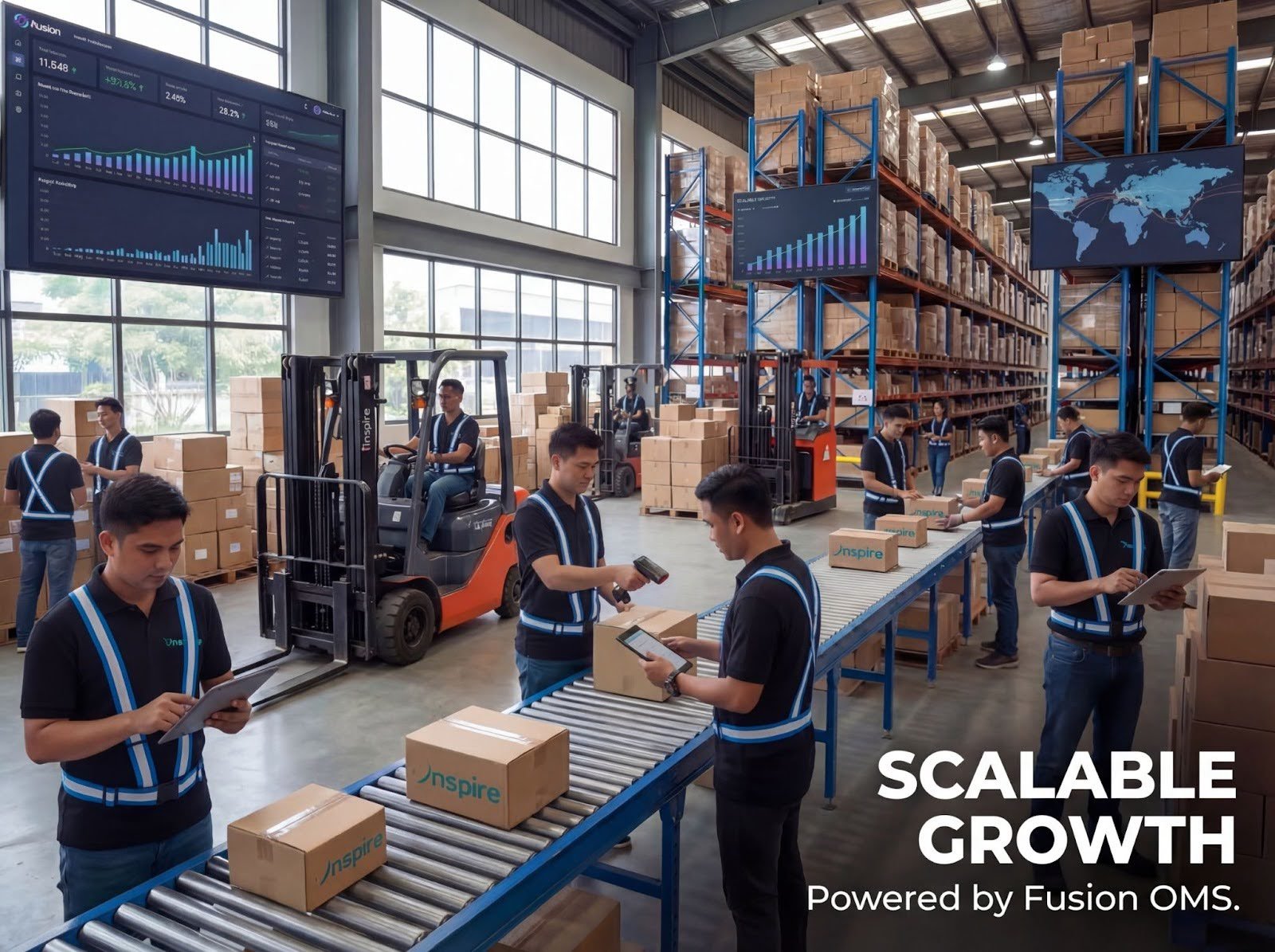
An integrated OMS and warehouse system help maintain inventory truth, reduce errors, and enable scalable operations.

Managing COD with an OMS

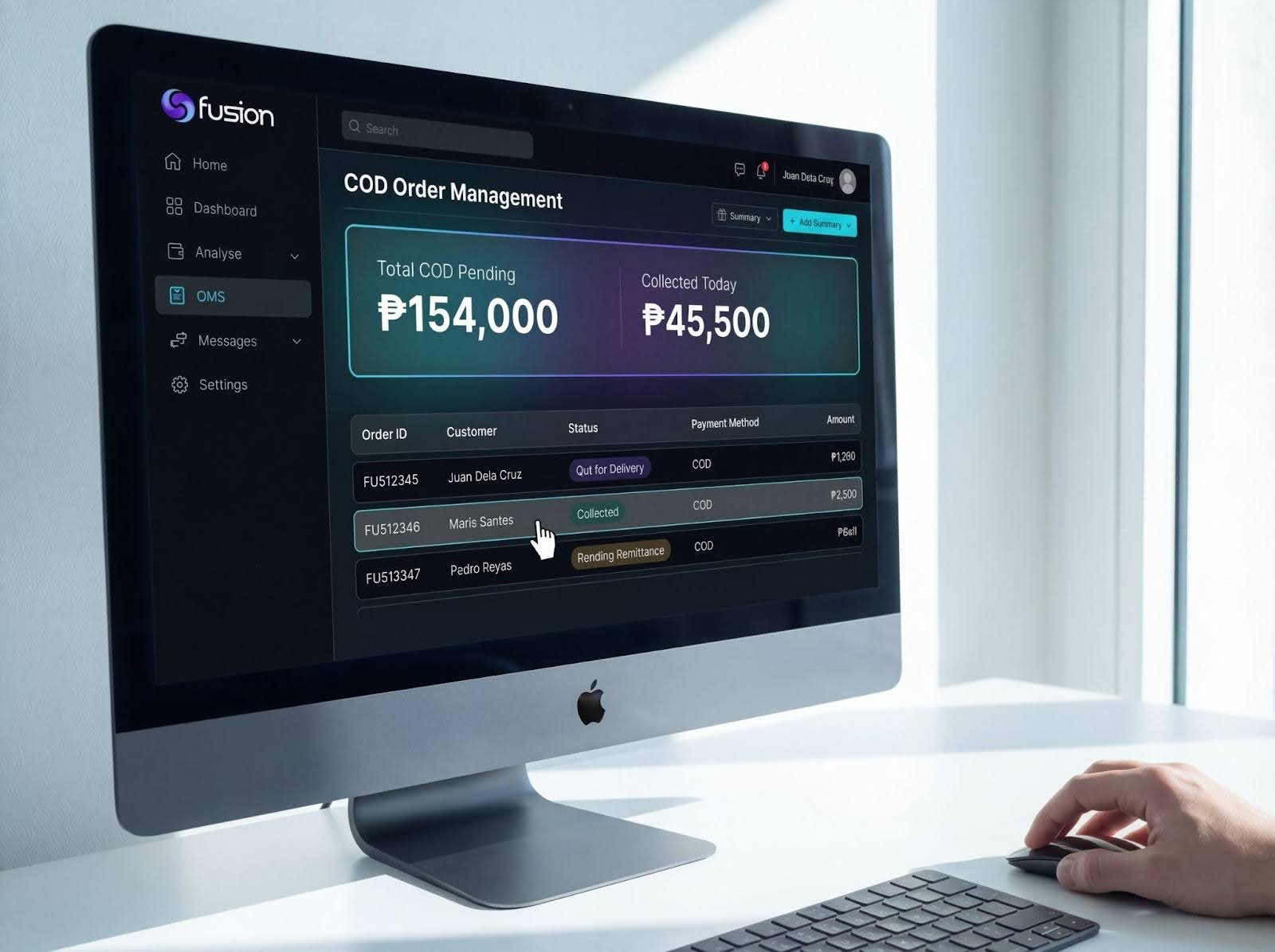
Cash on delivery service is a popular payment method in the Philippines, but it introduces operational complexities:
order management system ecommerce
  • Timely availability of stock: Delayed deliveries can impact the ability to collect COD payments on time.
  • Order prioritization: COD orders often require faster processing to maintain cash flow.
  • Financial reconciliation: Integrating COD data into the OMS ensures accurate revenue tracking and reporting.

By connecting COD workflows to an OMS, businesses can align stock allocation, delivery schedules, and payment collections. This integration reduces missed collections, optimizes cash conversion cycles, and ensures smooth customer experiences.

Operational Benefits of an OMS for E-Commerce

Implementing an order management system ecommerce solution brings measurable advantages:

  1. Real-Time Order Visibility: Centralized dashboards show all incoming orders across marketplaces and web stores, including pending shipments cleared through customs clearance Philippines.
  2. Automated Exception Handling: Orders impacted by stock shortages, delivery delays, or COD issues can trigger automatic alerts.
  3. Streamlined Fulfillment: Orders flow seamlessly from the OMS to warehouse picking and packing, leveraging warehouse management system Philippines for efficiency.
  4. Financial Accuracy: Integration of payment data, including COD, ensures revenue is recognized correctly and reconciled with inventory and shipments.
  5. Scalable Operations: OMS ensures predictable workflows and adherence to service-level agreements (SLAs) without increasing headcount or errors.

Best Practices for OMS Implementation

To maximize the value of an OMS ecommerce solution, businesses should follow these operational best practices:

  • Centralize orders from all channels to prevent duplication or stock misalignment.
  • Integrate with warehouse management system Philippines for real-time stock visibility.
  • Automate alerts for cash on delivery service delays and exceptions.
  • Track KPIs consistently: order fulfillment SLA, COD collection rate, inventory turnover.
  • Plan for peak seasons to avoid stockouts and missed revenue opportunities.

By following these practices, e-commerce businesses can turn order management from a reactive process into a proactive, scalable function.

KPIs to Measure OMS Performance

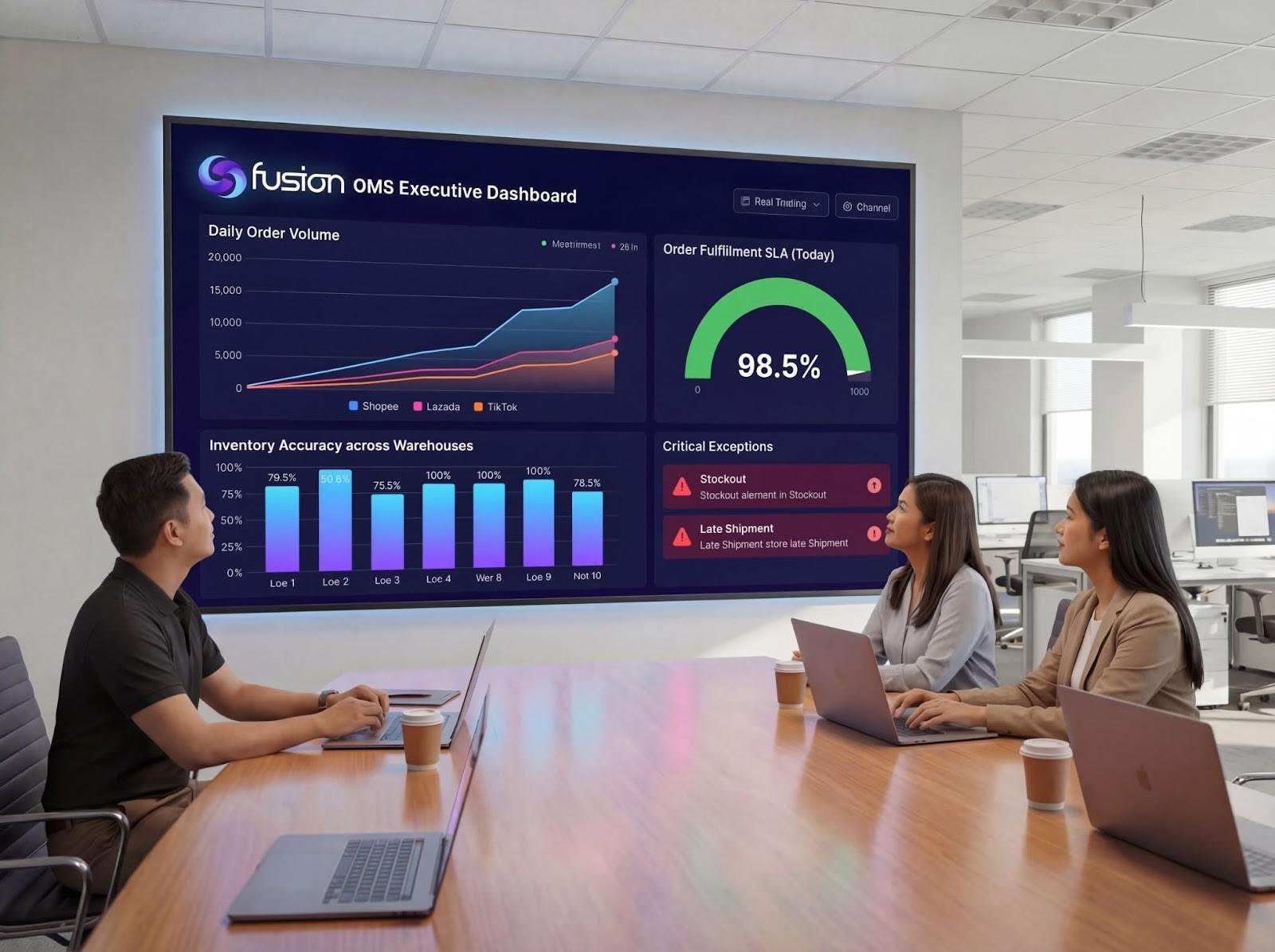
Monitoring key performance indicators ensures the system delivers value:
order management system ecommerce
  • Order Fulfillment SLA: Percentage of orders shipped within agreed timelines.
  • COD Collection Rate: Successful cash collections versus total COD orders.
  • Inventory Accuracy: Accuracy across warehouse management system Philippines.
  • Exception Rate: Number of orders impacted by delays or stockouts.
  • Operational Lead Time: Time from order placement to delivery confirmation.

Real-time dashboards allow management teams to detect issues early and optimize workflows for efficiency and reliability.

Technology Tools to Enhance OMS Functionality

Modern e-commerce benefits from integrating OMS with complementary technologies:

  • Workflow Automation: Automatically allocate stock, schedule deliveries, and prioritize COD orders based on defined rules.
  • Centralized Dashboards: Consolidate order, inventory, and payment data in one interface for quick decision-making.
  • Alerts and Notifications: Immediate updates for exceptions, delays, or payment failures.
  • ERP Integration: Link OMS to enterprise resource planning systems for end-to-end financial and operational control.

These tools reduce manual errors, speed up order processing, and improve predictability in e-commerce operations.

Operational Playbook for E-Commerce Growth

High-growth e-commerce businesses in the Philippines need a structured approach:

  1. Forecast Demand: Align order processing capacity and warehouse readiness with anticipated sales volumes.
  2. Digitize Processes: Use electronic order logging, barcode scanning, and automated updates to reduce errors.
  3. Integrate Systems: Ensure OMS, warehouse management, ERP, and COD workflows are connected for seamless operations.
  4. Monitor and Adjust: Track KPIs daily and adjust allocation, fulfillment, and delivery schedules as needed.
  5. Continuous Improvement: Review workflows quarterly to optimize exception handling, warehouse allocation, and COD collection.

This playbook ensures smooth execution and predictable scaling while maintaining high customer satisfaction.

Common Challenges and OMS Solutions

  • Orders oversold across multiple channels
    Real-time inventory syncing prevents stock conflicts and ensures accurate availability.

  • Delayed COD collections
    Integrate COD schedules into order workflows for timely cash collection.

  • Manual reconciliation of inventory and payments
    Automated reporting and integration with ERP and WMS streamline financial tracking.

  • Fulfillment delays during peak seasons
    Automated alerts and order prioritization ensure high-demand shipments are processed on time.

  • Inefficient exception handling
    Predefined workflows and dashboards allow quick resolution of order or inventory issues.

Control from Orders to Customs

Centralized order management system ecommerce solutions are critical for growing online businesses. By integrating OMS with warehouses, cash on delivery workflows, ERP systems, and customs clearance Philippines, businesses gain real-time visibility, reduce errors, and optimize operational efficiency.

This integration enables predictable fulfillment, timely COD collections, and better inventory control, providing a foundation for scalable growth in the Philippines’ competitive e-commerce landscape.

Inspire E-Commerce Solutions Inc.
Warehouse 4 & 5, C Teknik Industrial, 143 P. Gregorio Street, Valenzuela,
1442 Metro Manila
inspiresolutions.asia
order management system ecommerce

Exclusive for You

  1. Get a Free Quote – Learn how integrated OMS, warehouse, and COD workflows can improve accuracy and operational control.

  2. Schedule a Meeting – Discover how real-time dashboards and workflow automation can make e-commerce operations more efficient, predictable, and scalable.

Links to Important Sections You Might Need