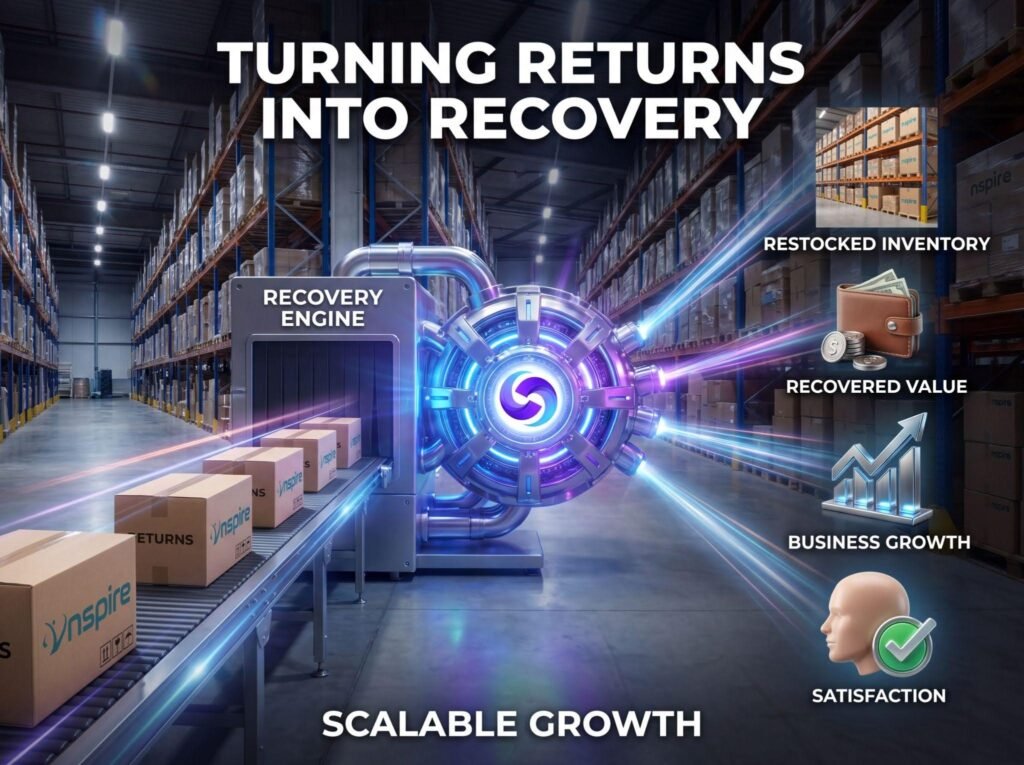
In modern e-commerce, not every order follows a perfect path from checkout to delivery. Returns, failed deliveries, wrong items, damaged goods, and customer disputes are part of daily operations. Because of this reality, businesses need a structured system to manage what happens after a delivery attempt does not go as planned.
This is where the returns workflow becomes essential. It defines how businesses handle returned products, failed deliveries, and order recovery processes in a structured and measurable way. Without a clear workflow, operations become fragmented, leading to higher costs, slower resolutions, and poor customer experience.
In the Philippines, where e-commerce platforms like Shopee and Lazada dominate online retail, return-related inefficiencies can significantly impact seller performance. Metrics like RTS rate and failed delivery frequency directly influence visibility, ratings, and profitability.
This article explores how a structured returns workflow shapes order recovery systems, reduces operational inefficiencies, and improves overall e-commerce performance.
A returns workflow refers to the step-by-step process that handles returned, undelivered, or rejected orders. It includes everything from identifying the issue to processing the returned item back into inventory or completing a refund.
In a well-structured system, the returns workflow is not treated as an afterthought. Instead, it is integrated into the entire order lifecycle, from fulfillment to post-delivery analysis.
A typical returns workflow includes:
Each step must be consistent and traceable to avoid operational gaps.
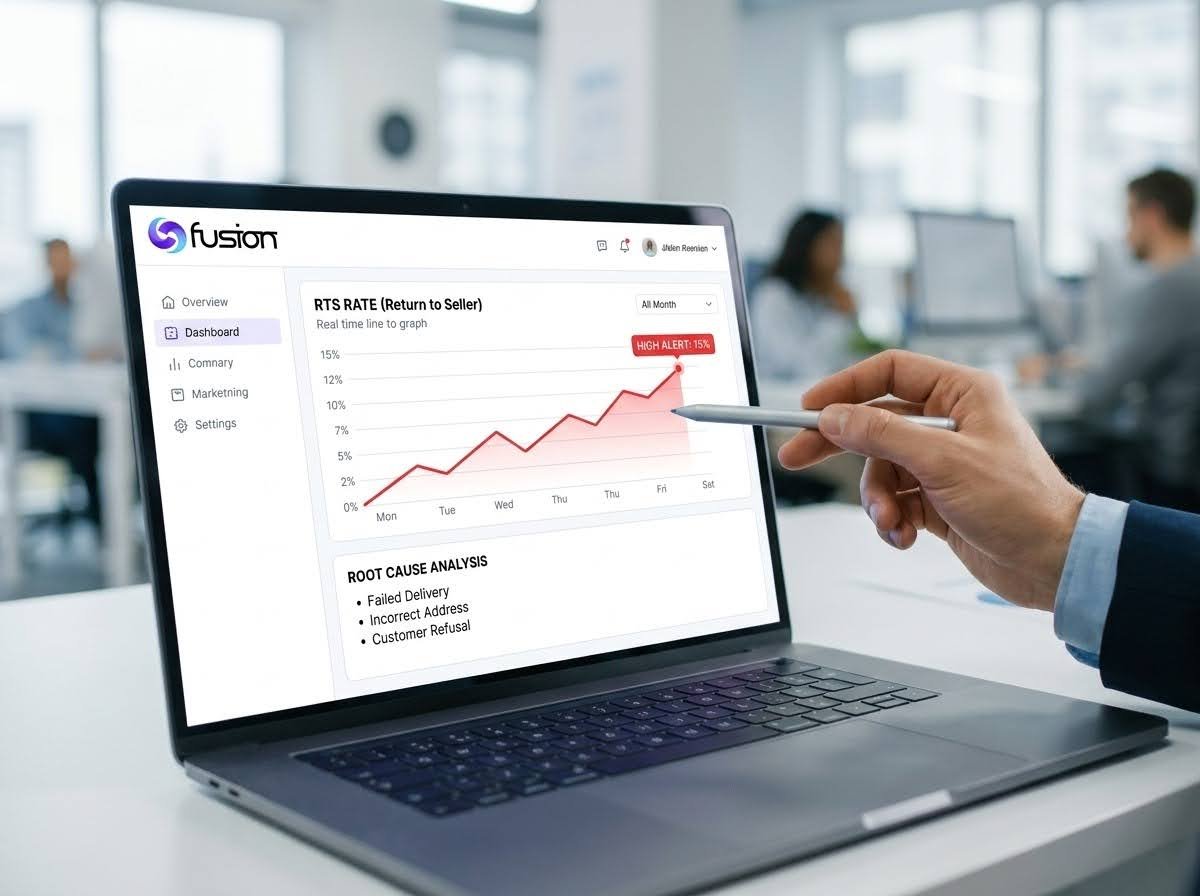
One of the most important performance indicators in e-commerce returns is the RTS rate (Return to Seller rate). This metric tracks how often shipped orders are returned to the seller instead of being successfully delivered.
A high RTS rate often indicates deeper operational issues, such as:
Returns workflow plays a direct role in managing the RTS rate. When the workflow is efficient, businesses can quickly identify why returns are happening and implement corrective actions.
For example, if a large portion of RTS cases is caused by failed deliveries, the business can improve delivery confirmation processes or enhance customer communication before dispatch.

A strong returns workflow is closely linked to failed delivery prevention. In many cases, returns begin not at the warehouse, but during the last-mile delivery process.
Failed deliveries often occur due to:
When these issues are not addressed, they eventually lead to returns and an increased RTS rate.
By integrating failed delivery prevention strategies into the returns workflow, businesses can reduce unnecessary returns before they happen. This includes validating customer details, improving delivery scheduling, and enhancing courier communication systems.
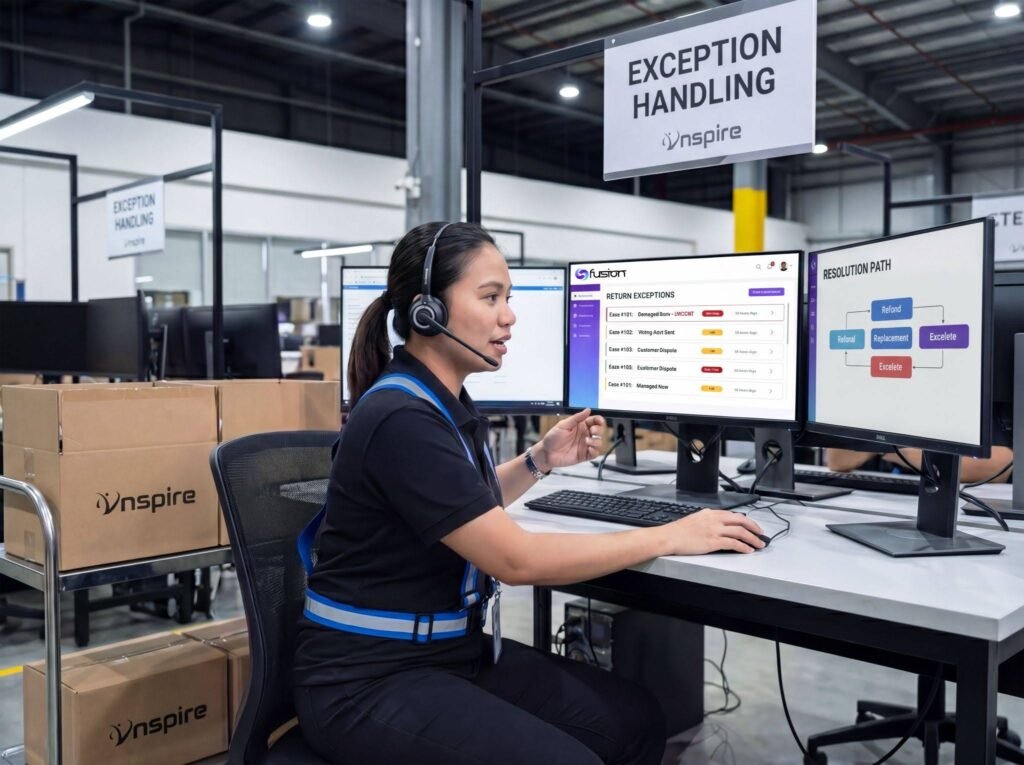
No matter how efficient an e-commerce operation is, exceptions will always occur. These exceptions may include damaged items, lost packages, delivery delays, or customer disputes.
This is where exception handling becomes a critical part of the returns workflow.
Exception handling ensures that:
Without proper exception handling, small issues can escalate into larger operational disruptions. For example, a delayed return processing cycle can lead to refund delays, customer dissatisfaction, and increased support tickets.
A well-designed returns workflow integrates exception handling directly into its structure, ensuring that disruptions are managed quickly and consistently.
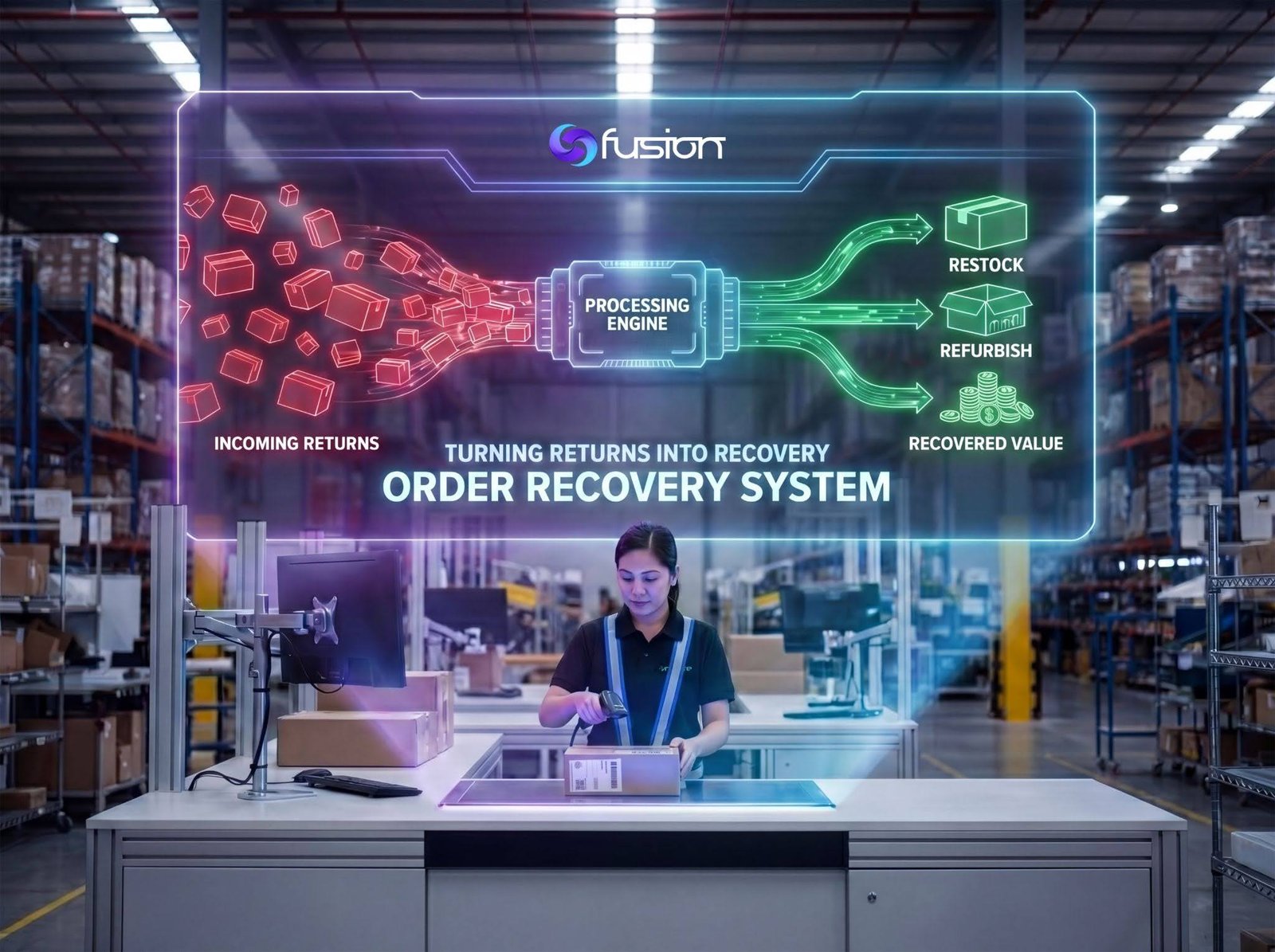
The concept of order recovery systems refers to the process of salvaging value from failed or returned orders. Instead of treating returns as losses, businesses can recover value through structured processes.
Order recovery systems may include:
When the returns workflow is properly structured, order recovery becomes more efficient and less costly. Businesses can reduce waste, recover inventory faster, and maintain better control over stock levels.
A strong returns workflow directly improves overall operational efficiency in several ways:
1. Faster Resolution Time
Clear workflows reduce delays in identifying and processing returns.
2. Better Inventory Control
Returned items are quickly reintegrated into inventory systems, improving stock accuracy.
3. Reduced Operational Costs
Efficient handling reduces manual labor, storage costs, and logistics expenses.
4. Improved Customer Experience
Faster refunds and replacements lead to higher customer satisfaction.
5. Data-Driven Improvements
Structured workflows generate data that helps identify recurring issues and optimize operations.
Modern e-commerce operations rely heavily on system integration. Returns workflow must connect with other systems such as inventory management, order management, and logistics tracking.
Without integration, returns become fragmented and difficult to track. This leads to errors such as:
Integrated systems ensure that every return is automatically logged, tracked, and resolved within a unified platform. This improves transparency and reduces manual workload.
Technology is a key driver in improving returns workflow efficiency. Many businesses now use automation tools and e-commerce platforms to streamline return processes.
Key technological improvements include:
These tools allow businesses to identify patterns and make proactive decisions instead of reacting to issues after they occur.
Lowering the RTS rate requires a combination of process improvement and technology adoption. A well-optimized returns workflow helps reduce RTS cases by addressing root causes early.
Some effective strategies include:
When these improvements are integrated into the workflow, the RTS rate naturally decreases over time.
Returns are often seen as a cost center, but when managed properly, they can contribute to business growth. A structured returns workflow ensures that businesses maintain control over losses while improving operational efficiency.
By reducing the RTS rate, improving exception handling, and strengthening order recovery systems, businesses can:
In competitive e-commerce environments like the Philippines, these advantages are critical for long-term success.
A well-structured returns workflow is essential for modern e-commerce operations. It not only manages returned products but also shapes how businesses recover value, reduce inefficiencies, and improve customer satisfaction.
By integrating RTS rate management, failed delivery prevention, and exception handling, businesses can build stronger order recovery systems that support long-term scalability.
In today’s fast-moving digital marketplace, returns are inevitable. However, how businesses handle them determines whether they become a loss or an opportunity for optimization and growth.
Inspire E-Commerce Solutions Inc.
Warehouse 4 & 5, C Teknik Industrial, 143 P. Gregorio Street, Valenzuela,
1442 Metro Manila
inspiresolutions.asia