
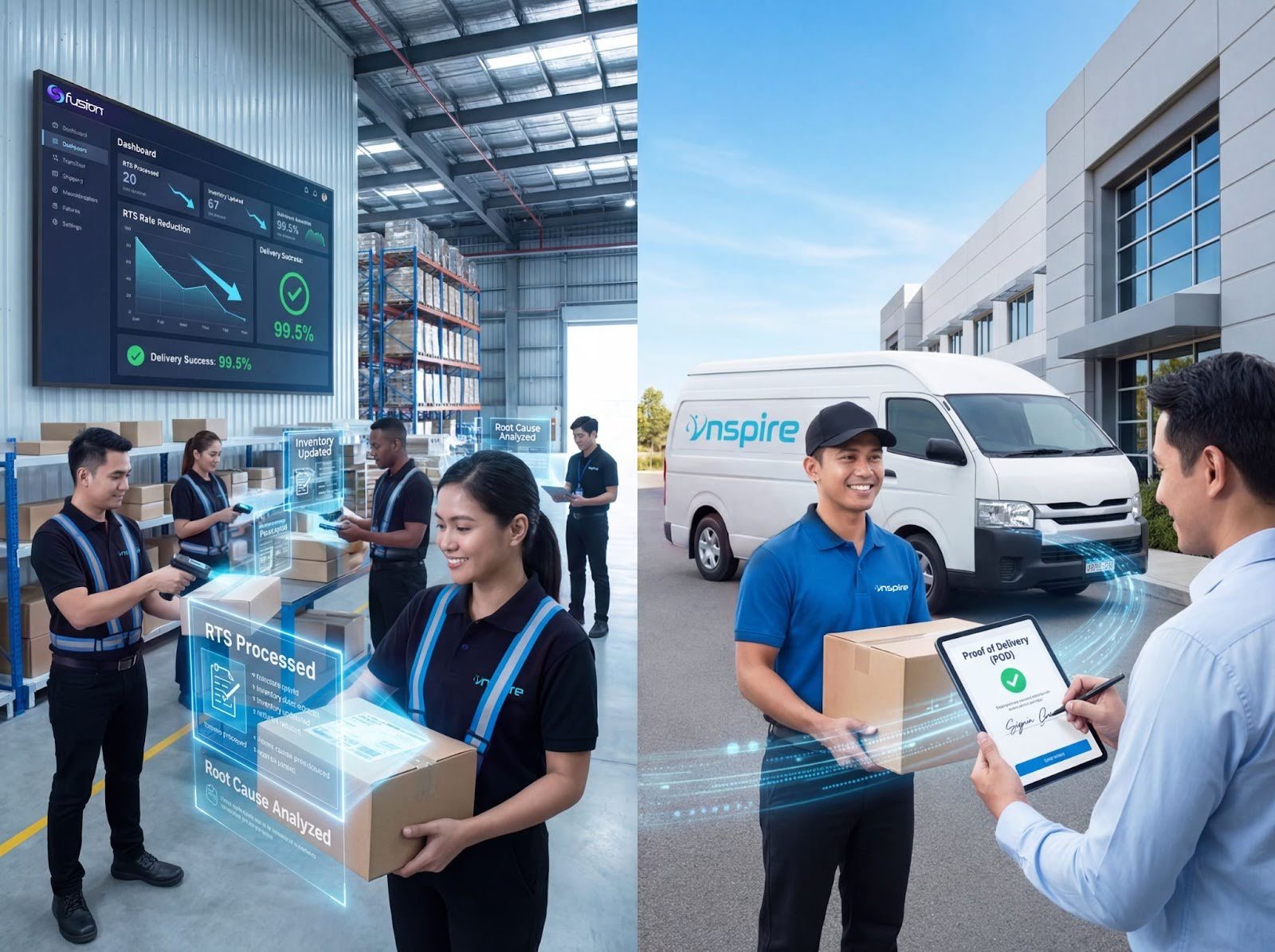
Peak sales events like 11.11 and 12.12 on Shopee and Lazada bring massive growth opportunities for brands, but they also stress-test every operational process. A single breakdown, such as mismanaged inventory, delayed pick-pack processes, or missed cut-off times, can ripple across your fulfillment network, increasing costs and frustrating customers.
Balancing operational cost with flawless customer experience (CX) is a delicate act. The key to success is a structured peak season fulfillment checklist that aligns teams, systems, and processes for seamless operations during high-volume sales events.
This guide explores what breaks first during peak seasons, how to prevent it, and actionable steps for maintaining smooth Shopee and Lazada operations while keeping cost and CX under control.
Even experienced teams see repeat mistakes every year. During 11.11 and 12.12, certain operational areas are prone to failure:
Inventory Misalignment – Without real-time stock updates, overselling occurs, leading to canceled orders and customer complaints.
Pick-Pack Surge Failures – High order volumes overwhelm warehouse staff if shifts and resources aren’t adjusted. Missed scans, wrong items, and delayed packaging increase operational costs.
Missed Cut-Off Times – Cut-offs define dispatch deadlines. Missing them triggers marketplace penalties, increases RTS rate, and erodes CX.
Dispatch Bottlenecks – Even if pick-pack runs smoothly, inefficient coordination with carriers or last-mile delays can ruin your delivery SLA.
Technology Lapses – Outdated or disconnected systems prevent real-time monitoring of inventory, orders, and warehouse KPIs.
A proper peak season fulfillment checklist addresses these weak points before they cause issues, minimizing costs and protecting customer satisfaction.
Warehouse readiness is the backbone of a successful peak season. Key focus should focus on:
Stock Audits Pre-Peak
Staffing for Pick-Pack Surges
Cut-Off Time Planning
Packing Material & Equipment Check
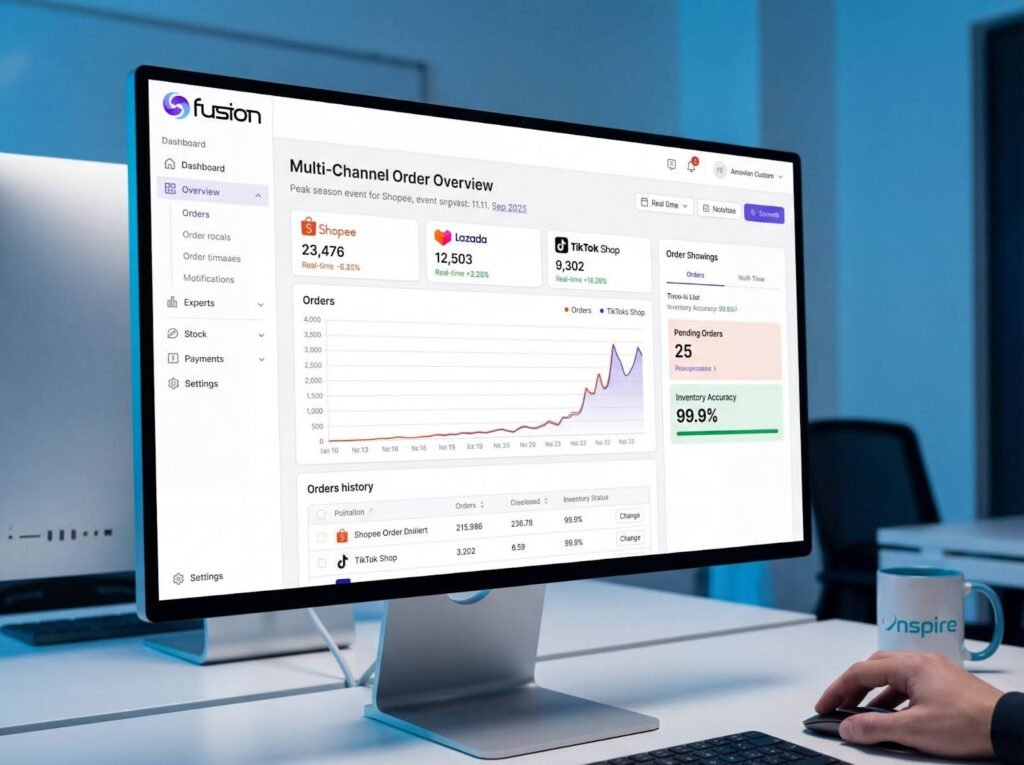
During peak season, real-time visibility is your best ally:
Centralized Dashboards
Automated Alerts
OMS & WMS Integration
Analytics & Reporting
Operational discipline ensures small errors don’t snowball:
Exception Queues
Cycle Counts & Inventory Audits
Cut-Off Policies
Operational SOPs

Shopee
Lazada
Cross-Platform Strategies
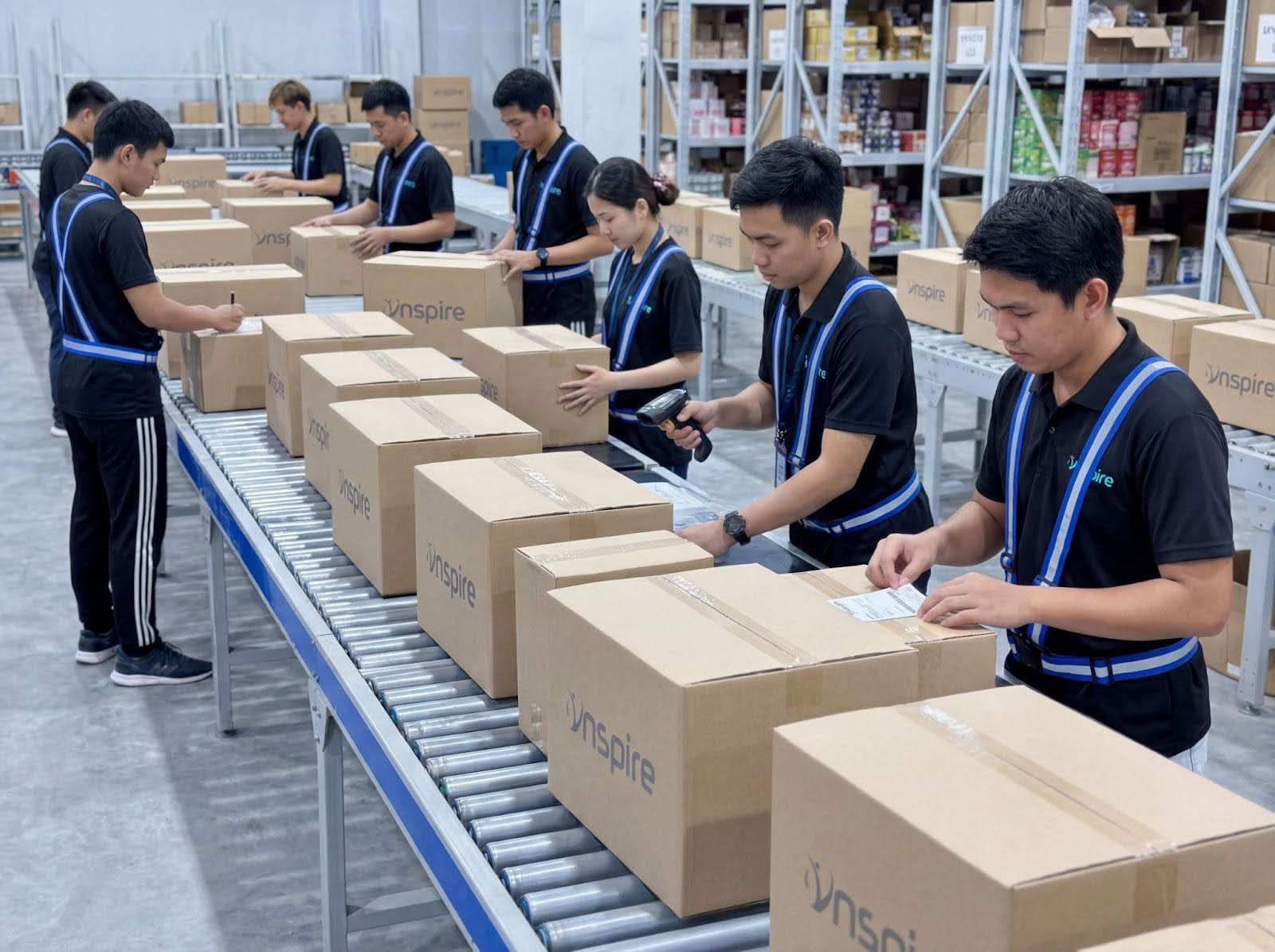
Peak events multiply daily order volumes 3–5x. To prevent errors and operational cost spikes:
Temporary Staff Planning
Batch Processing & Zones
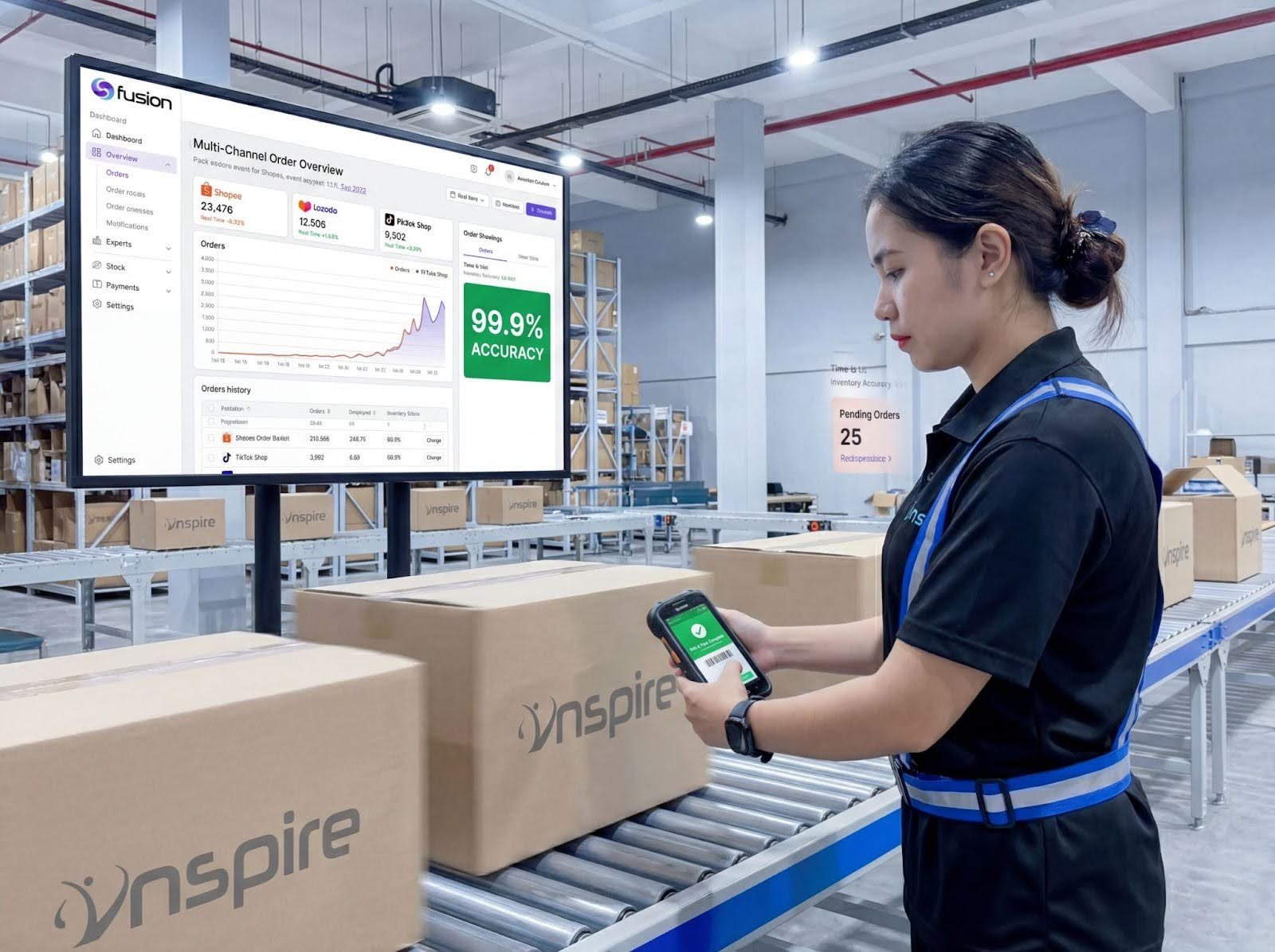
Real-Time Monitoring
Automation Where Possible
After peak events, teams should analyze operational performance:
Metrics to Review
Continuous Improvement
What should a peak season fulfillment checklist include?
Inventory audits, staffing plans, cut-off times, exception queues, real-time dashboards, and post-peak reviews.
How do I handle pick-pack surges efficiently?
Increase staff, streamline warehouse flows, and monitor SLA in real-time.
Why are cut-off times critical for 11.11 and 12.12?
Missing cut-offs delays dispatch, triggers penalties, and frustrates customers.
Can technology prevent fulfillment breakdowns?
Yes, integrated OMS/WMS systems and automated alerts provide visibility and control.
How often should inventory be checked during peak season?
High-volume SKUs: daily; slow-moving SKUs: weekly.
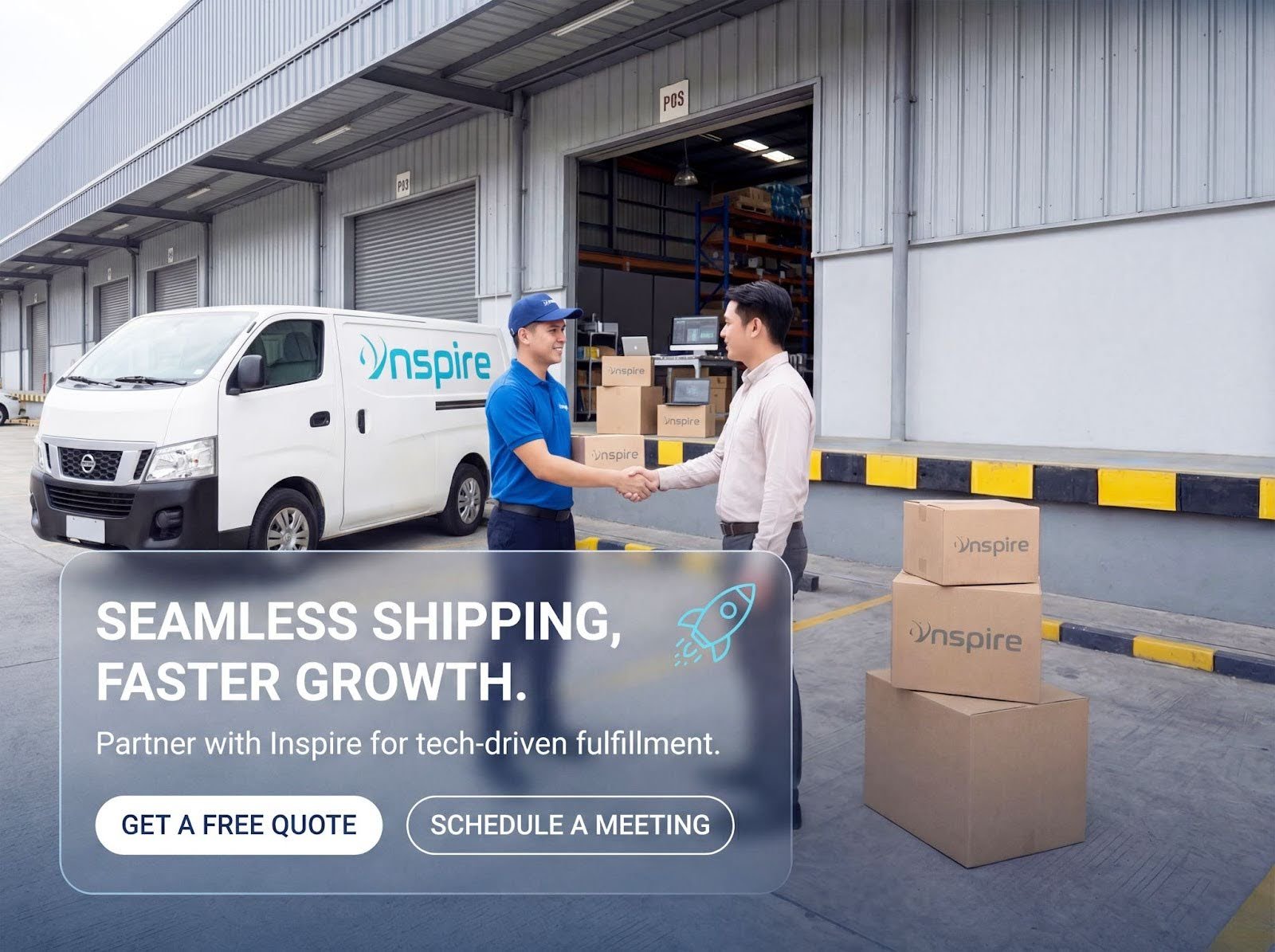
Peak sales events like 11.11 and 12.12 test every part of your fulfillment operations. By following a structured peak season fulfillment checklist, monitoring pick-pack surge, and enforcing cut-off times, brands can prevent delays, reduce errors, and keep customer experience consistent.
Proper preparation for 11.11 logistics and 12.12 preparation ensures that teams, systems, and processes stay aligned, operational costs are controlled, and orders are delivered on time. Implementing these practices lets your Shopee and Lazada operations scale efficiently while protecting revenue and customer trust.
Inspire E-Commerce Solutions Inc.
Warehouse 4 & 5, C Teknik Industrial, 143 P. Gregorio Street, Valenzuela,
1442 Metro Manila
inspiresolutions.asia