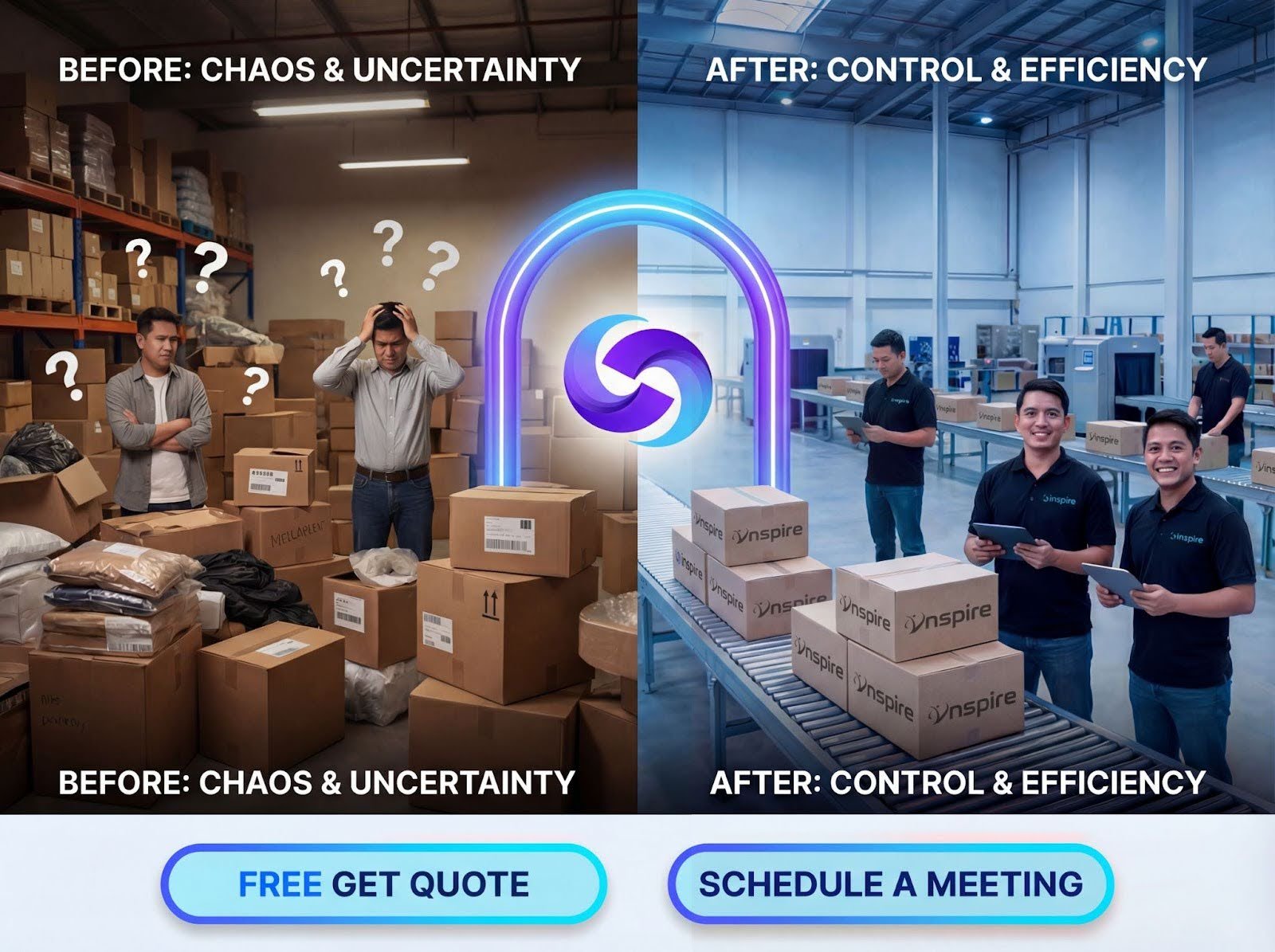
An ecommerce control tower is more than a technology solution. For modern online businesses, it serves as the central hub for monitoring, coordinating, and optimizing logistics operations. The promise of visibility goes beyond tracking orders, focusing instead on connecting systems, detecting exceptions in real-time, and ensuring that daily operations run smoothly.
Order fulfillment delays, mismanaged stock, and missed delivery commitments are common pain points for growing e-commerce businesses. A control tower consolidates data from multiple sources, providing actionable insights that help teams respond faster, reduce errors, and maintain customer trust.
In this guide, we explore what visibility really means in the context of daily e-commerce operations, how to implement a control tower effectively, and how KPIs, workflows, and exception handling can transform logistics into a predictable and scalable function.
At its core, an ecommerce control tower centralizes information from warehouse management systems (WMS), order management systems (OMS), and transportation platforms. By providing a single source of truth, it allows teams to:
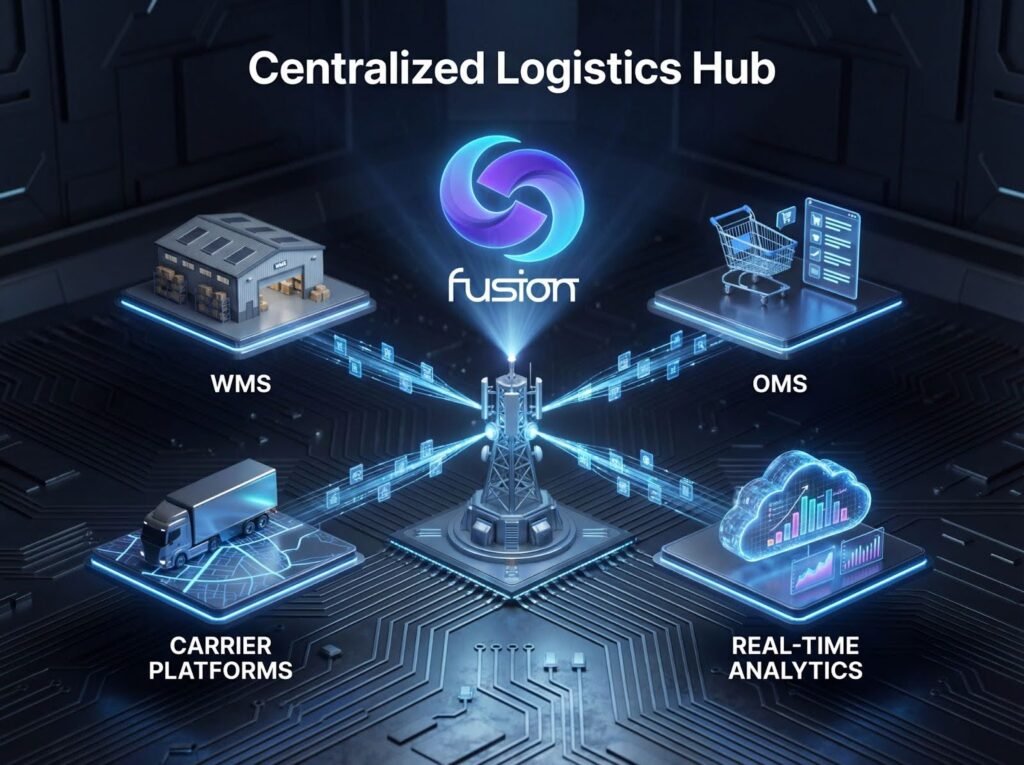
Control towers combine technology with operational discipline. Without standardized workflows, even the most advanced dashboard is limited. The real value lies in connecting data to action, turning visibility into operational efficiency.
Additionally, control towers can help businesses scale across multiple channels, including marketplaces, social commerce, and direct-to-consumer websites. By connecting all touchpoints, teams gain a comprehensive view of inventory availability, shipment status, and potential disruptions.
Visibility is often used as a generic term, but in daily operations, it has precise implications:
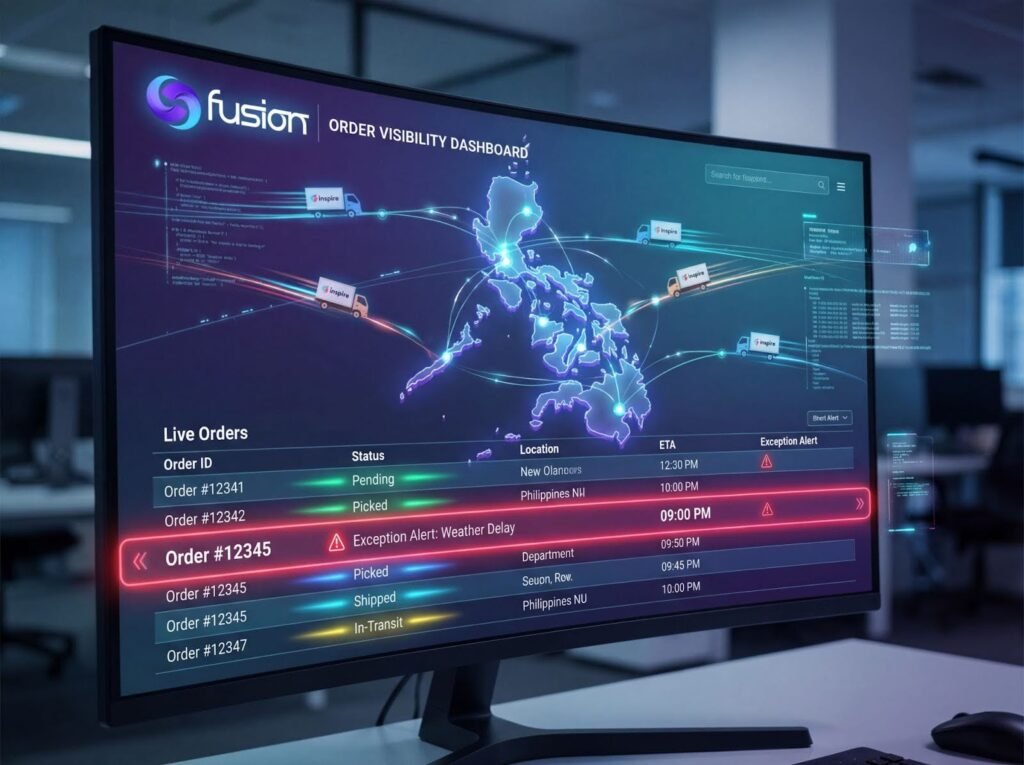
True visibility enables operational teams to make proactive decisions. For example, if a warehouse experiences a sudden stock shortage, the control tower can alert the team to reroute inventory from other locations before orders are delayed. Similarly, delivery exceptions can trigger automated responses, such as notifying customers of adjusted delivery windows.
To deliver meaningful visibility, a control tower must include several critical elements:
Dashboards provide a quick overview of operational performance. Common KPIs include:
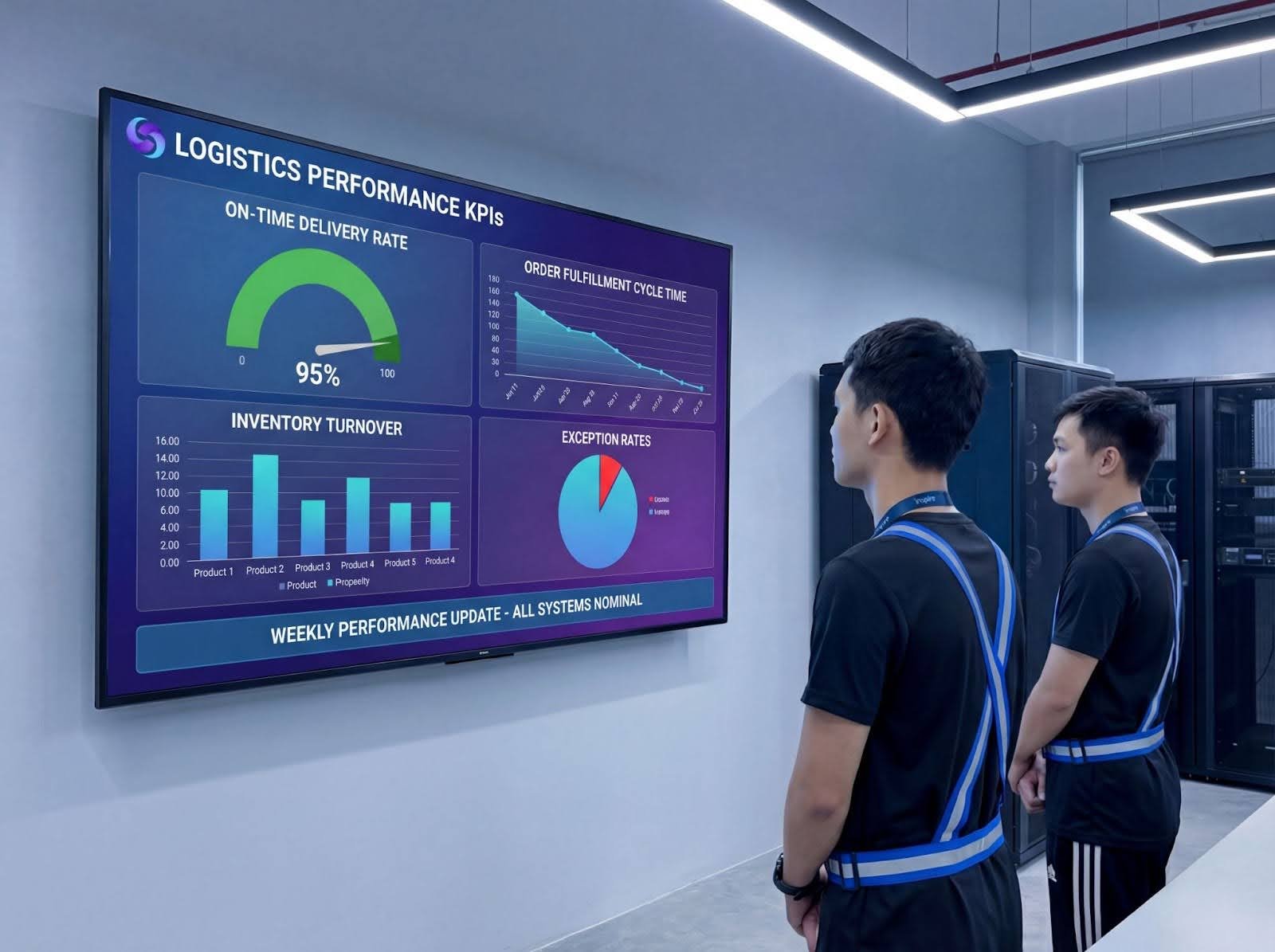
By monitoring these KPIs, managers can identify trends, allocate resources proactively, and continuously improve operations. Dashboards also help identify recurring bottlenecks, such as frequent delays from specific carriers or regions, allowing teams to implement corrective measures.
Not all orders go as planned. Delays, stock-outs, or mis-picks can occur. Exception handling processes ensure that these issues are flagged and resolved quickly. Examples include:
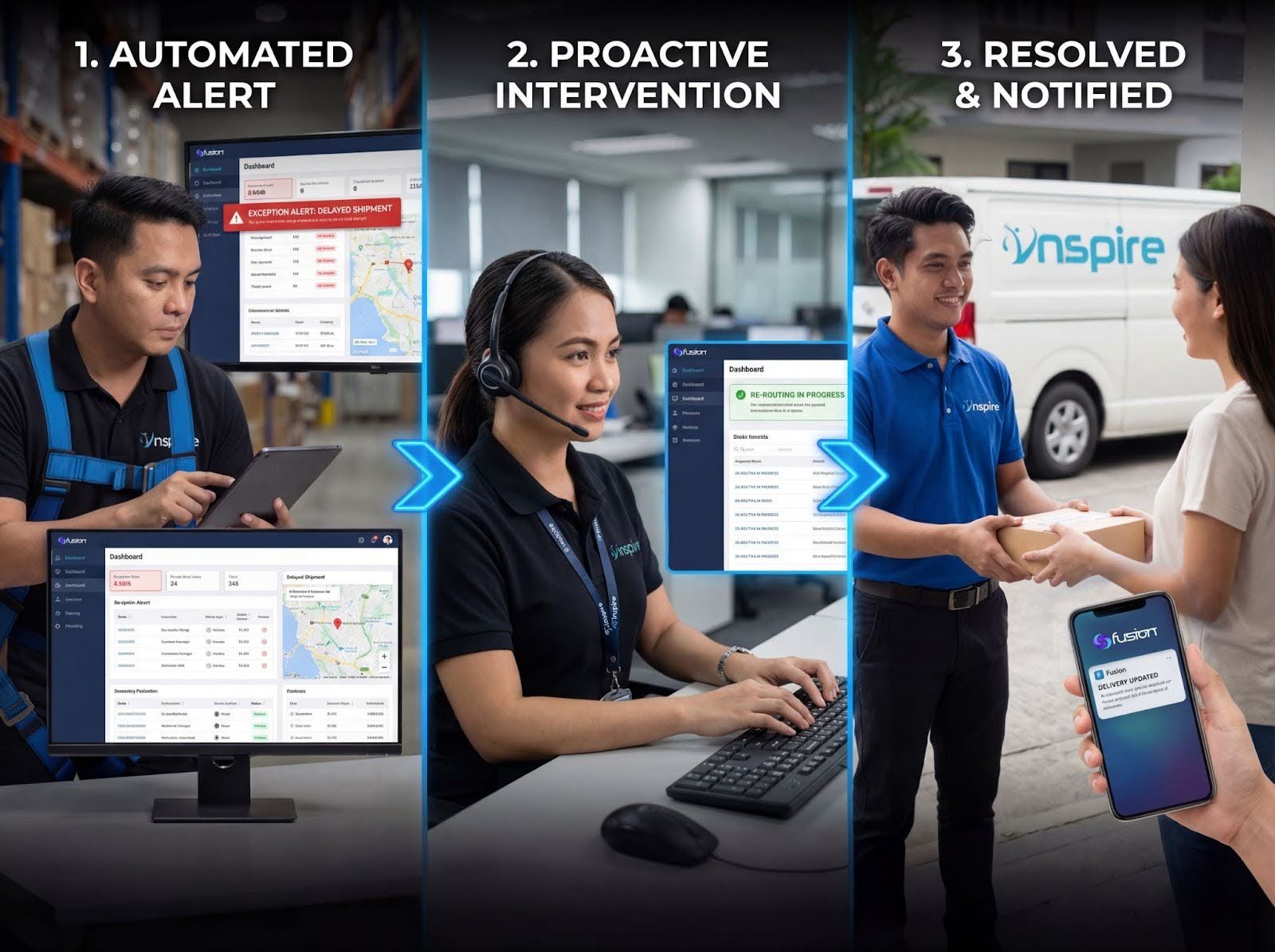
Proactive exception management reduces disruptions and keeps operations running smoothly. Well-defined exception workflows also provide a structured approach for customer service teams, ensuring they can provide timely updates without manual guesswork.
Manual processes are slow and prone to error. Control towers automate routine tasks to improve efficiency, such as:
Automation frees staff to focus on strategic tasks while ensuring that operational routines are executed consistently. Automation also helps maintain compliance, track audit trails, and generate reports that can be used to evaluate operational performance and drive process improvements.
Control towers require seamless integration across systems to provide a single view of operations. This includes:
When data flows without friction, decisions are faster, and operational bottlenecks can be addressed immediately. Integration also supports predictive analytics, such as anticipating stockouts, estimating delivery delays, or forecasting labor requirements during peak sales periods.
A control tower ensures that teams are aligned and can access the same information. Centralized communication allows operations, warehouse, and customer service teams to:
By reducing silos, businesses improve efficiency and provide a consistent experience to customers.
Implementing a control tower is not just about software. It requires aligning people, processes, and technology to ensure consistent execution and measurable results. Steps include:
A successful implementation transforms visibility from a static report into a dynamic decision-making tool, reducing delays, errors, and operational risks.
When implemented effectively, an ecommerce control tower provides measurable benefits:
By connecting operational data to actionable insights, businesses can move from reactive management to proactive control. Control towers help scale operations efficiently, manage multiple sales channels, and improve financial performance through better resource allocation.
An ecommerce control tower is essential for growing online businesses that aim for operational excellence. True visibility means more than tracking packages. It includes order visibility across fulfillment stages, supported by real-time data integration, automated workflows, proactive exception handling, and continuous monitoring of critical KPIs.
By investing in a control tower, businesses gain the ability to manage operations at scale, optimize inventory, and maintain high service levels. Visibility becomes a tool for decision-making rather than just reporting, enabling teams to meet demand, control costs, and deliver exceptional customer experiences.
Inspire E-Commerce Solutions Inc.
Warehouse 4 & 5, C Teknik Industrial, 143 P. Gregorio Street, Valenzuela,
1442 Metro Manila
inspiresolutions.asia