
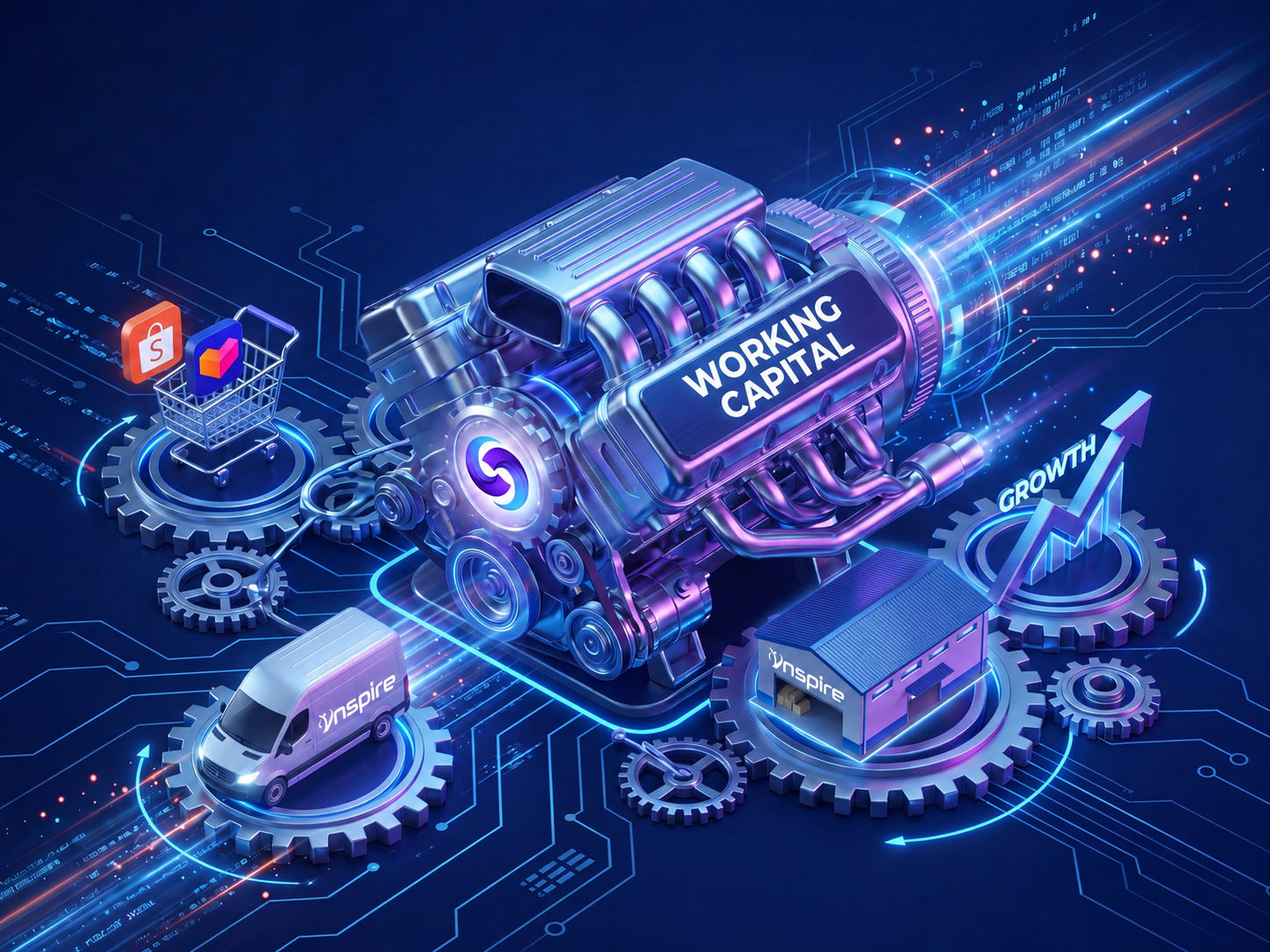
Running an e-commerce business requires more than just selling products and fulfilling orders. Behind every successful online store is a financial system that keeps operations moving smoothly, especially when it comes to funding inventory, managing expenses, and sustaining day-to-day operations.
One of the most important financial foundations for any online business is ecommerce working capital. It determines how well a business can maintain cash flow, restock inventory, handle operational costs, and scale without disruption.
In fast-moving digital marketplaces, businesses often face a gap between money spent on operations and revenue received from customers. This gap makes working capital essential for survival and growth.
This article explains what ecommerce working capital is, why it matters, and how it supports long-term business scalability in modern e-commerce operations.
Ecommerce working capital refers to the funds a business uses to support its daily operations. It represents the difference between current assets and current liabilities, ensuring that the business has enough liquidity to operate smoothly.
In practical terms, it covers:
From an operational perspective, working capital ensures that an e-commerce business can continue functioning even before revenue is fully collected or settled.
Without sufficient working capital, businesses may experience delays in fulfillment, inventory shortages, or difficulty scaling operations.
One of the main reasons working capital is essential in e-commerce is because the business model operates in cycles. Products must be purchased, stored, and shipped before payment is fully received.
Strong working capital allows businesses to:
In real-world operations, even profitable businesses can face cash flow gaps if expenses are not properly balanced with incoming revenue.
Working capital acts as a financial buffer that keeps operations stable and continuous.

Cash flow and working capital are closely related but serve different purposes.
A business may generate strong sales but still face financial pressure if payments are delayed or expenses are high.
This is especially common in e-commerce models that rely on delayed settlements, such as cash on delivery or marketplace payouts.
Proper working capital management ensures that operations continue smoothly even when cash inflows are not immediate.

Inventory is one of the largest uses of working capital in e-commerce operations.
Businesses must invest in stock before they can generate sales, creating a continuous cycle where capital is tied up in inventory.
Strong working capital helps businesses:
From a practical standpoint, insufficient capital often leads to stockouts, missed sales opportunities, and lower customer satisfaction.
This is why financial planning and inventory management must work together.
Working capital directly influences fulfillment performance and logistics efficiency.
When working capital is limited, businesses may experience:
On the other hand, strong working capital supports:
This makes working capital not only a financial metric but also an operational performance driver.

Modern businesses use ecommerce erp systems to improve working capital management.
These systems help businesses:
By integrating financial and operational data, ERP systems provide better visibility into how working capital is being used across the business.
This allows for more accurate forecasting and smarter decision-making.
Poor inventory management can quickly reduce working capital efficiency.
When inventory is not properly synced across platforms, businesses may face:
With effective inventory sync, businesses can:
Efficient inventory management ensures that working capital is used effectively rather than wasted.
Many e-commerce businesses rely on stock funding to support growth and expansion.
Stock funding allows businesses to:
However, without proper working capital control, stock funding can create financial pressure.
A balanced approach ensures that expansion supports growth without harming cash flow stability.
E-commerce businesses often face several working capital challenges, including:
If not managed properly, these challenges can disrupt operations and slow down growth.
Effective financial planning helps reduce these risks and stabilize operations.
Scalability in e-commerce is highly dependent on financial stability.
Strong working capital enables businesses to:
Without sufficient capital, growth becomes inconsistent and difficult to sustain.
Working capital serves as the foundation for long-term scalability.

Ecommerce working capital is essential for keeping day-to-day operations running without disruption. It supports everything from inventory purchasing and order fulfillment to managing costs and maintaining steady business activity even when payments are delayed.
When combined with strong inventory control, reliable logistics systems, modern ERP tools, and proper stock funding, businesses are able to maintain smoother operations and scale more confidently without running into cash flow pressure.
In a competitive online market, businesses that manage their working capital well are in a stronger position to stay consistent, respond to demand, and grow over time.