
The 12.12 sale period is one of the most critical peak seasons in ecommerce. Order volumes increase rapidly, customer expectations for fast delivery rise, and operational pressure on warehouses, logistics teams, and customer service becomes significantly higher.
For many businesses, the success of 12.12 does not depend only on marketing or discounts. It depends heavily on how well operations are prepared behind the scenes. Poor preparation can lead to delayed shipments, inventory errors, missed orders, and lower customer satisfaction.
This is where 12.12 preparation becomes essential. It involves aligning inventory, warehouse processes, order management systems, and logistics schedules to ensure that all orders are processed efficiently during peak demand.
A well-prepared fulfillment system ensures that even under high order volume, businesses can maintain accuracy, speed, and reliability across every stage of the order flow.
12.12 preparation refers to the planning and operational setup required to handle increased ecommerce order volumes during the December 12 sales period.
This preparation covers multiple areas of the business, including:
Unlike regular operations, peak season requires businesses to operate at maximum efficiency while minimizing errors and delays.
The goal is to ensure that every order placed during 12.12 is processed, packed, and shipped without disruption.

One of the most important parts of preparation is demand forecasting. Businesses must estimate how many orders they expect to receive and which products will be in high demand.
This helps in:
Accurate forecasting also supports better planning for pick pack operations, ensuring that warehouse teams are not overwhelmed during peak hours.
Without proper forecasting, businesses may face stockouts or excessive backorders, both of which negatively impact customer experience.

Before 12.12 begins, inventory must be fully prepared and strategically positioned across fulfillment centers.
This includes:
Inventory readiness directly affects order fulfillment speed. When stock is pre-positioned correctly, the pick pack process becomes faster and more efficient.
Poor inventory planning often leads to delays, especially when products need to be transferred between warehouses during peak demand.
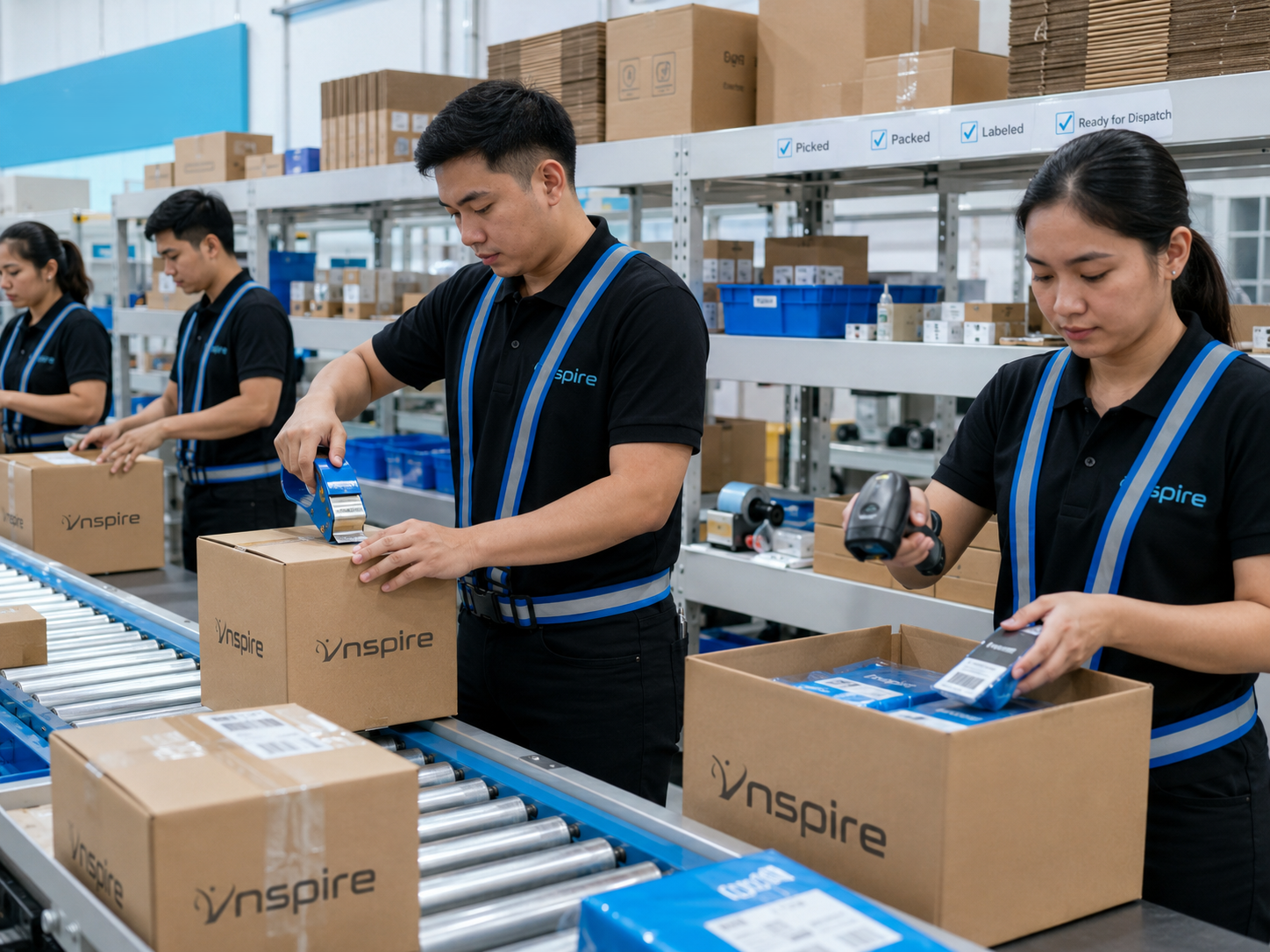
The pick pack process is one of the most critical stages during 12.12 fulfillment. It refers to the process of selecting items from inventory (picking) and preparing them for shipment (packing).
During peak season, optimizing this process is essential for maintaining efficiency.
Efficient pick pack operations reduce processing time per order, allowing warehouses to handle higher volumes without delays.
This step is often the biggest bottleneck during 12.12 if not properly prepared.
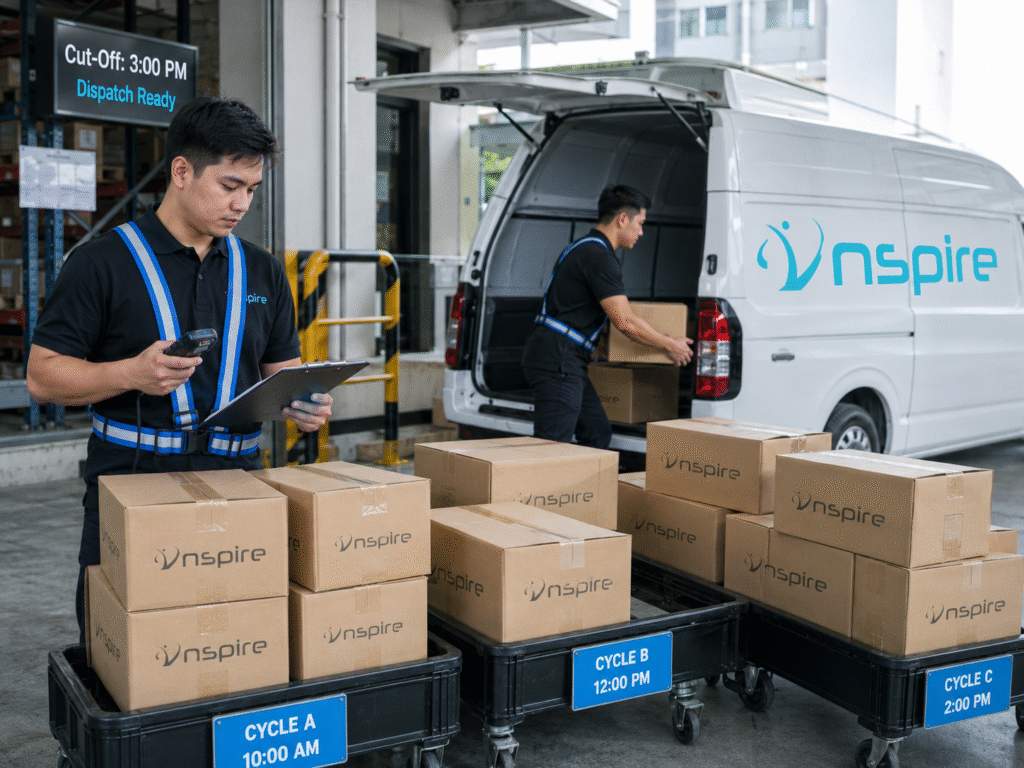
Cut-off times play a major role in determining how quickly orders are processed and shipped during peak periods.
A cut-off time is the deadline for order acceptance within a specific shipping cycle. Orders placed before the cut-off are processed for same-day or next-day dispatch, while those placed after are moved to the next cycle.
During 12.12, cut-off times must be clearly defined and strictly followed. Without proper enforcement, warehouses may become overloaded, leading to delays and reduced dispatch performance.
Proper communication of cut-off times to customers also reduces order cancellations and complaints.
Dispatch performance refers to how efficiently orders are shipped out after being processed and packed.
During 12.12, maintaining strong dispatch performance is critical because courier networks also experience high volumes.
To improve dispatch performance, businesses often implement:
Strong dispatch performance ensures that orders leave the warehouse quickly, reducing delivery delays and improving customer satisfaction.
While physical operations are important, digital systems also play a major role in managing peak season workflows.
An order management system helps:
When integrated properly, it supports smoother coordination between inventory, warehouse, and logistics teams during 12.12.
This ensures that even during high order spikes, operations remain structured and controlled.
Despite preparation, many businesses still face operational challenges during peak season.
Rapid order flow can lead to inaccurate stock updates if systems are not synchronized.
High order volumes can slow down pick pack operations and packing stations.
Logistics providers also face high demand, affecting dispatch performance.
Failure to process orders within defined cut-off windows can lead to delayed shipments.
These challenges highlight the importance of early and structured 12.12 preparation.
To ensure smooth operations during peak season, businesses should follow structured preparation strategies.
Planning should begin weeks before 12.12 to allow time for stock positioning and staffing adjustments.
Improving pick pack efficiency ensures faster order processing.
Courier coordination is essential to maintain strong dispatch performance.
This prevents backlog and ensures predictable order flow.
Tracking order flow helps identify bottlenecks early and make adjustments quickly.
12.12 preparation is a critical part of ecommerce success during high-demand periods. It ensures that warehouse operations, inventory systems, and logistics networks are fully aligned to handle increased order volumes.
By optimizing pick pack processes, managing cut-off times, and improving dispatch performance, businesses can maintain operational efficiency even under peak pressure.
Strong preparation not only improves fulfillment speed but also enhances customer satisfaction and reduces operational risks during one of the busiest ecommerce periods of the year.
Inspire E-Commerce Solutions Inc.
Warehouse 4 & 5, C Teknik Industrial, 143 P. Gregorio Street, Valenzuela,
1442 Metro Manila
inspiresolutions.asia
