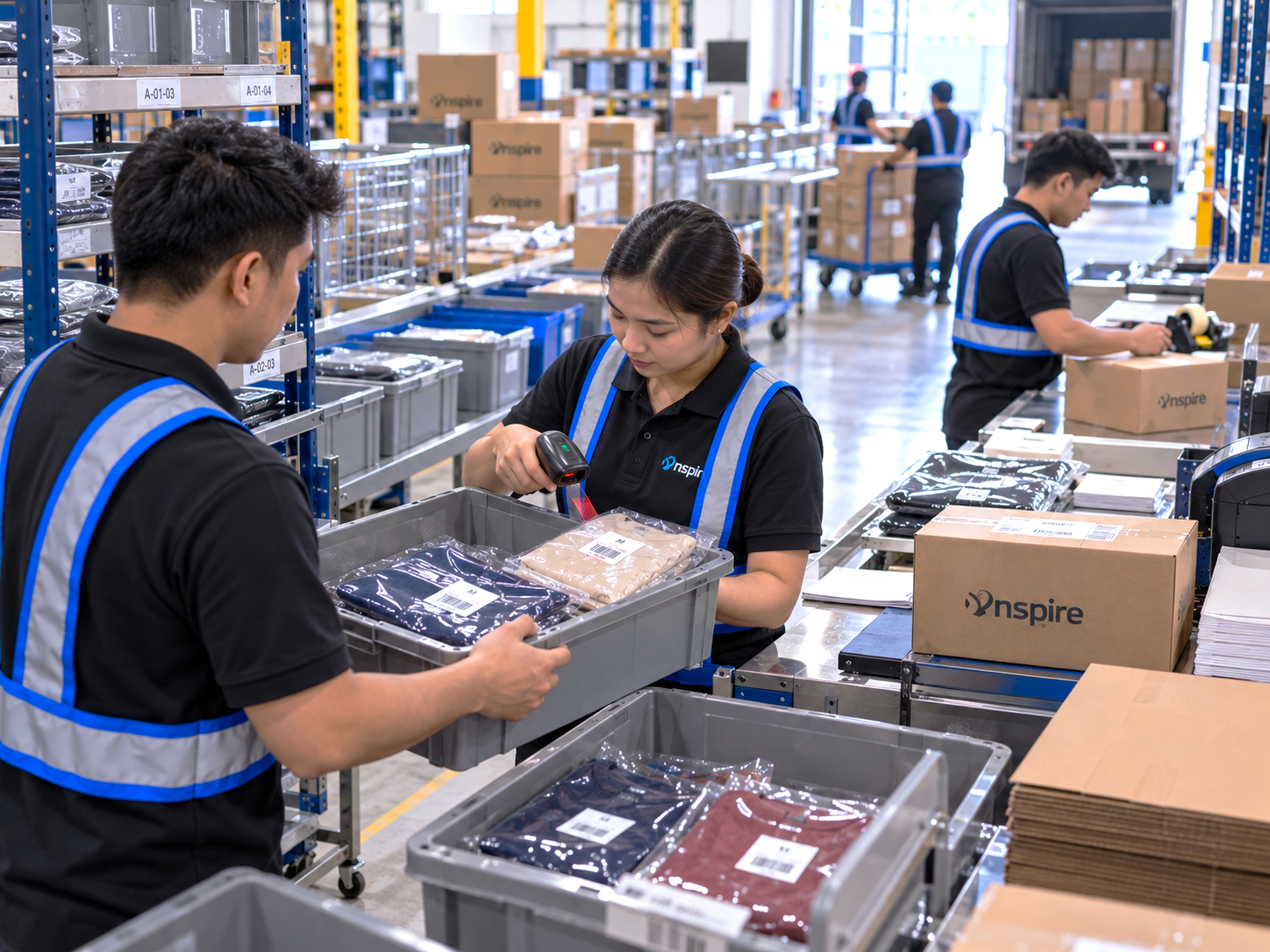
Order accuracy is an important part of running an ecommerce business. Customers expect to receive the correct products, quantities, and variants they ordered, along with accurate shipping information. When an order contains the wrong item or is missing a product, the business may need to manage returns, replacement shipments, customer complaints, and additional fulfillment costs.
Maintaining reliable fulfillment requires coordination across the entire process. Inventory records must reflect available stock, employees need clear picking and packing procedures, and order information must remain consistent as products move through the warehouse. For growing ecommerce businesses, improving these processes can help reduce preventable mistakes and support more reliable deliveries.
This measure refers to how consistently a business fulfills customer orders according to the details submitted at checkout. A correctly fulfilled order contains the right products, quantities, product variations, and shipping information.
For example, if a customer orders two medium shirts in different colors, the fulfillment team must select the correct sizes, colors, and quantities before packing the shipment. Sending the right product in the wrong size would still count as a fulfillment error.
Reliable fulfillment also depends on the information used throughout order processing and fulfillment. If inventory records are outdated or order details are transferred incorrectly between systems, employees may receive incomplete or inaccurate instructions.
Businesses should therefore treat accuracy as a shared responsibility across inventory management, picking, packing, and dispatch rather than a final check performed before shipment.
Understanding where mistakes happen helps businesses identify the right corrective measures. Errors can develop at several stages, including order processing, inventory allocation, picking, packing, and shipping.
Errors can occur when order details are entered manually, transferred between platforms, or interpreted incorrectly. Product variations, quantities, delivery addresses, and special handling instructions may be recorded inaccurately.
These issues can affect the rest of the fulfillment process because warehouse employees rely on order information to determine which products to pick and where to send them. Integrating order information across relevant systems and establishing clear procedures for handling exceptions can help reduce avoidable discrepancies.
Inaccurate inventory records can create problems before picking begins. A product may appear available in the system even though the warehouse has insufficient stock to fulfill the order.
This can lead to delayed shipments, substitutions that require customer approval, or cancellations. Regular stock checks, timely inventory updates, and clear procedures for recording damaged or reserved items can help businesses maintain a more reliable view of available inventory.
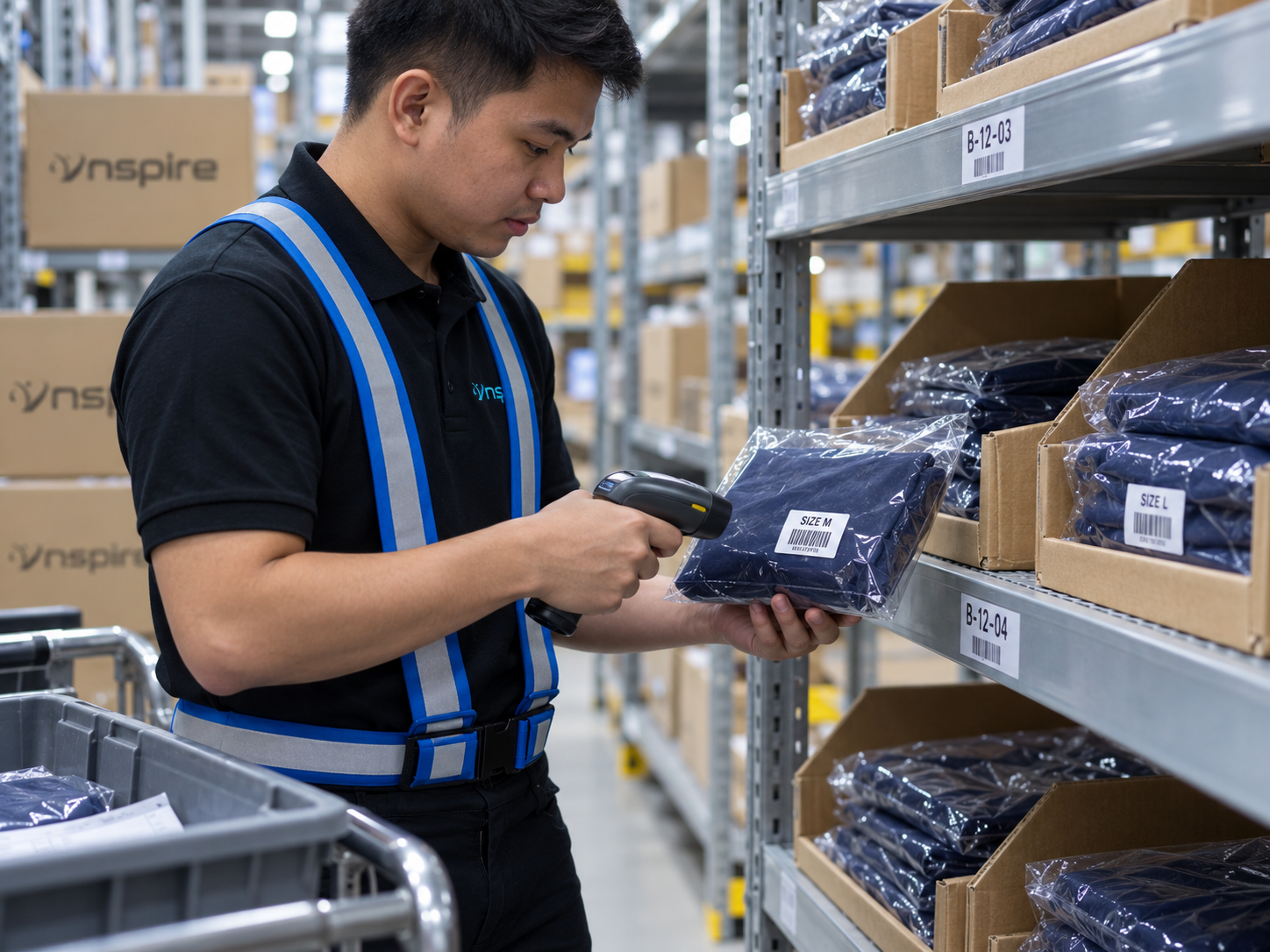
Picking errors happen when employees select the wrong product, variant, or quantity. These mistakes may occur when similar items are stored close together, product labels are unclear, or picking instructions are difficult to follow.
Clear product identification, organized storage locations, and appropriate verification steps can help employees select the correct items. Barcode scanning may also support verification when the warehouse uses compatible systems and processes.
Even when picking is completed correctly, errors can occur during packing. An employee may leave out an item, place products from different orders in the same package, or apply the wrong shipping label.
Standardized packing procedures help ensure that the contents of a package match the order before it leaves the warehouse. Employees should also verify shipping labels and any required documentation to reduce the risk of sending a correctly packed order to the wrong destination.
Dispatch errors can happen when completed orders are assigned to the wrong shipment, handed to the wrong carrier, or recorded incorrectly in the shipping system.
Clear staging areas, accurate shipment records, and final dispatch checks help employees confirm that packages are ready for the correct destination. Businesses should also maintain a process for investigating discrepancies between warehouse records and carrier tracking information.
Improving fulfillment reliability requires consistent procedures, reliable information, and checks at the stages where errors are most likely to occur.
Inventory records should reflect stock received, picked, packed, returned, damaged, and reserved for existing orders. When these changes are recorded promptly, employees have a more dependable view of available products.
Businesses can support inventory accuracy through regular cycle counts, clear stock adjustment procedures, and investigations into recurring discrepancies. Product locations should also be updated when items are moved so employees can find the correct stock during picking.
Picking instructions should identify the product, required quantity, and storage location clearly. Standard procedures can help reduce confusion, especially when a warehouse handles similar products or multiple product variations.
Businesses should also review storage arrangements and picking routes to identify sources of confusion or unnecessary movement. Where appropriate, barcode scanning or other verification tools can help employees confirm that selected products match the order.
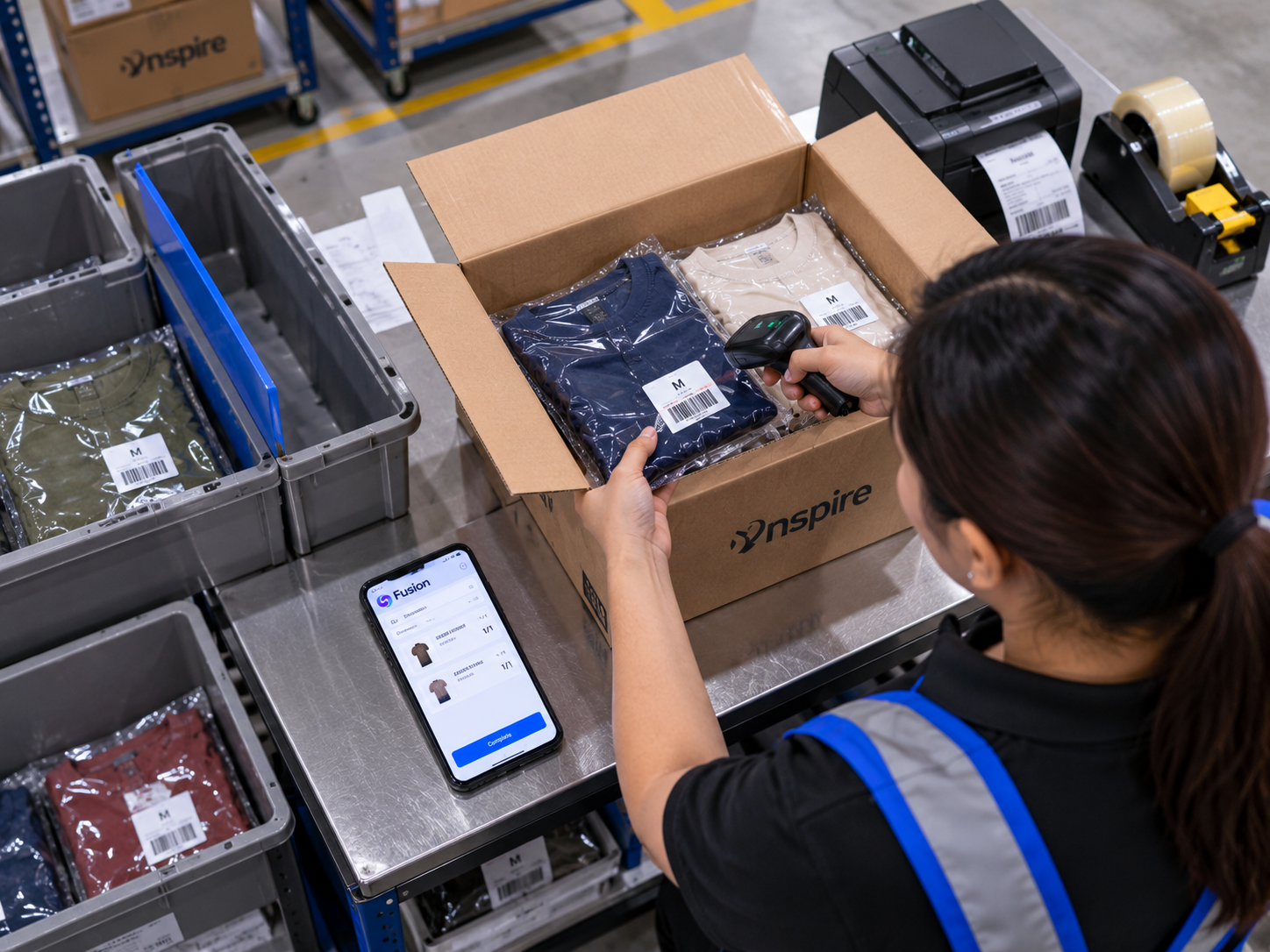
A verification step between picking and packing can help identify mistakes before an order is sealed. Employees should compare the selected products and quantities against the order details and check that all required items are present.
The exact process may depend on order complexity, product type, and warehouse resources. Some operations may use manual checklists, while others may use scanning or system-supported verification. The goal is to make discrepancies easier to detect before dispatch.
Accurate product identification helps employees distinguish between similar items, sizes, colors, models, and packaging variations. Consistent SKU records, readable labels, and clearly marked storage locations can reduce uncertainty during picking.
Businesses should review how product information is maintained across their ecommerce platforms and warehouse systems. Inconsistent naming or duplicate product records can make it harder to identify the correct item and may contribute to fulfillment errors.
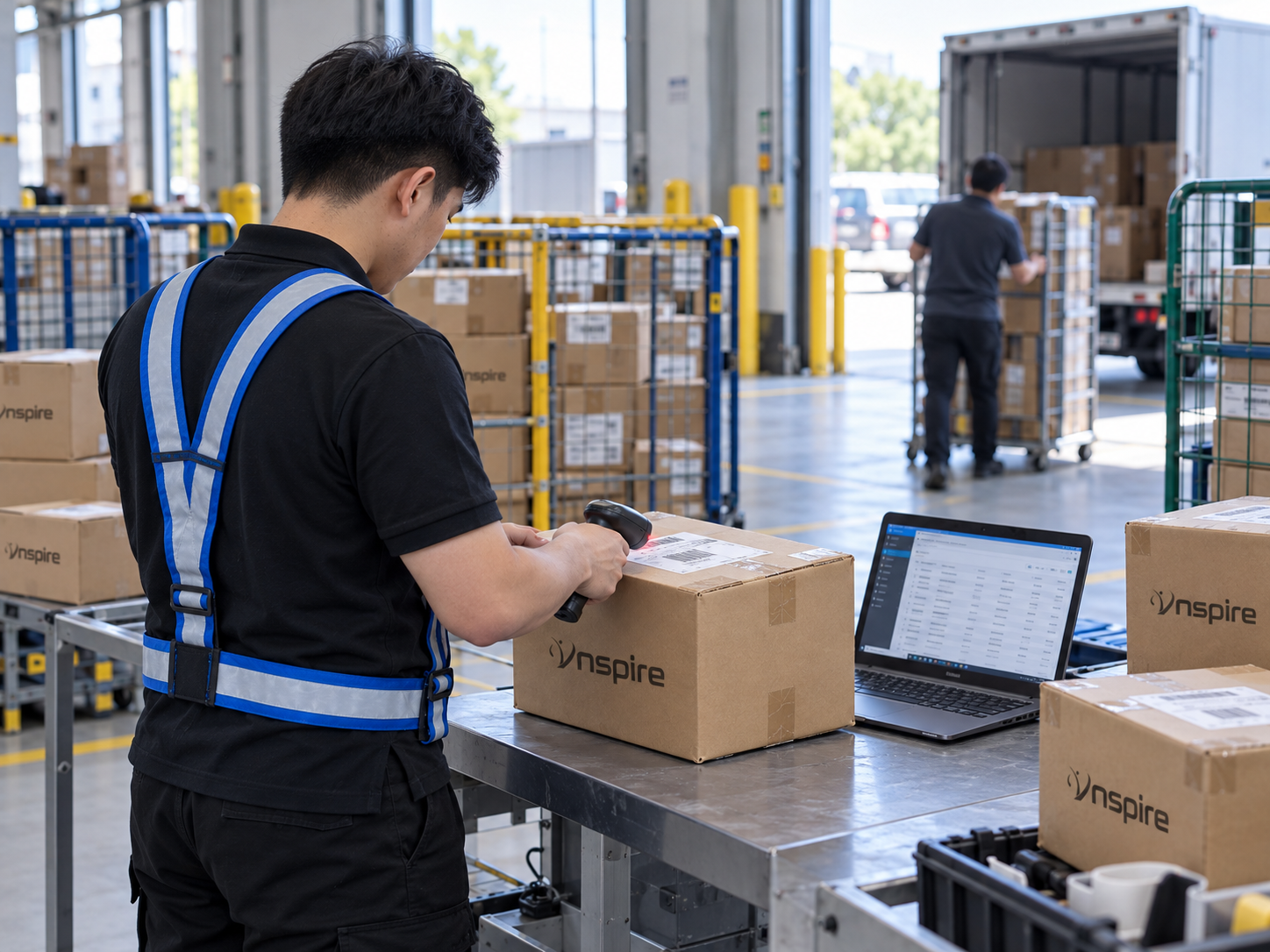
Packing procedures should confirm that the package contains the correct items and quantities. Shipping checks should then verify the destination, shipping label, and any other required shipment details.
Separating these checks helps employees catch different types of errors. Businesses should also define how staff handle incomplete orders, damaged products, missing inventory, and other exceptions instead of allowing employees to resolve these issues inconsistently.
Recording order errors helps businesses identify patterns that may not be obvious from individual incidents. For example, repeated picking mistakes involving one product could indicate unclear labeling, a confusing storage location, or inaccurate product information.
Useful records should capture the type of error, where it occurred, how it was resolved, and whether it has happened before. Managers can use this information to prioritize process improvements and determine whether updated procedures or additional staff training are needed.
A warehouse management system (WMS) can help coordinate inventory records and warehouse tasks through a centralized system. Depending on its capabilities and configuration, it may support stock visibility, picking instructions, inventory updates, and order status tracking.
A WMS can support more consistent fulfillment in several ways.
A WMS does not automatically eliminate order errors. Its effectiveness depends on accurate product data, appropriate configuration, employee training, and consistent use. Businesses should evaluate whether their system supports the verification and reporting functions needed for their specific fulfillment processes.
Integration with ecommerce platforms and order management systems can also help reduce repeated manual data entry. However, the benefits depend on how the systems exchange information and how exceptions are managed.
Fulfillment errors affect more than the number of correct packages shipped. They also influence the time, labor, and resources required to keep warehouse operations running smoothly.
When an order is incorrect, employees may need to investigate the issue, locate replacement stock, arrange a return, prepare another shipment, and update inventory records. These activities take time away from new orders and can create additional work for customer service teams.
Recurring errors can also make inventory records less reliable. For example, a product recorded as shipped may still be in the warehouse if the wrong item was packed. Resolving these discrepancies requires additional checks and may affect the handling of later orders.
More consistent fulfillment procedures can help reduce avoidable rework and make workloads easier to manage. Businesses should review fulfillment errors alongside processing time, inventory discrepancies, returns, and labor requirements to understand how fulfillment performance affects daily operations.
Tracking fulfillment metrics helps businesses assess whether their processes are working as intended. Metrics should use clear definitions and consistent reporting periods so managers can compare results over time.
This metric measures the proportion of fulfilled orders completed without errors. Businesses should define which errors count, such as incorrect products, quantities, or order contents.
One possible calculation is:
Order Accuracy Rate = (Orders Fulfilled Without Errors ÷ Total Orders Fulfilled) × 100
For example, if 980 out of 1,000 fulfilled orders are completed without errors, the rate is 98%.
Picking error rate tracks mistakes made when selecting products or quantities. Monitoring this metric can help identify problems involving storage locations, product identification, picking instructions, or staff procedures.
Businesses should define whether the metric is based on affected orders, picking lines, or individual items. Using the same calculation consistently makes trends easier to interpret.
Packing error rate measures mistakes introduced during package preparation, such as missing items, incorrect quantities, or products placed in the wrong shipment.
Reviewing packing errors separately from picking errors helps managers determine where additional checks or clearer procedures may be needed.
Some returns occur because customers change their minds or products do not meet their preferences. Others result from fulfillment mistakes, such as receiving the wrong item or an incomplete order.
Businesses should distinguish fulfillment-related returns from other return reasons. This makes the metric more useful for evaluating fulfillment performance and identifying opportunities to prevent repeat errors.
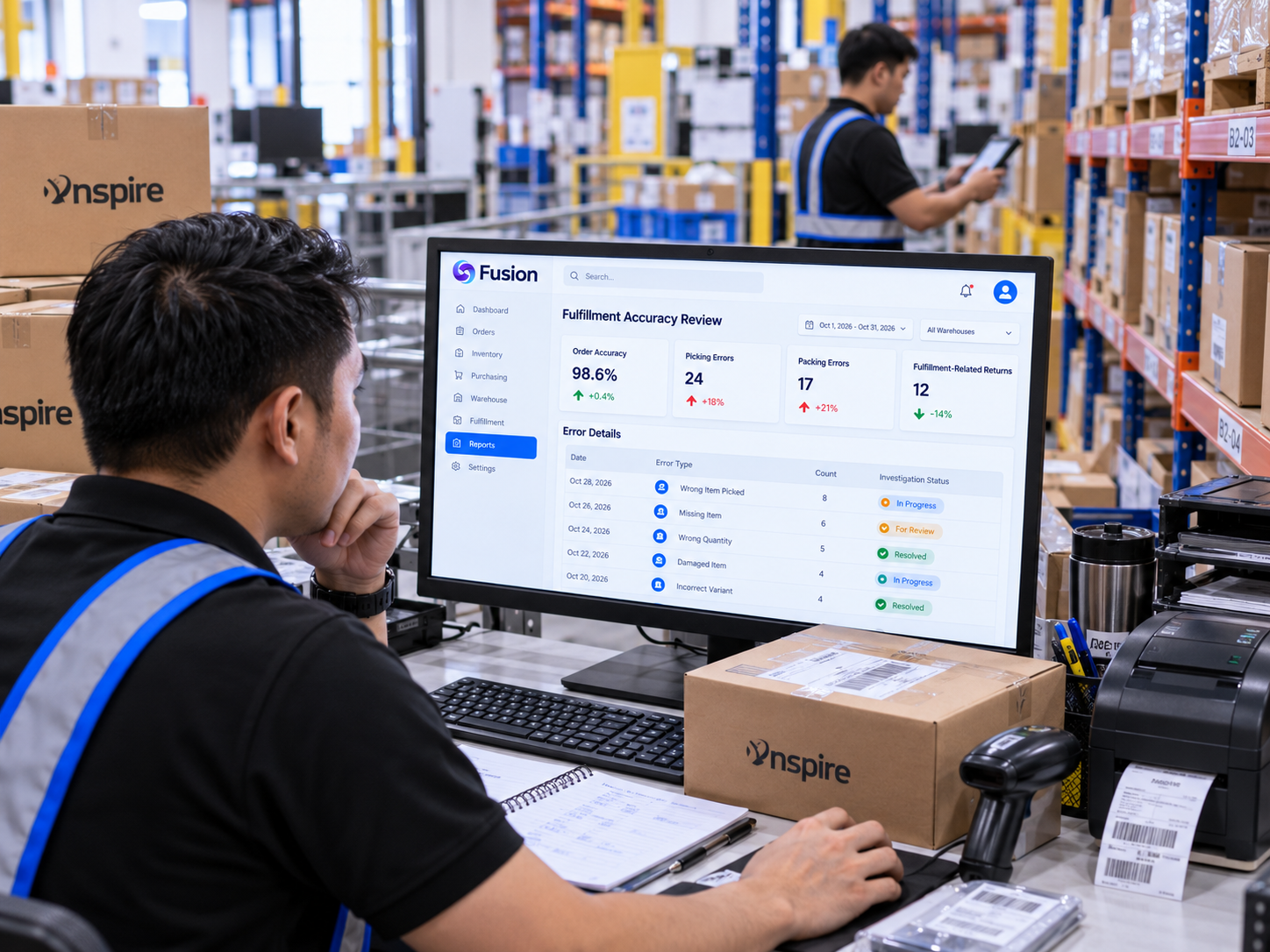
Businesses should review their fulfillment processes when order errors become more frequent, returns linked to incorrect shipments increase, or employees spend more time correcting mistakes.
Other warning signs include recurring inventory discrepancies, difficulty locating products, inconsistent packing procedures, and delays caused by incomplete order information. Rapid growth in order volume may also reveal weaknesses in processes that worked when the business handled fewer shipments.
A review should examine the full path from order receipt to dispatch. Managers can compare system records with actual warehouse practices, identify where errors occur, and prioritize changes based on frequency, operational impact, and the resources required to address them.
If manual processes are creating repeated problems, businesses may also consider whether better system integration, additional verification tools, or external order fulfillment support would be appropriate. Any solution should match the company’s product range, order volume, and operational requirements.
A useful target depends on the business’s products, order volume, fulfillment model, and measurement method. Rather than relying on a universal benchmark, businesses should establish a baseline, define what counts as an error, and monitor whether their performance improves over time.
Common causes include inaccurate inventory records, unclear product labels, incorrect picking instructions, manual data entry mistakes, packing errors, and incorrect shipping labels. Reviewing errors by fulfillment stage helps businesses identify the causes and choose suitable corrective measures.
Businesses can calculate the percentage of orders fulfilled without errors by dividing the number of error-free orders by the total number of fulfilled orders, then multiplying the result by 100. They should define which errors are included and use the same measurement method across reporting periods.
A warehouse management system may help reduce picking errors by providing clear product and location information, updating inventory records, and supporting verification workflows. Results depend on system capabilities, data quality, staff training, and consistent procedures.
Inventory accuracy helps employees determine whether the correct products and quantities are available for an order. Inaccurate stock records can lead to shortages, substitutions, delays, and cancellations, making reliable inventory updates an important part of accurate fulfillment.
Order accuracy depends on reliable inventory records, clear picking and packing procedures, accurate shipping information, and consistent checks throughout fulfillment. Businesses that monitor errors and investigate their causes can identify process weaknesses and make informed improvements.
As order volumes grow, coordinating inventory information and warehouse activities becomes increasingly important. Reviewing existing workflows and evaluating appropriate warehouse technology can help businesses maintain more consistent fulfillment while managing operational demands.
Businesses looking to improve fulfillment coordination can consider warehousing and technology solutions that support inventory visibility, order processing, and warehouse management. The right solution should align with their product range, order volume, and operational requirements.
Inspire E-Commerce Solutions Inc.
Warehouse 4 & 5, C Teknik Industrial, 143 P. Gregorio Street, Valenzuela,
1442 Metro Manila
inspiresolutions.asia
