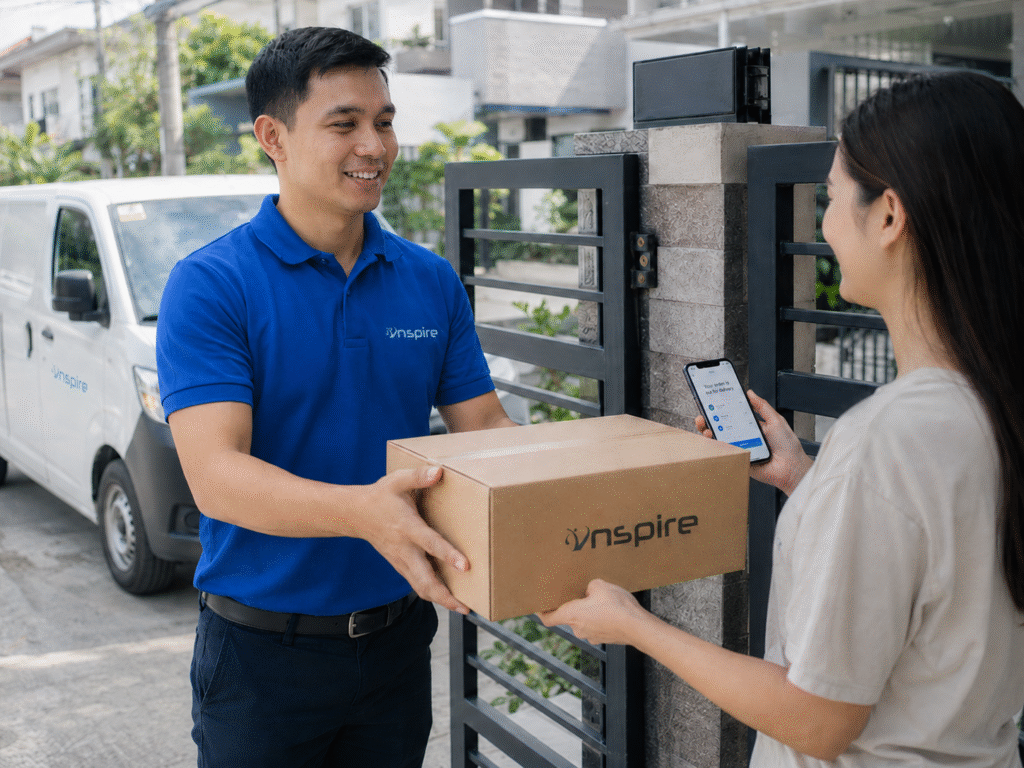
Successful ecommerce operations depend on more than receiving and shipping orders. Businesses must also ensure that deliveries reach customers successfully to avoid unnecessary costs, delays, and operational disruptions.
One common challenge is return to sender, where undelivered packages are sent back after failed delivery attempts. These cases can affect inventory availability, logistics expenses, and overall customer experience.
For growing ecommerce businesses, reducing return-to-sender incidents requires better coordination between order processing, delivery operations, and post-return handling.
This article explores what causes return-to-sender situations, how they affect ecommerce fulfillment, and the strategies businesses can use for failed delivery prevention and improved returns management.
Return to sender refers to the process where a package is returned to the seller or fulfillment provider after it cannot be successfully delivered to the customer.
This usually happens when delivery attempts fail due to issues such as incorrect addresses, customer unavailability, refused packages, or unsuccessful contact attempts.
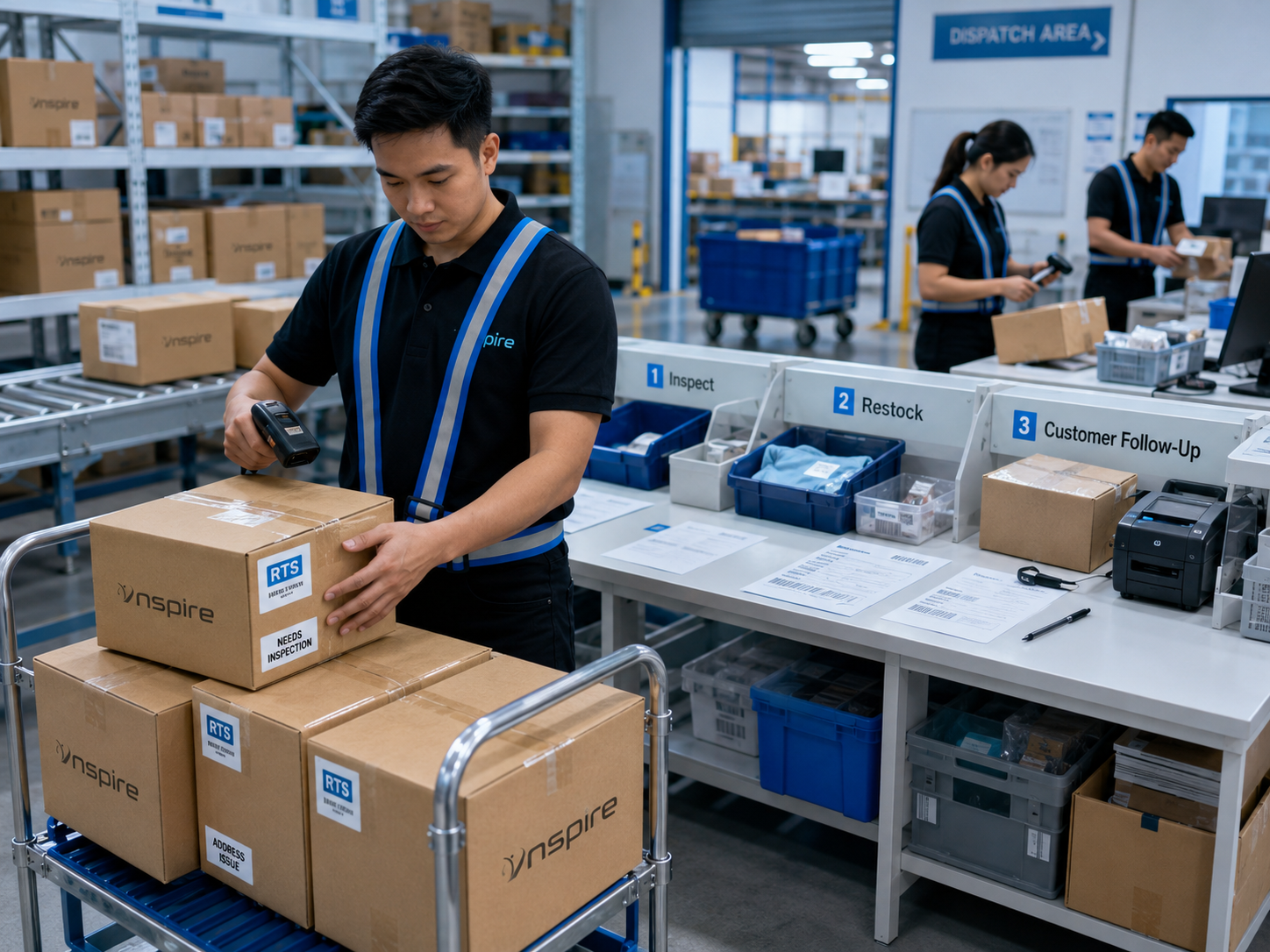
Once an order enters the return-to-sender process, the package moves backward through the fulfillment cycle. Instead of reaching the customer, inventory must be received back, inspected, and processed before it can be sold again.
For ecommerce businesses, return to sender is more than just a shipping issue. It affects multiple areas of operations, including:
Understanding why these situations happen is the first step toward reducing their impact.
Several factors can cause packages to be returned instead of successfully delivered. Identifying these causes helps businesses create better processes to reduce failed deliveries.
Incorrect or incomplete delivery details are among the most common causes of return-to-sender cases.
Errors such as:
can prevent couriers from completing deliveries successfully.
Improving order verification before shipment helps reduce avoidable delivery failures.
Some customers may not be available when delivery attempts are made.
This is especially common for residential deliveries where customers may:
Clear delivery communication and tracking updates can help customers prepare for incoming orders.
In some cases, customers may refuse to accept packages upon arrival.
This can happen due to:
Reducing order uncertainty through better customer communication can help lower refusal rates.
Cash on delivery remains a popular payment option in many ecommerce markets, but it can increase the risk of failed deliveries.
Customers may place orders without strong purchase intent, resulting in rejected packages when the courier arrives.
A stronger cash on delivery logistics process can help businesses confirm orders, manage customer expectations, and reduce unnecessary returns.
Return-to-sender cases create additional challenges throughout the fulfillment process. Instead of completing the normal delivery cycle, businesses must spend additional resources handling unsuccessful transactions.
Every failed delivery creates additional expenses, including:
These costs can quickly accumulate when return-to-sender rates increase.
Returned packages temporarily remove products from active inventory.
Before items can become available again, businesses may need to:
This process can affect inventory availability, especially for fast-moving products.
Return-to-sender cases create extra tasks for warehouse teams.
Instead of focusing only on outgoing orders, teams must also manage:
A growing number of returns can place additional pressure on fulfillment operations.
Failed deliveries can affect how customers view a business.
Repeated delivery issues may lead to:
A reliable delivery experience is an important part of maintaining customer trust.
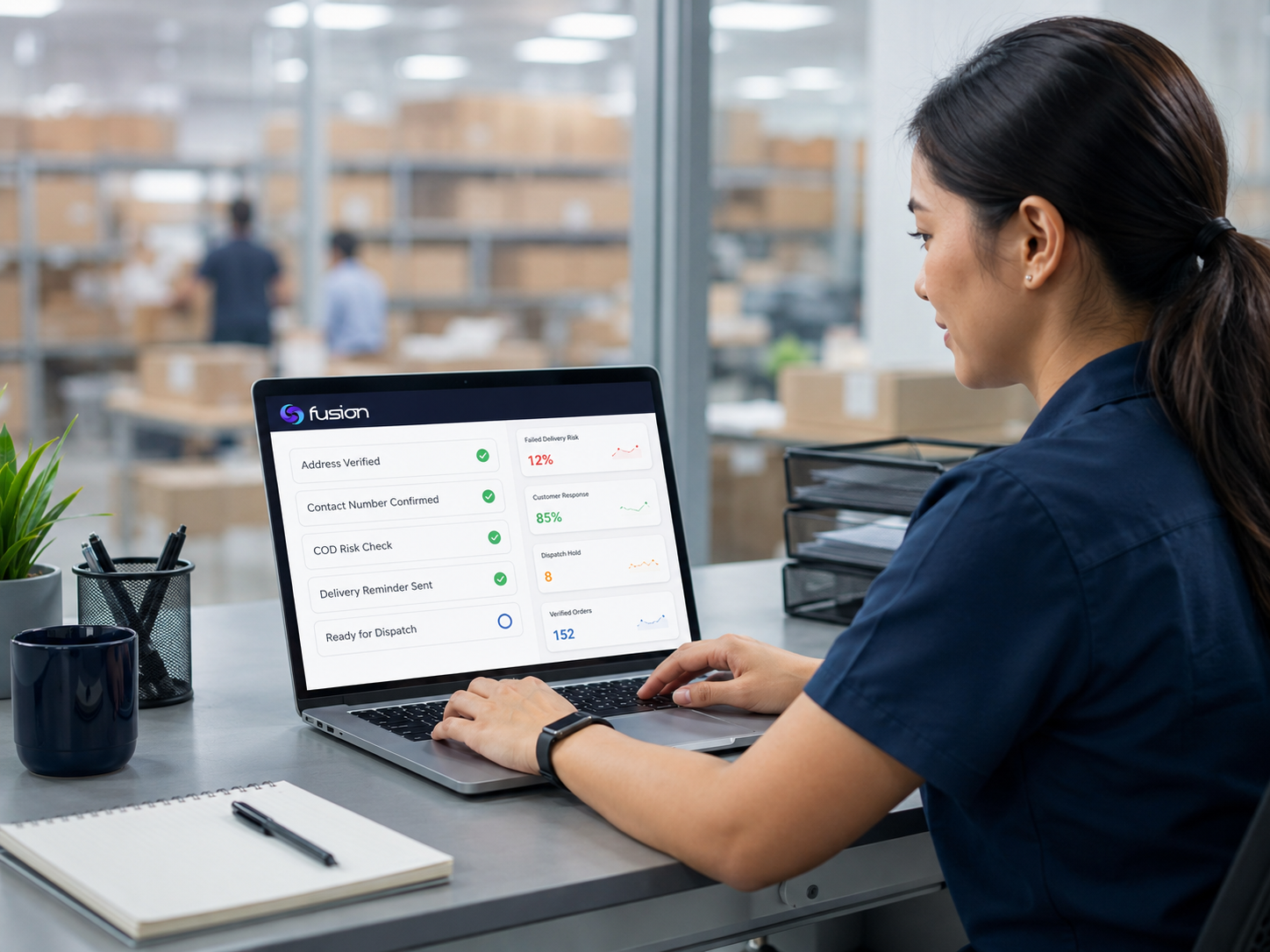
Reducing return to sender cases starts with preventing failed deliveries before they happen. An effective failed delivery prevention strategy combines accurate order information, clear customer communication, and strong coordination with logistics partners to improve first-attempt delivery success.
Accurate customer details are essential for successful deliveries. Businesses should verify shipping addresses, contact numbers, and postal codes before processing an order.
Simple validation steps during checkout can help reduce delivery issues caused by incorrect or incomplete information.
Order confirmation helps ensure customers are expecting their deliveries, especially for high-value purchases or cash-on-delivery orders.
Businesses can confirm orders through:
This additional step can reduce cancellations and refused deliveries.
Providing regular delivery updates helps customers prepare to receive their orders.
Notifications for order confirmation, shipment status, and estimated delivery dates improve communication and reduce missed delivery attempts.
When customers know when to expect their packages, they are more likely to be available during delivery.
Reliable coordination between fulfillment teams and delivery providers supports successful deliveries.
Businesses should regularly review delivery performance, resolve recurring issues, and establish clear communication channels with logistics partners to improve delivery success rates.
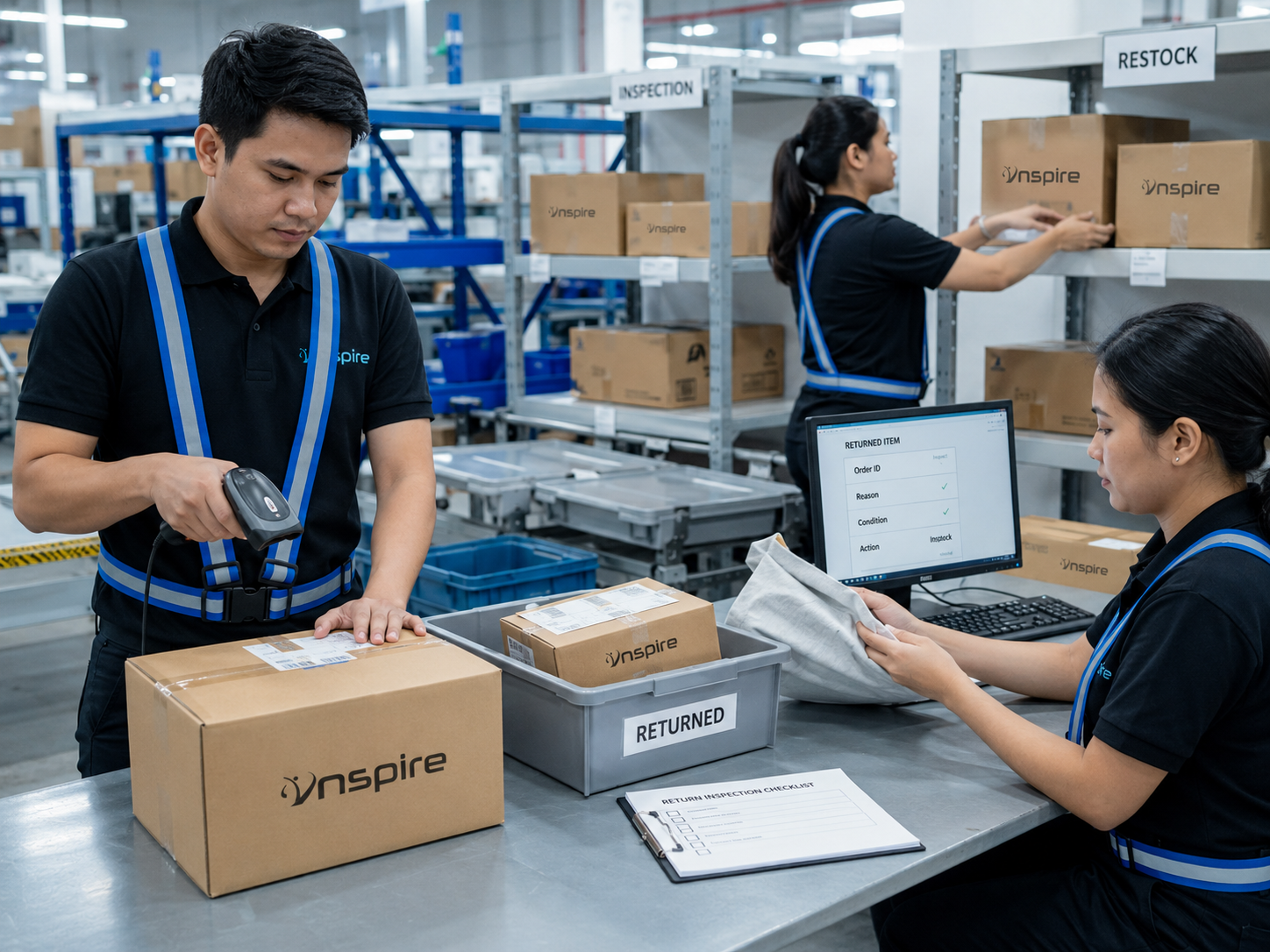
Even with preventive measures, some return-to-sender cases are unavoidable. An organized returns workflow helps businesses process returned packages efficiently while minimizing operational disruptions.
Returned products should be inspected as soon as they arrive at the warehouse.
The inspection process helps determine whether items can be:
Prompt inspections also reduce delays in updating inventory records.
Accurate inventory updates ensure returned products are reflected correctly within the inventory system.
Maintaining current inventory records helps businesses avoid stock discrepancies and improves inventory planning.
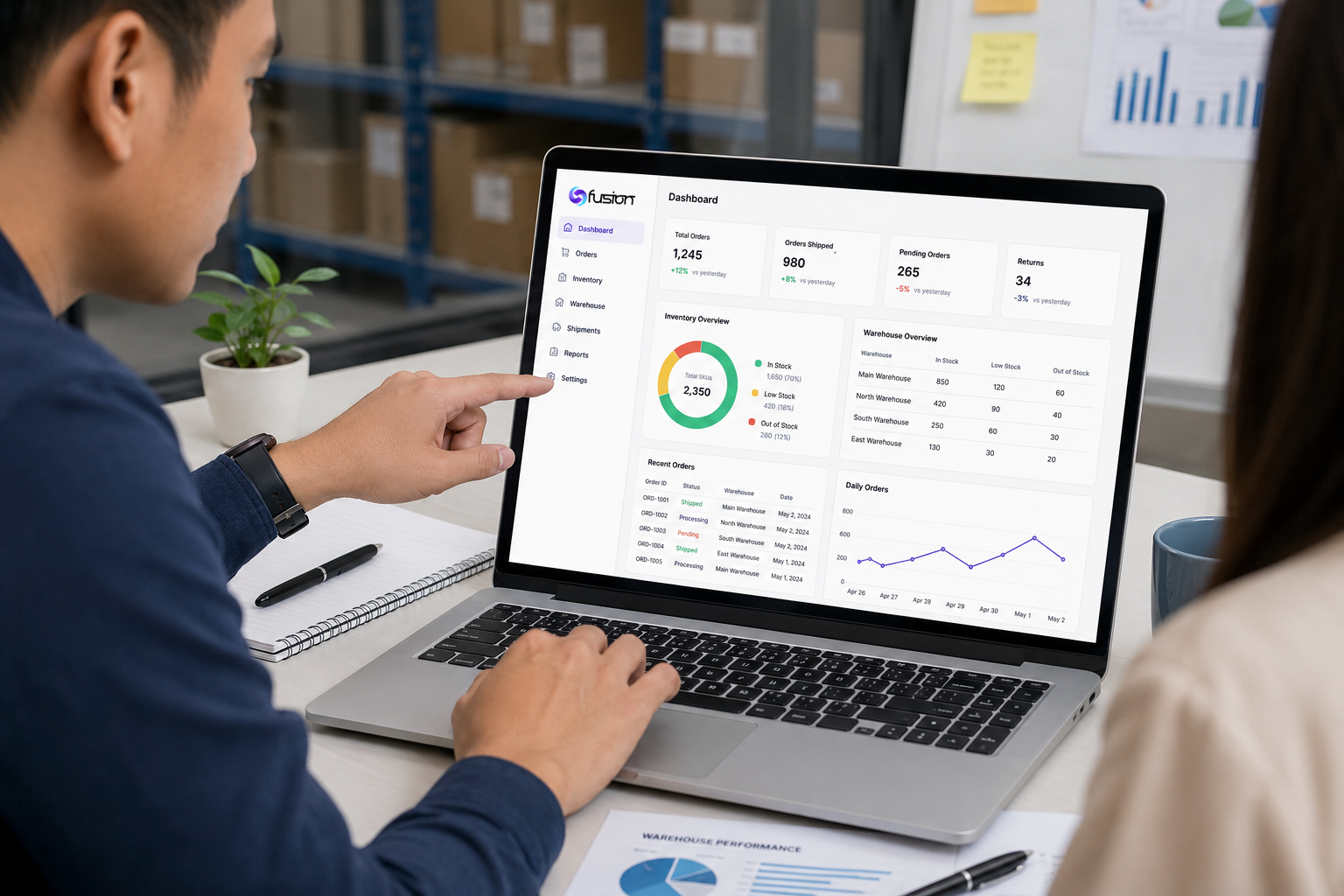
Tracking return reasons provides valuable operational insights.
Businesses can identify recurring issues such as:
Analyzing this information supports continuous improvements to fulfillment and delivery processes.
A successful returns workflow requires collaboration between warehouse teams, customer service, and logistics providers.
Clear communication helps returned orders move through inspection, inventory updates, and customer resolution more efficiently.
Reducing return-to-sender incidents requires continuous improvement across the fulfillment process.
Encourage customers to review their shipping details before completing their purchases. Address validation tools can also help identify incomplete or incorrect information during checkout.
Providing realistic delivery estimates helps customers know when to expect their orders, reducing missed delivery attempts.
Timely updates before and during delivery keep customers informed and improve delivery success rates.
Multiple communication channels, such as email and SMS, can further improve engagement.
Monitoring fulfillment metrics helps businesses identify recurring delivery issues and opportunities for improvement.
Regular performance reviews support better decision-making and contribute to more reliable ecommerce fulfillment.
Managing return-to-sender cases should be part of a broader strategy to strengthen ecommerce fulfillment. While some returns are unavoidable, businesses that regularly review their fulfillment processes are better equipped to reduce delivery failures over time.
Monitoring delivery performance, identifying recurring issues, and refining operational procedures can help improve delivery success rates. Reviewing data such as failed delivery reasons, return frequency, and customer feedback also provides valuable insights for future improvements.
Technology can further support these efforts by providing real-time shipment tracking, automated customer notifications, and better visibility across fulfillment operations. These tools help businesses respond quickly to potential delivery issues before they result in a returned package.
As order volumes grow, a proactive approach to fulfillment helps maintain efficiency while supporting a more consistent customer experience.
Return to sender affects more than just individual shipments. It influences inventory availability, operational costs, and the overall efficiency of ecommerce fulfillment.
By focusing on failed delivery prevention, maintaining an organized returns workflow, and continuously improving fulfillment processes, businesses can reduce unnecessary returns and improve delivery success.
A reliable fulfillment strategy not only minimizes operational disruptions but also strengthens customer confidence and supports long-term business growth.
Inspire E-Commerce Solutions Inc.
Warehouse 4 & 5, C Teknik Industrial, 143 P. Gregorio Street, Valenzuela,
1442 Metro Manila
inspiresolutions.asia