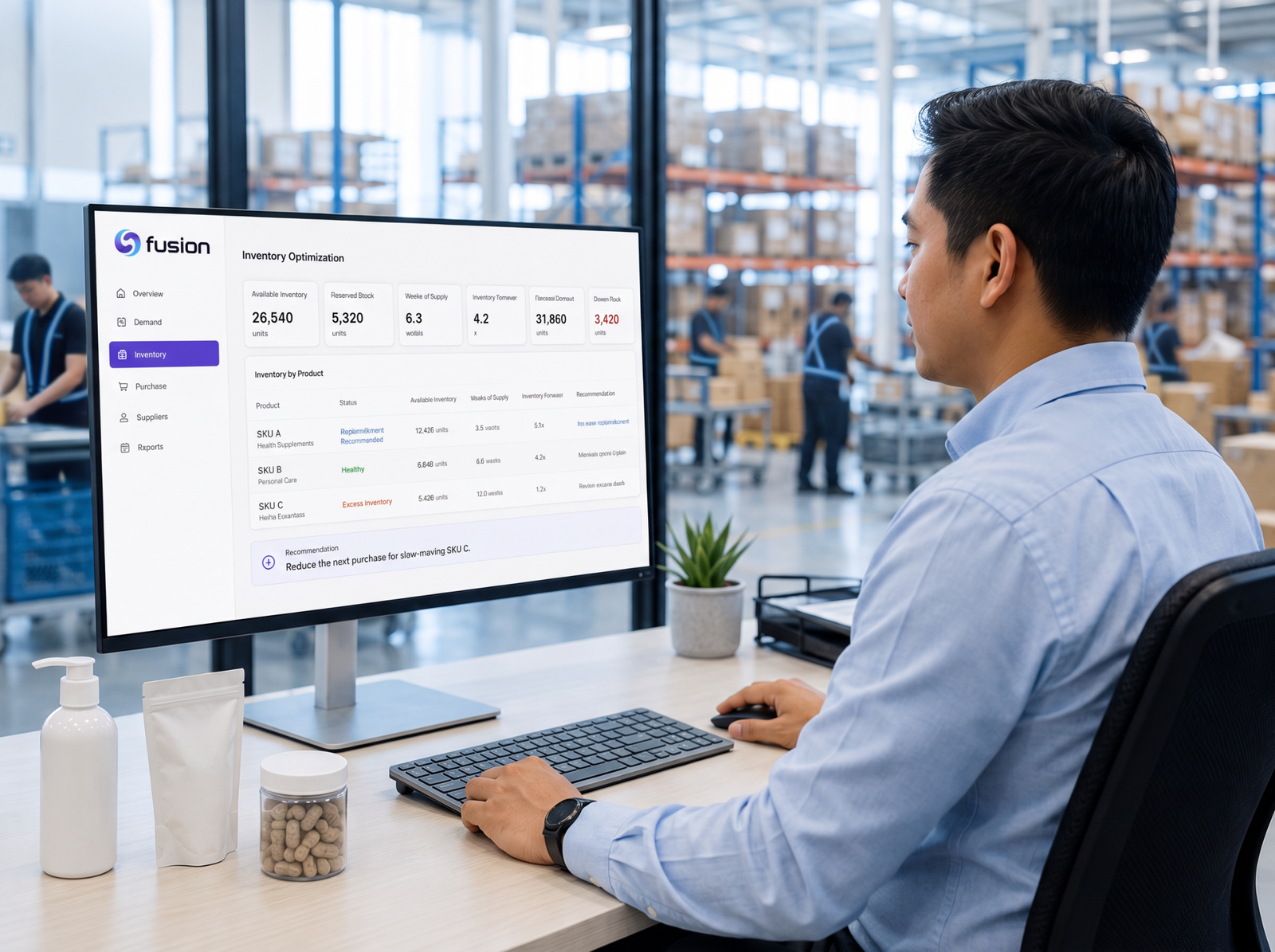
Maintaining the right amount of inventory is one of the most important aspects of running a successful ecommerce business. Holding too much stock can increase storage costs and tie up working capital, while carrying too little inventory may lead to stock shortages, missed sales opportunities, and dissatisfied customers. Finding the right balance requires businesses to make informed decisions based on reliable inventory information and changing customer demand.
As ecommerce operations continue to expand across multiple sales channels, inventory decisions become more complex. Businesses need to evaluate purchasing patterns, product movement, and customer demand while ensuring inventory is available to support fulfillment without creating unnecessary excess stock.
Inventory optimization helps businesses improve the way inventory is planned, managed, and allocated throughout the supply chain. By using better inventory strategies, businesses can maintain healthier stock levels, improve operational efficiency, and create a stronger foundation for long-term ecommerce growth.
Maintaining the right inventory balance is an ongoing process that requires businesses to respond to changing customer demand, seasonal trends, and purchasing patterns. Inventory requirements can shift quickly, making it important to adjust stock strategies without creating unnecessary costs or fulfillment challenges.
When inventory decisions are based on outdated information or inaccurate demand estimates, businesses may experience either excess inventory or product shortages. Both situations can affect operational efficiency, customer satisfaction, and overall business performance.

Holding more inventory than necessary can increase warehousing costs, occupy valuable storage space, and tie up capital that could be invested in other areas of the business.
By regularly reviewing product performance and maintaining effective inventory control, businesses can identify slow-moving products, reduce unnecessary stock accumulation, and improve the use of warehouse space.

Insufficient inventory can be just as challenging as carrying too much stock. When products become unavailable unexpectedly, businesses may miss sales opportunities, delay customer orders, and affect overall customer satisfaction.
Maintaining appropriate stock levels allows businesses to better support customer demand while reducing the likelihood of stockouts during periods of increased sales activity.
Effective inventory optimization depends on understanding the factors that influence inventory movement throughout ecommerce operations. Rather than relying on assumptions, businesses should evaluate operational data and customer purchasing behavior to make more informed inventory decisions.
By analyzing these factors regularly, businesses can improve inventory planning while adapting more effectively to changing market conditions.
Customer purchasing behavior changes throughout the year due to seasonal demand, promotions, market trends, and product popularity. Understanding these patterns helps businesses anticipate future inventory requirements more accurately.
Using demand forecasting allows businesses to estimate future inventory needs based on historical sales data and current market conditions, helping reduce uncertainty when planning inventory purchases.
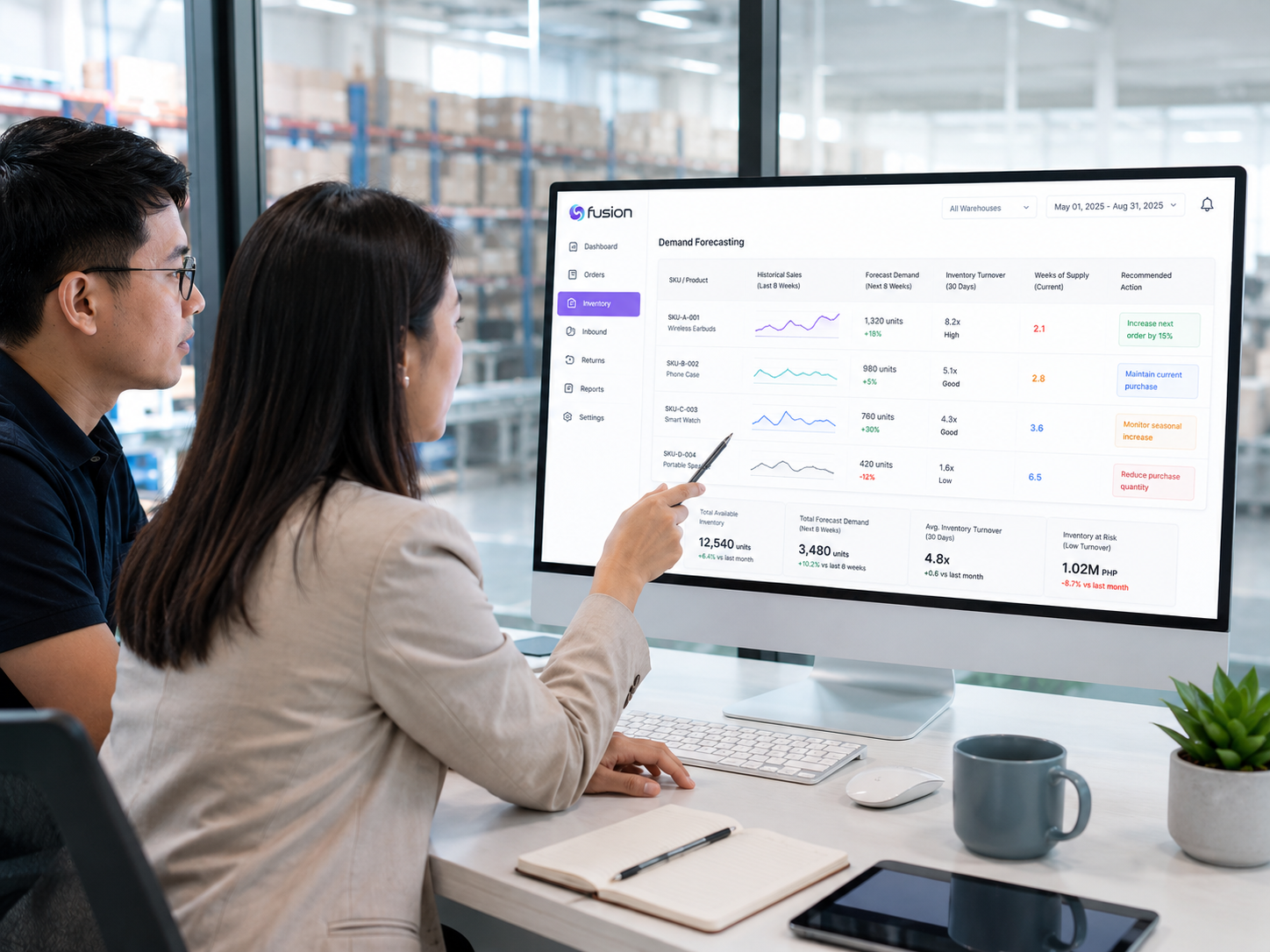
Not every product moves through inventory at the same rate. Some products sell consistently throughout the year, while others experience fluctuations in demand.
Monitoring inventory turnover helps businesses identify how quickly products are sold and replaced over a specific period. Understanding inventory turnover supports better purchasing decisions while reducing the likelihood of carrying excess inventory.
As ecommerce businesses introduce new products, expand into additional markets, or experience higher order volumes, inventory requirements continue to evolve.
Developing a structured inventory planning process helps businesses prepare for future demand while improving coordination between purchasing, warehousing, and fulfillment operations. Better planning also supports more efficient inventory allocation as business needs continue to grow.
Improving inventory performance requires more than monitoring stock quantities. Businesses also need structured processes that support informed decision-making, accurate forecasting, and efficient inventory allocation. By applying practical inventory strategies, ecommerce businesses can improve operational efficiency while maintaining the flexibility to respond to changing customer demand.
Effective inventory control helps businesses maintain better oversight of inventory movement throughout daily operations. Establishing consistent procedures for receiving, storing, transferring, and auditing inventory reduces discrepancies while improving inventory reliability.
Regular inventory reviews also help identify slow-moving products, excess inventory, and opportunities to improve warehouse efficiency.
Accurate inventory forecasting helps businesses anticipate future inventory requirements before demand changes affect operations. By analyzing historical sales trends, purchasing behavior, and seasonal patterns, businesses can make more informed purchasing decisions while reducing unnecessary inventory risks.
Improved forecasting also helps purchasing teams maintain healthier inventory levels throughout the year.
Understanding inventory turnover provides valuable insight into how efficiently products move through the business. Products with high turnover may require more frequent replenishment, while slower-moving inventory may require adjustments to purchasing or promotional strategies.
Regularly reviewing inventory turnover helps businesses improve inventory performance while making better use of warehouse space and available capital.
Maintaining balanced stock levels allows businesses to respond more effectively to customer demand without carrying unnecessary inventory. Reviewing inventory requirements regularly helps businesses adjust purchasing decisions based on changing sales activity, supplier lead times, and product demand.
Balanced stock levels also contribute to smoother fulfillment operations and improved customer satisfaction.
Reliable demand forecasting provides businesses with a clearer understanding of future inventory requirements. Rather than reacting to unexpected demand changes, businesses can plan inventory purchases more strategically using sales trends and operational data.
This proactive approach supports better purchasing decisions while reducing the likelihood of inventory shortages or excess stock.
A structured inventory planning process helps businesses coordinate purchasing, warehousing, and fulfillment activities more effectively. Planning inventory based on reliable business data allows organizations to allocate resources more efficiently while preparing for seasonal demand, business growth, and changing customer expectations.
By continuously reviewing and refining inventory planning strategies, businesses can improve inventory performance while supporting long-term operational stability.
As ecommerce businesses expand, inventory operations become increasingly complex. Introducing new products, entering additional sales channels, and managing higher order volumes all require a more strategic approach to inventory planning. Businesses that regularly evaluate inventory performance are better positioned to respond to these changes while maintaining operational efficiency.
A well-planned inventory optimization strategy helps businesses make better decisions throughout the inventory lifecycle. By combining accurate planning, effective forecasting, and consistent inventory control, organizations can reduce unnecessary costs while maintaining the inventory needed to support customer demand.
Improving inventory processes also strengthens collaboration between purchasing, warehouse operations, and fulfillment teams. When every department works with reliable inventory information and shared operational goals, businesses can improve coordination, reduce delays, and respond more quickly to changing market conditions.
For businesses focused on sustainable growth, investing in inventory optimization creates a stronger operational foundation. Better inventory decisions help improve stock performance, support more efficient fulfillment, and prepare businesses to scale confidently as ecommerce operations continue to evolve.
Inspire E-Commerce Solutions Inc.
Warehouse 4 & 5, C Teknik Industrial, 143 P. Gregorio Street, Valenzuela,
1442 Metro Manila
inspiresolutions.asia