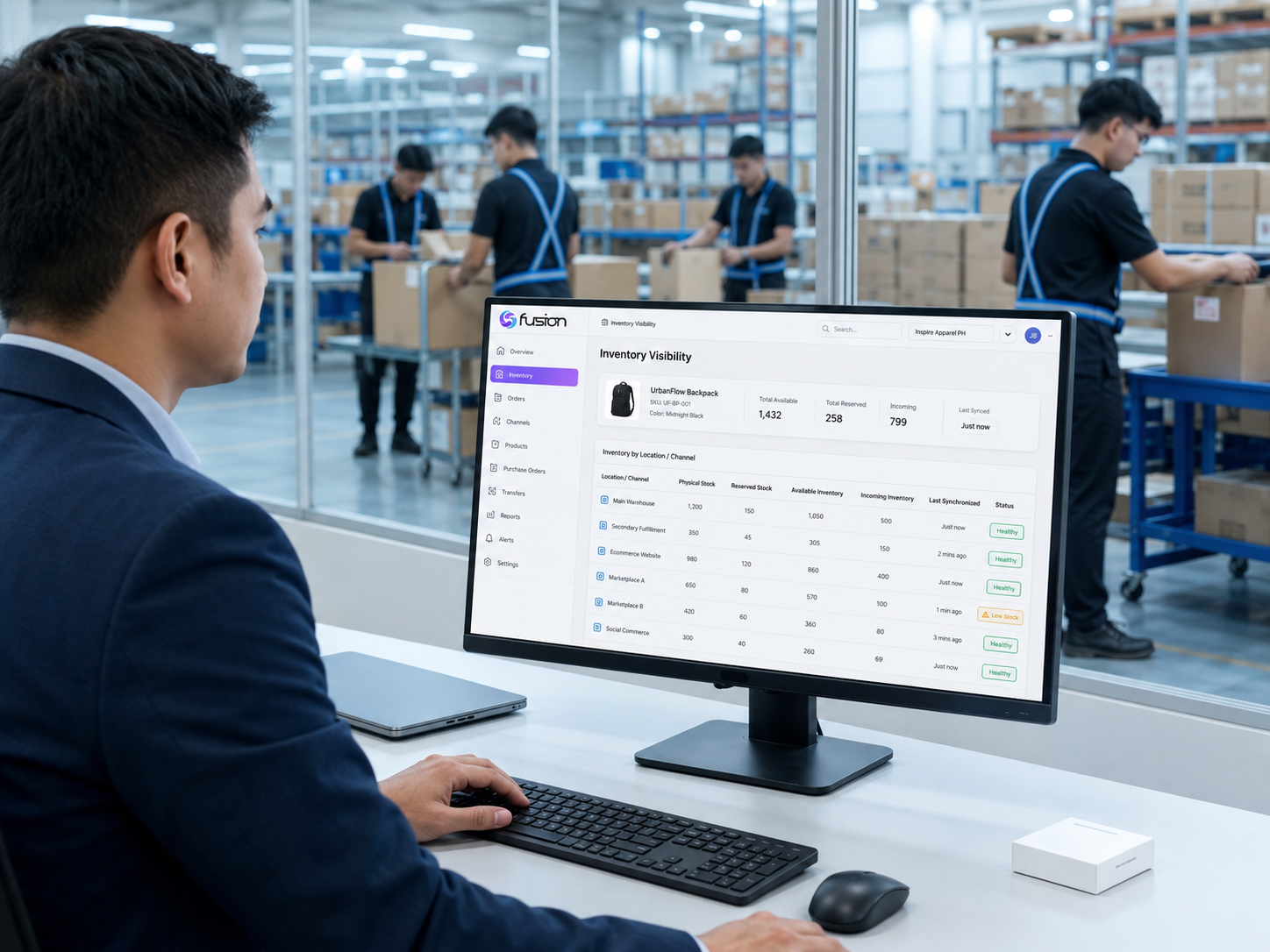
Selling across multiple sales channels has become an important strategy for ecommerce businesses looking to reach more customers and expand their market presence. Whether products are available through online marketplaces, ecommerce websites, or retail partners, customers expect accurate stock information and reliable order fulfillment regardless of where they shop.
Managing inventory across multiple channels, however, presents operational challenges. Inventory levels can change quickly as orders are placed, returns are processed, and new stock arrives. Without clear visibility into inventory movement, businesses may encounter stock discrepancies, delayed fulfillment, overselling, or missed sales opportunities.
Inventory visibility helps organizations maintain a clear view of inventory across warehouses, fulfillment centers, and connected sales channels. Combined with real-time inventory tracking, effective inventory management, and reliable inventory accuracy, businesses can make better operational decisions while supporting more efficient ecommerce fulfillment.
Maintaining accurate inventory information allows businesses to monitor stock levels, product movement, and availability across every location where products are stored or sold. Rather than relying on separate systems or manual updates, organizations can access consistent data that reflects current operational conditions.
This level of transparency extends beyond knowing how much stock is available. It also provides insight into where products are located, how they move throughout the fulfillment process, and how product availability changes across different sales channels.
For ecommerce businesses managing multiple warehouses, online marketplaces, and fulfillment operations, access to reliable inventory data supports more informed decision-making while helping teams coordinate daily activities with greater confidence.
As ecommerce businesses expand into multiple marketplaces and online sales channels, inventory becomes more difficult to manage. Every sale, return, stock transfer, or new shipment can affect inventory levels across the business. Without accurate inventory information, even small discrepancies can create operational challenges that impact both internal teams and customers.
Having access to reliable inventory data allows businesses to respond more effectively to changing inventory conditions while supporting consistent operations across every sales channel.
Effective inventory management begins with reliable information.
When businesses have visibility into current inventory levels across warehouses and sales channels, they can make more informed decisions about purchasing, stock allocation, and fulfillment priorities. Accurate inventory information also helps reduce manual verification, allowing teams to focus on higher-value operational tasks.
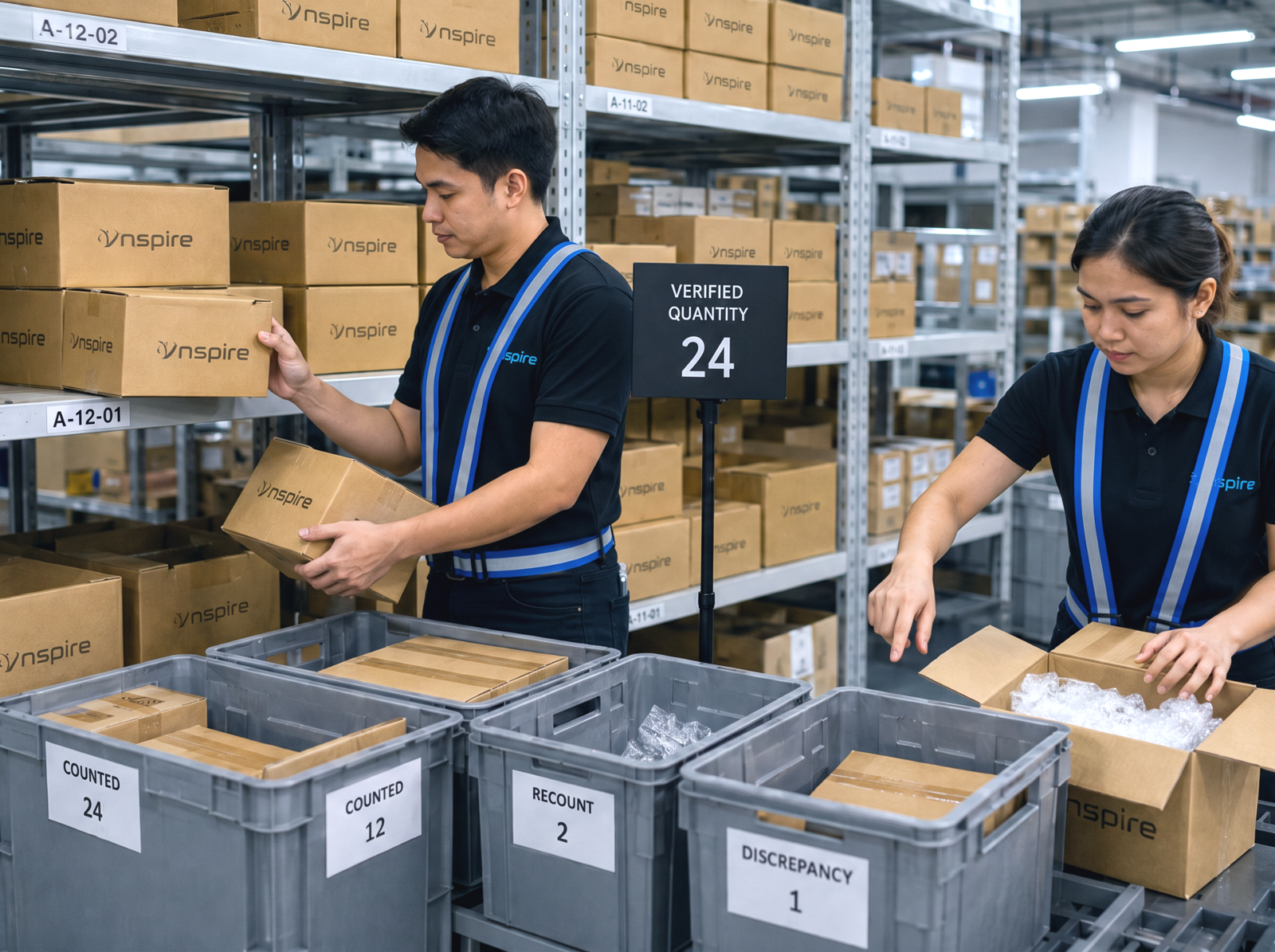
Inventory records should reflect actual stock availability at every stage of the fulfillment process.
Greater visibility makes it easier to identify discrepancies between recorded inventory and physical stock, helping businesses investigate issues before they affect customer orders. Consistently maintaining inventory accuracy also supports smoother warehouse operations and more reliable inventory planning.

Inventory levels can change throughout the day as orders are processed, products are received, or inventory is transferred between locations.
Real-time inventory tracking allows businesses to monitor these changes more efficiently, giving warehouse and operations teams access to current inventory information whenever decisions need to be made. Timely updates also help reduce delays caused by outdated inventory records.
Accurate inventory information plays an important role in every stage of ecommerce fulfillment.
When fulfillment teams have access to current inventory data, they can process customer orders with greater confidence while reducing the risk of shipping delays caused by unavailable stock. Consistent inventory information also supports more reliable order fulfillment across multiple warehouses and sales channels.
Limited visibility into inventory can create operational issues that become more difficult to manage as ecommerce businesses grow. When inventory information is incomplete, delayed, or inconsistent across different systems, teams may spend more time resolving problems instead of improving operational performance.
Differences between recorded inventory and actual stock levels can affect purchasing decisions, fulfillment planning, and product availability.
Without reliable visibility, businesses may not identify discrepancies until customer orders are affected or routine inventory checks reveal inconsistencies.
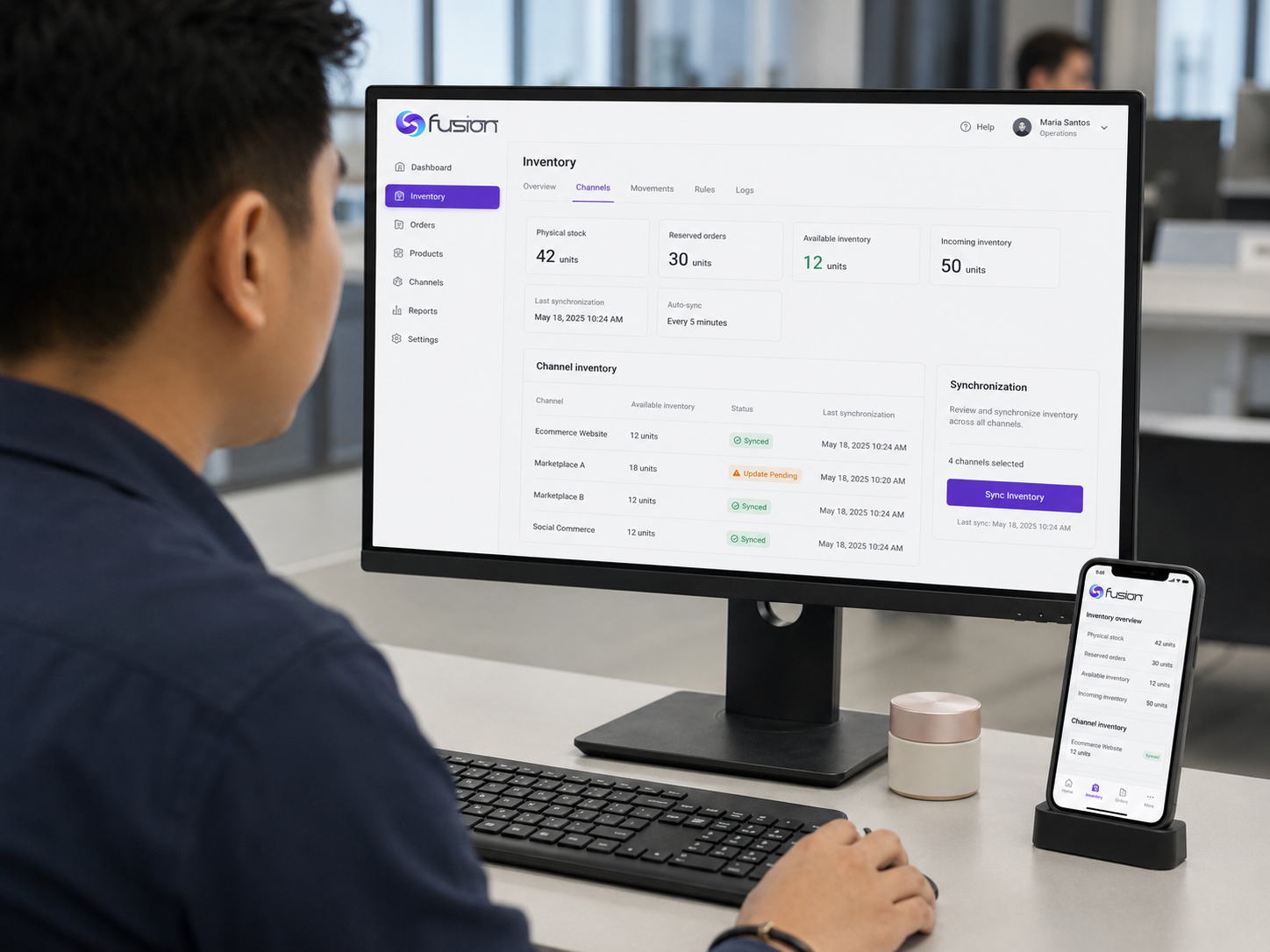
Selling products through multiple ecommerce platforms requires inventory information to remain consistent across every channel.
When inventory updates are delayed or unavailable, products may continue appearing as in stock even after inventory has already been allocated elsewhere. This can lead to canceled orders, fulfillment delays, and additional customer service inquiries.
Business decisions become more difficult when inventory information is spread across disconnected systems or updated manually.
Warehouse managers, inventory planners, and operations teams benefit from having immediate access to reliable inventory data, allowing them to respond more quickly to changing demand and operational priorities.
Inventory information supports multiple departments, including warehousing, fulfillment, purchasing, customer service, and operations.
Without consistent inventory visibility, teams may rely on different information sources, making collaboration more challenging and increasing the likelihood of operational inefficiencies.
Managing inventory effectively requires more than monitoring stock levels. Businesses also need connected systems, standardized processes, and reliable inventory data that support accurate decision-making throughout every stage of ecommerce operations.
The following practices can help organizations improve inventory accuracy, strengthen operational efficiency, and maintain consistent inventory information across multiple sales channels.
Inventory information changes continuously as products are received, picked, packed, transferred, or shipped.
Implementing real-time inventory tracking allows businesses to monitor these changes as they occur, helping warehouse teams maintain more accurate inventory records and respond more quickly to operational requirements. Up-to-date inventory information also supports better coordination between fulfillment, purchasing, and customer service teams.
Managing inventory through separate platforms can make it difficult to maintain consistent stock information.
Connecting ecommerce websites, online marketplaces, warehouse systems, and order management platforms allows inventory updates to flow more efficiently across the business. This helps reduce manual data entry while improving consistency between inventory records and product availability.
Reliable inventory management depends on accurate information.
Businesses should establish consistent processes for receiving products, recording inventory movements, processing returns, and performing inventory audits. Maintaining accurate inventory data helps improve inventory accuracy while supporting more confident operational planning.
Regularly reviewing inventory performance helps businesses identify trends that may affect daily operations.
Areas to monitor include:
Monitoring these metrics helps businesses make informed adjustments while improving inventory management over time.
As ecommerce businesses expand into new marketplaces, introduce additional product lines, or increase order volumes, inventory operations become more complex. Maintaining visibility across inventory, warehouses, and sales channels helps businesses manage this growth with greater consistency and control.
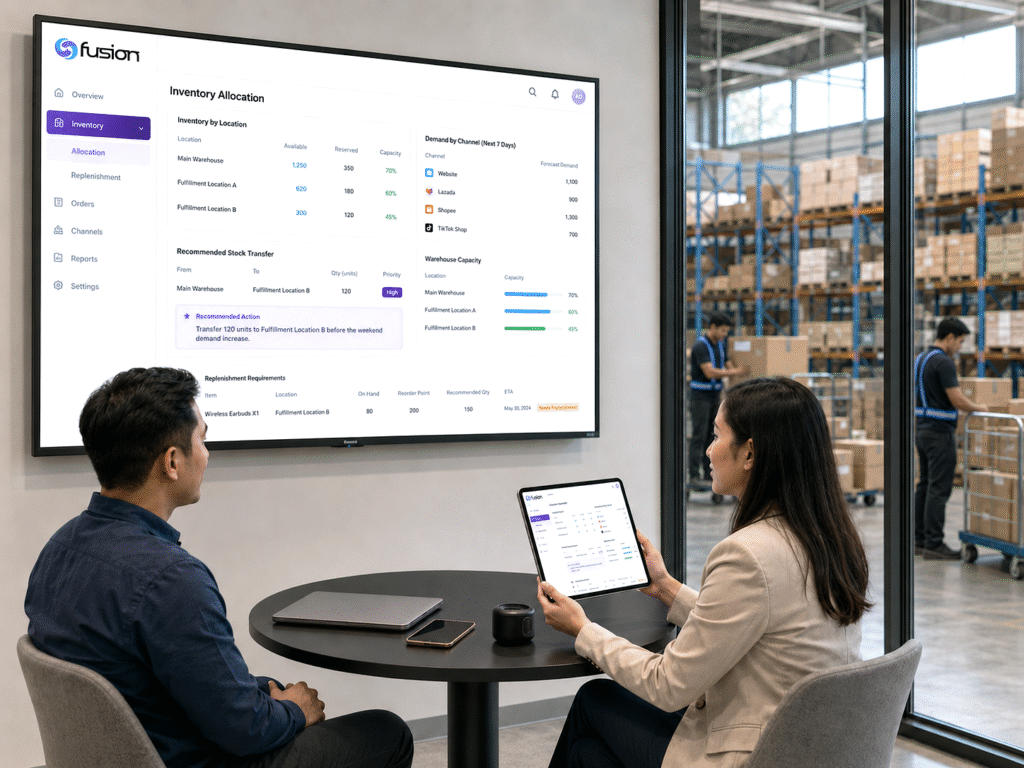
Access to reliable inventory information allows businesses to make better decisions about purchasing, stock transfers, and warehouse capacity.
Understanding where inventory is available and how products move across the supply chain helps teams allocate resources more effectively while reducing unnecessary operational delays.
Inventory information is shared across multiple business functions.
Warehouse teams, purchasing departments, customer service representatives, and operations managers all depend on accurate inventory data to perform their responsibilities efficiently. Improved visibility creates a shared source of information that supports better communication and coordination throughout the organization.
Expanding into additional sales channels increases the importance of maintaining consistent inventory information.
Access to accurate inventory data helps businesses manage inventory across ecommerce websites, marketplaces, and fulfillment locations while supporting a more consistent customer experience regardless of where orders originate.
By creating connected inventory processes, businesses can scale operations more confidently while maintaining greater control over inventory performance.
Inventory is one of the most valuable assets in ecommerce, and having clear visibility into its movement is essential for maintaining efficient day-to-day operations. As businesses expand across multiple warehouses, marketplaces, and fulfillment channels, access to accurate inventory information becomes increasingly important for supporting informed decision-making.
Inventory visibility enables organizations to monitor stock levels, improve inventory accuracy, and coordinate operations across connected sales channels. Together with real-time inventory tracking, effective inventory management, and reliable ecommerce fulfillment, it helps create more consistent inventory processes while reducing operational complexity.
Investing in connected inventory practices allows businesses to adapt more effectively to changing customer demand, improve collaboration between teams, and establish a stronger foundation for sustainable ecommerce growth.
Inspire E-Commerce Solutions Inc.
Warehouse 4 & 5, C Teknik Industrial, 143 P. Gregorio Street, Valenzuela,
1442 Metro Manila
inspiresolutions.asia
