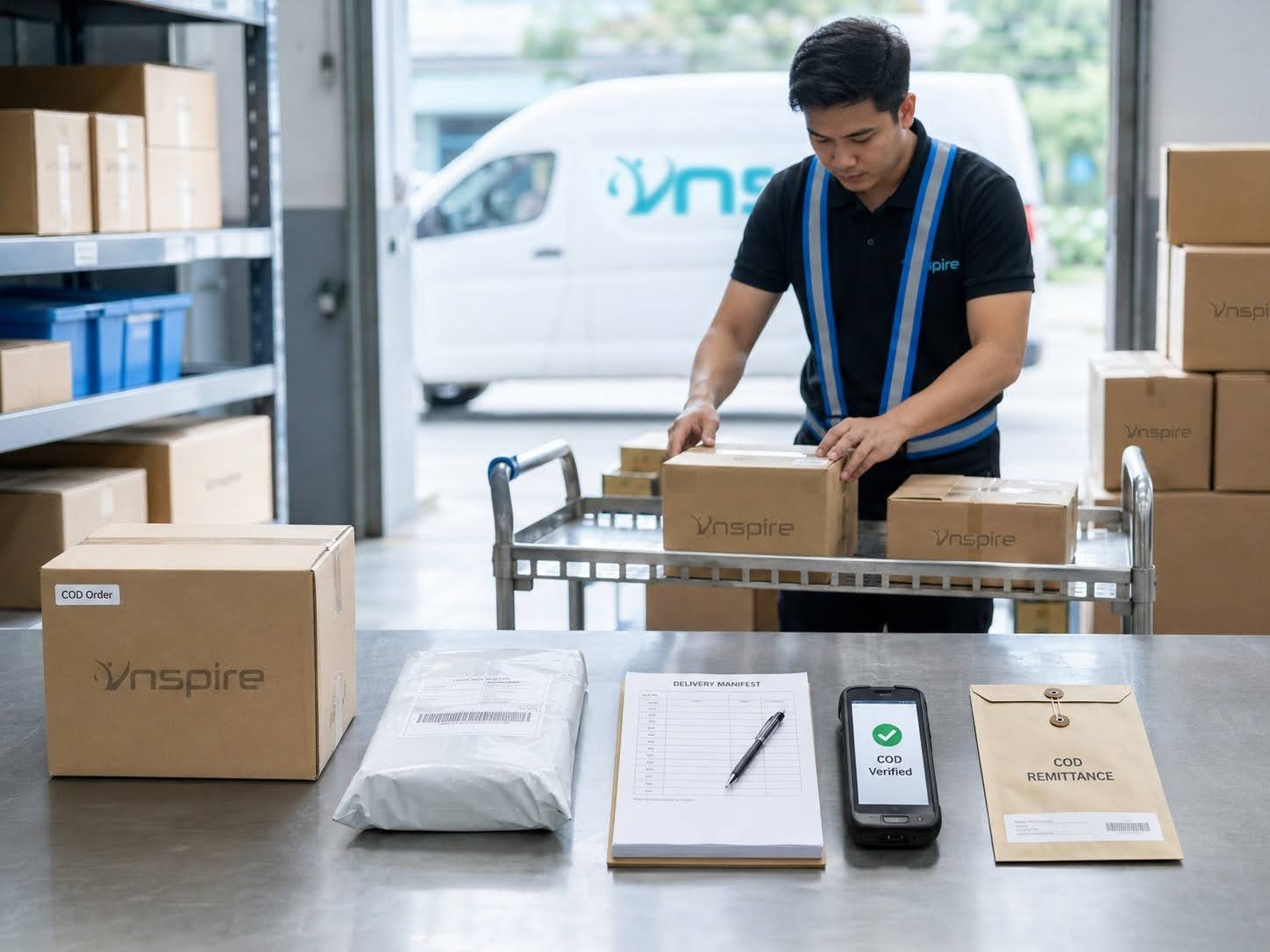
Cash on delivery remains one of the most widely used payment methods in ecommerce, especially in markets where trust in online payments is still developing. It allows customers to pay only when the product is received, making online shopping more accessible and reducing hesitation at checkout.
Behind this simple payment option is a structured fulfillment system that ensures orders are processed, delivered, and settled correctly. The process of cash on delivery involves coordination between ecommerce platforms, warehouse teams, logistics providers, and financial reconciliation systems.
As order volumes increase, businesses must manage COD operations carefully to avoid failed deliveries, payment delays, and reconciliation errors. Understanding the full fulfillment flow helps improve efficiency, reduce risks, and maintain accurate cash movement across the supply chain.
The process of cash on delivery refers to the end-to-end workflow where customers pay for their orders in cash upon delivery instead of paying online in advance.
This process includes several stages:
Unlike prepaid orders, COD requires additional coordination between logistics and finance teams since payment is handled outside the digital checkout system.
This makes COD both a customer-friendly option and an operationally complex process.
Cash on delivery continues to play a major role in ecommerce, particularly in developing markets.
Many customers prefer COD because it reduces the risk of online fraud or non-delivery. They only pay once they physically receive the product.
Offering COD can reduce cart abandonment, especially for first-time buyers who are hesitant to pay online.
COD allows businesses to reach customers who do not have access to digital payment methods.
However, while COD improves accessibility, it also introduces operational challenges that must be managed carefully.

The COD process begins when a customer places an order and selects cash on delivery at checkout.
At this stage:
Accurate order capture is critical because errors at this stage can lead to inventory mismatches and delivery issues later in the process.
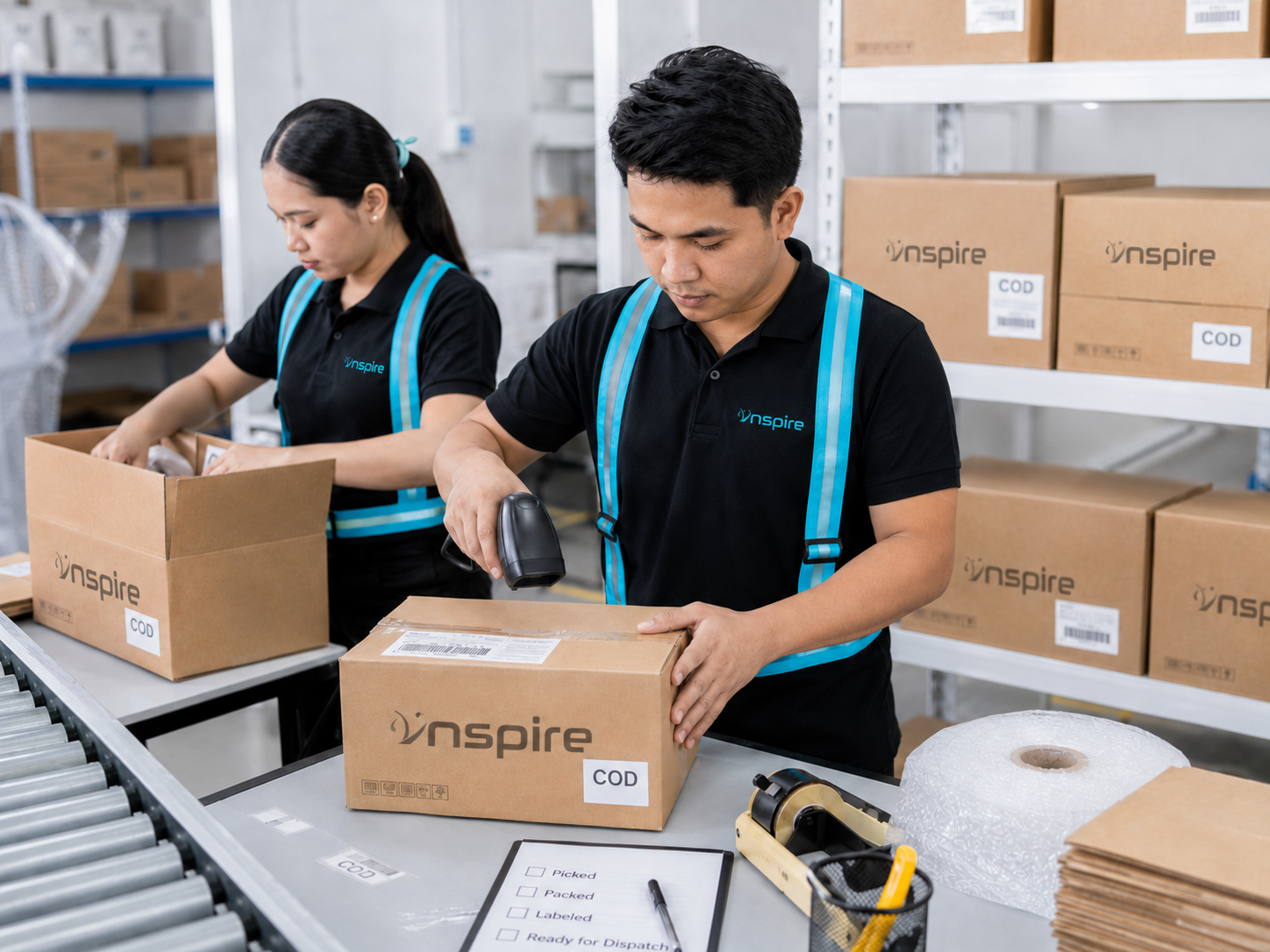
Once the order is confirmed, it moves into the fulfillment stage.
Warehouse teams prepare the order by:
Efficient order processing helps reduce delays and improves overall delivery performance.
After preparation, the order is handed over to the logistics provider for delivery.
During this stage:
The delivery phase is a critical part of the process of cash on delivery, as it determines whether the transaction will be successfully completed or returned.
Clear communication between courier services and customers is essential to avoid failed deliveries.

When the package arrives, the courier collects payment directly from the customer.
This step involves:
This is the defining moment of COD transactions. If the customer refuses payment or is unavailable, the order may become a failed delivery and require return processing.
The proof of delivery process ensures that the order has been successfully completed.
It typically includes:
This documentation is essential for both operational tracking and financial reconciliation. It provides evidence that the order was completed and payment was received.
Without proper proof of delivery, disputes may arise between customers, couriers, and businesses.

After successful delivery and payment collection, the courier company transfers the collected funds back to the business. This step is known as cod remittance.
The process usually involves:
Delays or errors in COD remittance can affect cash flow and create discrepancies in financial reporting.
This step is critical for maintaining accurate financial control in ecommerce operations.
While COD is customer-friendly, it introduces several operational challenges.
Customers may refuse to accept the order or may not be available at the time of delivery. This leads to returns and additional logistics costs.
COD remittance may take time depending on the courier’s settlement cycle, affecting business cash flow.
Physical cash collection introduces risks such as loss, theft, or misreporting.
COD orders often have higher return rates compared to prepaid orders, increasing reverse logistics costs.
Businesses can optimize COD operations through better systems and processes.
Ensuring accurate customer details reduces failed delivery attempts.
Reliable logistics partners improve delivery success rates and reduce delays in COD remittance.
Electronic confirmation reduces disputes and improves tracking accuracy.
Tracking COD success rates, return rates, and settlement times helps identify operational gaps.
Modern ecommerce systems play a key role in improving COD workflows.
Automation helps:
These systems improve transparency and reduce manual errors across the fulfillment process.
The process of cash on delivery is more than just a payment method. It is a structured fulfillment flow that involves order processing, delivery execution, payment collection, and financial reconciliation.
By understanding each stage, from order placement to cod remittance, businesses can reduce operational risks and improve efficiency. The proof of delivery process further ensures accountability and accuracy across transactions.
While COD continues to be an important option for ecommerce customers, its success depends on strong coordination between logistics, fulfillment, and financial systems. When managed properly, it can significantly enhance customer trust and expand market reach.
Inspire E-Commerce Solutions Inc.
Warehouse 4 & 5, C Teknik Industrial, 143 P. Gregorio Street, Valenzuela,
1442 Metro Manila
inspiresolutions.asia
