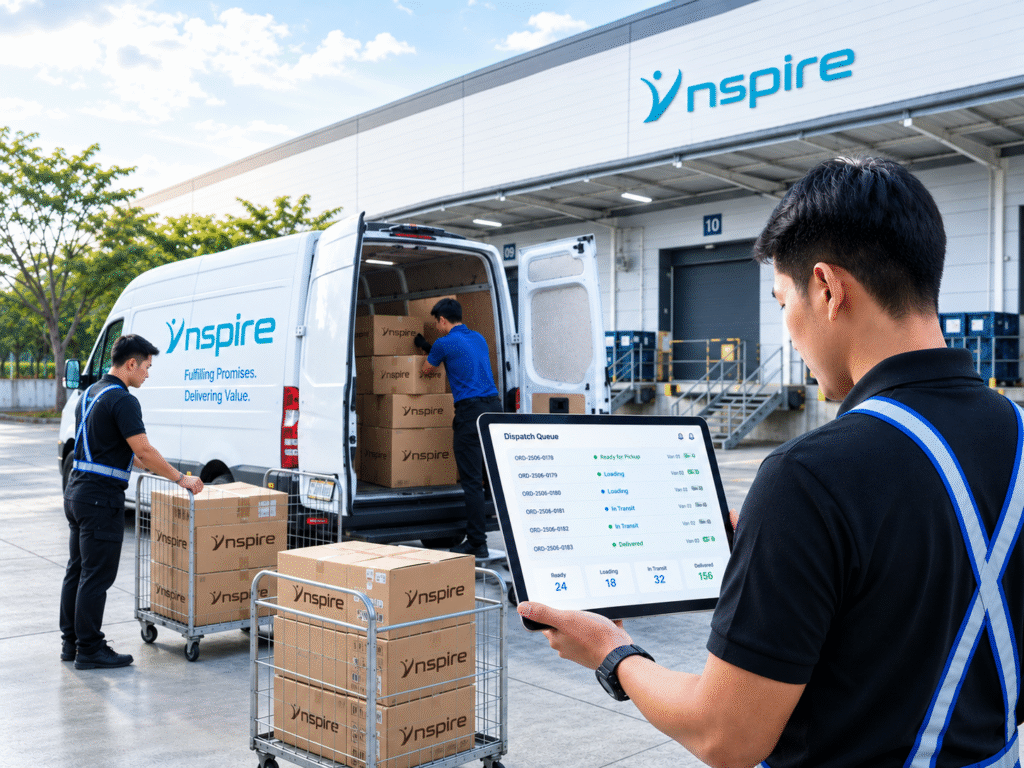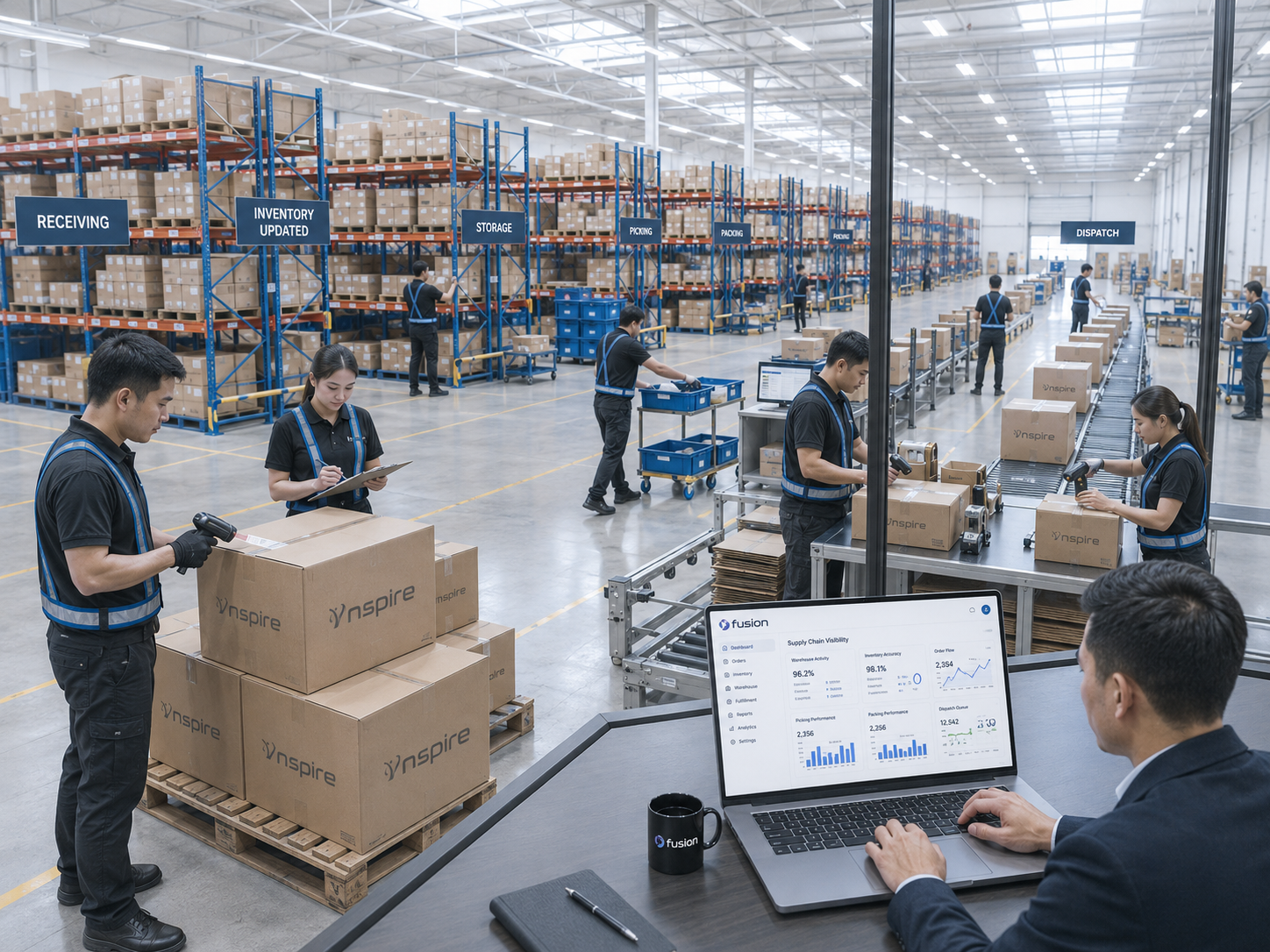
As ecommerce businesses grow, managing inventory, orders, warehouses, and deliveries becomes increasingly complex. Products often move through multiple locations, while orders are processed across websites, marketplaces, and fulfillment centers. Without clear visibility into these activities, businesses may struggle to respond quickly to changing customer demands and operational challenges.
This is where supply chain visibility plays an important role. It provides businesses with timely information about inventory movement, order progress, and fulfillment operations, allowing teams to make better decisions and resolve issues before they affect customers.
Instead of relying on disconnected systems or manual updates, ecommerce businesses can use connected technology to monitor operations in real time and improve coordination across the supply chain.
This article explores how supply chain visibility supports modern ecommerce networks, strengthens order visibility, improves inventory accuracy, and enhances operations through workflow automation.
Supply chain visibility refers to the ability to monitor products, inventory, orders, and operational activities throughout the fulfillment process.
For ecommerce businesses, visibility extends beyond tracking shipments. It involves understanding how products move from suppliers to warehouses, how orders progress through fulfillment, and how inventory levels change across multiple sales channels.
With better visibility, businesses can quickly answer important operational questions such as:
Having access to this information helps businesses respond faster to operational changes while improving planning and customer service.
As ecommerce operations continue to expand, maintaining visibility across every stage of the supply chain becomes increasingly valuable.
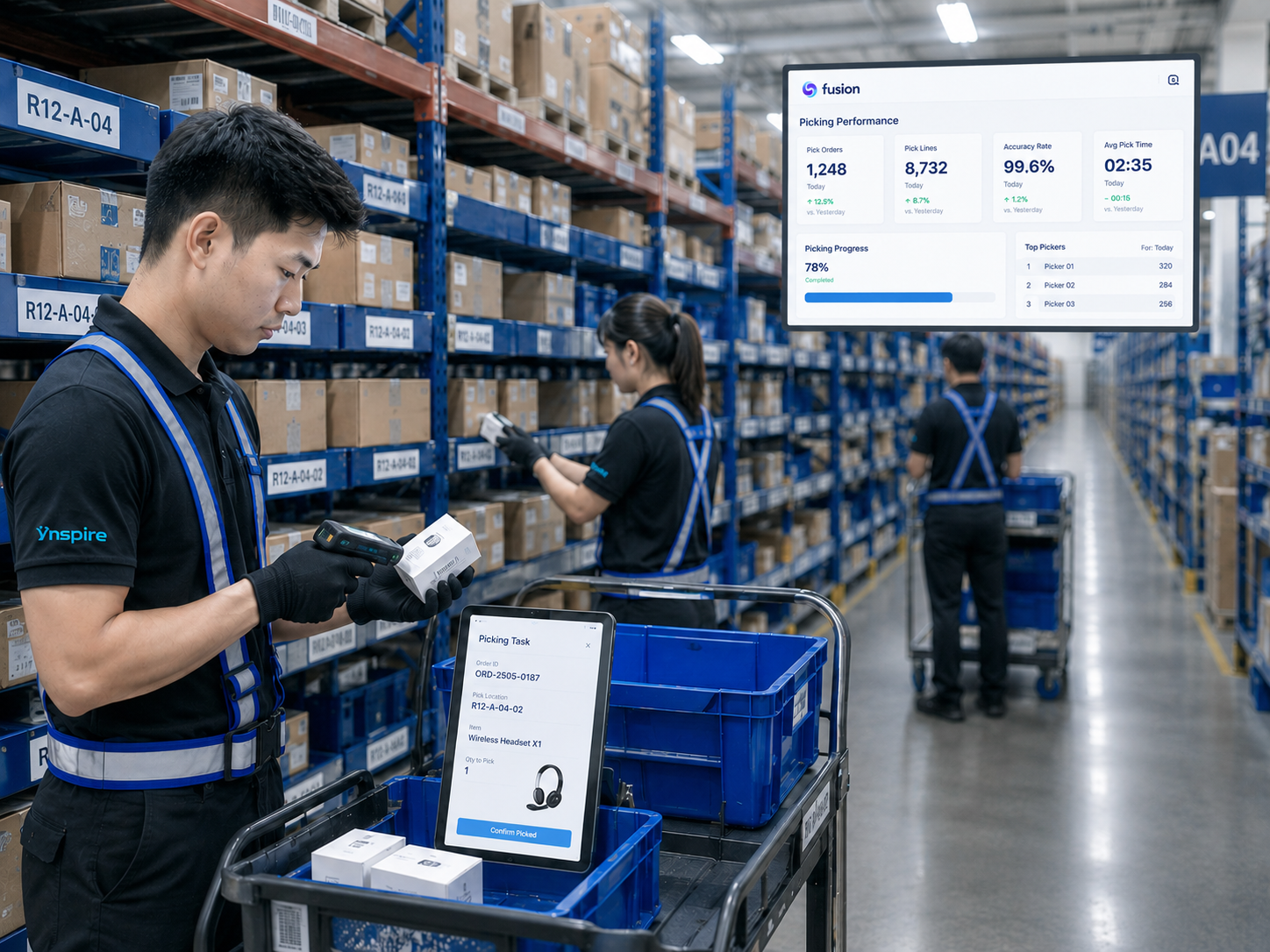
Modern ecommerce networks involve multiple moving parts. Orders may come from different online marketplaces, inventory can be stored across several warehouses, and deliveries often rely on multiple logistics providers.
Without clear operational visibility, even small disruptions can affect fulfillment performance.
Access to real-time operational information allows businesses to make informed decisions more quickly.
Instead of waiting for manual reports or investigating inventory discrepancies, managers can identify issues as they occur and respond before they become larger operational problems.
This supports faster decision-making across purchasing, fulfillment, inventory planning, and customer service.
Customers expect accurate product availability, reliable delivery updates, and timely order fulfillment.
When businesses have greater visibility into their operations, customer service teams can provide more accurate information regarding order status and delivery progress.
This helps improve communication while increasing customer confidence throughout the purchasing experience.
Maintaining inventory accuracy becomes more challenging as businesses expand into multiple sales channels and fulfillment locations.
Real-time inventory tracking helps businesses monitor stock movement, reducing the likelihood of inventory discrepancies, overselling, or delayed replenishment.
Accurate inventory information also supports better purchasing decisions and helps maintain consistent product availability.
Unexpected delays, inventory shortages, or fulfillment bottlenecks can affect customer satisfaction if they are not addressed quickly.
With greater visibility across warehouse operations and order processing, businesses can identify potential issues earlier and take corrective action before they disrupt fulfillment.
This proactive approach helps reduce delays while improving overall operational efficiency.
One of the most valuable components of supply chain visibility is order visibility.
Order visibility allows businesses to monitor an order throughout its entire lifecycle, from the moment it is placed until it reaches the customer.
Instead of relying on manual status updates, teams can access current information about each stage of fulfillment.
This includes:
Having access to accurate order information allows customer service teams, warehouse staff, and operations managers to work from the same data.
When every department has a clear view of order status, communication improves and operational delays become easier to identify and resolve.
Order visibility also supports better customer communication by providing timely updates regarding fulfillment and delivery progress.
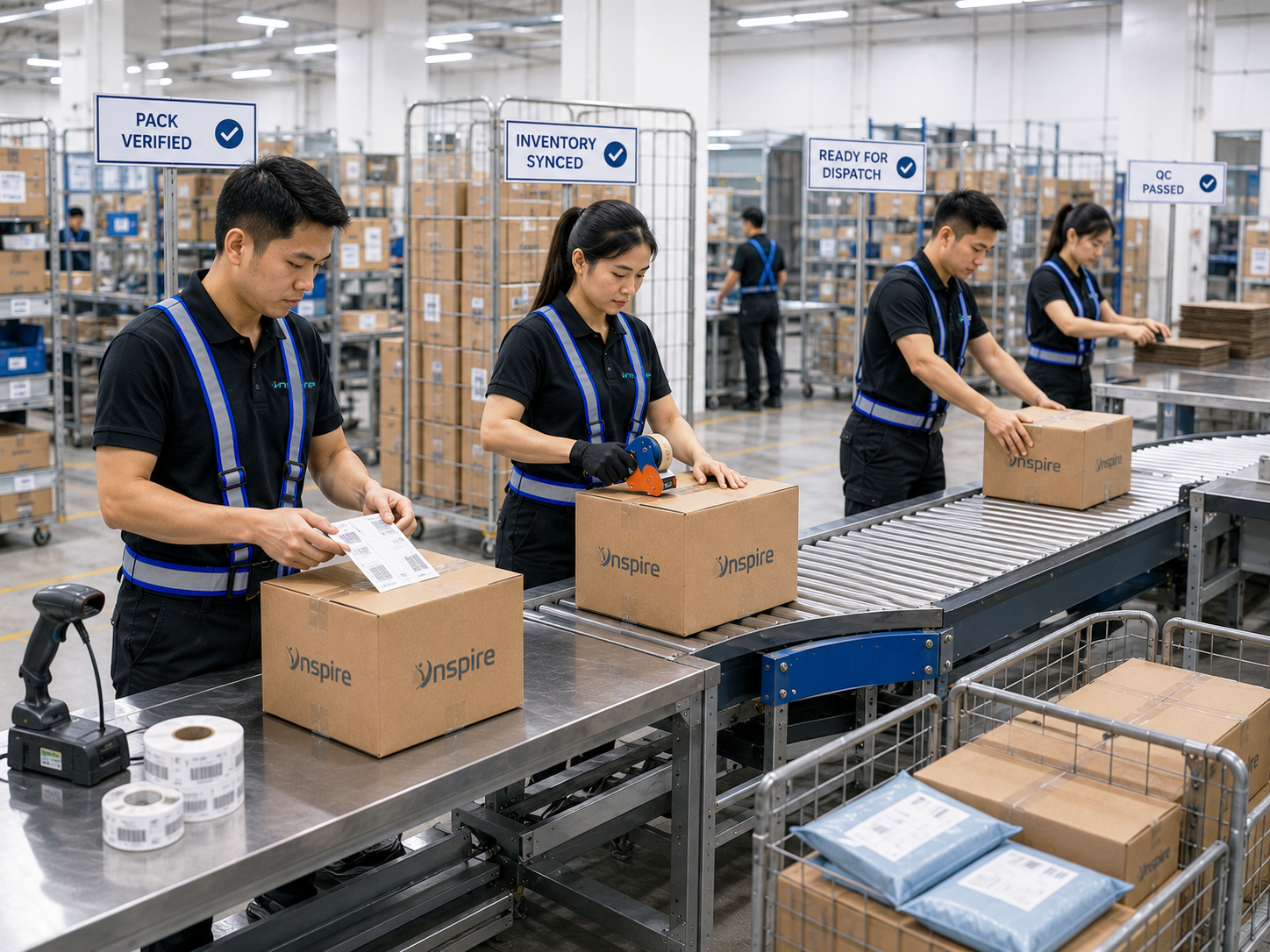
As ecommerce operations become more complex, relying on manual processes can make it difficult to maintain accurate and timely information. Data entered at different stages of fulfillment may be delayed, duplicated, or overlooked, reducing visibility across the supply chain.
This is where workflow automation provides significant value.
Workflow automation connects routine operational processes, allowing information to move automatically between systems without requiring manual updates.
Examples include:
Automating these activities helps reduce delays while ensuring that operational data remains consistent throughout the fulfillment process.
By minimizing manual intervention, businesses can improve efficiency and respond more quickly to changing operational conditions.
Maintaining inventory accuracy is essential for successful ecommerce fulfillment. Customers expect products to be available when they place an order, and businesses rely on accurate inventory information to support purchasing and replenishment decisions.
Supply chain visibility helps improve inventory accuracy by providing real-time updates as products move through different stages of the supply chain.
These updates may occur when inventory is:
Having current inventory information reduces the risk of discrepancies between recorded stock and actual inventory.
Improved visibility also helps businesses avoid common challenges such as:
As inventory information becomes more reliable, businesses can improve forecasting, purchasing, and fulfillment planning.
Businesses that operate with limited visibility often experience operational challenges that affect both efficiency and customer satisfaction.
When warehouse operations, inventory management, and order processing rely on separate systems, information may not be updated consistently.
This can create delays in communication and make it difficult to track products throughout the fulfillment process.
Without access to timely information, businesses often rely on manual reports or outdated data when making operational decisions.
This can slow responses to inventory shortages, fulfillment delays, or unexpected changes in customer demand.
Limited visibility into inventory movement increases the likelihood of inaccurate stock records.
Differences between recorded inventory and actual stock can lead to fulfillment delays, order cancellations, and unnecessary purchasing decisions.
Customers expect businesses to provide accurate information about product availability and delivery status.
When operational visibility is limited, businesses may struggle to communicate realistic fulfillment timelines or resolve customer inquiries quickly.
Providing timely, accurate information across inventory, orders, and fulfillment activities helps create a more reliable customer experience and supports better day-to-day operations.
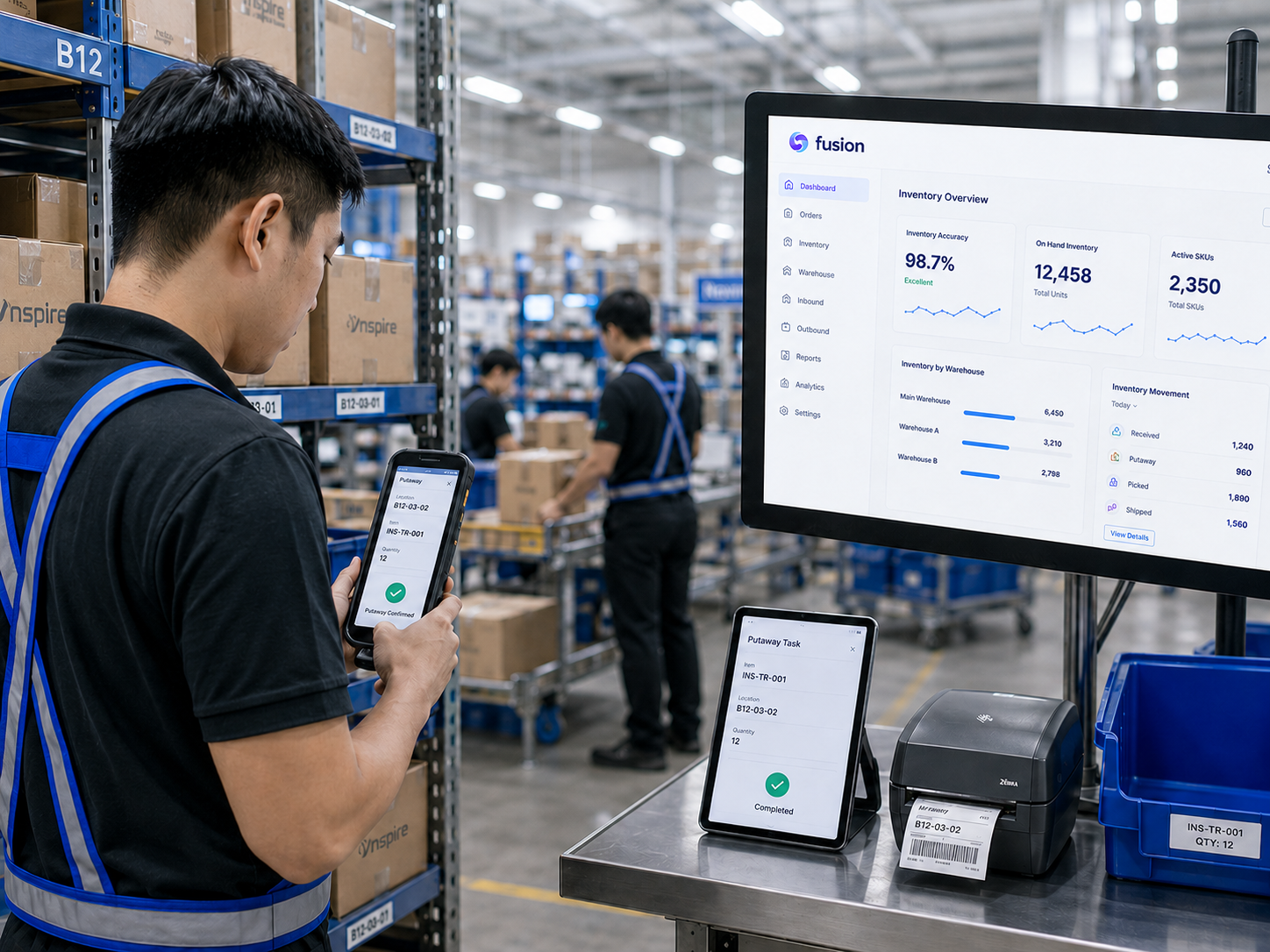
Creating greater visibility across the supply chain requires more than implementing new technology. Businesses should also establish consistent processes that support accurate information sharing across different operational areas.
Warehouse management, inventory tracking, and order processing systems should work together to provide a consistent flow of information.
Connecting these systems helps reduce manual updates while improving data accuracy.
Standardized workflows help ensure information is captured consistently throughout the fulfillment process.
Clear procedures for receiving inventory, processing orders, and updating shipment status reduce operational inconsistencies and improve visibility.
Regularly reviewing operational performance helps businesses identify areas where visibility can be improved.
Monitoring fulfillment activities, inventory movement, and order processing supports continuous improvement while helping businesses respond to changing operational needs.
As ecommerce businesses grow, operational complexity also increases.
Choosing technology that supports future expansion allows businesses to maintain visibility across larger inventories, additional warehouses, and multiple sales channels without significantly increasing manual work.
Supply chain visibility helps ecommerce businesses make better decisions by providing a clearer view of inventory, orders, and fulfillment activities. Access to timely and accurate information allows teams to respond more quickly to operational challenges while improving coordination across different parts of the business.
By strengthening order visibility, maintaining inventory accuracy, and supporting workflow automation, businesses can reduce inefficiencies, improve fulfillment performance, and deliver a more consistent customer experience.
As ecommerce networks continue to evolve, greater visibility across the supply chain will remain an important factor in building efficient, scalable, and reliable operations.
Inspire E-Commerce Solutions Inc.
Warehouse 4 & 5, C Teknik Industrial, 143 P. Gregorio Street, Valenzuela,
1442 Metro Manila
inspiresolutions.asia