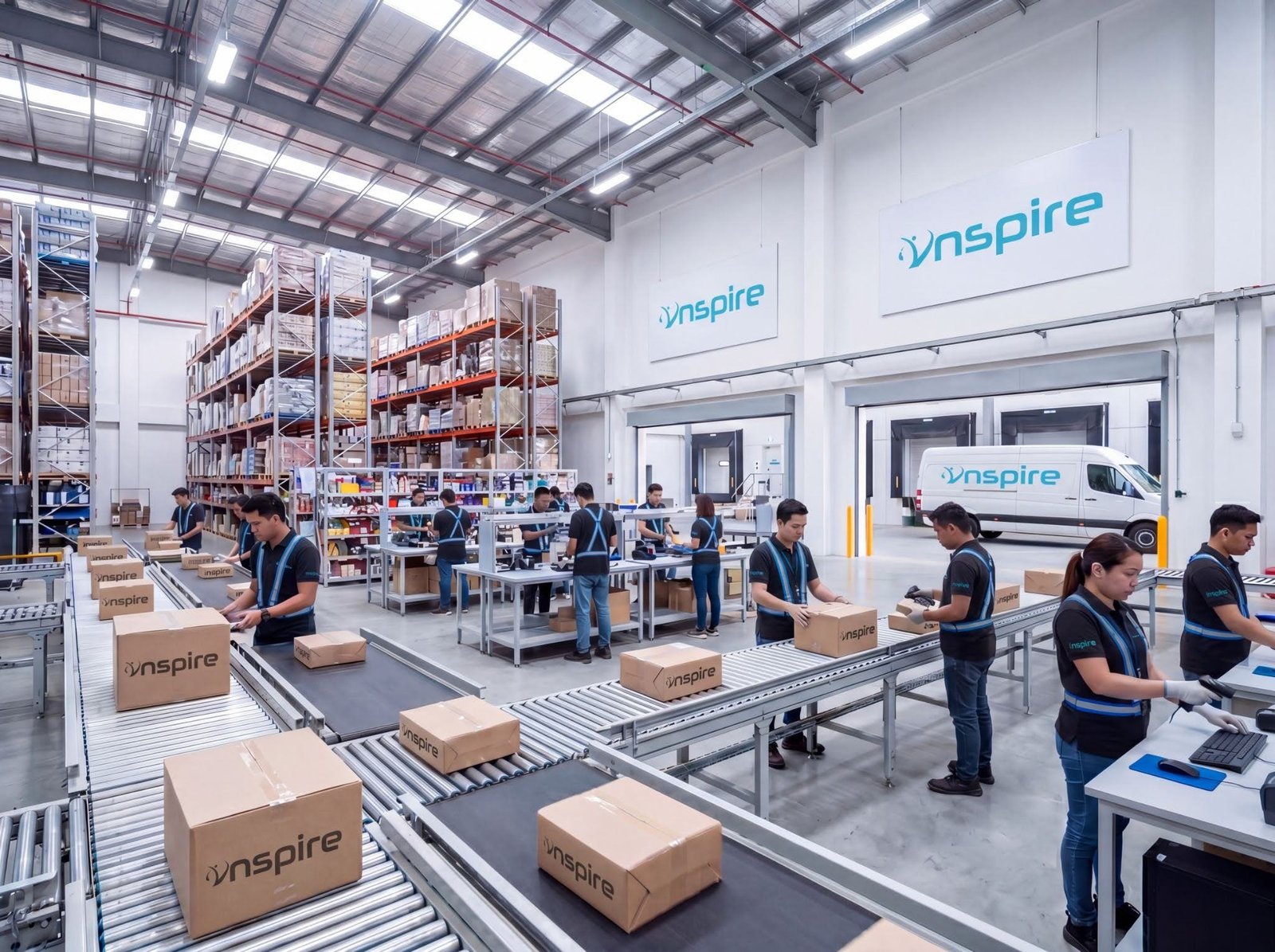
A customer’s buying decision does not end at checkout. For many online shoppers, the shipping method offered during checkout can be just as important as the product itself. Delivery speed, shipping flexibility, payment convenience, and fulfillment reliability all influence whether a customer completes a purchase or abandons the cart.
For businesses, selecting the right delivery options is more than a shipping decision. It is a strategic part of customer experience, operational efficiency, and long-term growth.
As e-commerce competition continues to grow, customers expect faster shipping, flexible fulfillment choices, and transparent delivery timelines. Businesses that fail to meet these expectations often struggle with abandoned carts, lower repeat purchases, and reduced customer trust.
This is why delivery options have become a critical part of modern e-commerce strategy. From standard shipping and same-day services to regional fulfillment and payment flexibility, each delivery model affects operational costs, customer satisfaction, and overall business performance.
This article explores how delivery options work, why they matter, and how businesses can choose the right delivery strategy to support sustainable e-commerce growth.
Delivery options refer to the shipping methods offered to customers when purchasing products online. These options determine how quickly, conveniently, and reliably an order reaches the customer.
Common delivery options include:
Each option serves different customer needs while creating different operational requirements for the business.
Choosing the right mix of delivery options allows businesses to balance cost, speed, and service quality.
In online selling, shipping is often one of the final factors influencing purchase decisions.
Customers want:
When businesses offer delivery options that align with these expectations, conversion rates often improve.
Strong delivery strategies help businesses:
Shipping is no longer just a logistics function. It has become a customer experience strategy.
Modern ecommerce delivery goes beyond simply transporting products from warehouse to customer.
Today’s customers expect:
Meeting these expectations requires strong coordination between warehouse operations, courier networks, and technology platforms.
Businesses that invest in efficient ecommerce delivery systems often experience higher customer satisfaction and stronger retention.
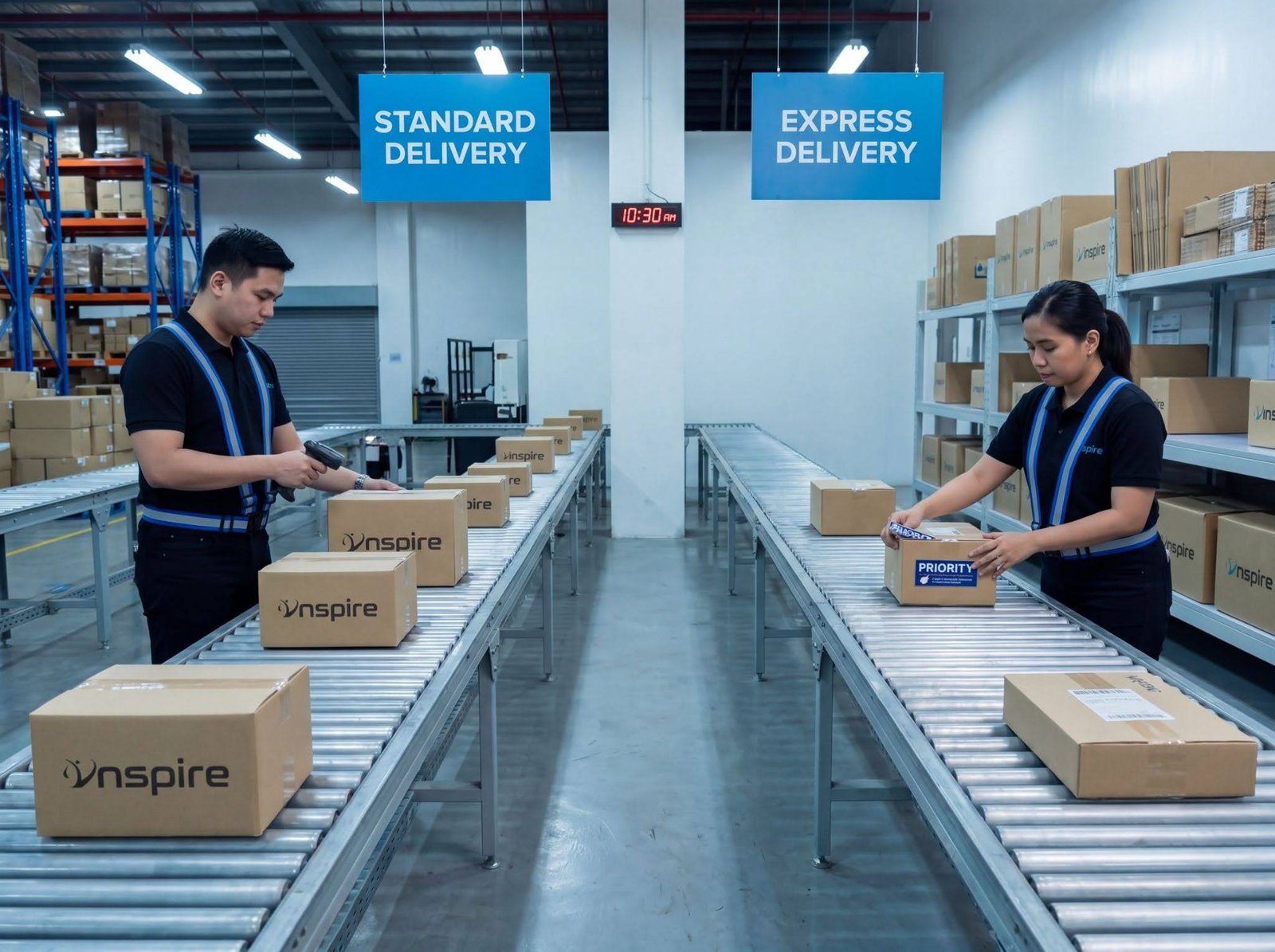
One of the most common decisions businesses face is choosing between standard and express delivery.
Standard shipping usually offers:
This option works well for customers who prioritize affordability over speed.
Express shipping typically offers:
This option appeals to customers who need products quickly and are willing to pay for convenience.
Offering both options allows businesses to serve different customer preferences.
One of the fastest-growing fulfillment trends is next day delivery.
Customers increasingly expect products to arrive within 24 hours, especially in urban areas and competitive marketplaces.
Next day delivery offers several advantages:
However, offering next day delivery requires:
Without strong operational control, next day delivery can create service failures.

In many markets, especially in the Philippines, cash on delivery remains one of the most preferred payment and delivery methods.
Cash on delivery allows customers to:
For businesses, cash on delivery can:
However, it also creates operational challenges such as:
Businesses must balance convenience with operational control.
Not all customers have the same delivery expectations.
Urban customers may prioritize:
Provincial customers may prioritize:
Businesses that tailor delivery options based on geographic demand often improve customer satisfaction and operational efficiency.
Regional fulfillment planning helps support consistent service across different markets.
Every delivery option creates different operational requirements.
Offering multiple delivery methods affects:
Without proper operational planning, too many shipping options can create complexity and inefficiency.
Successful businesses align delivery options with operational capabilities.
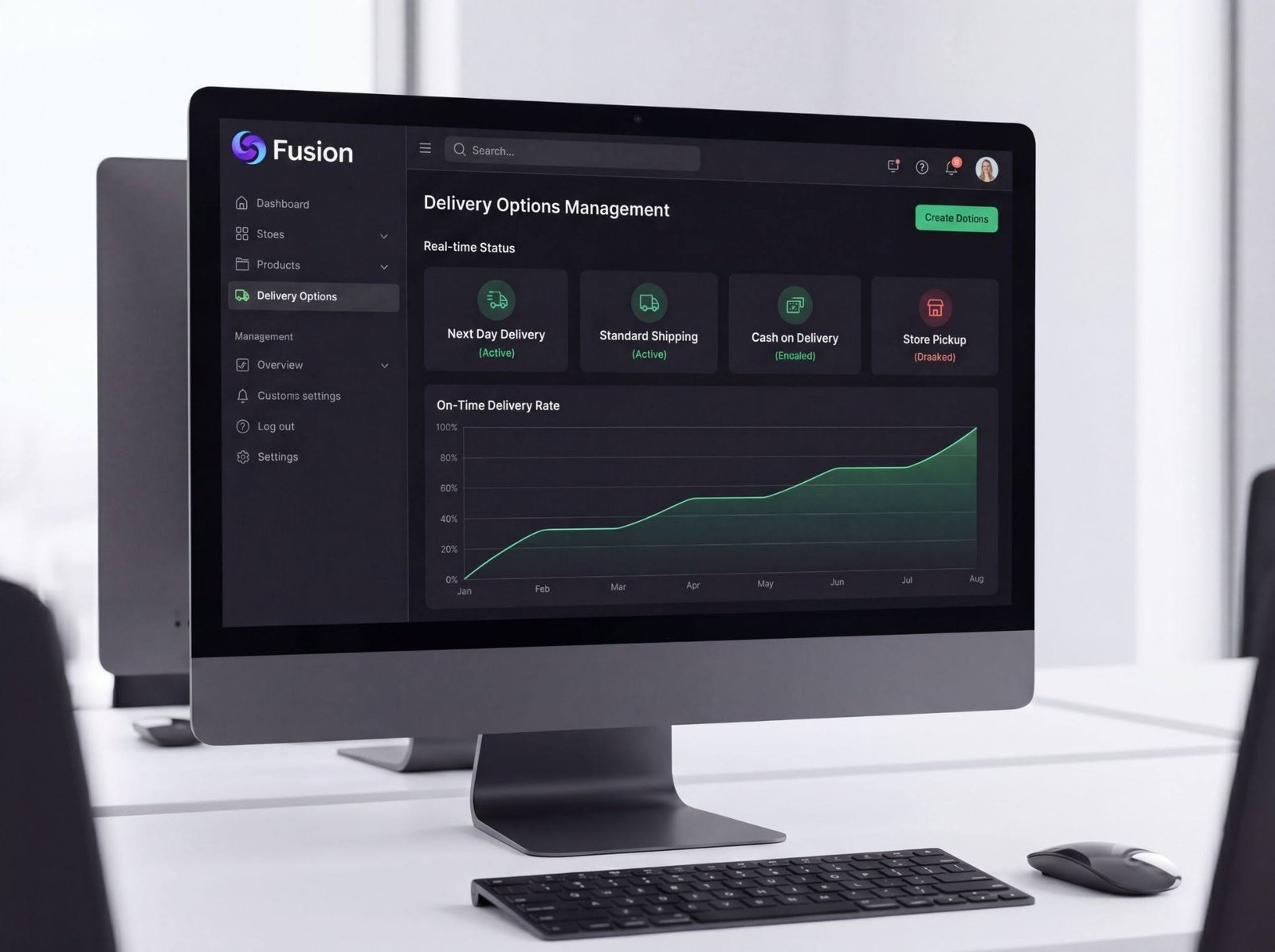
Modern delivery strategies rely on technology to maintain visibility and control.
These systems may include:
Technology allows businesses to monitor delivery performance in real time while improving customer communication.
This strengthens both operational control and customer trust.
Shipping speed and flexibility often affect operational costs.
Businesses must balance:
Offering only premium shipping may increase costs.
Offering only standard shipping may reduce competitiveness.
A balanced delivery strategy helps optimize both profitability and customer satisfaction.
Businesses offering multiple delivery options often face:
These challenges become more significant during peak shopping seasons.
Strong planning, technology, and logistics partnerships help reduce these risks.
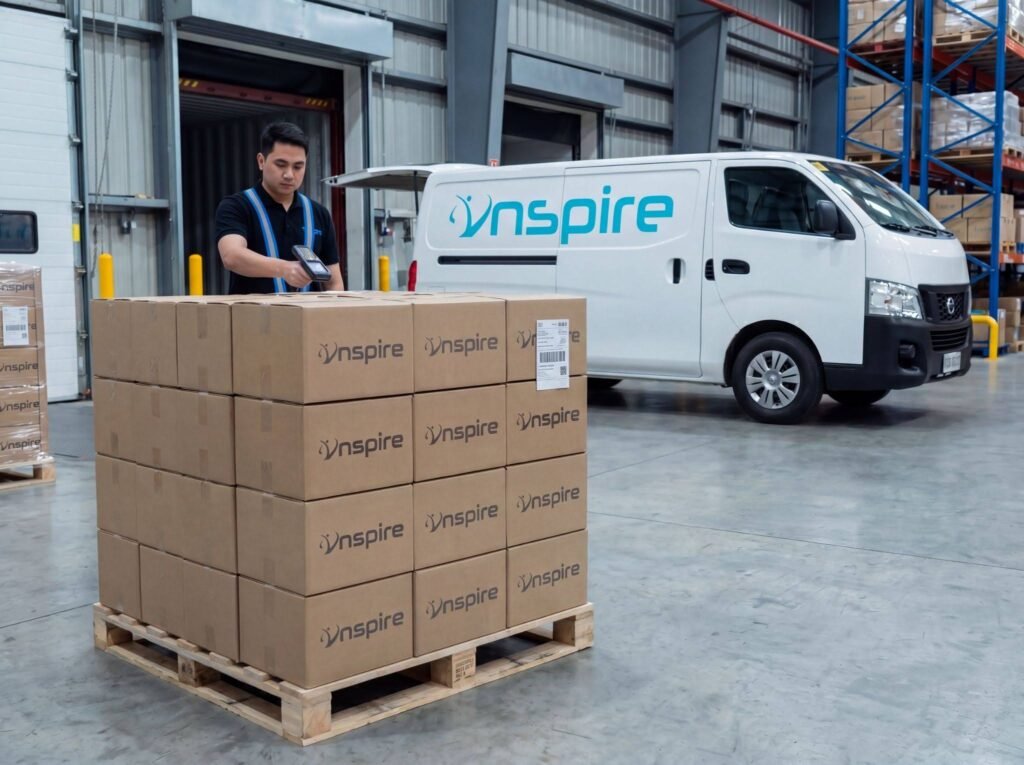
Businesses that offer flexible delivery choices often gain a competitive advantage.
They can:
Delivery options are no longer just operational features. They are strategic business tools.
Delivery options directly influence how efficiently an e-commerce business can meet customer expectations while managing operational costs. The right mix of shipping methods helps align fulfillment capabilities with varying customer needs across different markets.
By combining reliable ecommerce delivery, faster next day delivery, and flexible cash on delivery arrangements, businesses can support a more adaptable and customer-focused fulfillment strategy.
As competition in online retail continues to grow, the ability to structure delivery options effectively becomes a key factor in maintaining service quality, operational balance, and long-term customer trust.
Inspire E-Commerce Solutions Inc.
Warehouse 4 & 5, C Teknik Industrial, 143 P. Gregorio Street, Valenzuela,
1442 Metro Manila
inspiresolutions.asia
