

Modern e-commerce is no longer just about having strong products or competitive pricing. Online sellers in the Philippines and across Southeast Asia are now operating in a fast-moving ecosystem where cash flow timing can determine whether a business scales or stalls. This is where working capital ecommerce becomes a critical driver of growth.
Working capital is the lifeblood of any online retail operation. It determines how quickly a business can restock inventory, fulfill demand spikes, pay suppliers, and reinvest in growth. Without proper control, even profitable stores can struggle due to cash being locked in stock, delayed payments, or inefficient operational cycles.
As platforms like Shopee, Lazada, and TikTok Shop continue to grow, sellers are facing higher competition, faster delivery expectations, and tighter margins. In this environment, managing working capital effectively is no longer optional. It is a strategic necessity for scaling sustainably.
Working capital refers to the difference between current assets and current liabilities. In simple terms, it is the cash available for day-to-day operations. In e-commerce, this includes inventory, receivables, payables, and operational expenses.
Unlike traditional retail, e-commerce businesses face unique challenges. Inventory moves faster, demand fluctuates more frequently, and payment cycles vary depending on platforms and logistics partners. This makes working capital ecommerce management more complex but also more impactful.
A seller might experience strong sales but still face cash shortages if funds are tied up in unsold stock or delayed settlements. This disconnect between revenue and liquidity is one of the most common reasons e-commerce businesses struggle to scale.
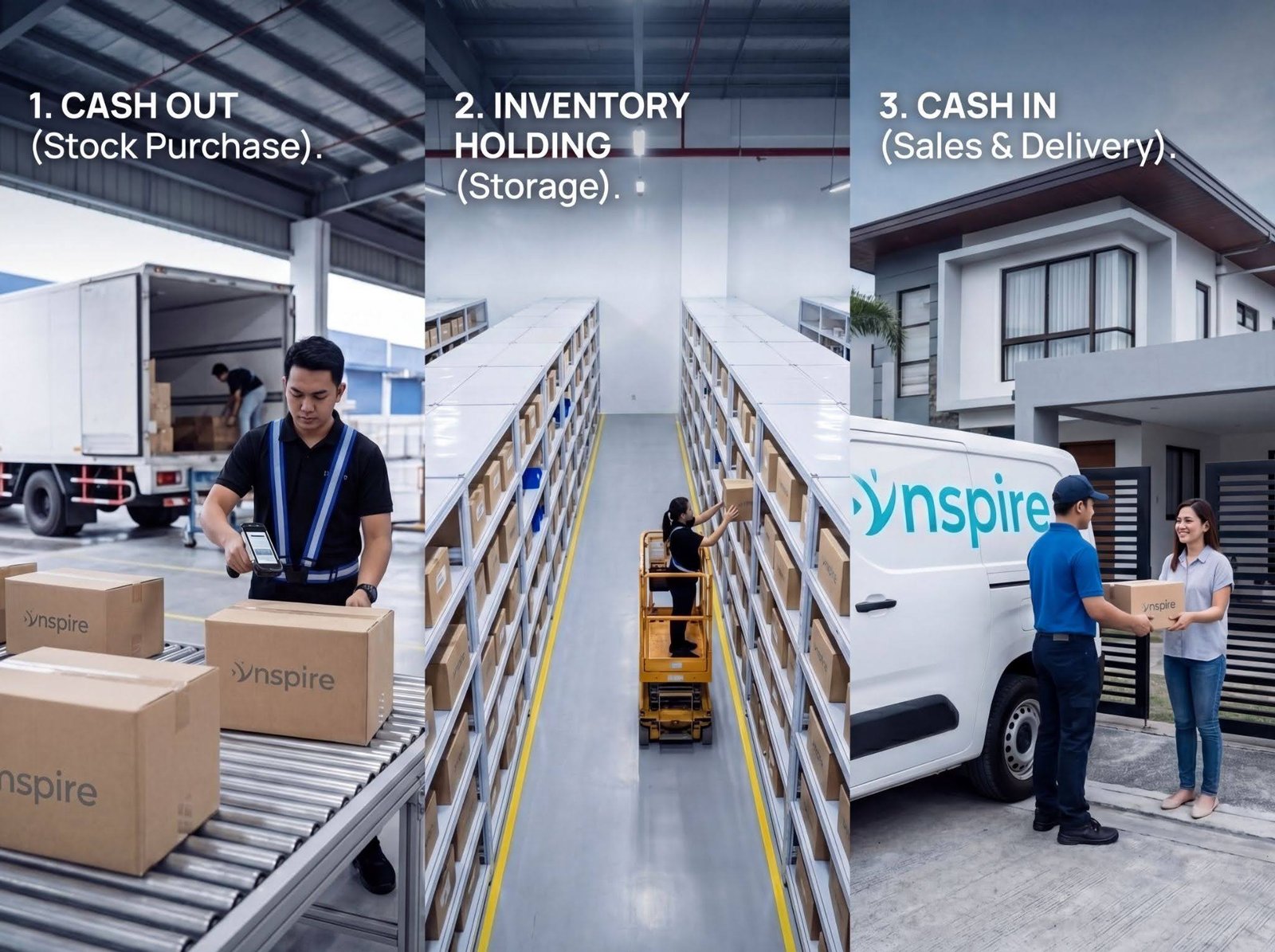
One of the most important concepts linked to working capital is the cash conversion cycle. This measures how long it takes for a business to convert inventory investments into actual cash flow.
In e-commerce, the cycle includes three key stages:
A shorter cash conversion cycle means faster recovery of capital, allowing businesses to reinvest quickly. A longer cycle means cash is tied up for extended periods, reducing flexibility.
For example, if a seller imports products but takes 60 days to sell through stock and another 15–30 days to receive payouts, the working capital is locked for almost three months. This limits the ability to scale or respond to new demand opportunities.
Improving this cycle is essential for maintaining healthy liquidity and supporting continuous growth.

One of the biggest challenges in working capital ecommerce management is stock funding. Inventory is both an asset and a risk. While it drives sales, it also ties up capital until products are sold.
Many online sellers overstock during peak seasons like 11.11 or 12.12 without properly forecasting demand. While this may increase potential sales, it also increases financial pressure if products do not move as expected.
On the other hand, understocking leads to missed sales opportunities and poor marketplace ranking. Balancing inventory levels requires a strong understanding of demand patterns, sales velocity, and supplier lead times.
Efficient stock funding strategies include:
When managed correctly, stock funding becomes a growth enabler instead of a financial burden.

Another critical element of working capital ecommerce management is understanding true product cost through a landed cost calculator.
Landed cost includes:
Many sellers miscalculate pricing by focusing only on supplier cost, which leads to thin margins or unexpected losses. Without accurate landed cost computation, businesses risk scaling unprofitable products.
A landed cost calculator helps sellers determine:
This ensures that every sales decision is financially sound and aligned with long-term working capital health.
Scaling an e-commerce business is not just about increasing sales volume. It requires consistent reinvestment into inventory, marketing, logistics, and systems. Working capital determines how fast and how safely this scaling can happen.
When working capital is strong, businesses can:
When working capital is weak, businesses often experience:
This is why many successful e-commerce operators treat working capital management as a core operational function rather than a financial afterthought.
E-commerce businesses often face several recurring challenges:
These challenges highlight the need for structured working capital planning rather than reactive decision-making.
Improving working capital efficiency requires both operational and financial discipline.
One effective approach is optimizing inventory turnover. Faster-moving inventory means capital is recycled more quickly. This can be achieved through better demand forecasting, promotional planning, and SKU optimization.
Another strategy is negotiating better supplier terms. Extended payment cycles or consignment arrangements can significantly reduce cash pressure during growth phases.
Businesses can also improve liquidity by diversifying sales channels. Selling across multiple marketplaces reduces dependency on a single platform’s payout cycle.
Finally, integrating financial visibility tools allows sellers to monitor cash flow in real time. This helps identify potential shortages before they become critical issues.
Modern e-commerce businesses increasingly rely on technology to manage working capital efficiently. Inventory systems, ERP platforms, and analytics dashboards provide real-time insights into stock levels, sales performance, and financial flow.
Automation plays a key role in reducing manual errors and improving decision speed. For example, automated reorder triggers can prevent stockouts, while integrated accounting systems can improve cash flow tracking.
When combined with accurate data, these systems enable businesses to make faster and more informed decisions, directly improving working capital efficiency.
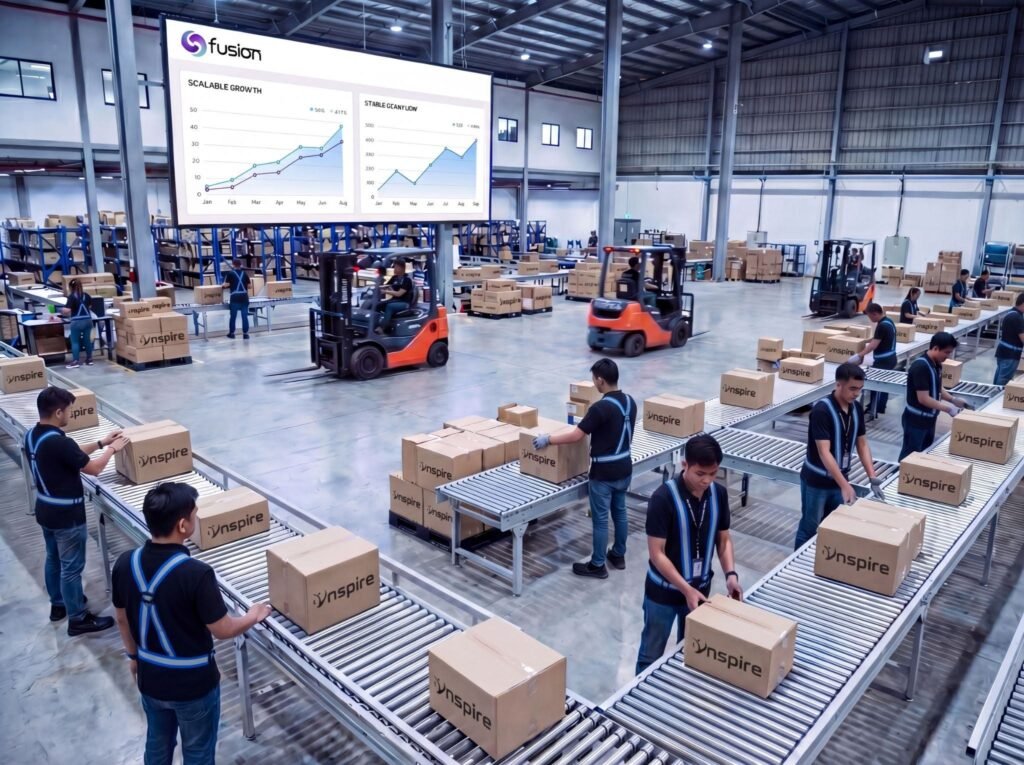
Working capital ecommerce is one of the most important factors determining long-term success in online retail. It influences how quickly a business can grow, how efficiently it operates, and how well it can respond to market demand.
By understanding the cash conversion cycle, optimizing stock funding, and using tools like a landed cost calculator, e-commerce businesses can build stronger financial foundations. This allows them to scale sustainably without sacrificing stability.
In a highly competitive digital marketplace, strong working capital management is not just a financial advantage. It is a core requirement for survival, expansion, and long-term profitability.
Inspire E-Commerce Solutions Inc.
Warehouse 4 & 5, C Teknik Industrial, 143 P. Gregorio Street, Valenzuela,
1442 Metro Manila
inspiresolutions.asia