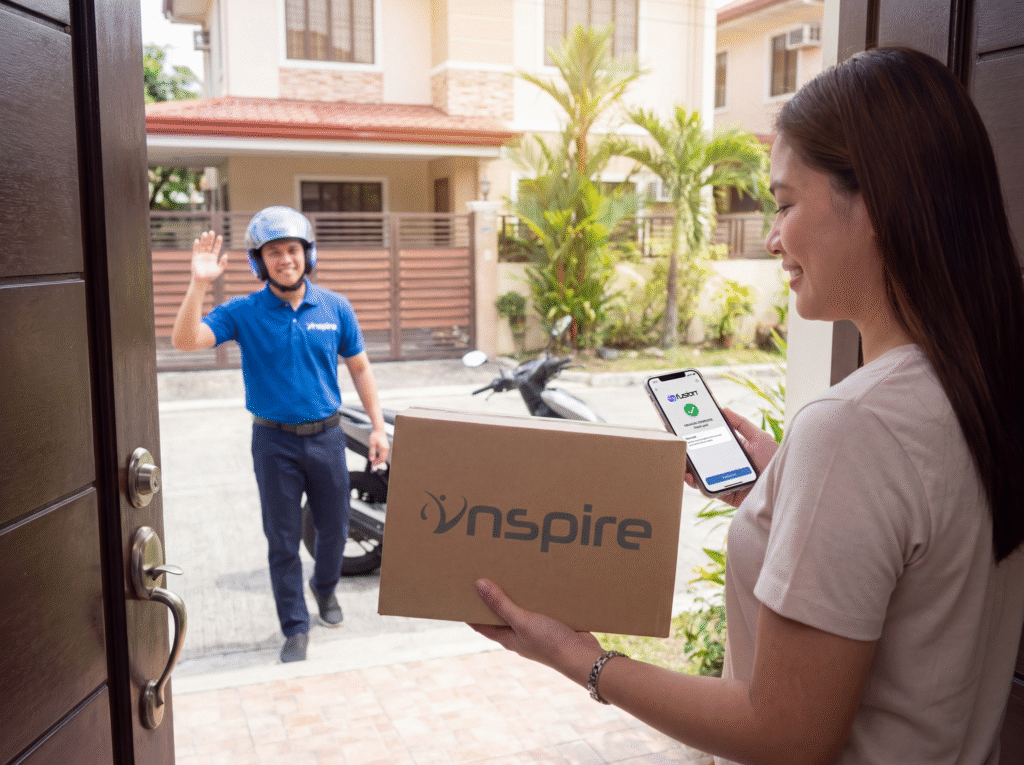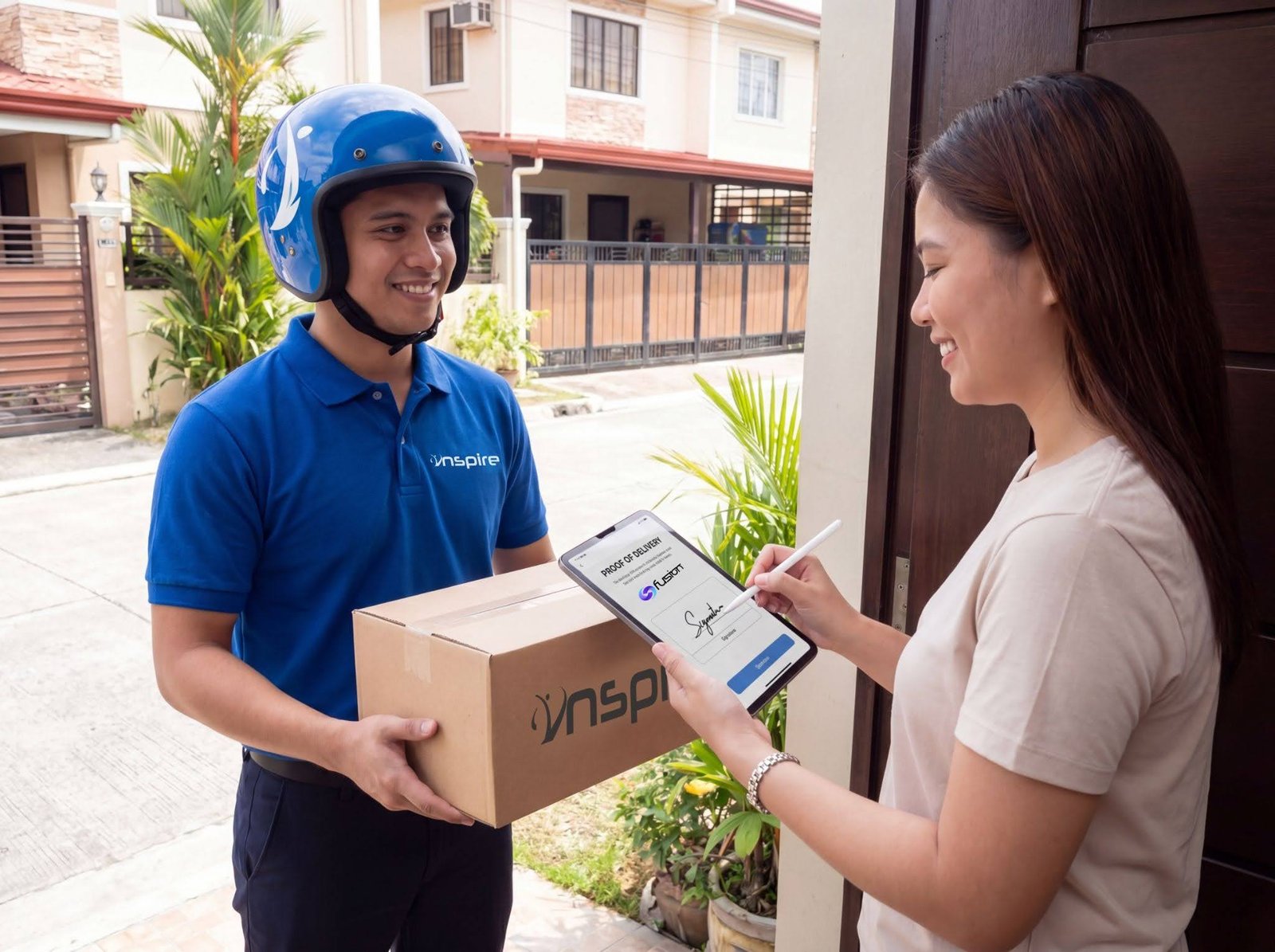
In e-commerce logistics, delivery does not end when a parcel reaches the customer’s location. It only becomes complete when the delivery is properly confirmed and recorded. This final confirmation step is known as the POD process or Proof of Delivery process.
For businesses operating in fast-moving marketplaces like Shopee and Lazada in the Philippines, ensuring accurate delivery confirmation is critical. It affects customer trust, reduces disputes, and improves operational transparency.
Without a structured POD process, businesses may face issues such as unverified deliveries, failed claims, and inaccurate logistics reporting. This can lead to financial losses and poor customer experience.
This article explains how the POD process works, why it matters, and how it connects to modern e-commerce logistics systems.
The POD process refers to the method used to confirm that a delivery has been successfully completed. It serves as official proof that the customer received the product in good condition.
This confirmation can be done through:
The purpose of POD is to eliminate disputes between customers, sellers, and logistics providers.
In e-commerce, POD acts as the final checkpoint in the delivery lifecycle.

The importance of the POD process goes beyond simple delivery confirmation. It plays a key role in ensuring operational accuracy and customer satisfaction.
For high-volume sellers, especially in marketplaces like Lazada and Shopee, POD ensures that every order is properly tracked and validated.
A structured POD process typically follows these steps:
1. Order Dispatch
The order is packed and handed over to the courier.
2. Transit Tracking
The shipment is monitored using logistics systems.
3. Out for Delivery
The courier attempts final delivery to the customer.
4. Delivery Confirmation
The customer receives the item and confirms receipt.
5. Proof of Delivery Capture
The system records proof such as a signature, a photo, or an OTP.
6. System Update
The order status is updated to “Delivered.”
Each step ensures transparency and reduces the risk of delivery disputes.
A strong failed delivery prevention strategy directly improves POD success rates.
When deliveries fail, POD cannot be completed, leading to:
Common causes of failed delivery include:
By improving delivery accuracy and communication, businesses can increase successful POD completion rates.

Order visibility plays a critical role in ensuring that the POD process runs smoothly.
With full visibility, businesses can track:
This allows businesses to quickly identify issues and resolve them before they affect customer experience.
Order visibility also helps customer service teams respond to inquiries faster and more accurately.

Modern e-commerce businesses rely on logistics dashboard KPIs to measure the effectiveness of their delivery operations, including POD performance.
Important KPIs related to POD include:
These KPIs help businesses understand how efficiently their logistics operations are performing.
If POD rates are low, it may indicate issues in courier performance, address accuracy, or delivery coordination.
Modern POD systems are supported by logistics technology platforms that automate and record delivery confirmations.
These systems may include:
This technology ensures that POD data is accurate, traceable, and securely stored.
It also reduces manual errors and improves reporting reliability.
In the Philippines, POD is especially important due to the high volume of cash-on-delivery transactions and multi-location deliveries.
Challenges commonly include:
Because of these challenges, a strong POD process is essential for maintaining operational efficiency and customer trust.
A well-implemented POD process provides measurable benefits to e-commerce businesses.
POD is not just a confirmation step. It is part of a larger logistics optimization strategy.
When combined with:
Businesses can build a fully optimized delivery system that improves performance across all stages.
This creates a more predictable and efficient logistics operation.
The POD process is a critical part of modern e-commerce logistics. It ensures that deliveries are properly confirmed, documented, and recorded, reducing disputes and improving operational accuracy.
When supported by order visibility, failed delivery prevention, and logistics dashboard KPIs, POD becomes a powerful tool for improving delivery performance and customer trust.
In today’s competitive e-commerce environment, businesses that implement strong POD systems gain a clear advantage in reliability, efficiency, and customer satisfaction.
Inspire E-Commerce Solutions Inc.
Warehouse 4 & 5, C Teknik Industrial, 143 P. Gregorio Street, Valenzuela,
1442 Metro Manila
inspiresolutions.asia