Customer expectations in ecommerce have evolved significantly. Fast, reliable, and flexible delivery is no longer a premium feature but a standard requirement. Shoppers now expect clear delivery choices, accurate timelines, and dependable fulfillment regardless of order size or location.
For ecommerce businesses, offering the right delivery options ecommerce strategy is essential to staying competitive. Delivery is not just the final step in the buying process. It is a key factor that influences customer satisfaction, repeat purchases, and brand trust.
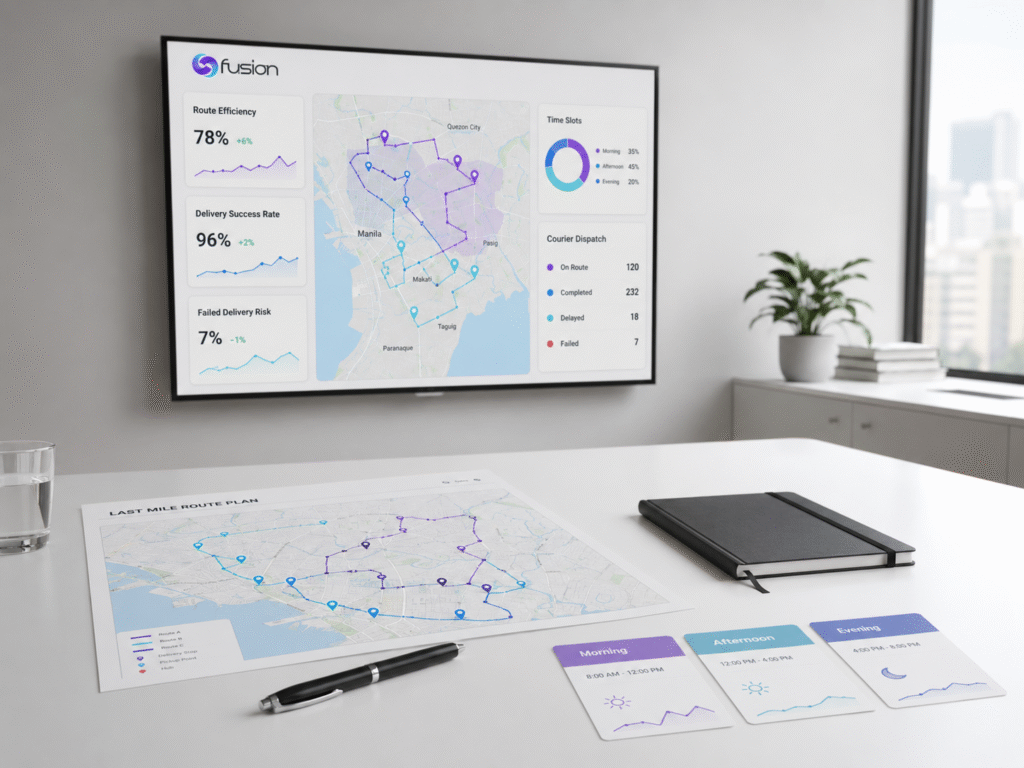
As order volumes increase and customer expectations rise, businesses must carefully design their ecommerce delivery structure to balance speed, cost, and operational efficiency. This includes selecting the right delivery types, managing fulfillment timelines, and optimizing the last mile strategy to ensure successful order completion.
Delivery options directly impact customer decision-making. Many shoppers abandon carts if shipping choices are limited, unclear, or too slow.
A well-structured delivery system helps businesses:
When customers are given multiple delivery choices, they are more likely to complete purchases because they can select options that match their urgency and budget.
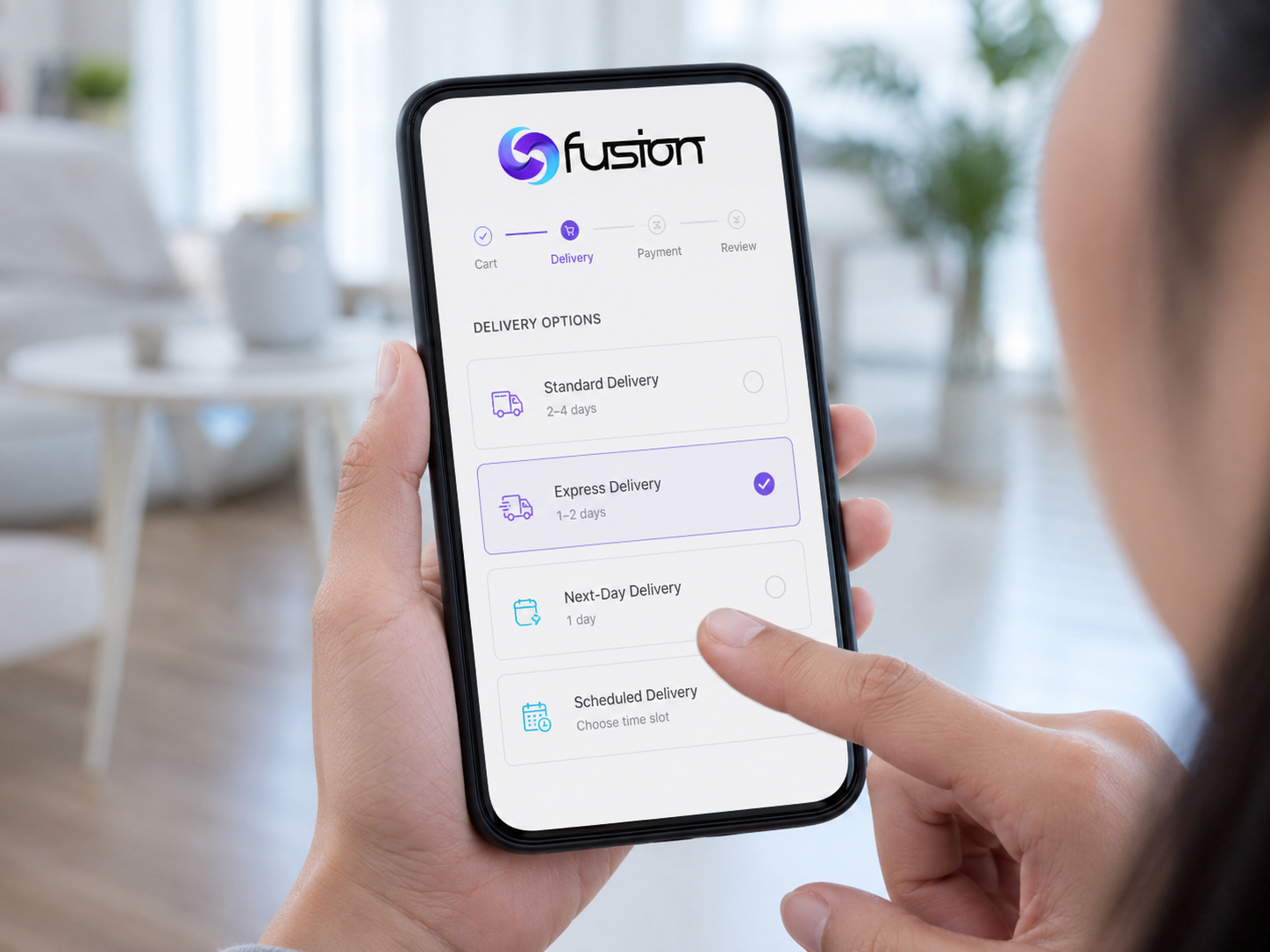
Different customers have different expectations. Offering flexible delivery options allows businesses to serve a wider audience.
Standard delivery is the most commonly used option. It offers affordable shipping with moderate delivery timelines.
This option works best for customers who are not in a rush and prefer cost savings over speed.
Express delivery provides faster shipping for customers who need their orders urgently. Although it is more expensive, it improves customer satisfaction for time-sensitive purchases.
In competitive markets, fast delivery options have become a major differentiator. Businesses that offer next-day or same-day delivery often gain a competitive advantage.
However, this requires strong operational coordination and efficient warehouse processes.
Some ecommerce businesses allow customers to choose preferred delivery dates and time slots. This improves convenience and reduces failed delivery attempts.
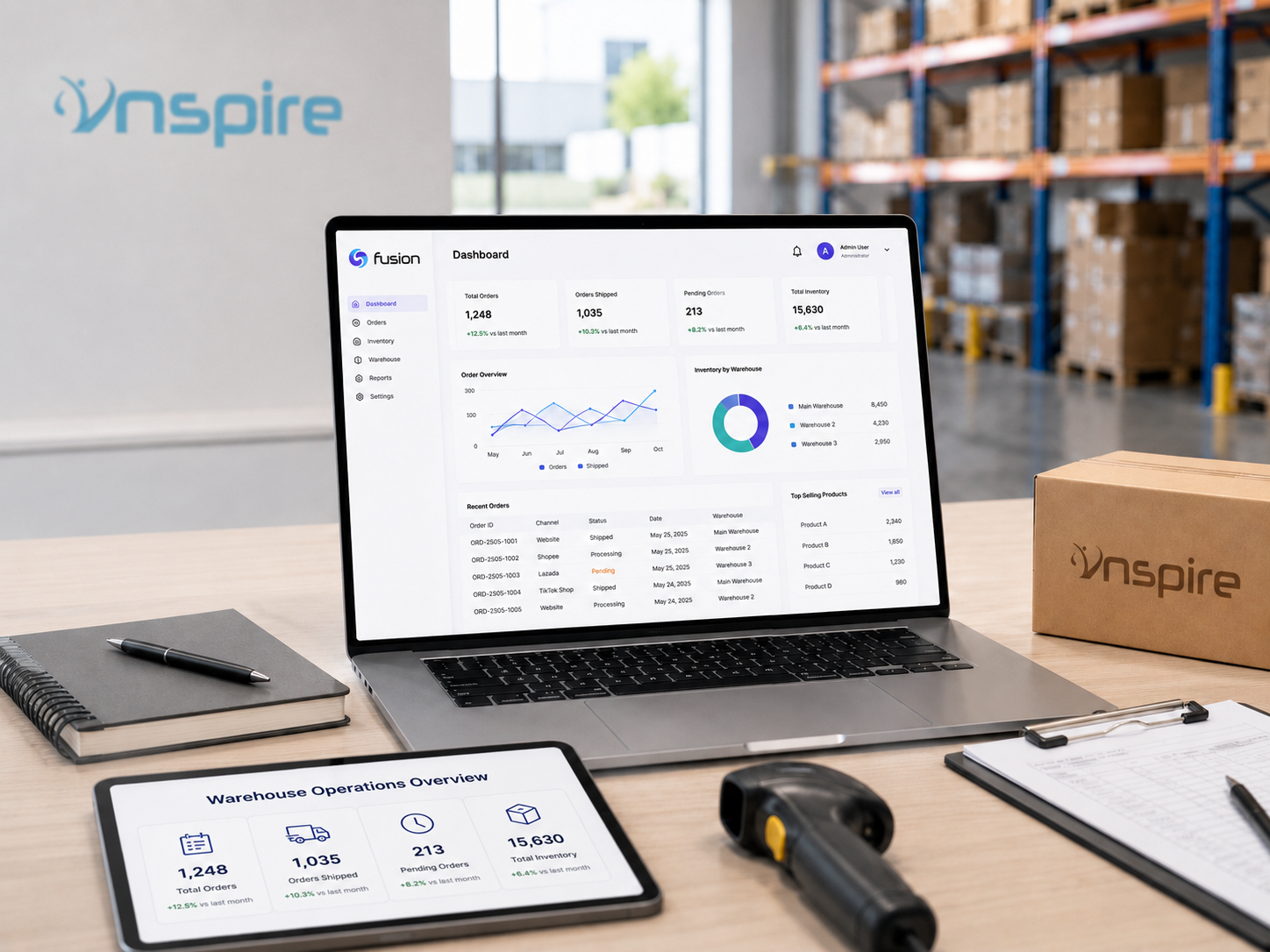
Strong ecommerce delivery systems are essential for operational success. Delivery is no longer a backend function. It is a customer-facing experience that influences brand perception.
A well-managed delivery system ensures:
Poor delivery performance often leads to dissatisfaction, negative reviews, and lost customers.
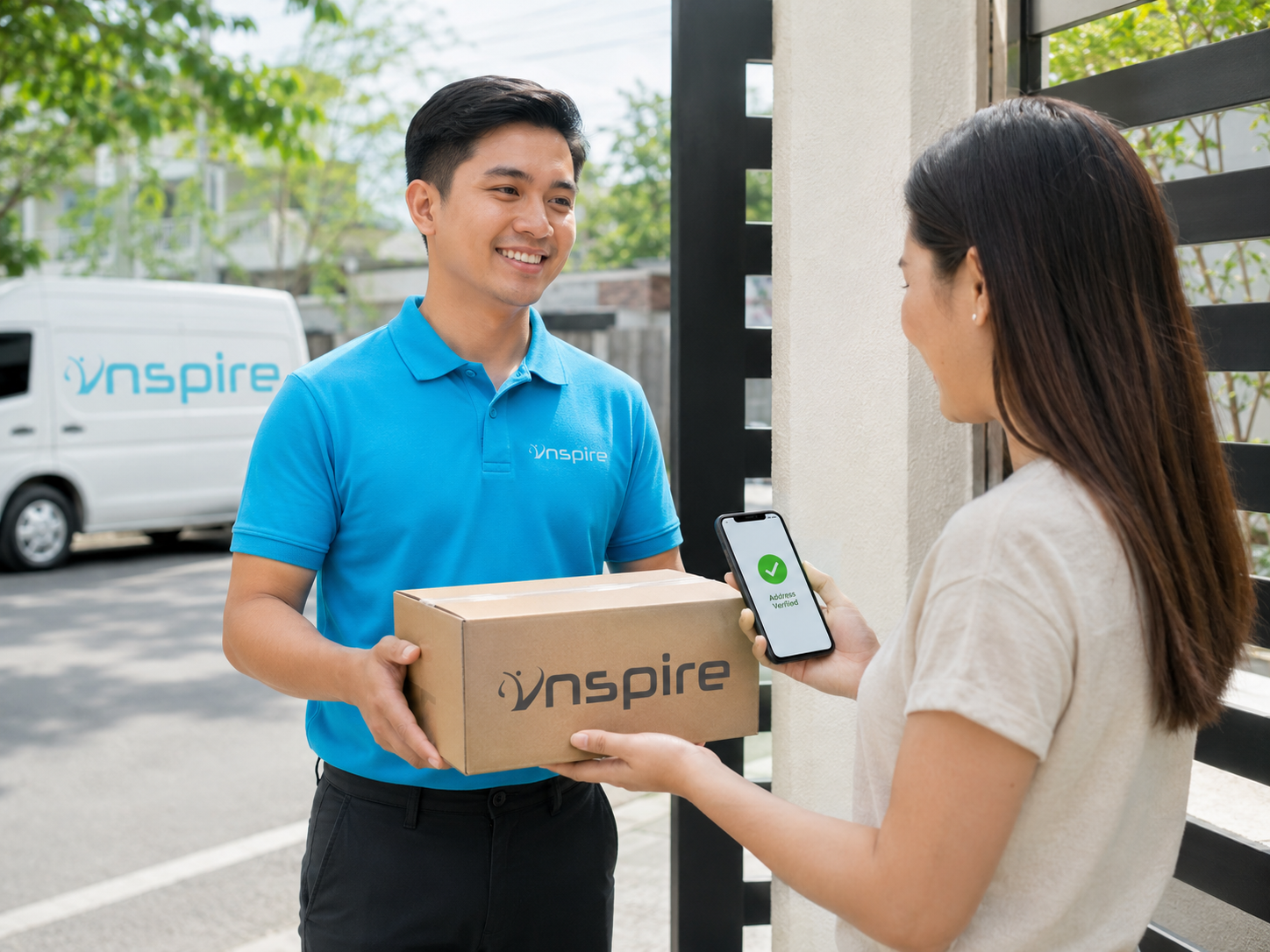
Failed deliveries remain one of the biggest operational challenges in ecommerce logistics. They occur when orders cannot be successfully delivered due to incorrect information, customer unavailability, or logistical issues.
Reducing failed deliveries requires a combination of better data, communication, and process control.
Key strategies include:
By improving failed delivery prevention, businesses can reduce costs associated with re-delivery and returns while improving customer satisfaction.
The last mile strategy refers to the final stage of the delivery process, where the product is transported from a distribution hub to the customer’s address.
This stage is often the most complex and expensive part of ecommerce logistics.
The last mile directly affects:
Even if earlier stages of fulfillment are efficient, poor last mile execution can result in delays and failed deliveries.
To improve last mile performance, businesses should focus on:
A strong last mile strategy ensures that delivery promises made during checkout are consistently met.
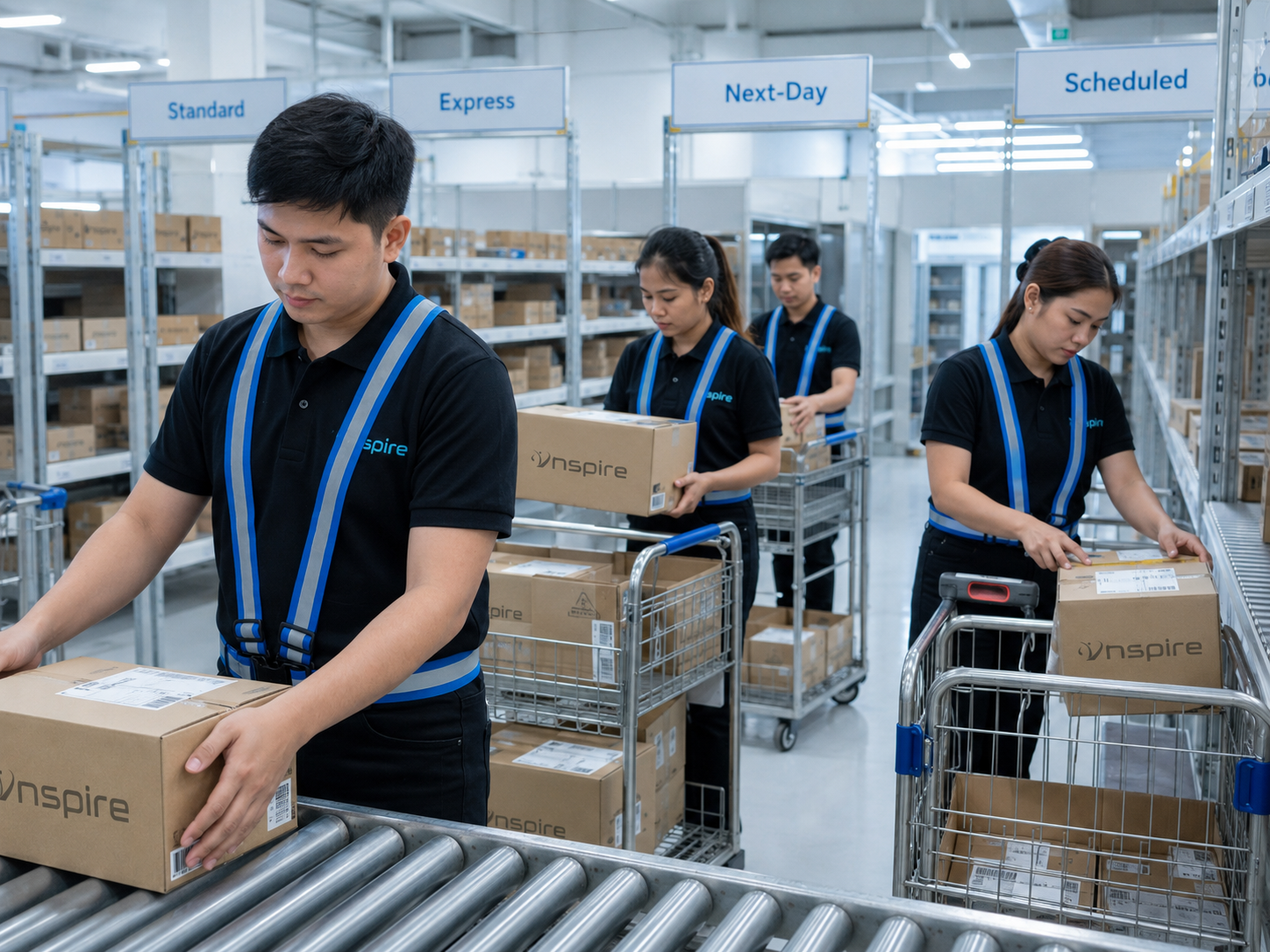
While offering multiple delivery options improves customer experience, it also introduces operational complexity.
Fast delivery options require accurate inventory management and efficient warehouse processing.
Businesses must work closely with logistics partners to ensure timely pickups and deliveries.
Faster delivery options often come with higher costs, which must be balanced against profitability.
To improve delivery outcomes, businesses should focus on both technology and process improvements.
Faster order processing ensures that shipments are prepared within required timelines.
Real-time tracking improves transparency and reduces customer anxiety.
Efficient picking, packing, and dispatch processes reduce delays and errors.
Offering the right delivery options ecommerce businesses can provide is essential for maintaining competitiveness in today’s market. Customers expect flexibility, speed, and transparency throughout the delivery process.
By improving ecommerce delivery systems, strengthening failed delivery prevention strategies, and optimizing the last mile strategy, businesses can significantly enhance customer satisfaction and operational efficiency.
In a competitive ecommerce environment, delivery performance is not just a logistics function. It is a key driver of customer loyalty, brand reputation, and long-term growth.
Inspire E-Commerce Solutions Inc.
Warehouse 4 & 5, C Teknik Industrial, 143 P. Gregorio Street, Valenzuela,
1442 Metro Manila
inspiresolutions.asia