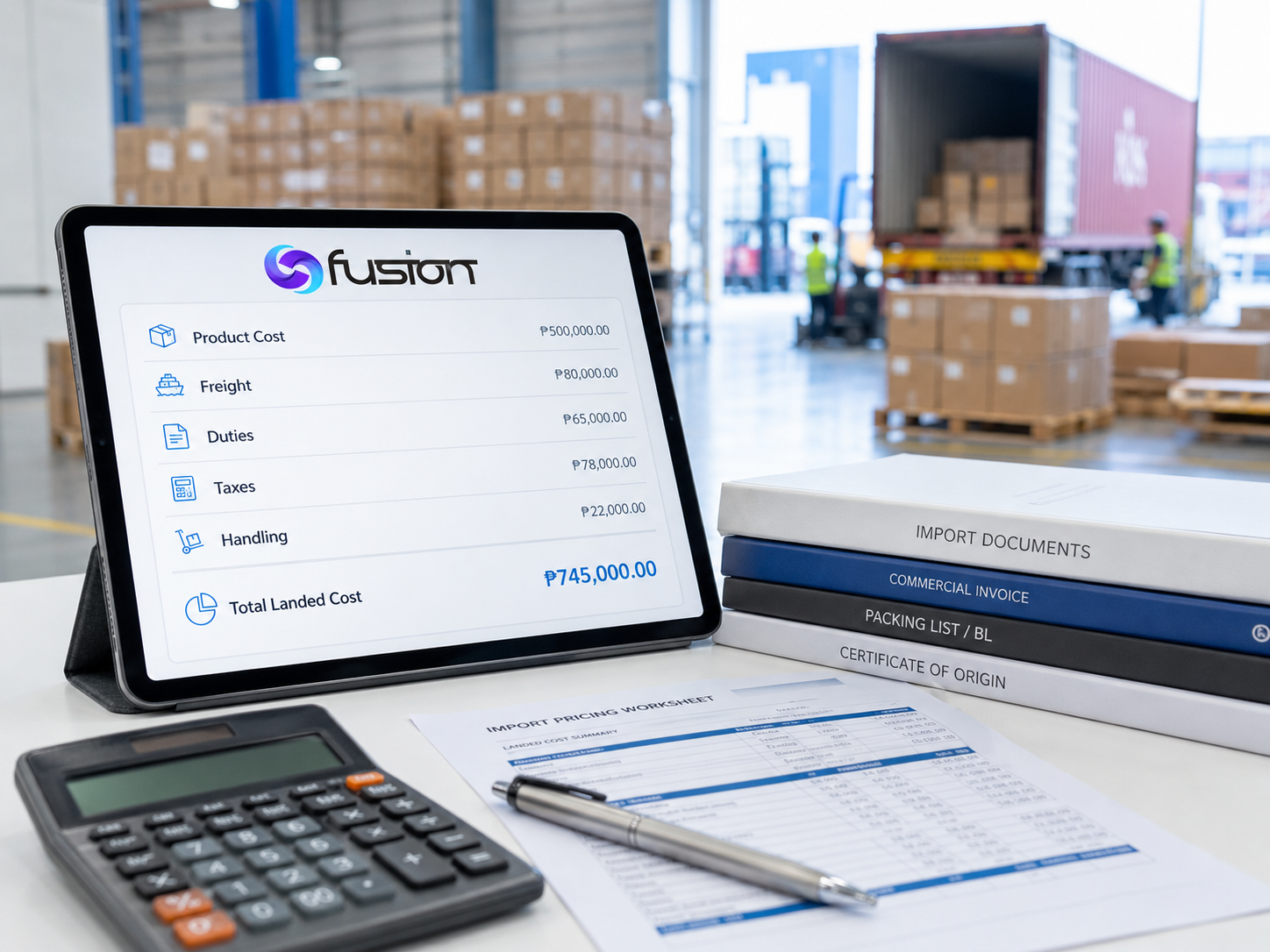
Pricing imported products accurately is one of the most important factors in maintaining profitability in ecommerce and retail operations. Many businesses focus only on product cost and shipping fees, but overlook additional expenses that significantly affect final pricing.
These hidden costs include import duties, taxes, logistics fees, and clearance charges. When not properly accounted for, they can reduce profit margins or lead to underpricing products in the market.
A landed cost calculator helps solve this problem by providing a complete view of the total cost of importing goods. It ensures that businesses understand the real cost of each product before setting selling prices or making purchasing decisions.
As global sourcing becomes more common, tools that calculate landed cost accurately are essential for maintaining financial stability and competitive pricing strategies.
A landed cost calculator is a tool used to estimate the total cost of importing goods from the supplier to the final destination.
It includes all expenses involved in the import process, such as:
The purpose of this calculation is to determine the true cost per unit of imported goods.
Without this calculation, businesses risk mispricing products, which can lead to financial losses or reduced competitiveness.
Understanding landed cost is essential for ecommerce businesses that rely on imported goods.
A proper landed cost calculation ensures that product prices include all associated import expenses. This prevents underpricing and protects profit margins.
When all costs are visible, businesses can clearly determine how much profit is made per product.
Landed cost comparisons help businesses choose suppliers not just based on product price, but overall cost efficiency.
Knowing the true cost of goods helps businesses manage budgets more effectively and avoid unexpected expenses.
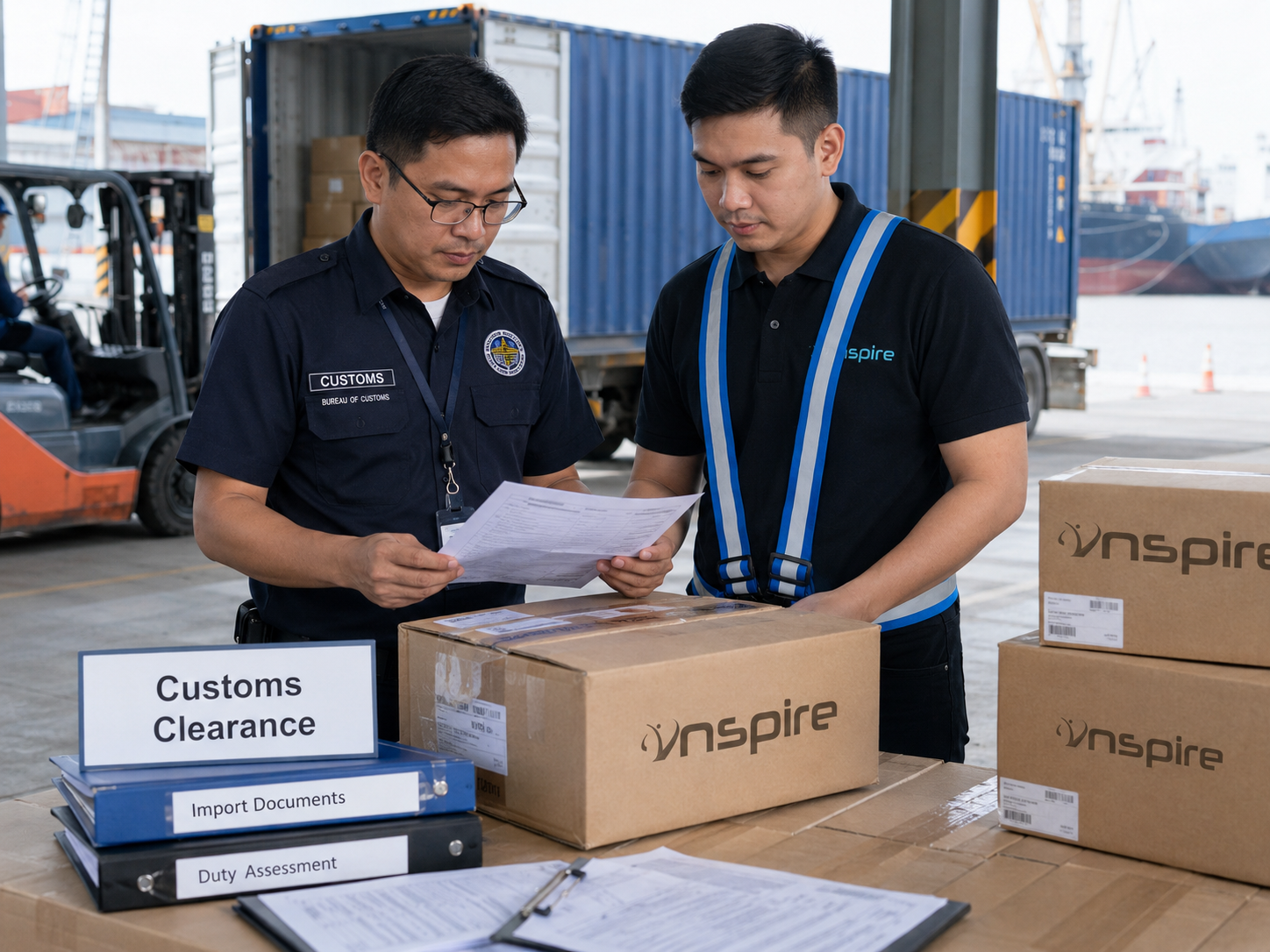
The customs clearance process is a critical component of landed cost calculation.
Before goods can enter a country, they must go through customs verification. This process involves:
Delays or errors in customs clearance can increase costs due to storage fees, penalties, or extended shipping times.
Because of this, customs-related charges are always included in a landed cost calculator to ensure accurate pricing.
Understanding how the customs clearance process works helps businesses anticipate potential costs and avoid unexpected financial impacts.
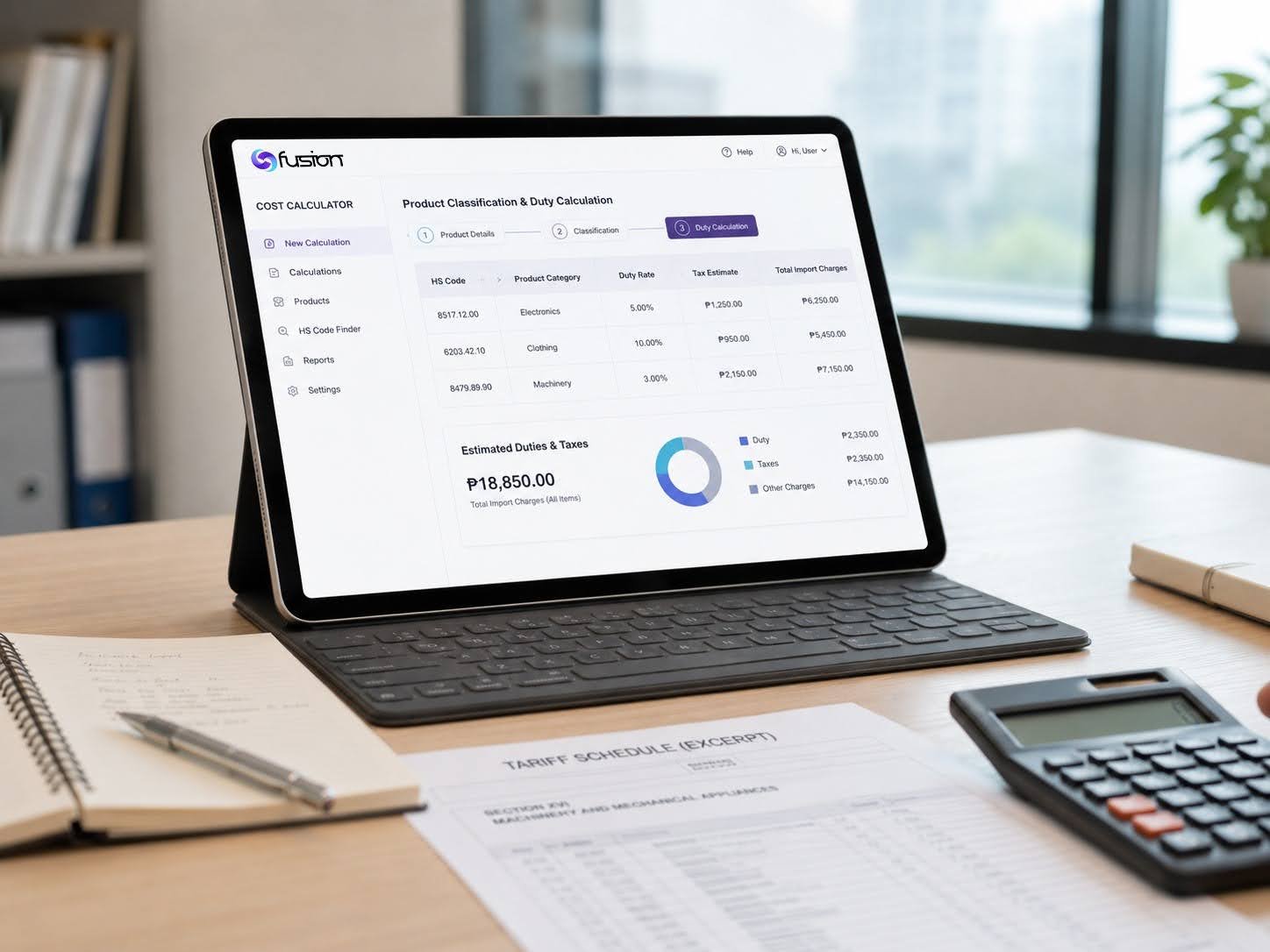
The HS code Philippines classification system plays a key role in determining import duties and taxes.
HS codes (Harmonized System codes) are standardized numerical codes used to classify traded products globally.
For example, electronics, clothing, and machinery may all have different import duty rates even if their shipment costs are similar.
A landed cost calculator uses HS codes to estimate the correct taxes and duties for each product imported into the Philippines.
Accurate HS classification ensures that businesses calculate realistic total costs and avoid customs-related issues.

A landed cost calculator also plays an important role in managing ecommerce working capital.
Working capital refers to the funds available for daily business operations, including inventory purchases and logistics expenses.
Importing goods requires upfront payments for:
If landed costs are underestimated, businesses may experience cash flow shortages when unexpected expenses arise.
Accurate landed cost calculations help businesses:
By understanding total import costs in advance, businesses can allocate capital more efficiently and reduce financial risk.

A complete landed cost calculator includes several key cost components:
The base price paid to the supplier for goods.
International freight charges, including air or sea transport.
Coverage for potential damage or loss during transportation.
Government-imposed fees based on product classification and value.
Charges for warehouse processing, port handling, or logistics services.
Each of these components contributes to the final landed cost of a product.
Many businesses make errors when estimating landed costs, which can affect profitability.
Some businesses overlook storage fees, port charges, or documentation costs.
Using the wrong HS code can result in inaccurate duty calculations.
Exchange rate changes can significantly impact import costs.
Internal transportation and last-mile delivery expenses are often missed.
Avoiding these mistakes ensures more accurate pricing and stronger financial control.
Using a landed cost calculator provides several advantages for ecommerce and import businesses:
Products are priced based on full cost visibility.
Businesses can clearly identify margins before selling.
Unexpected import costs are minimized.
Helps determine which products are financially viable to import.
Supports better use of ecommerce working capital.
A landed cost calculator is an essential tool for any business involved in importing goods. It provides a complete breakdown of product costs, shipping fees, duties, and other import-related expenses.
By understanding the customs clearance process, using accurate HS code Philippines classifications, and managing ecommerce working capital effectively, businesses can make more informed pricing and sourcing decisions.
Accurate cost calculation is not optional. It is a key factor in maintaining profitability, avoiding financial losses, and ensuring long-term business stability.
Inspire E-Commerce Solutions Inc.
Warehouse 4 & 5, C Teknik Industrial, 143 P. Gregorio Street, Valenzuela,
1442 Metro Manila
inspiresolutions.asia
