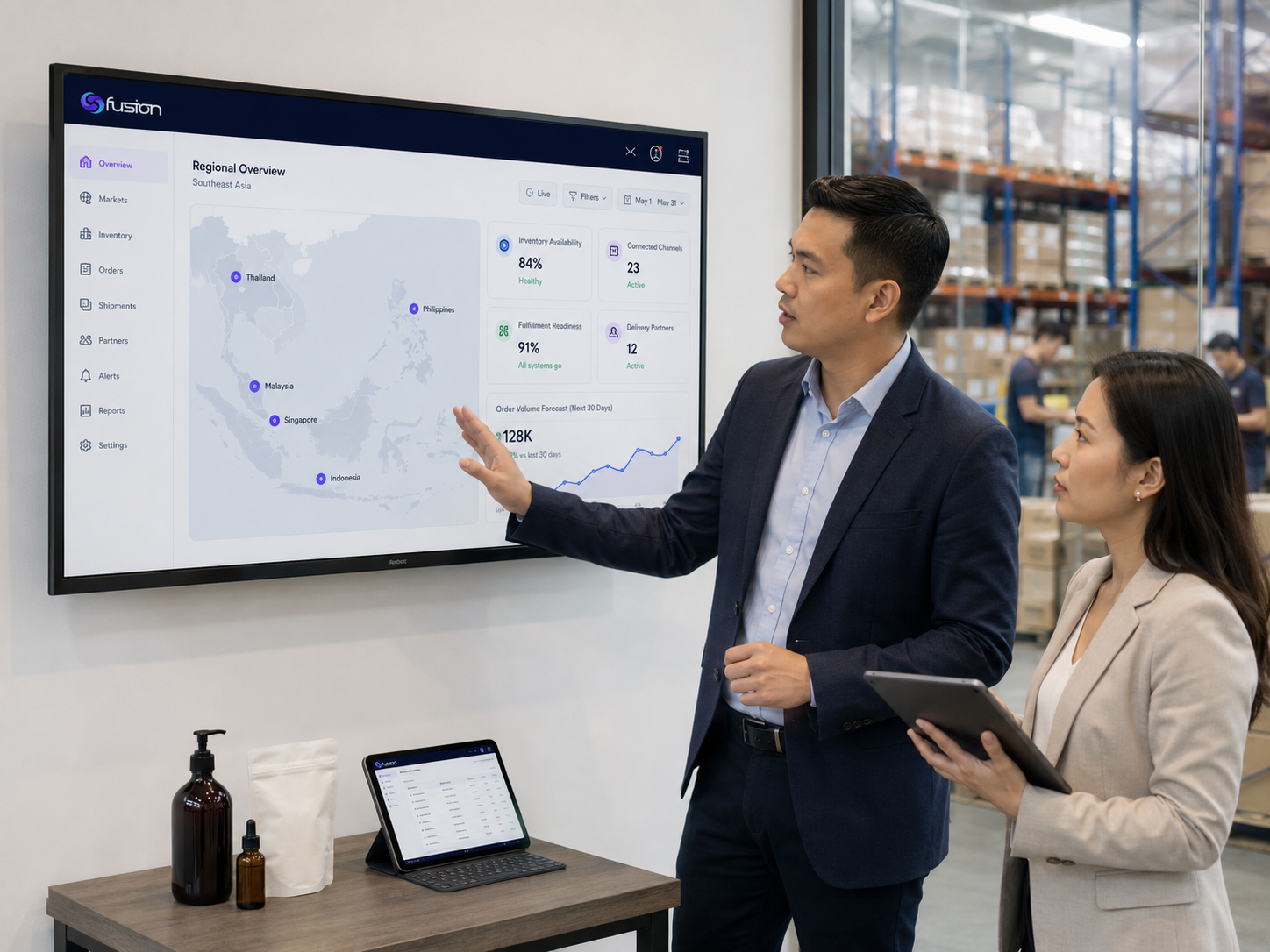
Ecommerce growth is no longer limited to local markets. As digital shopping continues to expand across Southeast Asia, businesses have more opportunities to reach new customers, enter emerging markets, and increase sales through regional expansion.
However, expanding across multiple countries introduces new operational challenges. Businesses must manage different customer expectations, coordinate fulfillment across locations, maintain accurate inventory levels, and support orders across multiple sales channels.
A successful expansion strategy requires more than simply listing products in new markets. Businesses need reliable processes that connect inventory management, order processing, fulfillment operations, and marketplace activities.
Cross border ecommerce Southeast Asia requires businesses to build scalable operations that can adapt to different markets while maintaining consistent customer experiences. By improving visibility, strengthening fulfillment processes, and connecting essential systems, businesses can better manage the complexity of regional ecommerce growth.
This article explores how businesses can prepare their operations for Southeast Asian expansion through improved ecommerce fulfillment, marketplace optimization, and stronger operational coordination.
Southeast Asia represents a diverse and rapidly developing ecommerce landscape with customers across multiple countries, platforms, and purchasing behaviors.
For businesses, entering regional markets can create opportunities to:
Online marketplaces and digital commerce platforms have made it easier for businesses to reach customers beyond their home market. However, regional expansion also requires businesses to adapt their operations to support increased complexity.
Each market may involve different customer preferences, payment methods, delivery expectations, and purchasing behaviors. Businesses that prepare their operations before expanding are better positioned to provide consistent service as order volumes increase.
Successful regional ecommerce growth depends not only on attracting customers but also on having the infrastructure needed to fulfill orders efficiently.
Expanding ecommerce operations across Southeast Asia creates additional complexity that businesses must carefully manage.
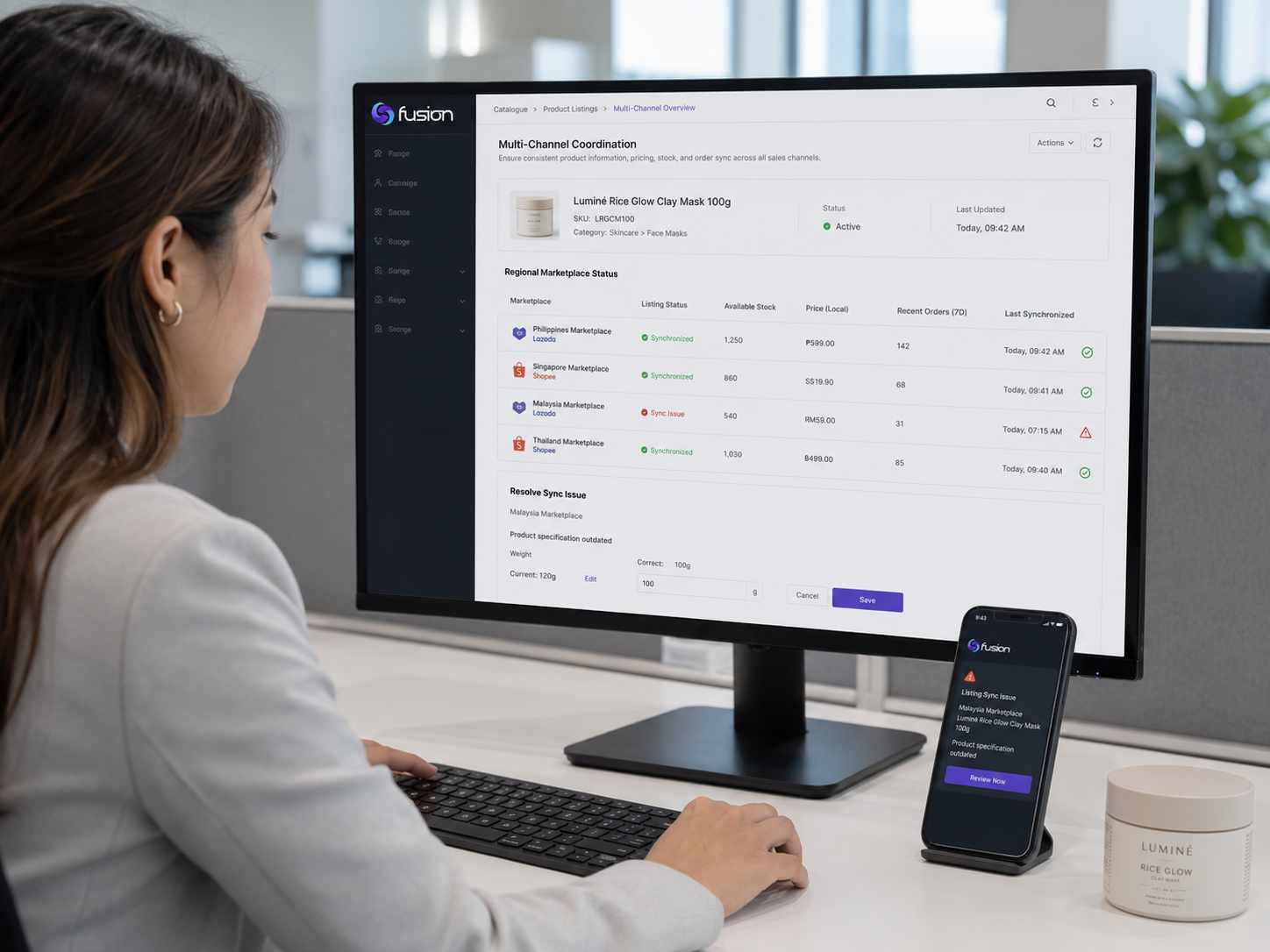
Businesses entering new markets often sell through different ecommerce platforms and online marketplaces.
Each channel may require separate product listings, order management processes, and operational workflows.
Without connected systems, managing orders from multiple platforms can become time-consuming and increase the risk of errors.
Common challenges include:
A structured approach to managing sales channels helps businesses maintain efficiency while expanding their regional presence.
Inventory planning becomes more complex when businesses serve customers across different markets.
Demand may vary between countries, and businesses must determine how much inventory should be available in each location.
Poor inventory coordination can lead to:
Accurate inventory information allows businesses to make better decisions about purchasing, storage, and product availability.
Delivering orders across different countries requires careful coordination between inventory locations, warehouses, and logistics providers.
Businesses must consider:
Without efficient fulfillment processes, expansion can create delays that affect customer satisfaction.

Successful regional expansion depends on the ability to process and deliver orders consistently across different markets. As businesses enter new countries, fulfillment operations must be prepared to handle increased order complexity, different delivery requirements, and changing customer expectations.
Strong ecommerce fulfillment processes help businesses coordinate inventory, order processing, and delivery activities more effectively.
Key areas that support efficient fulfillment include:
Clear order processing procedures help reduce delays and improve fulfillment accuracy.
Businesses should establish consistent workflows for:
Standardized processes make it easier to maintain service quality as order volumes increase across multiple markets.
Inventory placement plays an important role in regional ecommerce operations.
Businesses need to determine where inventory should be stored to support faster processing and more efficient deliveries.
Better inventory allocation can help:
Having accurate inventory information allows businesses to make more informed decisions when managing stock across different locations.
Regional ecommerce expansion often involves working with multiple delivery providers and logistics partners.
Effective coordination helps businesses maintain visibility into delivery performance and address potential issues before they affect customers.
Businesses should monitor:
Strong communication between ecommerce operations and logistics providers supports more reliable fulfillment outcomes.
Online marketplaces provide businesses with opportunities to reach customers across different countries. However, managing multiple platforms requires consistent processes and accurate information.
Marketplace optimization helps businesses improve how they manage product listings, sales channels, and customer interactions across different marketplaces.
Effective marketplace management includes:
Customers rely on product details when making purchasing decisions.
When product descriptions, pricing, images, or specifications differ between marketplaces, it can create confusion and affect customer confidence.
Maintaining consistent product information helps businesses create a more reliable shopping experience across every channel.
Selling through multiple marketplaces increases the importance of accurate inventory updates.
Without proper synchronization, businesses may experience:
Connected systems help businesses maintain better control over available inventory across different sales channels.
Customers across Southeast Asia may have different preferences regarding:
Businesses that understand these differences can create better experiences while maintaining consistent operational standards.
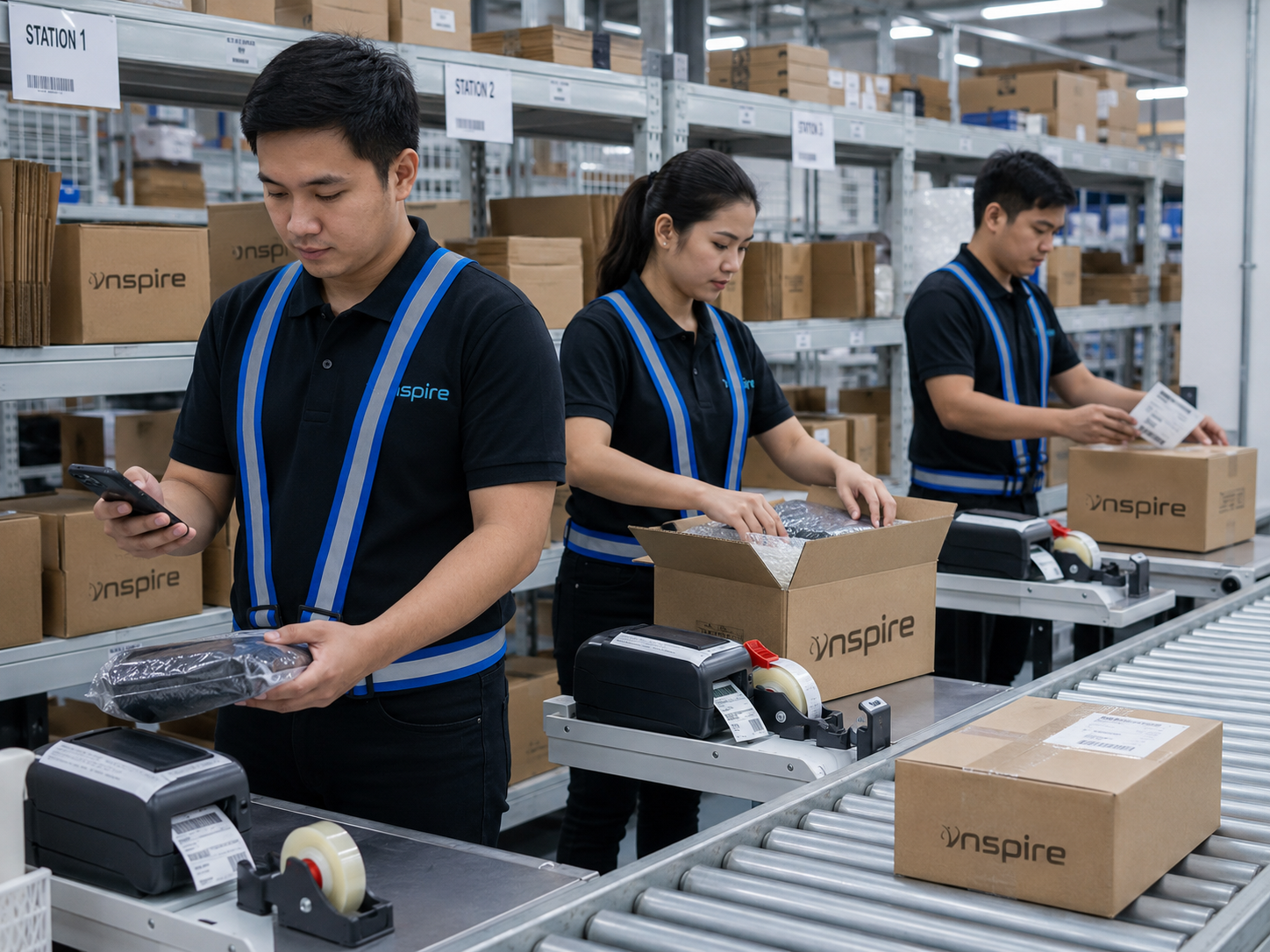
As businesses expand across Southeast Asia, having a clear view of inventory movement, order status, and fulfillment activities becomes increasingly important.
Supply chain visibility helps businesses monitor operational activities and make better decisions based on more accurate information.
Greater visibility supports:
Access to timely information allows businesses to identify issues earlier and respond more effectively.
Instead of waiting for manual updates, teams can review operational information and address potential delays before they impact customers.
Regional ecommerce operations require businesses to manage inventory across different locations and sales channels.
Better visibility helps teams understand:
This supports more accurate planning and reduces operational uncertainty.
Customers expect reliable updates regardless of where they purchase products.
Improved operational visibility helps businesses provide more accurate information about order status, availability, and fulfillment progress.
This creates a smoother purchasing experience and helps maintain customer confidence throughout the buying journey.
Expanding into Southeast Asian markets requires businesses to prepare their operations before increasing order volumes. Growth across multiple countries can introduce additional complexity, making it important to establish processes that support flexibility and efficiency.
A scalable ecommerce operation should be able to adapt to changing demand, new sales channels, and different market requirements without creating unnecessary operational challenges.
Key areas to consider include:
Integrated systems help different areas of the business work with consistent information.
Connecting ecommerce platforms, inventory systems, and fulfillment processes can help reduce manual updates and improve coordination between teams.
This allows businesses to manage regional expansion more efficiently while maintaining better control over daily operations.
Consistent workflows help businesses maintain service quality as operations expand.
Standardized procedures for inventory updates, order processing, and fulfillment activities make it easier to manage increasing complexity across multiple markets.
Clear processes also help teams respond more effectively when customer demand changes or new operational requirements arise.
Regularly reviewing operational performance helps businesses identify areas for improvement.
Important areas to monitor include:
Performance monitoring allows businesses to make adjustments based on actual operational needs rather than relying only on assumptions.
Expanding ecommerce operations across Southeast Asia creates opportunities for businesses to reach new customers and develop stronger market presence. However, successful expansion depends on more than entering new markets.
Businesses need reliable inventory processes, efficient fulfillment workflows, and connected systems that support operations across different channels and locations.
By improving ecommerce fulfillment, strengthening marketplace optimization, and increasing supply chain visibility, businesses can create more organized operations that are better prepared for regional expansion.
A well-structured ecommerce foundation allows businesses to manage increasing complexity while maintaining consistent customer experiences across Southeast Asia.
Expanding into Southeast Asian markets requires careful planning across inventory, fulfillment, and ecommerce operations. While new markets create growth opportunities, businesses must also address the operational challenges that come with managing multiple channels, locations, and customer expectations.
Cross border ecommerce Southeast Asia requires a connected approach where inventory information, fulfillment processes, and marketplace operations work together. With stronger ecommerce fulfillment, improved marketplace optimization, and better supply chain visibility, businesses can create more reliable operations that support regional expansion.
A scalable ecommerce infrastructure helps businesses adapt to changing market conditions, maintain operational consistency, and provide better customer experiences as they expand into new markets.
Inspire E-Commerce Solutions Inc.
Warehouse 4 & 5, C Teknik Industrial, 143 P. Gregorio Street, Valenzuela,
1442 Metro Manila
inspiresolutions.asia