An ecommerce order does not begin when a package is handed to a courier. Before a customer receives an order, products need to be received, stored, located, picked, checked, packed, and prepared for dispatch. Behind these steps is a warehouse operation that needs to keep inventory organized while supporting a growing flow of orders.
This is where warehouse services become part of the wider ecommerce operation. Instead of treating the warehouse as a place where products simply sit until they are needed, businesses can use warehousing to support inventory control, order fulfillment, and the movement of products through the entire order process.
For ecommerce businesses managing multiple products, sales channels, and increasing order volumes, having the right warehouse processes can make it easier to keep inventory visible and orders moving.
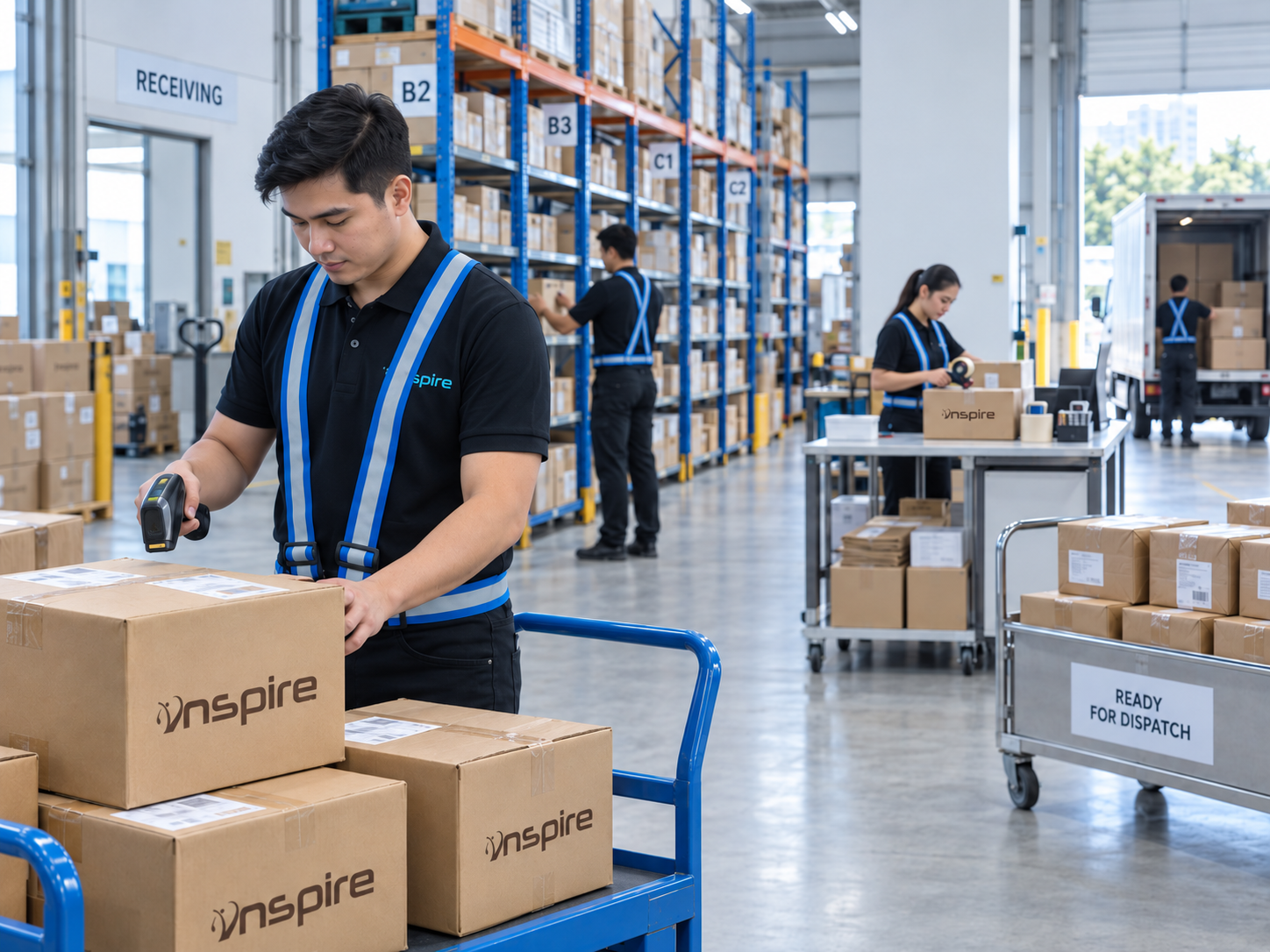
A customer may only see the order confirmation, delivery updates, and final package. Behind that experience are several warehouse activities that need to happen correctly.
Inventory must be available when an order is placed. Products need to be easy to locate. The correct items must be picked and packed, and completed orders need to be prepared for dispatch without unnecessary delays.
A problem at any of these stages can affect what happens later.
An item that is stored incorrectly may take longer to pick. An inaccurate inventory record can result in an order that cannot be fulfilled. A packing error can lead to a return or replacement.
This means warehouse operations have a direct connection to the customer experience, even when the customer never interacts with the warehouse itself.

The warehouse side of an ecommerce operation begins before a customer places an order.
Products first need to arrive at the facility, where they can be received into the warehouse. Inventory may come from manufacturers, suppliers, importers, or other locations within the business’s supply chain.
At receiving, products can be checked, recorded, labeled, and assigned to appropriate storage locations.
This initial step provides the foundation for everything that follows. If inventory is not recorded correctly when it enters the warehouse, problems can appear later when products need to be located or allocated to customer orders.
A consistent receiving process therefore helps establish a more reliable inventory record from the beginning.
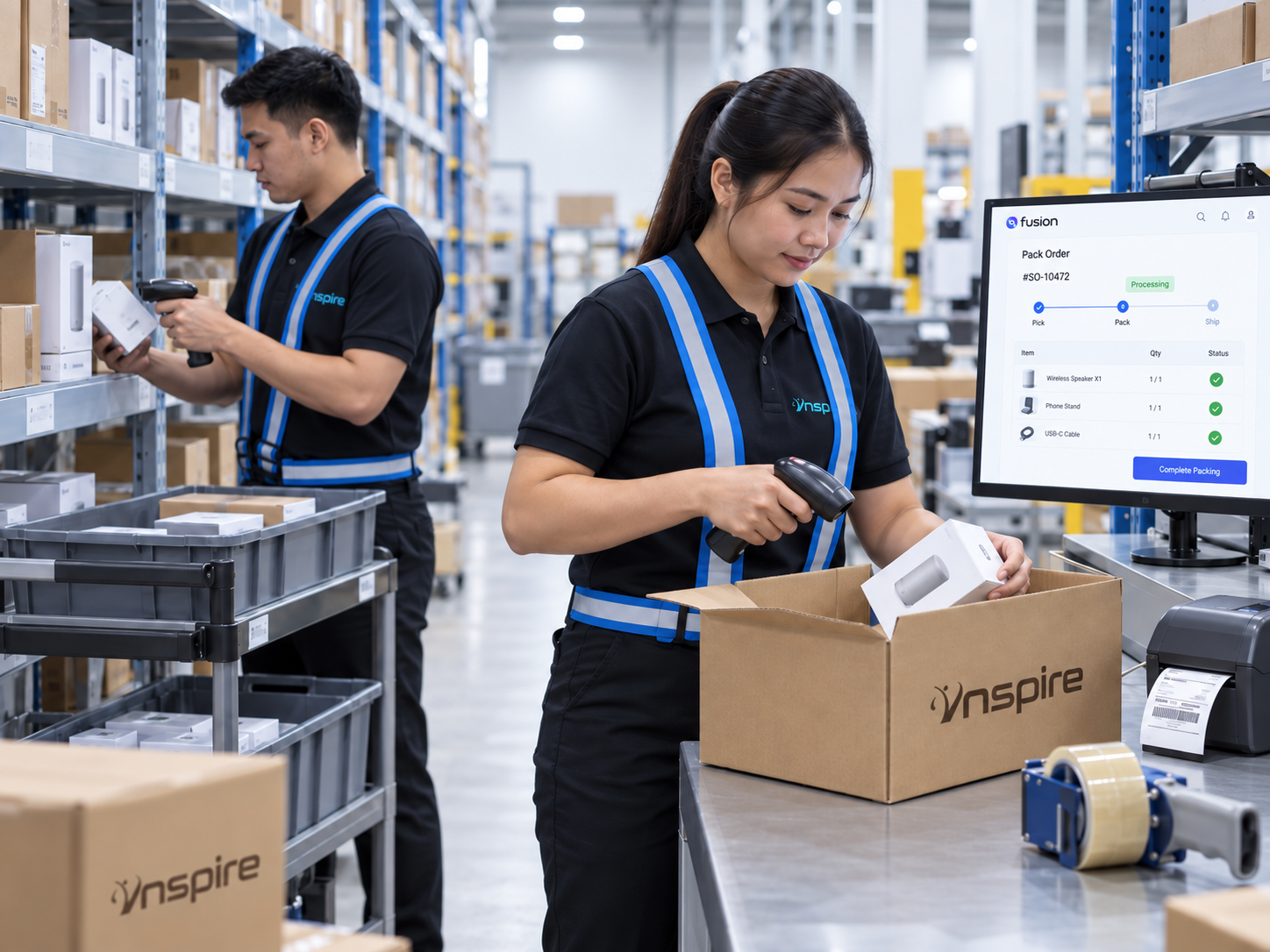
Once inventory has been received, it needs somewhere to go.
Warehouse storage is more than having enough physical space for products. Inventory needs to be organized so warehouse teams can locate products efficiently and maintain visibility over what is available.
Storage requirements can vary depending on the type of products being handled. Some products may require specific storage conditions, while others may need to be separated by product type, batch, size, or other characteristics.
An organized warehouse can also make it easier to manage stock movement. Products can be assigned to designated locations, making it clearer where inventory is stored and where warehouse teams should look when an order needs to be picked.
Good storage practices can support:
For growing ecommerce businesses, organized storage becomes increasingly important as the number of products and orders increases.
Warehouse operations are not only about responding to customer orders.
Inventory needs to be monitored even when products are sitting in storage. Businesses need to know how much stock is available, where products are located, and whether inventory is moving as expected.
This is an important part of warehouse operations because inventory information affects the decisions made throughout the ecommerce order process.
For example, if a product appears available online but is not actually available in the warehouse, a customer may place an order that cannot be fulfilled as expected.
Accurate inventory information can help reduce situations where customers place orders for products that are unavailable.
It can also help businesses identify products that are selling quickly, products that have remained in storage for longer periods, and inventory that may need to be replenished.
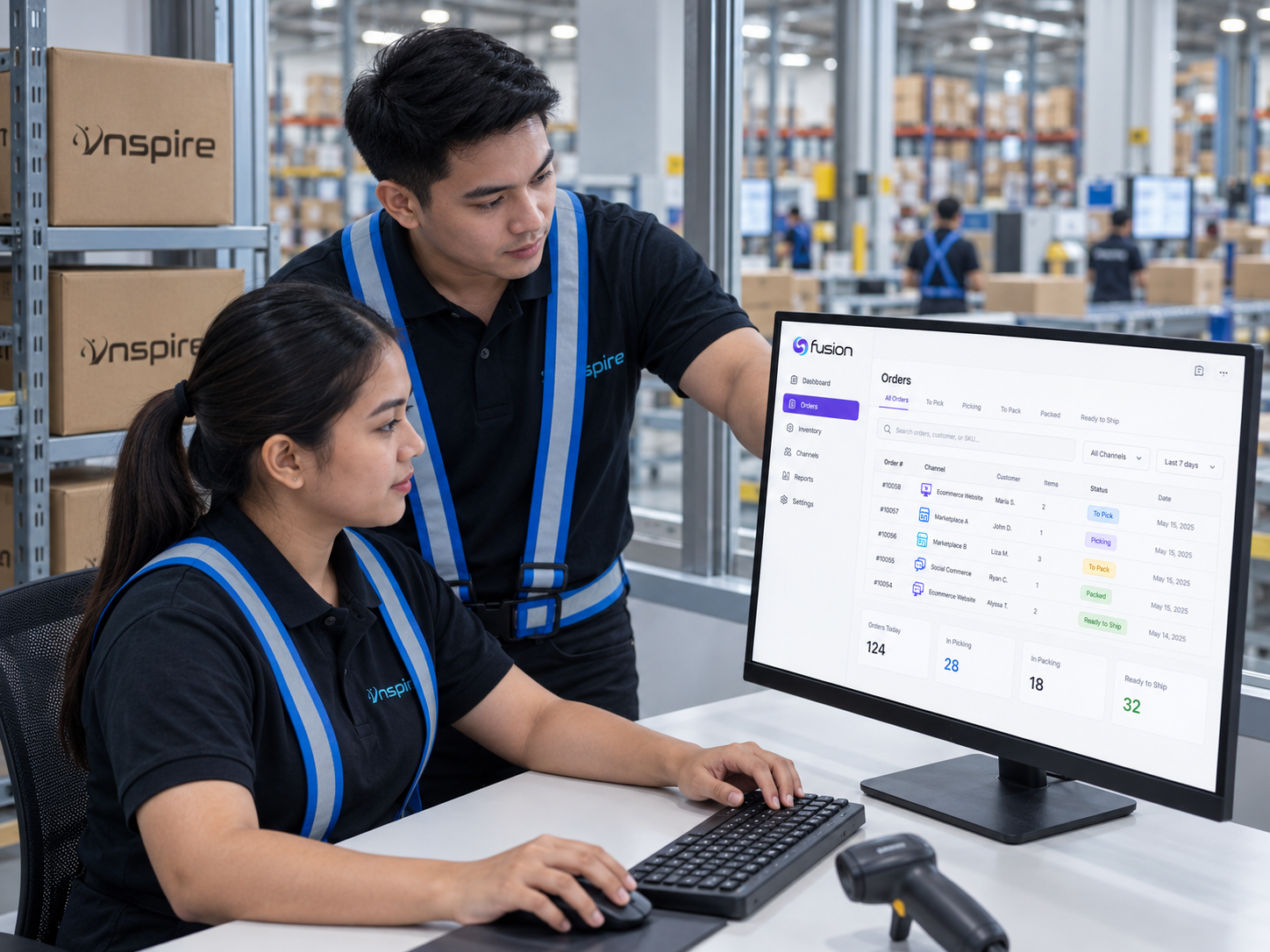
Once a customer places an order, the warehouse becomes part of the fulfillment process.
The order needs to be translated into clear tasks for the warehouse team. This can include identifying the products required, checking availability, locating the inventory, and preparing the items for picking.
For businesses selling through multiple ecommerce channels, this process can become more complicated. Orders may arrive from different platforms, but the products may still be stored and fulfilled from the same warehouse.
A connected workflow can help bring those orders into a more consistent fulfillment process.
Instead of treating each sales channel as a separate warehouse operation, businesses can coordinate orders through the same underlying inventory and fulfillment workflow.
Once an order reaches the warehouse, products need to be picked accurately.
Warehouse staff locate the required products and prepare them for checking and packing. The process may involve one product or several items, depending on the order.
Some businesses may also require additional fulfillment activities, such as bundling products or preparing kits.
Packing follows picking and provides another opportunity to verify that the order is complete and ready for dispatch.
These activities may seem straightforward, but they become increasingly important as order volumes grow. A small picking or packing error can create additional work later through replacements, returns, customer support requests, and additional shipments.
Well-organized fulfillment services can help businesses handle these activities as part of a structured process rather than treating each order as an isolated task.
Warehouse management connects many of the activities that take place inside a warehouse.
It involves more than tracking where products are stored. Warehouse management can include receiving, inventory organization, stock movement, picking, packing, dispatch preparation, and other processes that keep warehouse operations running.
The objective is to maintain control over inventory while helping warehouse teams work efficiently.
For ecommerce businesses, this becomes particularly important when the operation grows. Managing more products, orders, storage locations, and sales channels can make manual processes increasingly difficult to maintain.
Warehouse management can help establish consistent processes across the operation while giving businesses a clearer understanding of what is happening with their inventory.
After an order has been picked and packed, it needs to leave the warehouse.
This stage connects warehouse fulfillment with the delivery process.
Orders need to be prepared for collection or dispatch, with the appropriate information and labeling in place. Once the package leaves the facility, it enters the carrier’s network and becomes part of the delivery journey.
The warehouse still plays an important role here.
A delay in dispatch can affect the customer’s expected delivery timeline, even if the carrier is operating normally. Similarly, an incorrect label or incomplete package can create problems after the order has already left the facility.
This is why fulfillment should not be viewed as separate from delivery. What happens inside the warehouse can influence what happens after dispatch.
The ecommerce order journey does not always end with a successful delivery.
Some orders are returned because of product issues, customer preferences, failed delivery attempts, or other circumstances.
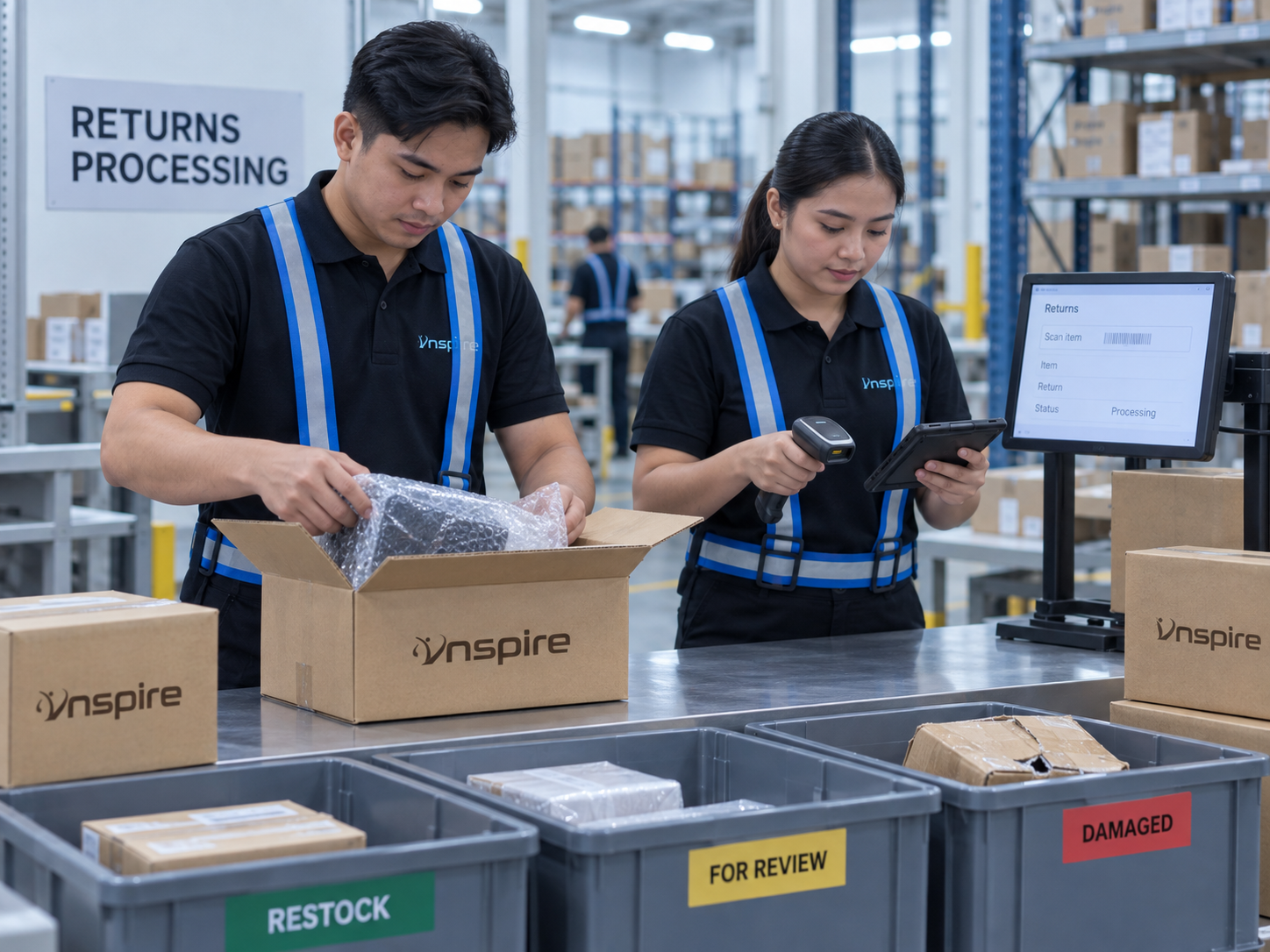
When returned products reach the warehouse, they may need to be received, inspected, recorded, and processed according to the business’s return procedures.
Inventory may need to be updated depending on the condition of the returned product. Some items may be returned to available stock, while others may require separate handling.
Returns management therefore forms another part of the warehouse operation.
A structured process can help businesses maintain better visibility over returned inventory while giving customer service and operations teams clearer information about what happened to the order.
Businesses can have good processes in individual parts of the operation and still experience problems if those processes are disconnected.
For example, a warehouse may have an accurate inventory count, but the ecommerce platform may not receive the latest information. Orders may be processed correctly, but warehouse teams may not have a clear view of which orders need to be dispatched first.
This is where connected warehousing services can make a difference.
When inventory, orders, fulfillment, and warehouse activities are connected, teams can work from more consistent information.
The goal is not simply to add more systems. It is to make sure the information generated by one stage can support the next stage of the order process.
Storage can solve one problem: where to keep inventory.
But growing ecommerce businesses often need more than physical space.
They may need support with:
This is the difference between simply renting warehouse space and using a broader warehouse service designed around ecommerce operations.
As order volumes increase, businesses may also need additional capacity without having to build and manage a larger warehouse operation internally.
Outsourcing some or all warehouse activities can give businesses access to established processes and infrastructure while allowing internal teams to focus on other areas of the business.
Not every warehouse operation is designed for the same requirements.
Before choosing a provider, ecommerce businesses should consider how well the warehouse services fit the way their business actually operates.
Important factors can include:
The facility should have enough capacity for current inventory while allowing room for future growth.
Products should be stored in a structured way that makes them easy to locate and manage.
The provider should be able to handle the picking, packing, and preparation requirements of the business.
Businesses selling product sets, promotional bundles, or kits may need additional services beyond standard picking and packing.
Processes for tracking stock movement, batches, lots, and inventory levels can help maintain better visibility.
A clear process for receiving and processing returned products can help prevent returned inventory from becoming difficult to manage.
Warehouse operations should be able to connect with the ecommerce platforms and order management systems used by the business.
The service should be able to support changes in inventory and order volumes as the business grows.
Looking at these factors can help businesses evaluate warehouse services based on their actual operational needs rather than choosing a provider based only on available storage space.
Physical warehouse operations and ecommerce technology increasingly need to work together.
An ecommerce business may receive orders from several channels while maintaining inventory in a shared warehouse. Without connected information, teams may have to manually compare orders, inventory records, and warehouse activity.
This can become difficult as order volumes increase.
Inspire Solutions’ Fusion platform combines order management and warehouse management capabilities to help ecommerce businesses coordinate orders and inventory across multiple sales channels.
By connecting order information with warehouse operations, businesses can maintain a clearer view of inventory and fulfillment activity.
This connection can support a more consistent process from the time an order is received until it is prepared for dispatch.
The warehouse is one of the most important points in the ecommerce order journey because it connects inventory with customer demand.
Products arrive and are organized. Inventory is stored and managed. Customer orders are processed. Products are picked, packed, and prepared for dispatch. Returns can then come back through the same operation.
Each stage depends on the one before it.
When warehouse services are organized around this complete journey, businesses can move beyond simply storing products and build a fulfillment operation that supports the way customers actually buy.
For growing ecommerce businesses, the right combination of warehouse storage, warehousing services, fulfillment services, and warehouse management can provide the operational foundation needed to manage inventory and orders more consistently.
The objective is simple: keep products organized, keep inventory visible, and keep customer orders moving.
Inspire Solutions combines warehousing, fulfillment, and technology to support ecommerce businesses managing growing order volumes. With organized warehouse operations and connected systems, businesses can coordinate inventory and orders across the fulfillment process.
If your ecommerce operation needs more than storage space, explore how connected warehouse and fulfillment solutions can support your next stage of growth.
Inspire E-Commerce Solutions Inc.
Warehouse 4 & 5, C Teknik Industrial, 143 P. Gregorio Street, Valenzuela,
1442 Metro Manila
inspiresolutions.asia
