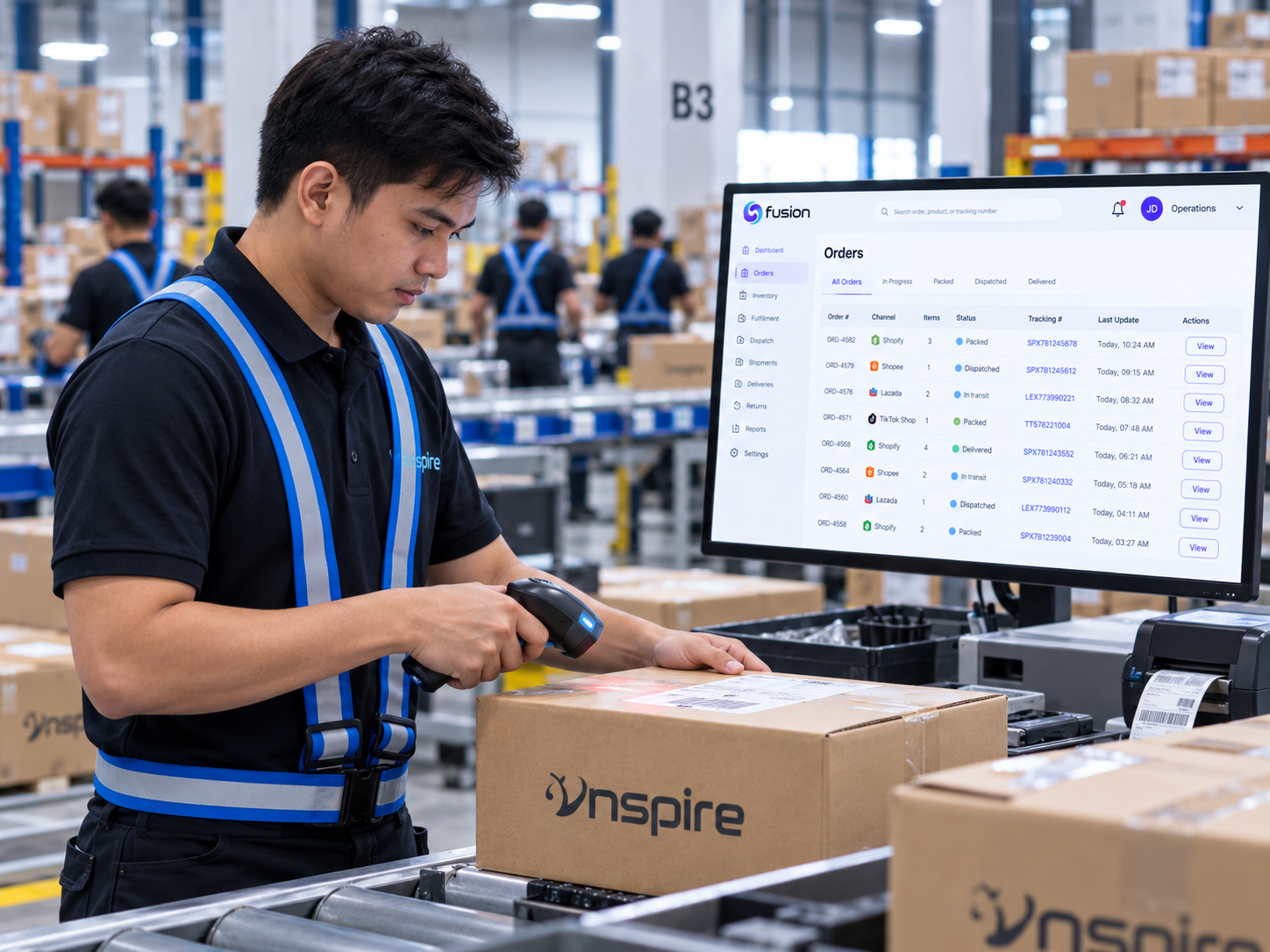
Ecommerce businesses need clear visibility into what happens after a customer places an order. An order may move through several stages before it reaches the customer, including inventory confirmation, warehouse processing, picking, packing, dispatch, shipment, and delivery. Without connected information across these stages, it can become difficult for teams to determine where an order is or identify problems that may affect fulfillment.
An order tracking system can bring information from different parts of the order journey into a more connected view. Instead of relying on separate records or manually checking different platforms, ecommerce teams can use centralized order information to monitor progress and respond to issues more efficiently.
Better visibility can also support inventory management, fulfillment accuracy, and customer communication. When order information is connected with warehouse and delivery processes, businesses have a clearer view of what has happened, what is currently happening, and what may require attention.
An order tracking system is a technology solution that helps businesses monitor an order as it moves through different stages of the fulfillment process. Depending on the system, this can include information about the order, inventory, warehouse processing, dispatch, shipment, and delivery.
For ecommerce businesses, tracking should provide more than a simple status such as “processing” or “shipped.” Teams may need to know whether inventory has been confirmed, whether an order has been picked and packed, whether it has left the warehouse, and whether the carrier has received the shipment.
A connected system can bring these updates together so businesses have a clearer view of order progress.
This visibility can be particularly important when an ecommerce business manages large order volumes or sells through several channels. More orders mean more information to coordinate, making centralized order data increasingly valuable.
An ecommerce order can pass through several teams and systems before it reaches the customer. The sales platform may contain the original order information, while warehouse systems handle inventory and fulfillment. Carriers then provide shipment and delivery updates.
When these sources are disconnected, teams may need to check several systems to understand what happened to one order.
Better order visibility can help businesses:
The goal is not simply to collect more information. It is to make relevant information easier to access and act on.
The order journey usually begins when a customer completes a purchase. From there, the order needs to be confirmed, matched with available inventory, processed by the warehouse, prepared for dispatch, and transferred to the carrier.
A simplified journey can look like this:
Order Received → Inventory Confirmed → Order Processed → Picked → Packed → Dispatched → Shipped → Delivered
Each stage provides information that can help teams understand the current status of the order.
For example, an order that has been received but not yet picked may require a different response from an order that has already been dispatched but has stopped moving with the carrier.
An order tracking system can help organize these stages so teams can see where an order currently sits in the process.
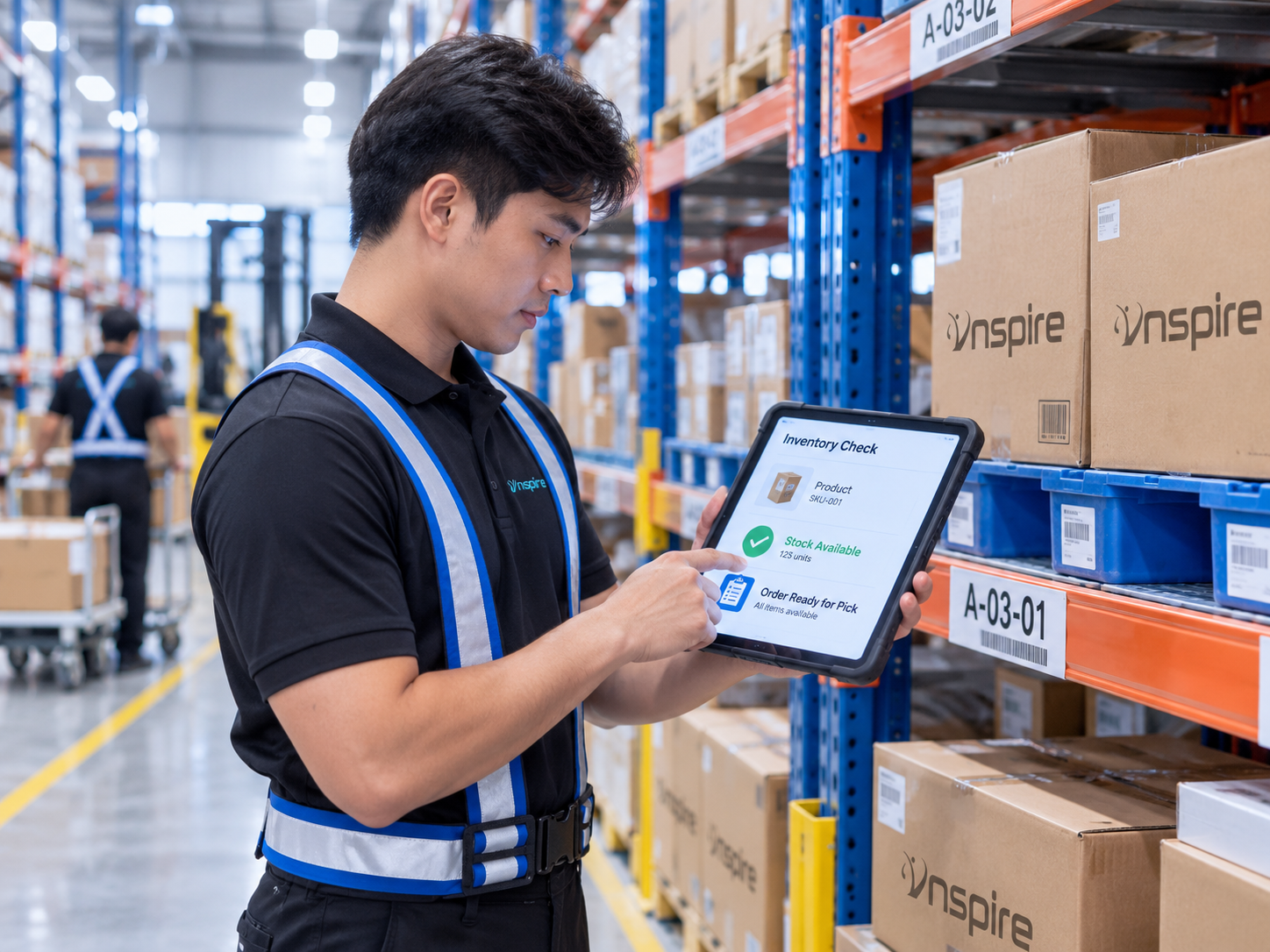
Order visibility depends partly on accurate inventory information.
When a customer places an order, the business needs to know whether the products are actually available. If inventory records are inaccurate, an order may enter fulfillment even though the required product cannot be located.
Connecting order and inventory information can help teams:
This connection becomes increasingly important as businesses add more products, warehouses, and sales channels.
Instead of treating the order and inventory as separate records, connected ecommerce technology can provide a clearer view of how stock availability affects order fulfillment.
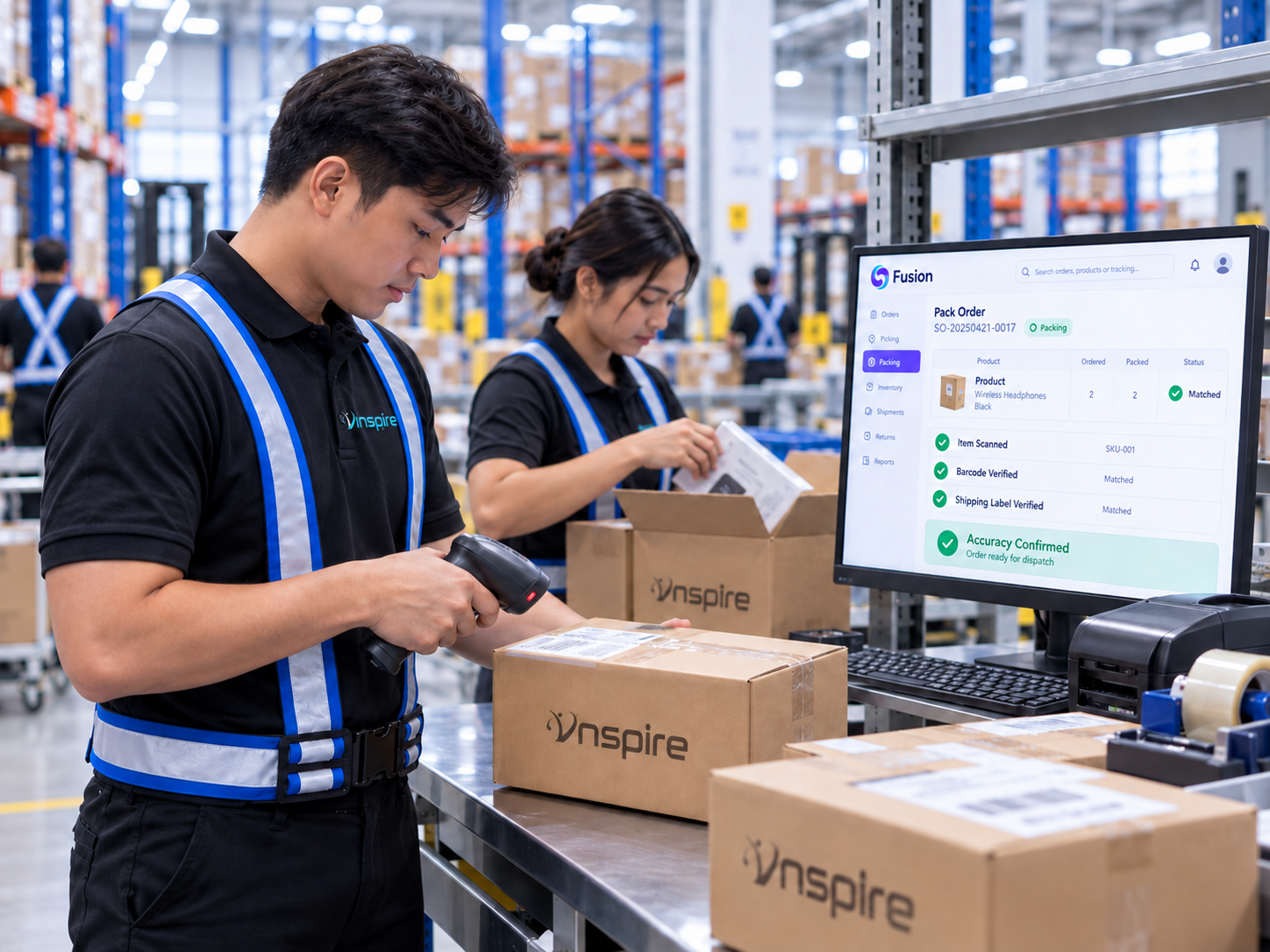
Order accuracy is important because tracking information is only reliable when the underlying order details are correct.
An order can be delayed even when its status appears normal if the wrong product, quantity, or customer information was associated with the order.
Warehouse teams may need to verify:
Accurate information helps reduce avoidable fulfillment errors and makes it easier to understand what happened when an order does not reach the customer as expected.
Order tracking can therefore support more than visibility. It can also provide a record of activity that helps teams investigate fulfillment issues.
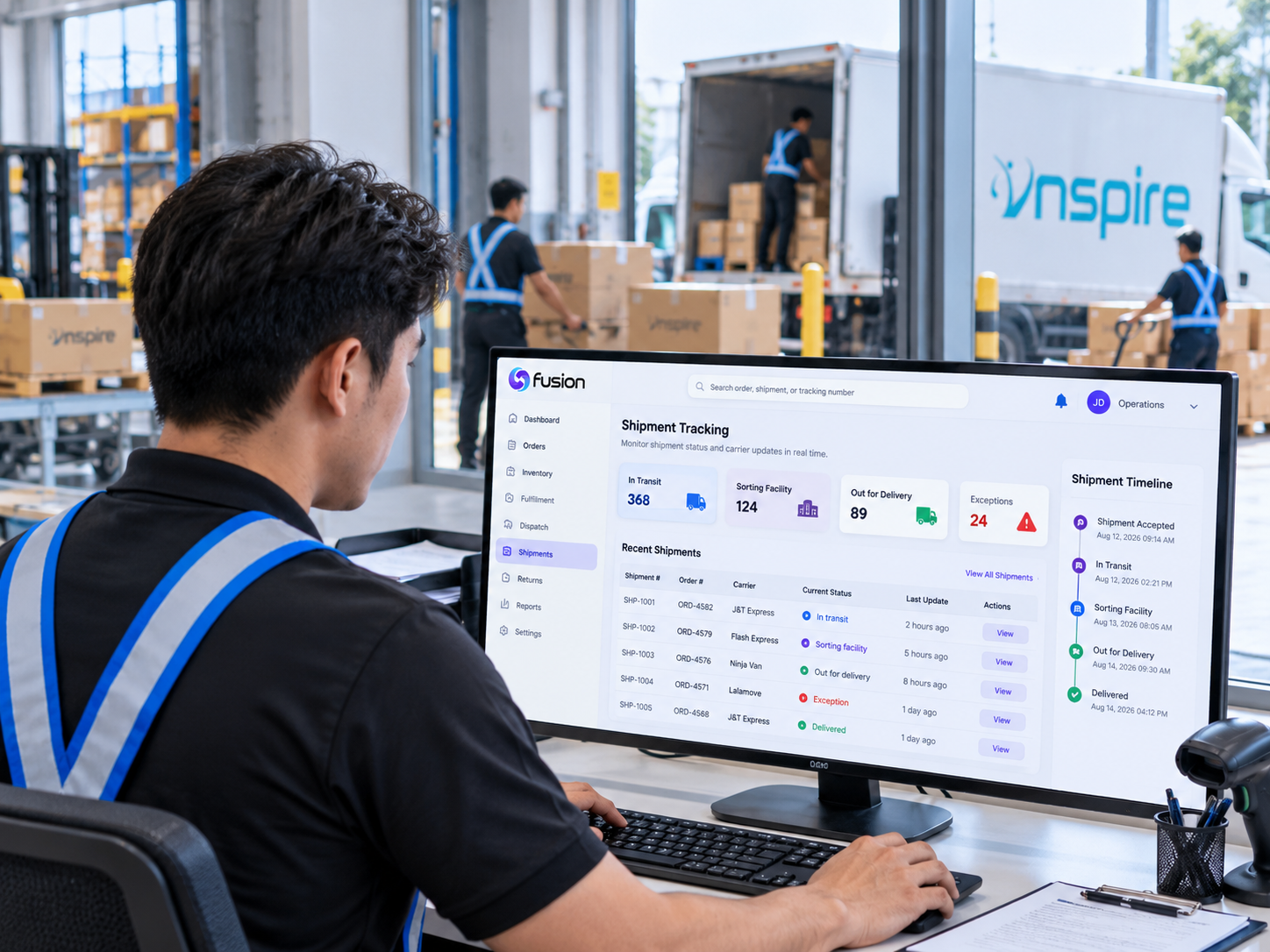
Once an order has been picked, packed, and prepared for dispatch, it moves into the shipping stage.
At this point, the order may be transferred from the warehouse operation to a carrier or delivery partner. The information available to the business can change as the order moves through the carrier network.
The warehouse may know when the package was dispatched, while the carrier can provide updates about shipment movement and delivery attempts.
This is where different types of tracking become connected.
The order itself remains part of the ecommerce business’s records, while shipment and delivery information provide additional details about what is happening after dispatch.
Shipment tracking focuses on the movement of a package after it has been dispatched and entered the carrier network.
Tracking information may show events such as:
For ecommerce teams, these updates can help explain what is happening after an order leaves the warehouse.
An order tracking system can provide a broader view by connecting shipment information with the original order. This means teams can identify which customer order is associated with a particular shipment and review its progress without treating the shipment as a completely separate record.
Delivery tracking focuses on the final part of the order journey.
Businesses may need to know whether an order is:
These updates can help teams respond when a delivery does not proceed as expected.
For example, a failed delivery attempt may require customer communication or additional coordination with the delivery provider. A delayed shipment may require investigation if it remains inactive for an extended period.
Connecting delivery information with order records gives businesses a better understanding of the customer’s order rather than viewing delivery status in isolation.
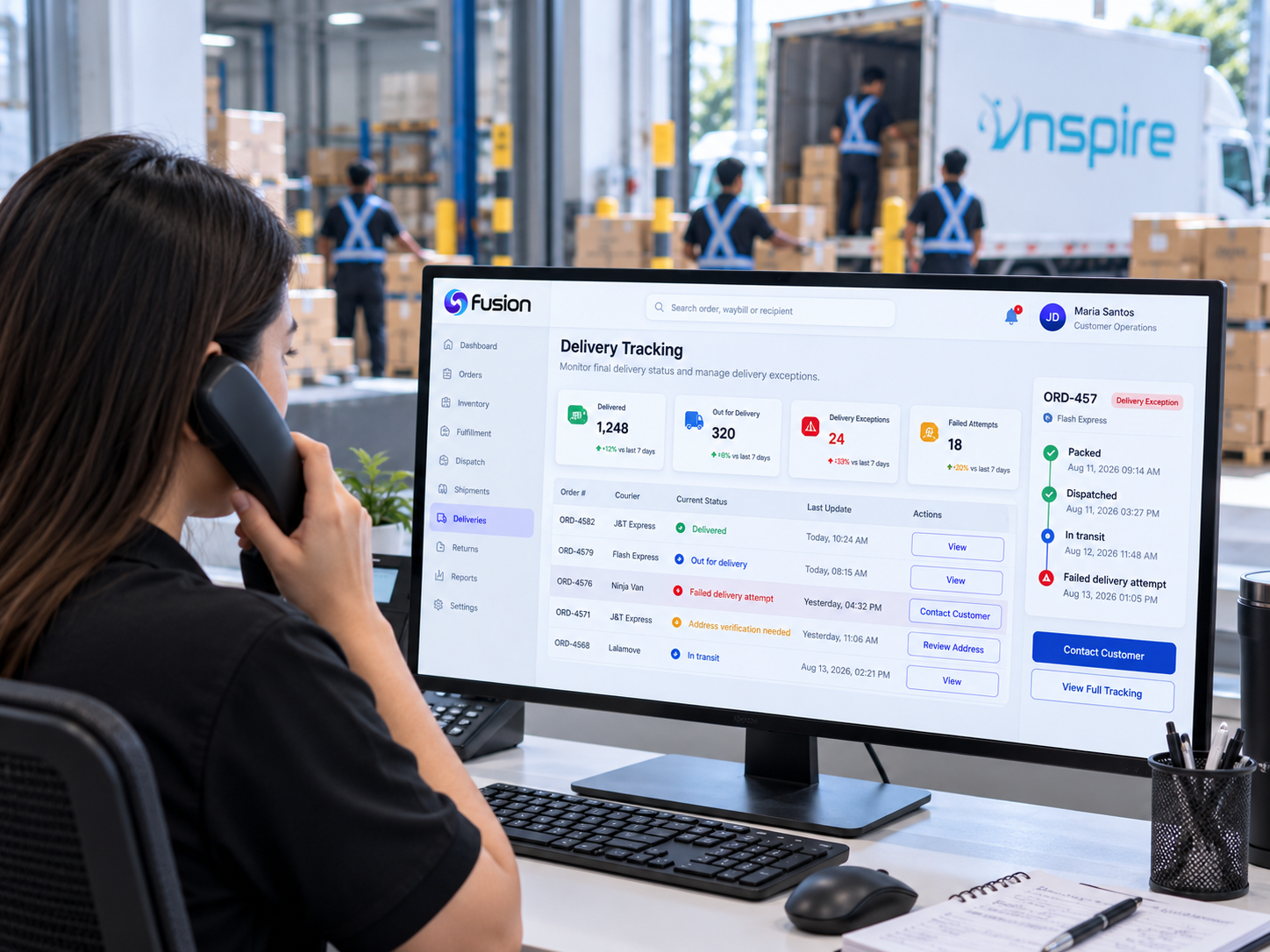
Tracking information becomes particularly useful when an order does not follow its expected path.
Common situations may include:
An order may remain in a processing stage longer than expected. This could indicate an inventory issue, warehouse backlog, or another operational problem.
If the required product cannot be located or inventory information is inaccurate, fulfillment may be delayed.
Incorrect products, quantities, or shipping information can create additional work and delay delivery.
A shipment may remain at the same carrier location for longer than expected. Reviewing shipment information alongside the order record can help teams determine which customer orders may be affected.
A failed delivery can prevent an order from reaching the customer even after successful warehouse fulfillment and shipment dispatch.
The earlier a business can identify these issues, the more opportunity it has to investigate and respond.
Product traceability provides visibility into the movement and history of products as they move through an operation.
For ecommerce businesses, this can be useful when products need to be associated with specific inventory records, batches, or warehouse activity.
Traceability can help businesses understand:
This information can be particularly useful for businesses that need greater control over inventory movement and fulfillment records.
When product information, inventory records, and order information are connected, businesses can develop a clearer view of how individual products move through the ecommerce operation.
Ecommerce businesses may receive orders from several sales channels, including marketplaces, social commerce platforms, and online stores.
Managing each channel separately can make order visibility more difficult. Teams may need to switch between platforms to check order information, inventory availability, and fulfillment status.
A centralized system can bring information from different channels together and provide a more consistent view of orders.
This can help businesses:
As sales channels increase, having a connected view of order information can become more important to daily operations.
The right system depends on the size, sales channels, fulfillment model, and operational requirements of the business.
However, ecommerce businesses may benefit from systems that provide:
Order details should be accessible without requiring teams to search through multiple disconnected systems.
The system should provide information that helps teams understand whether products are available for fulfillment.
Order information should connect with warehouse processes such as picking, packing, and dispatch.
Businesses should be able to associate shipment information with the relevant order.
Delivery status can help teams understand whether orders have reached customers or require attention.
Businesses selling through multiple channels can benefit from bringing orders into a more centralized operational view.
Order, inventory, and fulfillment information should remain consistent enough to support reliable tracking and decision-making.
A useful system should make it easier to identify orders that are delayed, stalled, or otherwise outside the expected process.
Order tracking works best when it is connected to the systems that support the rest of the ecommerce operation.
An order does not exist separately from inventory, warehousing, fulfillment, shipment, and delivery. Each stage contributes information that can help explain the order’s current status.
Connecting these processes can give businesses a more complete operational view.
Instead of asking where an order is only after a customer reports a problem, teams can monitor its progress throughout the order journey and identify potential issues earlier.
This can support better coordination between ecommerce, warehouse, fulfillment, and customer service teams.
Managing ecommerce orders effectively requires visibility across each stage of the order journey. An order tracking system can connect order, inventory, warehouse, fulfillment, shipment, and delivery information so teams have a clearer view of what is happening after an order is placed.
For businesses managing multiple sales channels, connected order information can make it easier to coordinate processing, identify exceptions, and respond to issues before they create larger fulfillment problems.
Bringing these processes together can help ecommerce teams maintain clearer order records, improve coordination, and manage growing order volumes with greater visibility.
Inspire E-Commerce Solutions Inc.
Warehouse 4 & 5, C Teknik Industrial, 143 P. Gregorio Street, Valenzuela,
1442 Metro Manila
inspiresolutions.asia
