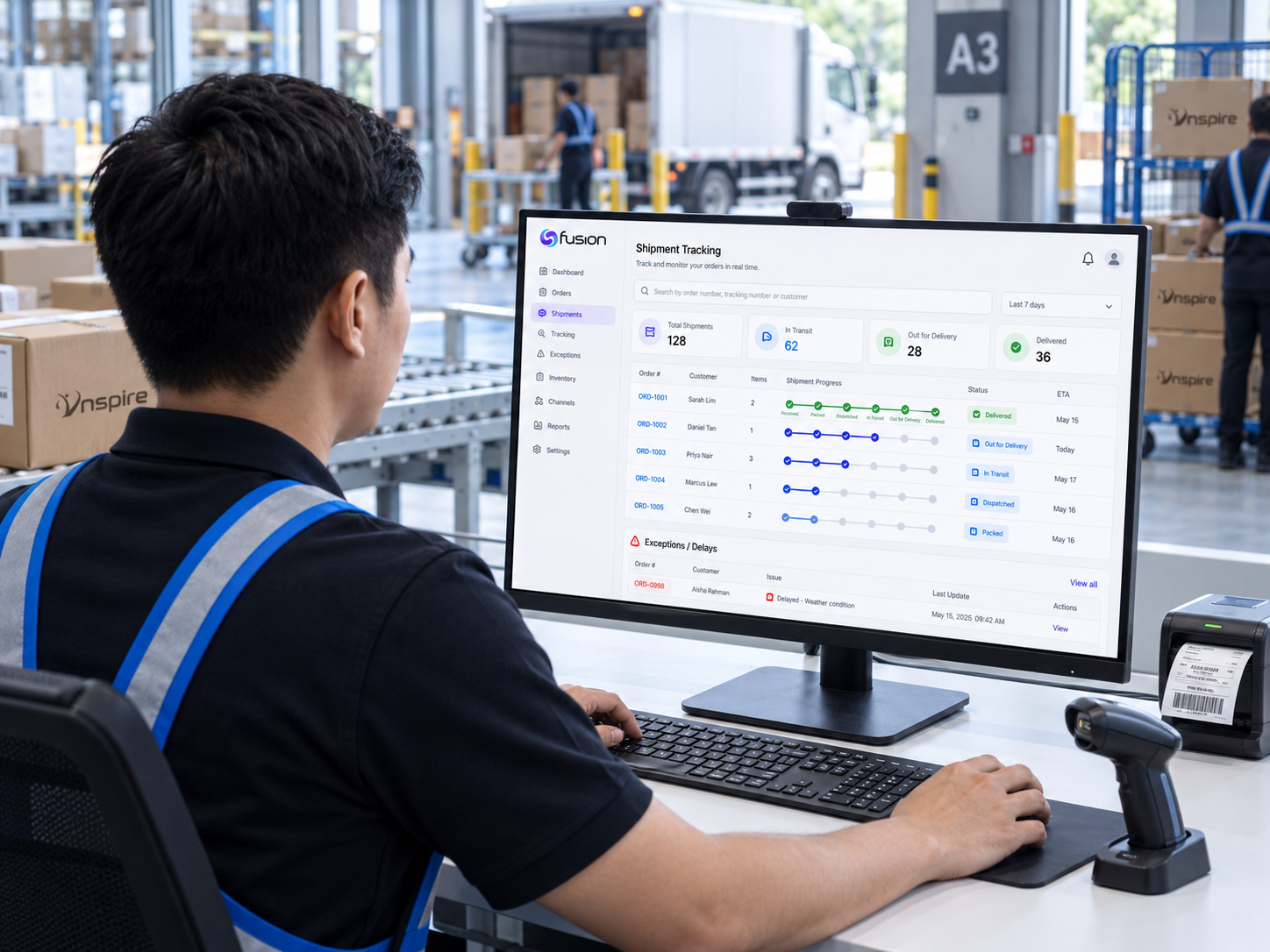
An ecommerce order passes through several hands before it reaches the customer. It may start on a Shopify store, marketplace, or social commerce channel, move into order processing, pass through the warehouse, and then enter the carrier’s delivery network.
At each point, something can change. An item may need to be picked, an order may be delayed before dispatch, a shipment may be held at a sorting facility, or a delivery attempt may not reach the customer.
That is why visibility needs to extend beyond the moment a package leaves the warehouse.
Delivery tracking gives ecommerce businesses a way to follow an order through its journey and understand what is happening along the way. When connected with order management and fulfillment operations, it can give both internal teams and customers a clearer view of an order from processing to final delivery.
It is easy to think of tracking as something that begins when a courier receives a package. For ecommerce businesses, however, the order journey starts much earlier.
A customer places an order, which is then confirmed and checked against available inventory. Products are picked and packed before the package is prepared for dispatch. Only then does it move into the carrier network.
If something goes wrong before dispatch, waiting for a carrier update will not explain what happened.
For example, an order may remain unfulfilled because:
A connected tracking process helps businesses distinguish between an order that has not yet left the fulfillment operation and one that is already moving through the delivery network.
The first stage is capturing the order accurately.
Ecommerce businesses may receive orders from several channels, each with its own platform and order information. Once an order enters the fulfillment workflow, teams need to know what was purchased, where it needs to go, and whether the required inventory is available.
This is where order management becomes important.
An order tracking system can help businesses follow the status of an order as it moves through processing. Instead of checking different platforms manually, teams can have a clearer view of which orders are waiting, being prepared, or ready to move to the next stage.
The goal is not simply to display an order status. It is to connect that status with the activity taking place behind it.
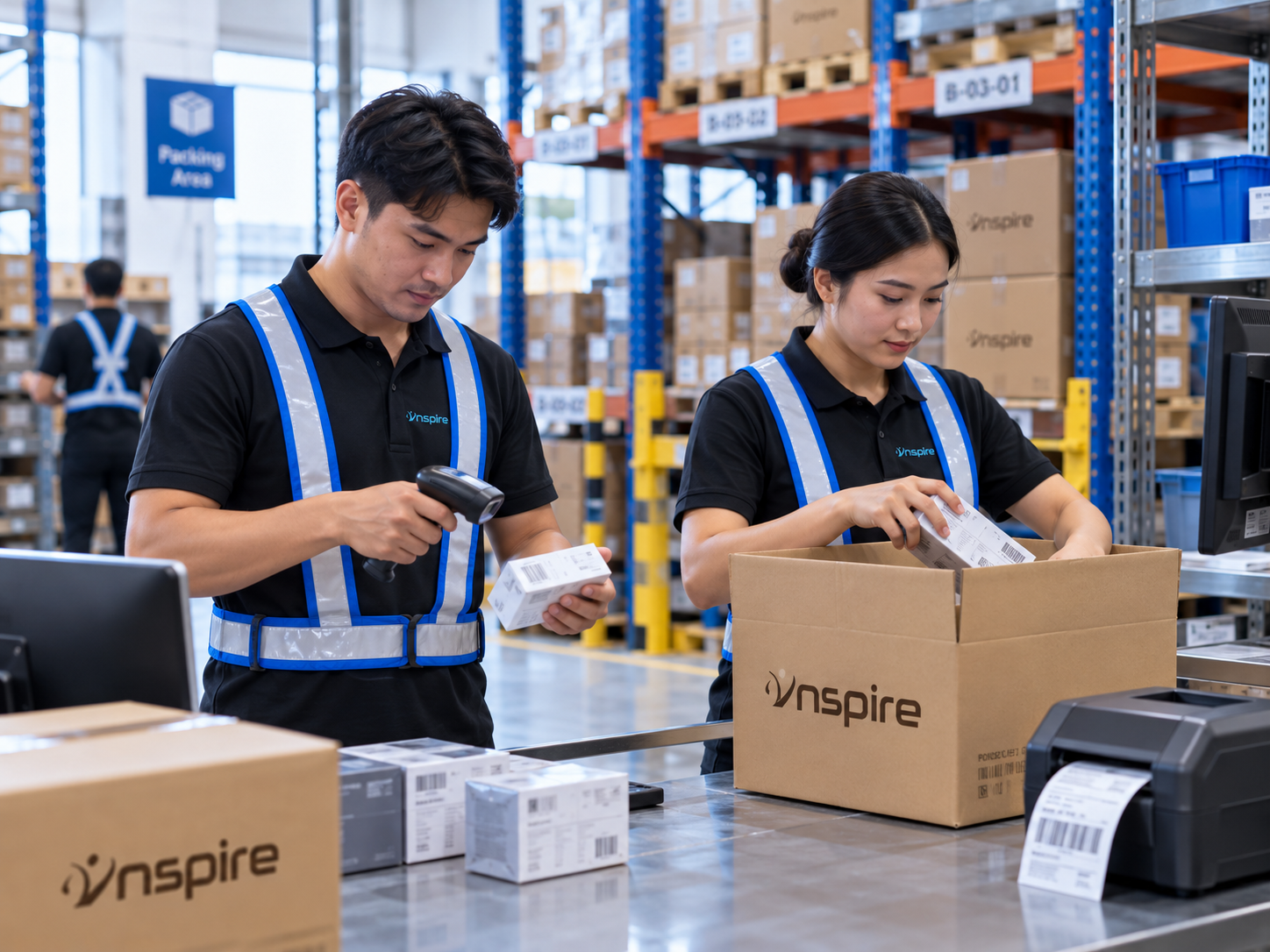
Before an order can be shipped, the warehouse needs to prepare it correctly.
Products must be located, picked, checked, packed, and labeled. Depending on the business, orders may also require kitting, bundling, special handling, or other fulfillment activities.
This stage has a direct effect on delivery.
An incorrect item can lead to a return. An incomplete order can require another shipment. A packing delay can push back dispatch. An address or labeling error can create problems once the package enters the carrier network.
Tracking therefore becomes more useful when fulfillment information is connected to the order itself.
Businesses can see whether an order is still being prepared or has already moved to dispatch, rather than assuming every order that has been received is already on its way.
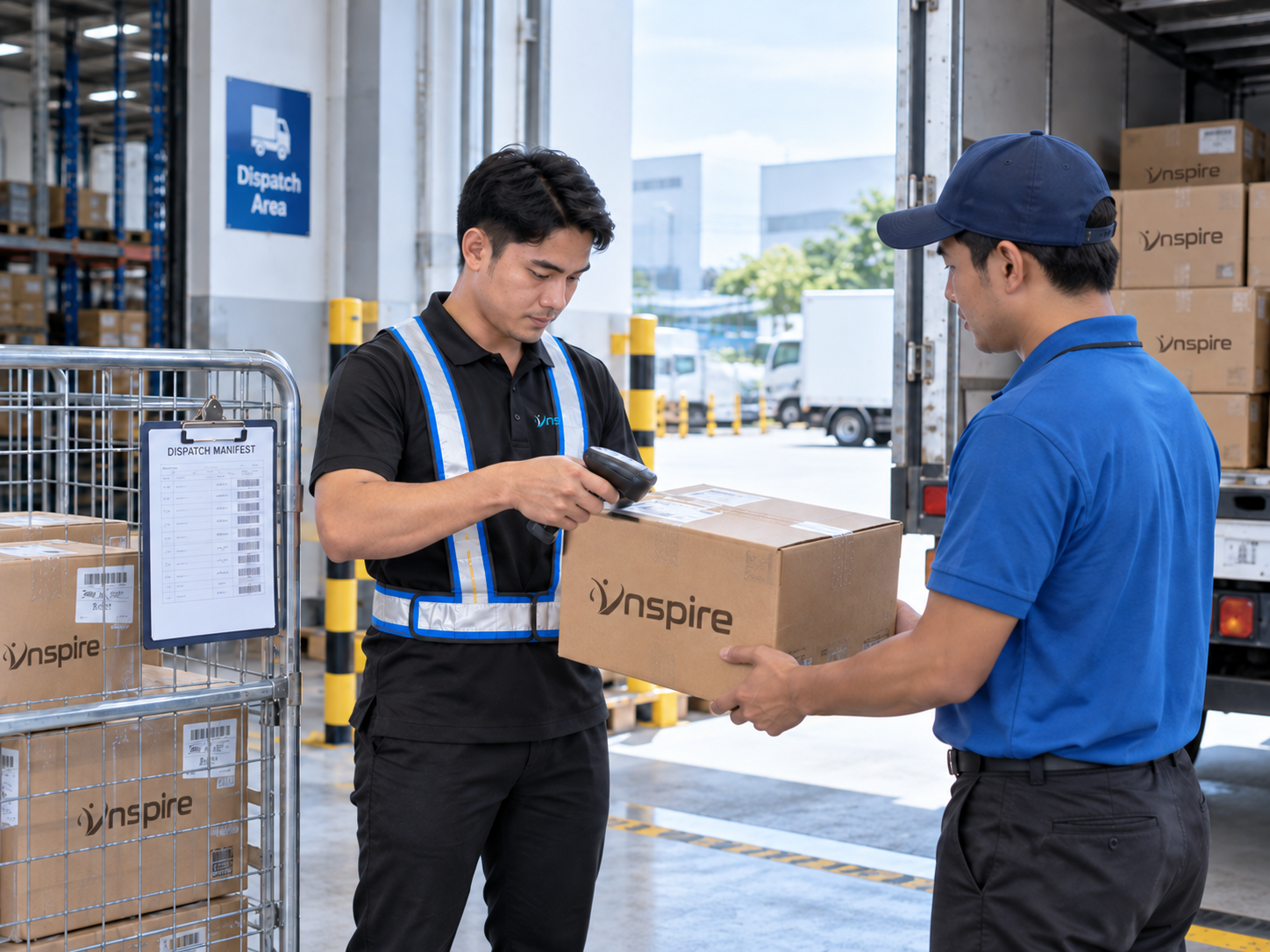
Once an order is packed and ready, it can be handed over to a delivery provider.
This is an important transition because responsibility for the physical movement of the package begins to shift from the fulfillment operation to the delivery network.
At this point, shipment tracking becomes particularly relevant.
Tracking information can indicate whether the carrier has received the package, whether it is in transit, whether it has reached a sorting facility, or whether it has moved closer to its destination.
For the ecommerce business, this information provides context about what happens after dispatch.
It can also help customer service teams answer questions more accurately. Instead of simply saying that an order has been shipped, they can refer to the latest available shipment status.
The terms shipment tracking and delivery tracking are often used interchangeably, but there is a useful distinction for ecommerce operations.
Shipment tracking generally focuses on the movement of a package after it has entered the carrier network.
Delivery tracking can provide a broader view of the order’s progress toward the customer, including the relationship between fulfillment, dispatch, shipment movement, out-for-delivery status, and final confirmation.
This distinction matters because an order can have a valid tracking number without the business having full visibility into the overall order journey.
For example, a carrier may show that a package is in transit, but the ecommerce business may also need to know when the order was packed, when it was dispatched, whether it has been delayed, and whether the customer ultimately received it.
A more connected approach brings these stages together.
Not every order needs constant attention. Most can move through the process normally without intervention.
The problem is identifying the orders that are not following the expected path.
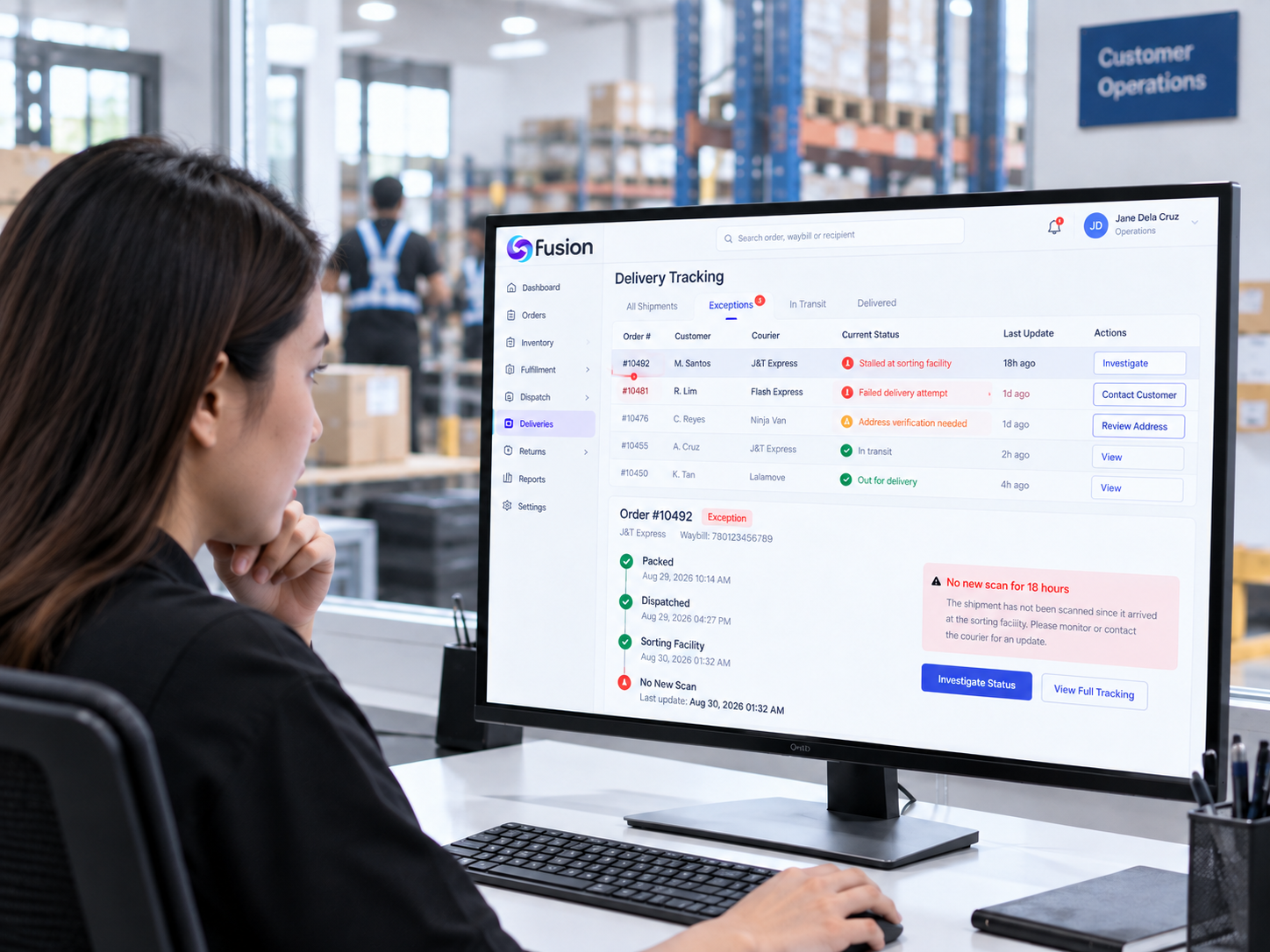
Real-time delivery tracking can help teams recognize changes in an order’s status sooner. Depending on the available carrier and system integrations, updates may show that a shipment has been delayed, reached a particular facility, gone out for delivery, or encountered another exception.
This information gives teams an opportunity to act.
A delayed shipment may require a customer notification. A failed delivery may need address verification or another delivery attempt. A package that appears to be stalled may need to be investigated with the carrier.
Without timely information, these issues may only become visible after the customer raises a complaint.
Tracking is not only an internal operational tool.
Once customers place an order, they want reassurance that the purchase is progressing. They may want to know whether the order has been dispatched, when it is expected to arrive, or whether it is already out for delivery.
Clear updates can reduce uncertainty during this waiting period.
For example, there is a meaningful difference between telling a customer that an order is “processing” and showing that the package has been dispatched and is currently in transit.
The information does not need to be complex. What matters is that it is understandable, relevant, and reasonably current.
A good customer experience therefore depends on both the physical delivery and the information surrounding it.
As order volumes increase, manually following individual orders becomes difficult.
An order tracking system can provide a central view of order progress and help teams identify where an order currently sits within the fulfillment and delivery process.
Instead of moving between sales channels, warehouse records, and carrier portals, teams can work from connected order information.
For a multichannel ecommerce business, this can be particularly useful.
An order placed through one marketplace may have a different workflow from an order received through an online store, but the business still needs to know whether both orders have been fulfilled, dispatched, shipped, and delivered.
Centralized visibility can make those differences easier to manage without losing sight of the overall order journey.
Multichannel selling adds another layer to delivery management.
A business may sell through its ecommerce website while also receiving orders from marketplaces and social commerce platforms. Each channel can generate its own order information, while fulfillment may take place through the same warehouse operation.
Without a connected workflow, teams may have difficulty determining which orders need attention.
For example, one channel may show an order as completed while the warehouse still has not dispatched it. Another may show a shipment as active while the latest carrier update is missing from the business’s internal records.
Connecting information across channels can help create a more consistent operational view.
This is particularly important as order volumes grow and teams have less time to manually reconcile information between platforms.
A tracking process becomes most valuable when an order does not follow the expected path.
Common situations include:
If an order remains in fulfillment longer than expected, the issue may be inside the warehouse rather than with the carrier.
Teams can investigate whether inventory, picking, packing, or another fulfillment step is causing the delay.
A package may appear to remain at the same location for longer than expected.
This does not automatically mean it is lost, but it gives the business a reason to monitor the shipment and determine whether further action is needed.
A carrier may attempt delivery without successfully completing it.
The business may need to review the delivery details, communicate with the customer, or arrange another attempt depending on the situation.
Some orders eventually come back to the fulfillment operation.
The journey does not necessarily end when the package is returned. The business may need to process the return, update inventory, and determine whether the customer requires a replacement, refund, or another resolution.
Tracking the order history makes these situations easier to review.
Delivery performance is influenced by more than the carrier.
If products are difficult to locate, orders are packed incorrectly, or dispatch is delayed, the delivery timeline can already be affected before the shipment enters the carrier network.
This is why ecommerce businesses can benefit from connecting fulfillment information with delivery information.
A warehouse team can see which orders need to be prepared. Operations teams can see which orders have been dispatched. Customer service teams can refer to available shipment updates. Management can review where delays are occurring across the order journey.
Instead of treating fulfillment and delivery as two unrelated activities, businesses can view them as connected stages of the same customer order.
The right delivery tracking system should fit into the business’s existing ecommerce and fulfillment workflow rather than operate as another isolated platform.
Important capabilities can include:
Businesses should also consider how easily teams can access the information.
A tracking system that contains plenty of data but requires teams to check several screens or platforms may not solve the underlying visibility problem.
The objective should be straightforward: make it easier to determine what is happening with an order and whether someone needs to act.
Tracking information can also help businesses identify patterns.
If deliveries are repeatedly delayed in a particular area, the business may need to review its carrier options or delivery expectations.
If orders are frequently delayed before dispatch, the issue may be related to warehouse capacity or fulfillment processes.
If failed deliveries are common, businesses may need to review address collection, customer communication, or delivery procedures.
Looking at these patterns turns tracking information into operational data.
Rather than investigating every issue separately, businesses can identify recurring problems and determine where changes may improve the overall order journey.
For growing ecommerce businesses, the challenge is rarely a lack of individual systems.
There may already be a platform for selling, another for managing orders, another for warehouse operations, and separate systems used by delivery providers.
The bigger challenge is keeping information connected between them.
A customer order should not become difficult to follow simply because it has moved from one system to another.
When order management, inventory, fulfillment, and delivery information work together, teams can maintain better visibility throughout the process.
This is the approach behind connected ecommerce operations, where technology supports the movement of information alongside the movement of products.
Technology can help connect the different stages of an ecommerce order.
Inspire Solutions’ Fusion platform combines order management and warehouse management capabilities to support ecommerce businesses managing orders across multiple sales channels. By connecting order and inventory information with fulfillment operations, businesses can maintain a clearer view of what is happening before orders reach the delivery network.
This creates a stronger foundation for delivery visibility because the business can understand not only whether a package is moving, but also what happened before it was dispatched.
For businesses handling growing order volumes, this can reduce reliance on manual checking and disconnected records.

The most useful tracking process is not something that is checked only when a customer asks, “Where is my order?”
It should form part of the order journey from the beginning.
When an order is received, teams should be able to understand its status. During fulfillment, they should know whether it has been picked and packed. After dispatch, they should be able to follow its shipment progress. When it reaches the final stage, they should have confirmation of the delivery.
This creates a clearer connection between what happens inside the business and what the customer experiences outside it.
For ecommerce businesses, that connection can make it easier to manage exceptions, communicate with customers, and identify areas where the fulfillment and delivery process can improve.
Inspire E-Commerce Solutions Inc.
Warehouse 4 & 5, C Teknik Industrial, 143 P. Gregorio Street, Valenzuela,
1442 Metro Manila
inspiresolutions.asia
