
Ecommerce businesses manage thousands of inventory movements every day. Products move from suppliers to warehouses, between storage locations, through fulfillment processes, and eventually to customers. While many businesses know how much stock they have available, they may not always have complete visibility into where products came from, where they are stored, or how they moved through the operation.
Product traceability helps businesses create a clearer record of product movement throughout the inventory lifecycle. By connecting product information with inventory records, warehouse activity, and fulfillment processes, businesses can better understand how products move from receiving to delivery.
For ecommerce operations, traceability is not only about tracking products. It can support better inventory decisions, improve operational visibility, and help teams respond more effectively when issues occur.
As ecommerce businesses grow and manage more products, warehouses, and sales channels, having reliable product information becomes increasingly important for maintaining control over inventory operations.
Product traceability refers to the ability to track the movement, history, and status of products throughout different stages of an operation.
For ecommerce businesses, this may include information such as where products were received, when they entered inventory, where they are stored, how they moved through fulfillment, and which orders they were associated with.
Unlike basic inventory counting, traceability focuses on understanding the journey of individual products or product groups.
For example, an inventory system may show that a business has 500 units available. Product traceability provides additional information about those units, including when they arrived, where they are stored, and how they have moved through the operation.
This additional visibility can help businesses maintain more accurate inventory records and make better decisions about purchasing, storage, and fulfillment.
Ecommerce operations depend on accurate product information. When businesses manage multiple products, suppliers, warehouses, and sales channels, tracking inventory movement becomes more complex.
Without clear product history, teams may struggle to answer important questions:
Limited visibility can create challenges across inventory management and fulfillment.
For example, if a customer receives an incorrect product or a warehouse discovers damaged inventory, teams may need accurate records to determine what happened and where the issue occurred.
Product traceability gives businesses a clearer record of product movement, helping teams investigate issues and maintain more reliable operations.
Product traceability follows products through different stages of the ecommerce process.
A typical product journey may include:
Supplier → Receiving → Inventory Storage → Order Processing → Fulfillment → Shipment → Customer
At each stage, businesses can collect and maintain information about product movement.
When products arrive from suppliers, businesses can record details such as:
This creates an initial record that can be used throughout the inventory lifecycle.
After receiving, products are placed into warehouse locations.
Traceability can help businesses understand:
During order fulfillment, product information can be connected with picking, packing, and shipping activities.
This allows businesses to understand which products were selected for orders and how they moved through the fulfillment process.
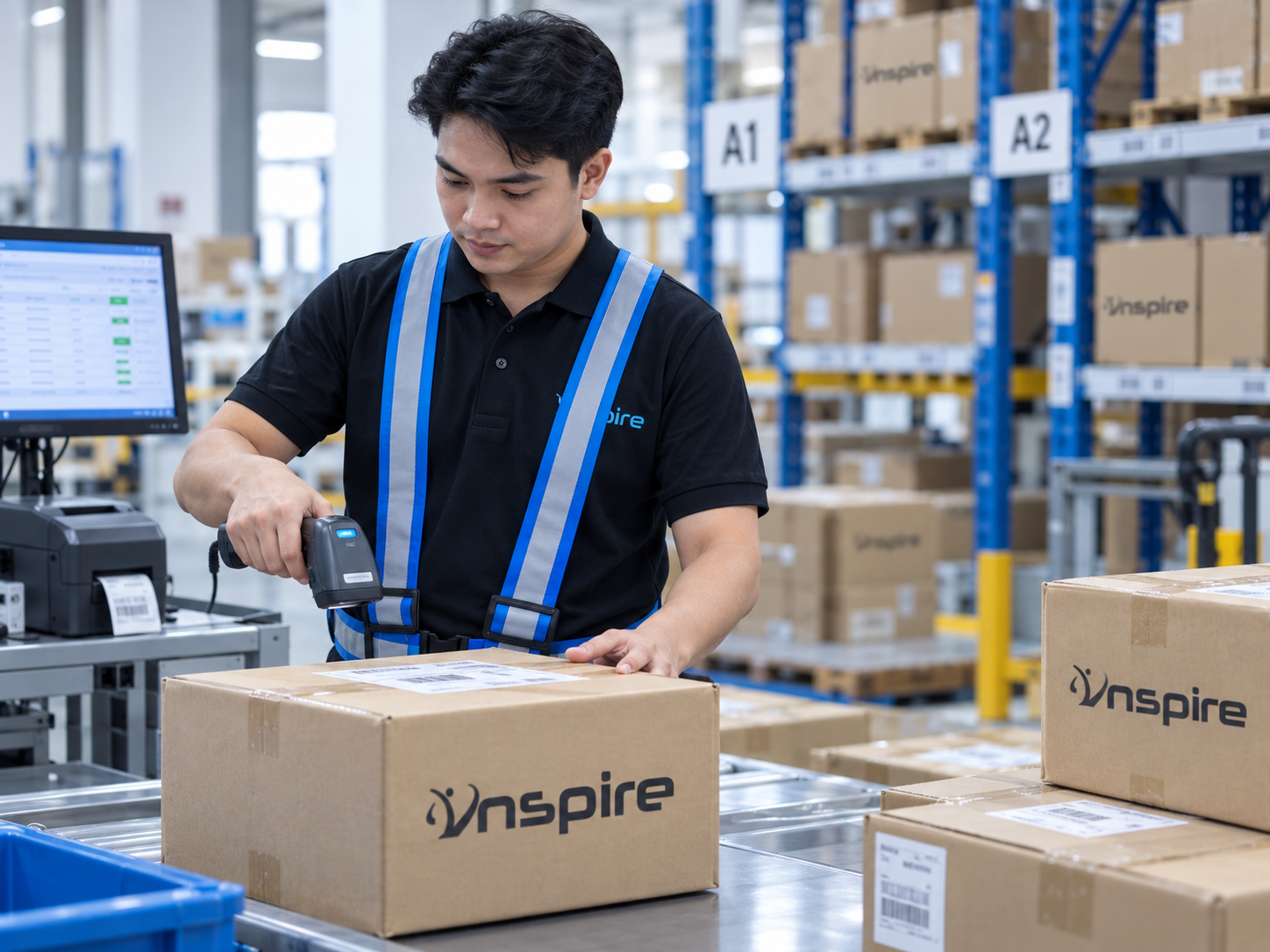
Maintaining accurate product records becomes more challenging as inventory moves through different warehouse locations and fulfillment stages.
A traceable inventory process allows businesses to maintain information about:
This becomes increasingly important for ecommerce businesses managing large product catalogs. As inventory grows across multiple locations and channels, connected tracking systems can help teams maintain more accurate product records and monitor movement more efficiently.
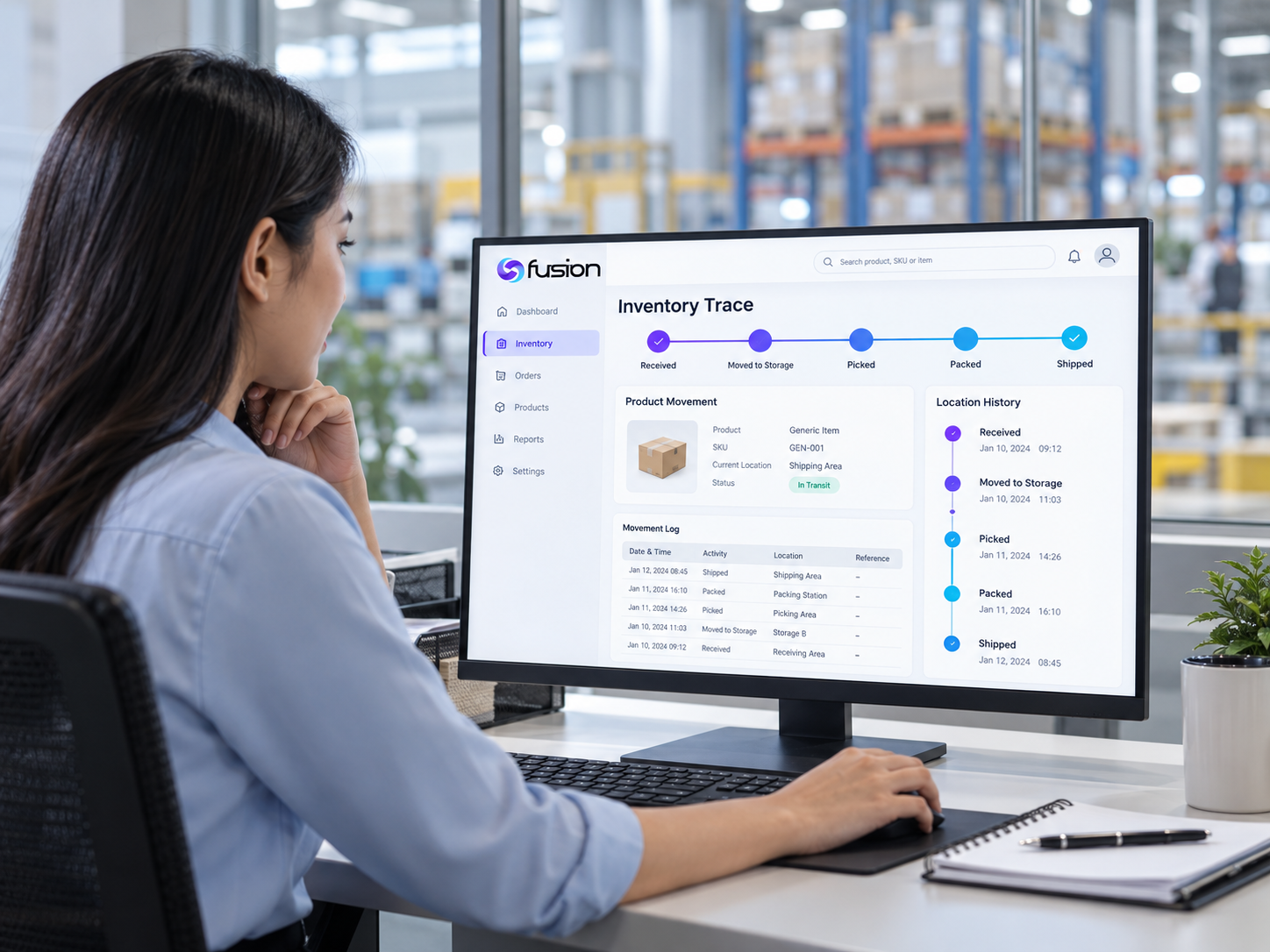
Inventory records provide the foundation for understanding available stock. However, records become more valuable when they reflect actual product movement.
Inventory traceability connects product information with operational activity, helping businesses understand not only how much stock they have but also how inventory has moved.
Accurate inventory records can help businesses:
When inventory records are incomplete or outdated, businesses may make decisions based on inaccurate information.
This can result in unnecessary purchases, fulfillment delays, or difficulty identifying where inventory problems began.
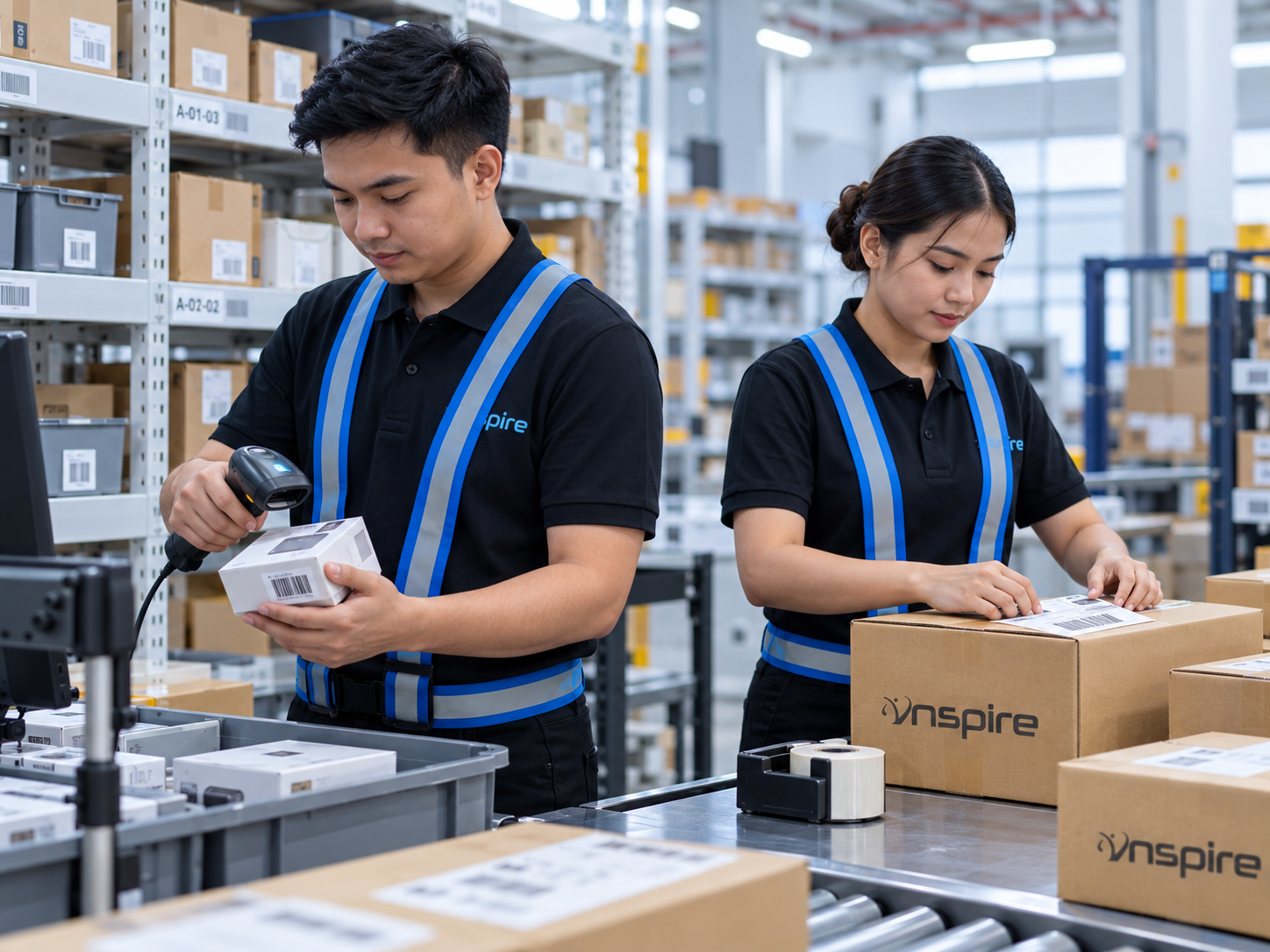
Product tracking can play an important role in maintaining accurate fulfillment operations.
Before an order reaches a customer, several steps must happen correctly. The right product must be available, located, picked, packed, and shipped.
Traceability can help teams confirm:
This information can make it easier to investigate fulfillment problems.
For example, if a customer receives an incorrect item, businesses can review product movement records to identify where the error occurred.
Better product tracking supports more reliable fulfillment processes by giving teams greater visibility into inventory activity.
Inventory visibility allows businesses to understand their current stock position across different areas of the operation.
For ecommerce businesses, this may include visibility into:
Without strong inventory visibility, businesses may have difficulty understanding whether products are available, where they are located, or how quickly they are moving.
Product traceability strengthens inventory visibility by adding historical information about product movement.
Instead of viewing inventory as a simple quantity, businesses gain a clearer picture of how products move through the ecommerce operation.
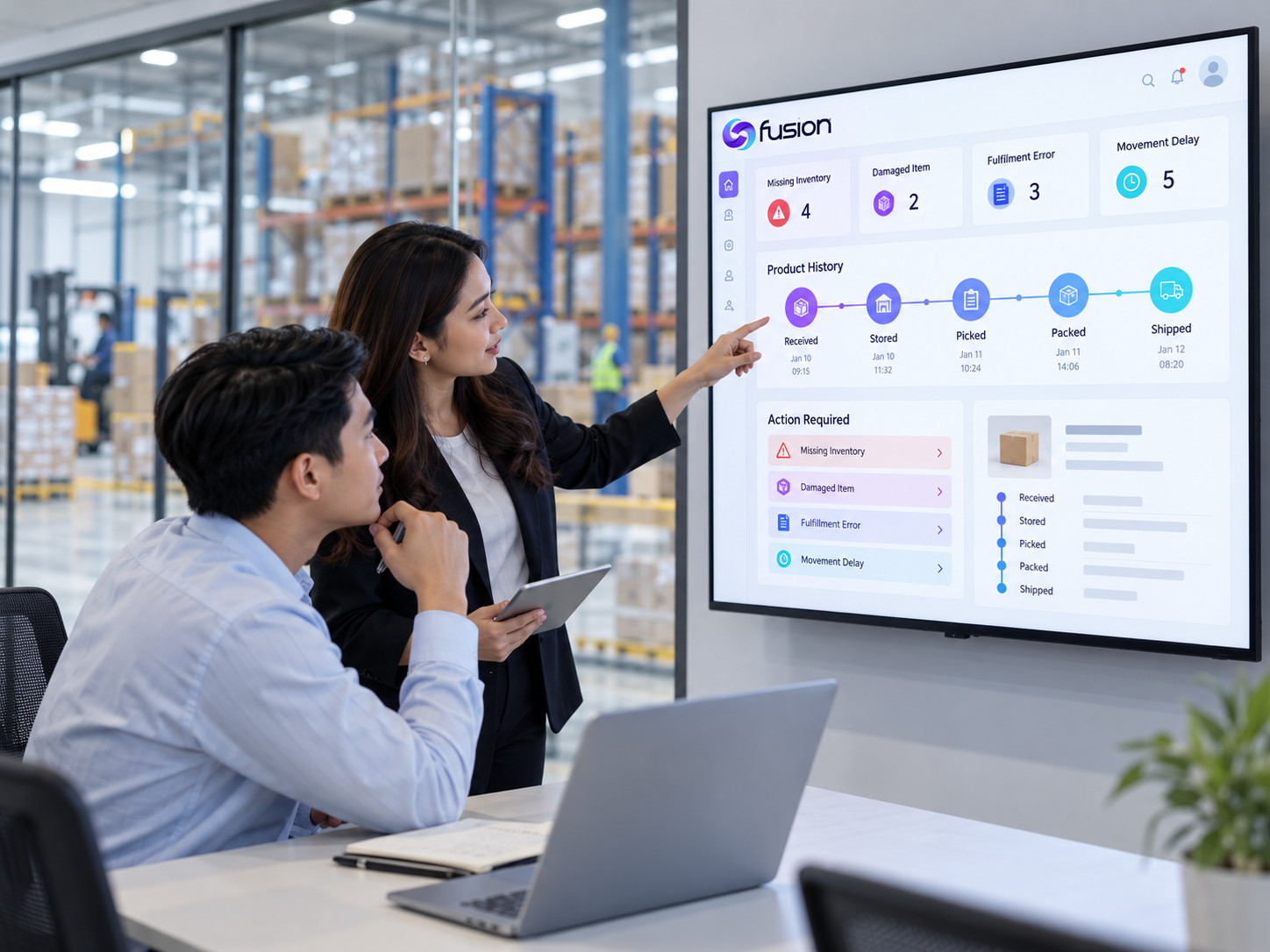
Inventory problems can become easier to identify when businesses have access to product history.
Traceability can help teams investigate situations such as:
If physical stock does not match system records, businesses can review inventory movement to identify where discrepancies occurred.
Product history can help businesses understand when and where products may have been affected.
Tracking information can help identify whether problems occurred during picking, packing, or shipping.
Businesses can review product activity to determine whether inventory is moving as expected.
Having access to this information allows teams to respond based on records rather than assumptions.
Product traceability can extend beyond warehouse operations.
Ecommerce businesses often depend on multiple supply chain partners, including suppliers, manufacturers, carriers, and fulfillment providers.
Supply chain visibility helps businesses understand how products move across these connected stages.
With better visibility, businesses can gain insight into:
This broader view can help ecommerce businesses coordinate operations more effectively and respond faster when supply chain issues occur.
As ecommerce businesses expand, inventory management becomes more complex.
Growth often means:
Without reliable product information, managing this complexity becomes more difficult.
Product traceability provides businesses with a structured way to monitor inventory movement as operations grow.
Rather than relying on disconnected records, teams can use connected information to understand product activity and make better operational decisions.
Product traceability works best when inventory systems, warehouse processes, and fulfillment activities are connected. This connection supports better inventory management by helping businesses maintain accurate stock information, improve operational decisions, and manage inventory more efficiently.
A connected approach allows businesses to combine information from different parts of the operation, creating a more complete view of inventory.
This can support:
For ecommerce businesses, visibility is not only about knowing what inventory exists. It is about understanding how products move and where improvements can be made.
Managing ecommerce inventory requires more than knowing how many products are available. Businesses need reliable information about where products come from, how they move, and how they support customer orders.
Product traceability helps create this visibility by connecting inventory records, product movement, warehouse activity, and fulfillment processes.
For businesses managing growing ecommerce operations, better traceability can support stronger inventory control and more consistent decision-making.
By creating a clearer view of product movement, ecommerce teams can improve coordination, reduce uncertainty, and build a more connected inventory management process.
Inspire E-Commerce Solutions Inc.
Warehouse 4 & 5, C Teknik Industrial, 143 P. Gregorio Street, Valenzuela,
1442 Metro Manila
inspiresolutions.asia
