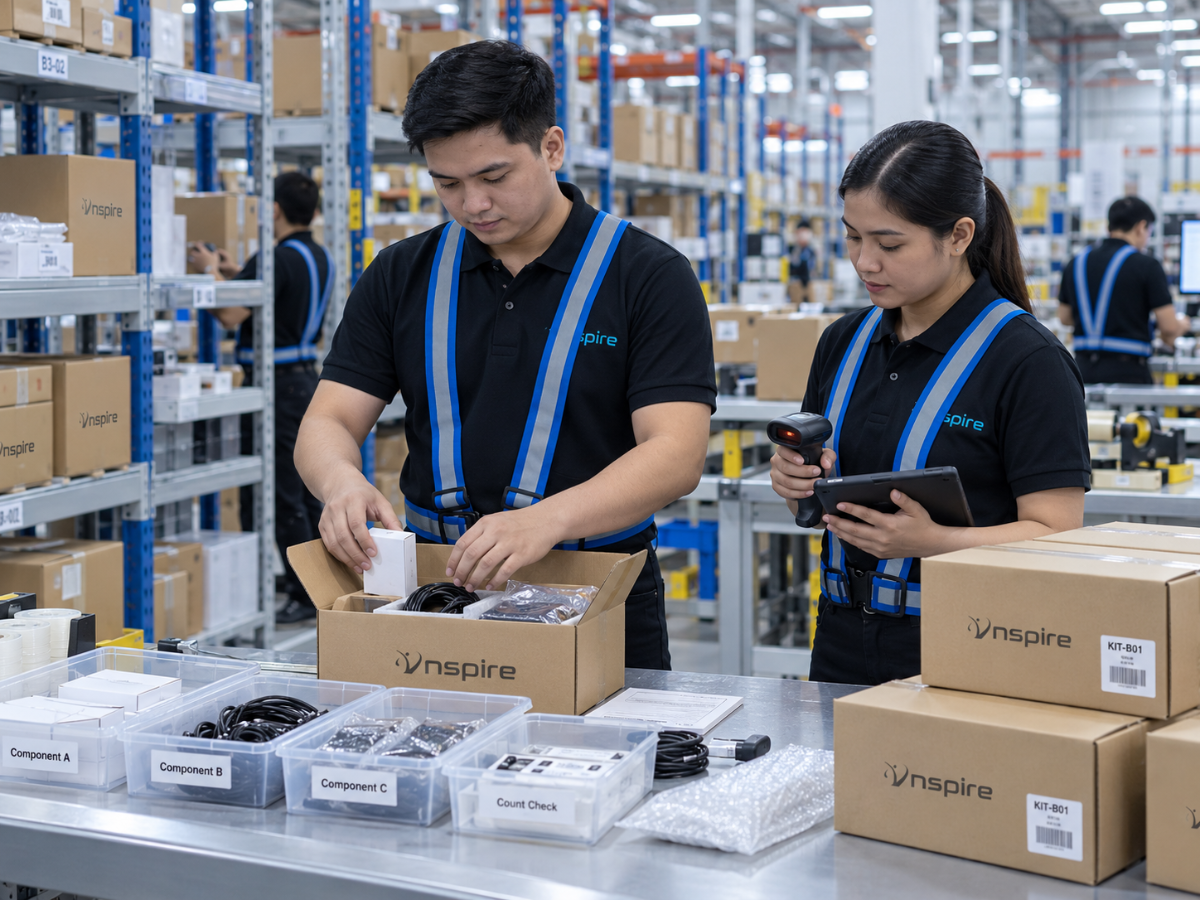
Managing multiple products, components, and customer orders can create challenges for ecommerce businesses. When orders contain several items that need to be grouped together, warehouse teams must coordinate picking, assembly, inventory checks, and packing. Without an organized process, these tasks can take additional time and increase the risk of order errors.
Kitting services help simplify this process by grouping individual products or components into ready-to-ship kits. Instead of assembling the same product combinations for every order, businesses can prepare kits in advance based on demand and fulfillment requirements.
For ecommerce businesses handling product bundles, subscription boxes, promotional packages, or multi-item orders, kitting can support more consistent workflows. When integrated with inventory management and fulfillment processes, it can also help teams maintain accurate stock records and prepare orders more efficiently.
Kitting services involve grouping two or more individual products or components into one prepared package or inventory unit. The items may be assembled into a finished product set, placed together in a box, or organized as a kit that is ready for use or shipment.
For example, an online retailer selling a skincare bundle might combine a cleanser, moisturizer, and sunscreen into one kit. A subscription business could prepare monthly boxes containing several products, while a company selling electronics might group a device with its accessories and instructions.
The main purpose is to make these product combinations easier to handle during order processing. Rather than picking every item separately whenever an order arrives, warehouse teams can prepare frequently ordered combinations in advance when demand and storage conditions allow.
Businesses can manage kitting internally or work with a logistics provider that offers warehousing and fulfillment support. The appropriate option depends on order volume, product complexity, available space, and the level of inventory coordination required.
Kitting can help ecommerce businesses simplify several stages of the fulfillment process.
When customers frequently order the same combination of products, warehouse employees may need to retrieve each item separately for every order. Preparing those combinations in advance can reduce repeated picking and assembly work.
For example, if a retailer regularly sells a three-item gift set, preparing the set ahead of time allows the fulfillment team to handle it as one kit rather than collecting all three products for each individual order.
The amount of time saved depends on order patterns, kit preparation requirements, and how the warehouse manages finished kits.
Product bundles often require specific items to be included together. Without a defined process, employees may overlook a component or pack an incorrect combination.
A standardized kitting process establishes which products belong in each kit and how they should be assembled. Teams can follow the same instructions and use verification checks before kits enter the order fulfillment workflow.
This can help reduce preventable packing errors and create a more consistent customer experience.
Product bundles and promotional sets can involve several stock-keeping units (SKUs). Kitting provides a practical way to organize these combinations so they can be stored, tracked, and prepared for shipment according to business requirements.
For retailers that regularly sell bundles, this can simplify how products move from storage to packing. It also gives warehouse teams a defined process for handling kits separately from individual items.
Kitting affects more than the final packing stage. It can also improve how warehouse operations are organized by supporting inventory coordination, storage planning, and labor allocation.
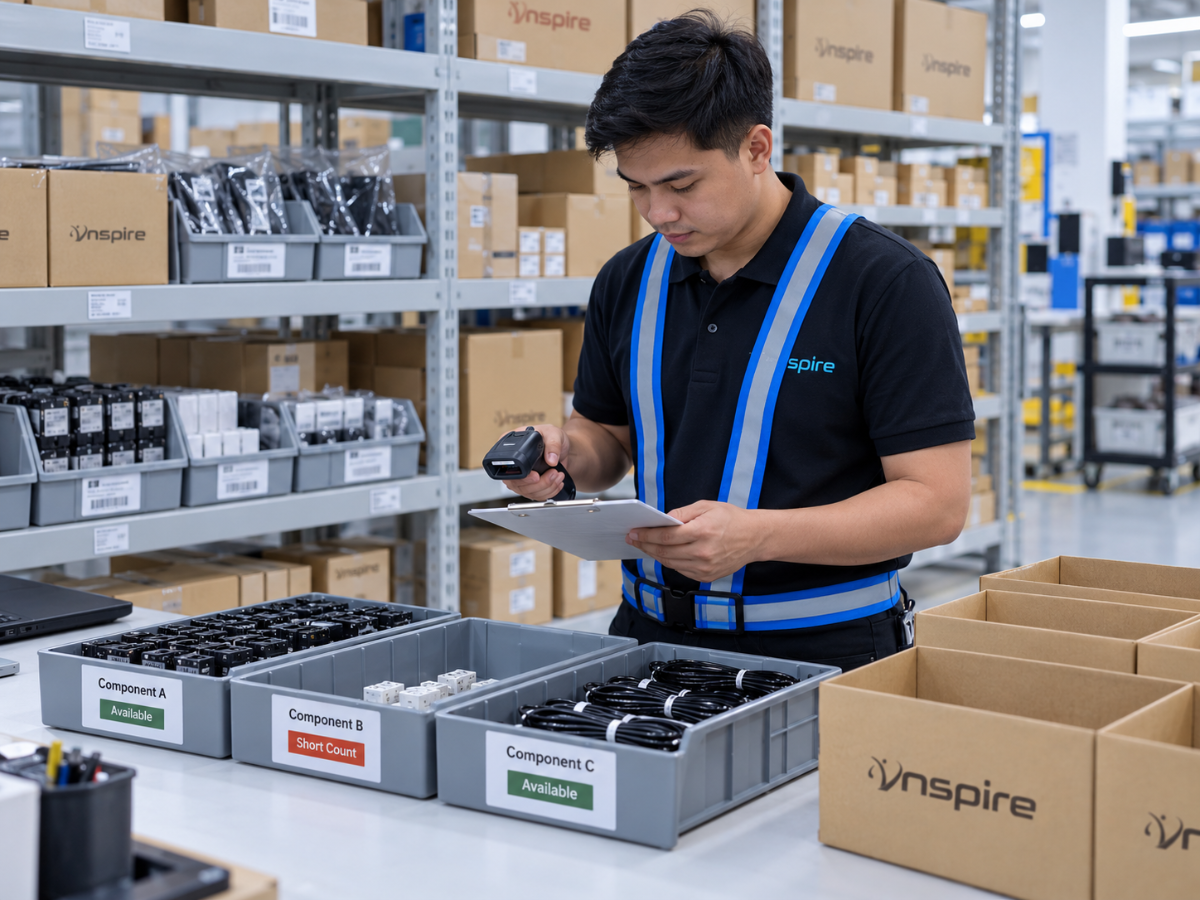
A kit depends on the availability of all its required components. If one item is unavailable, the warehouse may be unable to complete the entire kit even when the other products are in stock.
Maintaining records of kit components and finished kits helps businesses identify shortages and coordinate replenishment. Inventory systems should reflect how components are consumed during assembly so recorded quantities remain as accurate as possible.
Businesses can also review which components are used most frequently across different kits. This information can help with replenishment planning and inventory allocation.

Preassembled kits need designated storage locations and clear identification. Without proper organization, finished kits can become difficult to locate, particularly when a warehouse handles many product combinations.
Defined storage areas, labeling procedures, and inventory records help warehouse teams distinguish completed kits from individual components. These practices can also support smoother movement between storage, picking, and packing areas.
Kitting requires labor for assembly, inspection, labeling, and storage. However, preparing commonly ordered combinations in advance may reduce repeated handling later in the fulfillment process.
Businesses can assess which products are suitable for advance preparation by reviewing order frequency, seasonal demand, assembly time, and storage requirements.
The goal is not to prepare every possible combination. It is to identify kits that provide a practical operational benefit without creating unnecessary work or excess inventory.
Although kitting can simplify fulfillment, businesses need clear procedures to avoid creating new inventory and workflow problems.
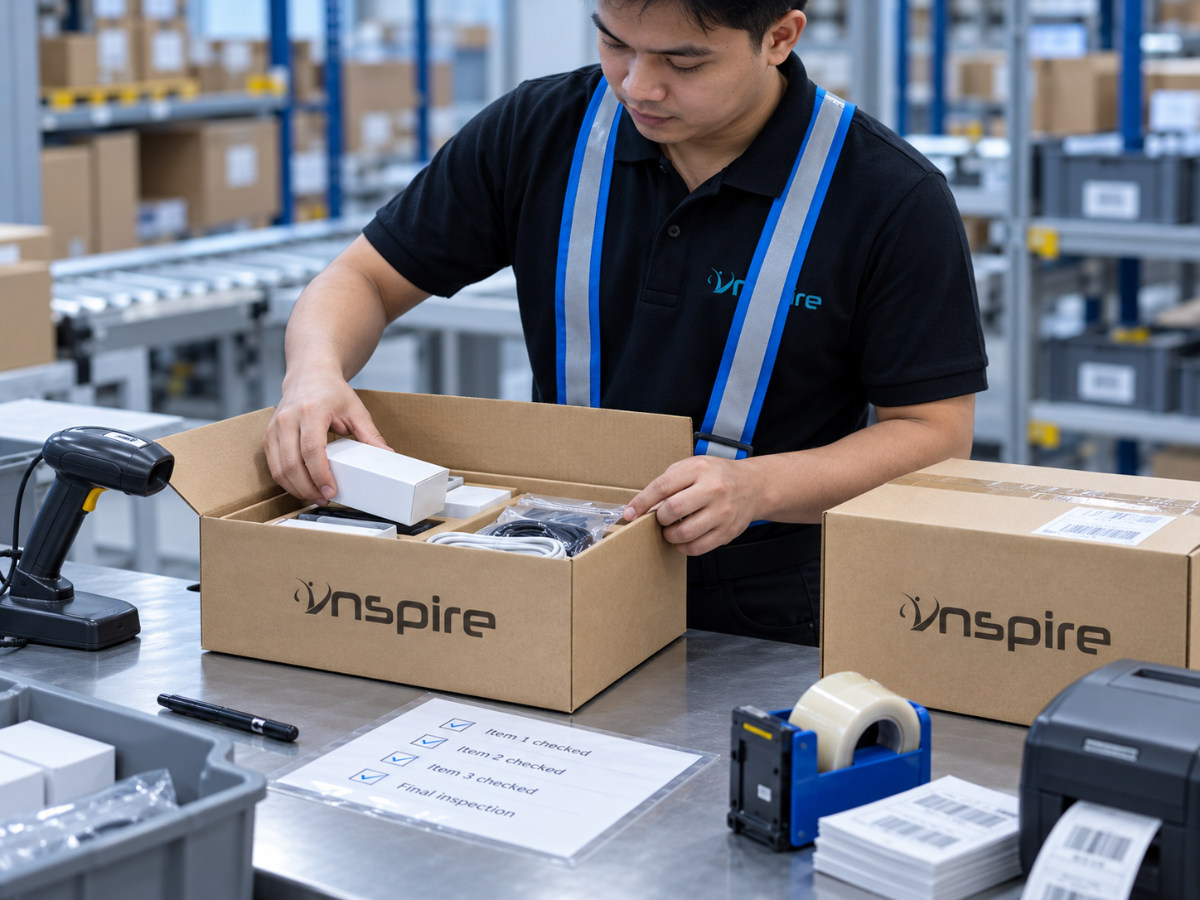
A kit may be incomplete if a component is unavailable or an employee selects the wrong item. Standardized assembly instructions, component checks, and final inspections can help prevent these issues.
Businesses should also establish procedures for handling damaged products and replacing incorrect components before a kit is approved for storage or shipment.
Assembling a kit changes the quantities of its individual components. If the inventory system does not record these movements correctly, stock records may no longer match the quantities physically available in the warehouse.
Inventory procedures should account for component consumption and finished-kit creation. Regular stock checks can help identify discrepancies and determine whether adjustments are necessary.
Preparing too many kits in advance can tie up storage space and capital, especially when demand changes or products have expiration dates.
Businesses can reduce this risk by reviewing sales patterns, monitoring kit demand, and adjusting preparation quantities when needed. Products with unpredictable demand may be better suited to assembly after an order is received.
Finished kits require storage space in addition to the space needed for individual components. Poor planning can create congestion and make products harder to retrieve.
A clear storage plan should account for kit dimensions, expected demand, handling requirements, and the movement of products through the warehouse.
Kitting works best when it is coordinated with the broader ecommerce fulfillment workflow. The process typically involves several stages.
The exact workflow varies by product type and business requirements. Some businesses may prepare kits in advance, while others assemble them after receiving an order.
For companies that outsource fulfillment, coordination between kitting, inventory tracking, and shipping procedures is particularly important. A consistent process helps the logistics provider and retailer maintain aligned stock records and order requirements.
Outsourcing may be worth considering when internal teams struggle to manage product assembly alongside regular warehouse tasks.
A business might evaluate external kitting support when:
A third-party logistics provider may offer kitting alongside storage, inventory management, picking, packing, and shipping. These combined services can reduce the need for a business to coordinate every fulfillment activity independently.
However, outsourcing is not automatically the most cost-effective choice. Businesses should compare service fees, storage requirements, preparation volumes, turnaround expectations, inventory controls, and the provider’s actual capabilities before making a decision.
When evaluating 3pl fulfillment services, ask how the provider tracks kit components, records assembled kits, handles shortages, verifies completed packages, and communicates inventory discrepancies. Clear answers can help determine whether the provider’s procedures fit the business’s operational needs.
Products that are commonly sold together, require additional preparation before shipping, or are part of recurring orders may be suitable for kitting. Examples include subscription boxes, promotional bundles, product sets, and packages that combine accessories with a main item.
It depends on order volume, demand patterns, storage capacity, and product requirements. Businesses with frequently ordered combinations may benefit from preparing kits in advance, while products with unpredictable demand may be better assembled after an order is placed.
Kitting changes how businesses track individual components and finished kits. Accurate inventory records are important to monitor component usage, maintain stock visibility, and prevent discrepancies between available products and completed kits.
Businesses should evaluate a provider’s experience with similar products, inventory tracking processes, assembly procedures, storage capabilities, and integration with existing fulfillment workflows. A suitable provider should be able to support the business’s specific kitting requirements.
Kitting can be useful for small ecommerce businesses that regularly sell bundles or experience time-consuming manual assembly tasks. However, businesses should consider order volume, product complexity, and operational needs to determine whether outsourcing or internal kitting is the better option.
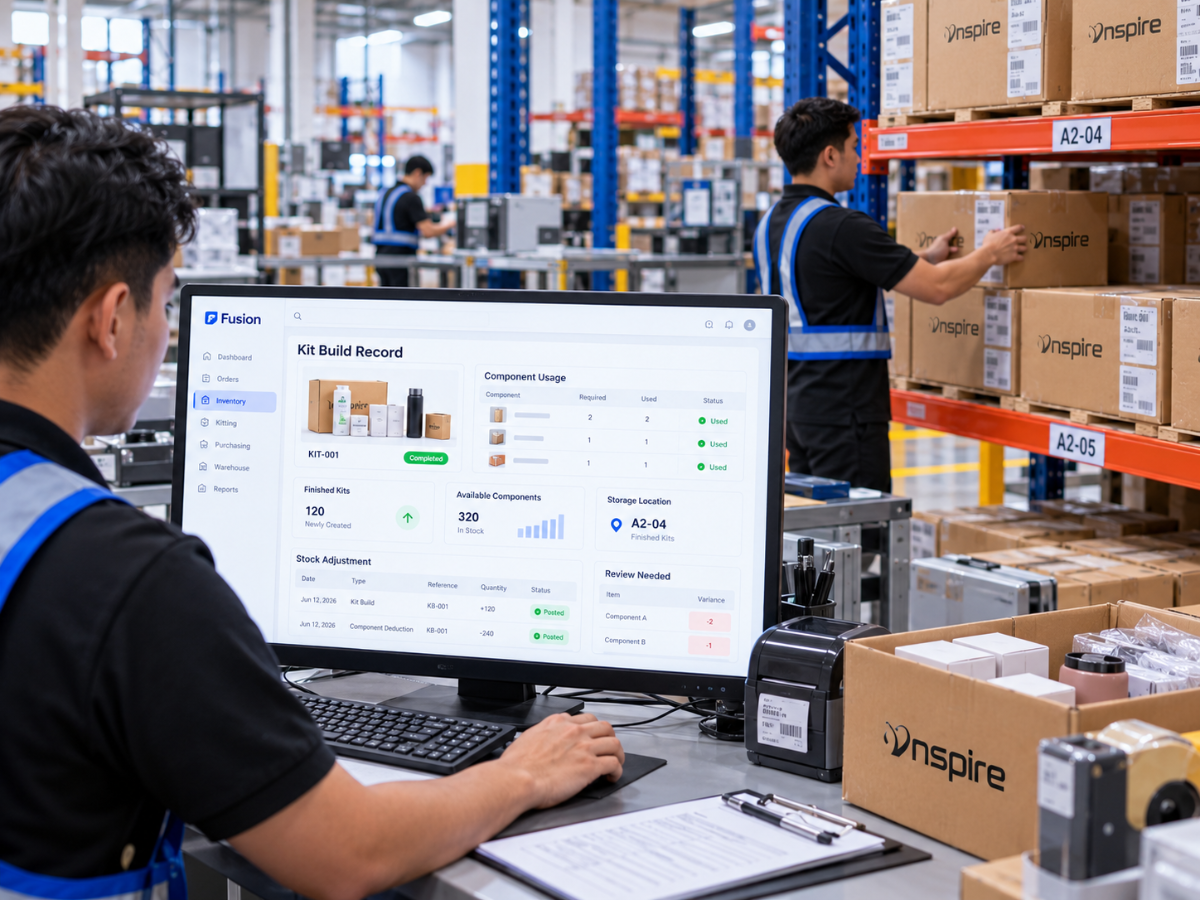
Kitting can make product bundles easier to manage, but its effectiveness depends on accurate inventory records and well-defined warehouse procedures. Businesses need to know which components are available, how finished kits are recorded, and where completed kits are stored.
Technology can support these processes by improving inventory visibility and helping teams coordinate warehouse activities. For example, an appropriate warehouse management system may help record stock movements, identify inventory discrepancies, and track the locations of products or kits, depending on its available features.
Businesses should also review their fulfillment workflows regularly. Monitoring assembly errors, stock discrepancies, preparation time, and demand patterns can reveal opportunities to improve efficiency.
For ecommerce companies managing growing order volumes, combining organized kitting processes with reliable inventory management and fulfillment support can help create smoother warehouse operations and more consistent order preparation.
Inspire E-Commerce Solutions Inc.
Warehouse 4 & 5, C Teknik Industrial, 143 P. Gregorio Street, Valenzuela,
1442 Metro Manila
inspiresolutions.asia
