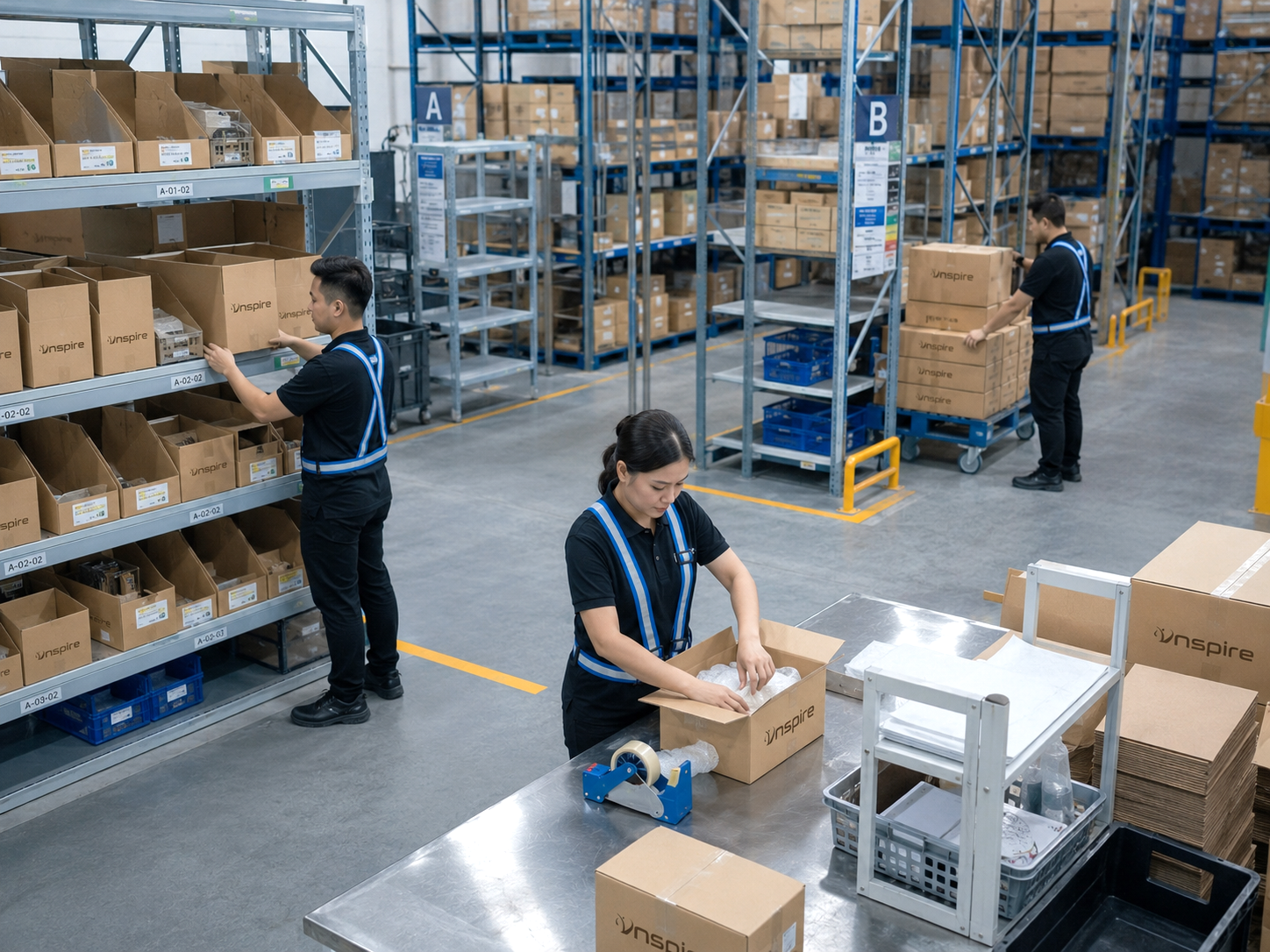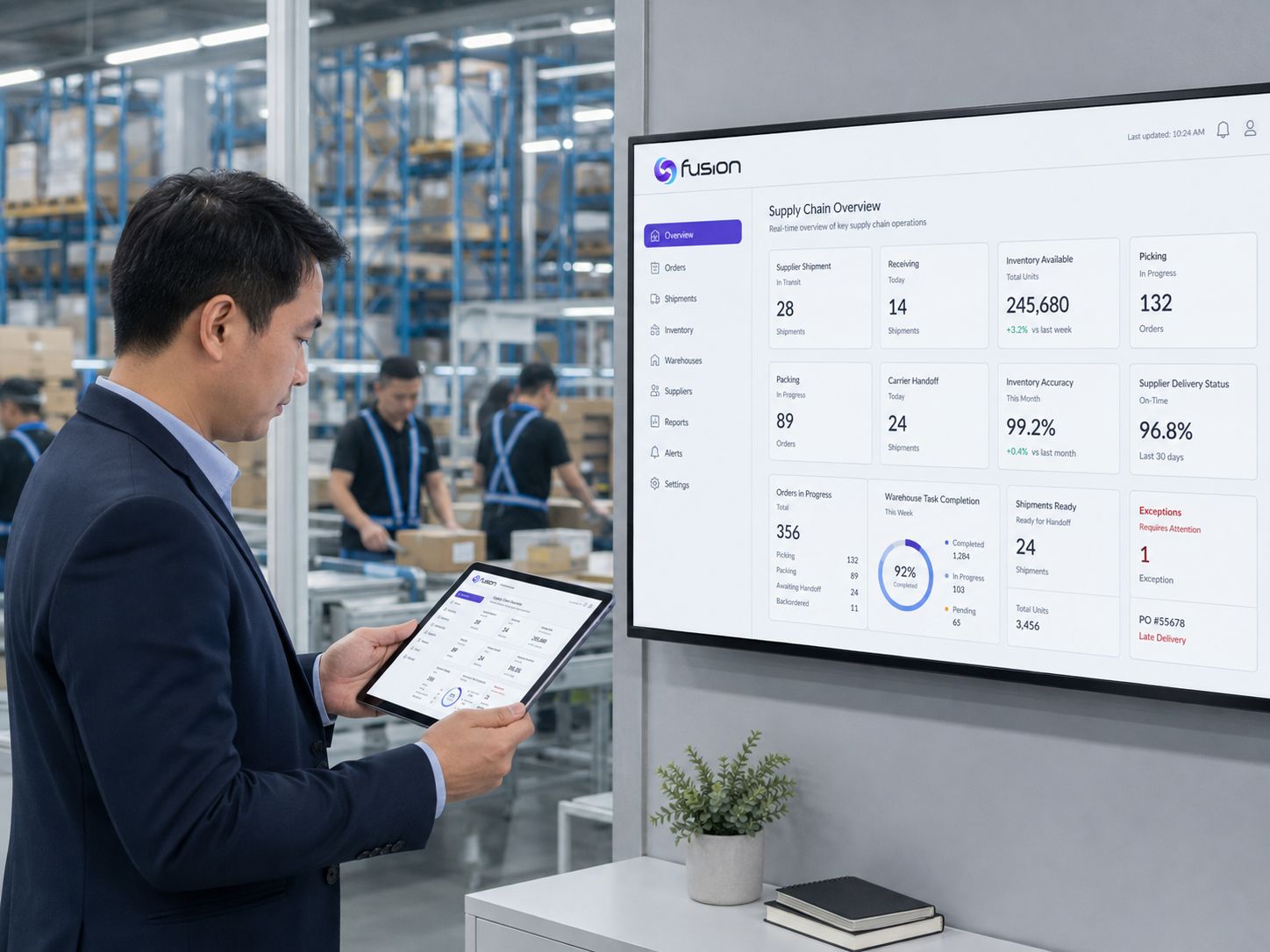
Supply chains have become increasingly complex as businesses manage more suppliers, warehouse locations, transportation partners, fulfillment activities, and sales channels. Maintaining smooth coordination across these areas requires more than manual processes or disconnected systems, especially when customers expect faster deliveries, accurate orders, and reliable service.
Businesses need access to accurate information to make timely decisions throughout the supply chain. From monitoring inventory movement to coordinating shipments and managing fulfillment activities, every stage depends on effective communication and reliable data. Without proper visibility and coordination, small delays can create larger challenges that affect productivity and customer satisfaction.
Supply chain technology helps organizations create a more structured approach by connecting important processes across inventory, warehousing, logistics, procurement, and fulfillment. By improving information flow and reducing operational gaps, technology allows teams to work more efficiently while maintaining better control over daily activities.
With the right technology in place, businesses can strengthen supply chain performance, adapt to changing market conditions, and create a stronger foundation for long-term competitiveness.
Supply chains involve far more than moving products from one location to another. Every shipment, inventory movement, supplier transaction, warehouse activity, and customer order contributes to a larger network of interconnected business processes. Coordinating these activities efficiently requires reliable technology that supports communication, data sharing, and operational visibility across the entire organization.
As businesses expand, supply chains often become more complex. Additional suppliers, warehouse locations, ecommerce platforms, and transportation partners increase the amount of information that must be managed every day. Without integrated technology, teams may rely on separate systems that create duplicate work, inconsistent information, and slower decision-making.
Supply chain technology helps solve these challenges by connecting critical business functions into a more unified ecosystem. Information can move more efficiently between departments, allowing teams to coordinate activities with greater accuracy while reducing delays caused by disconnected workflows.
Rather than replacing people, technology supports employees by providing timely information, automating repetitive processes, and improving collaboration throughout the supply chain. This enables businesses to operate more efficiently while maintaining greater control over increasingly complex operations.
As businesses grow, supply chain operations become more complex. Expanding product catalogs, multiple sales channels, additional suppliers, and increasing customer expectations require organizations to manage more information while maintaining efficient operations.
Many businesses are investing in supply chain technology to improve coordination, reduce manual processes, and create better visibility across purchasing, inventory, warehousing, and fulfillment activities. Instead of relying on disconnected systems, technology helps teams access more consistent information and make better operational decisions.
Growing businesses often manage multiple suppliers, warehouse locations, and distribution channels. Without connected systems, maintaining accurate information and coordinating daily activities can become more challenging.
Supply chain technology helps bring important operational data together, allowing teams to manage inventory movement, purchasing activities, and fulfillment processes more efficiently.
Customers increasingly expect accurate product availability, reliable order updates, and consistent delivery experiences. Meeting these expectations requires better communication between teams involved in the supply chain.
Technology improves information flow across departments, helping businesses respond faster and maintain smoother order fulfillment processes.
As organizations expand, their supply chain requirements also change. New products, additional locations, and higher order volumes require systems that can support growth without creating unnecessary complexity.
By improving coordination and scalability, supply chain technology helps businesses maintain operational control while adapting to future opportunities.
Technology creates the greatest impact when it improves the way different parts of the supply chain work together. Instead of treating procurement, warehousing, logistics, inventory, and fulfillment as separate functions, modern systems help create a more coordinated environment where information flows efficiently across the business.
This connected approach allows organizations to respond more quickly to changing business conditions, improve collaboration between departments, and support better decision-making throughout daily operations.
Effective supply chain management depends on the ability to coordinate multiple business activities while maintaining visibility into every stage of product movement. Purchasing teams, warehouse personnel, logistics providers, and customer service representatives all rely on accurate information to perform their responsibilities efficiently.
Technology helps bring these functions together by creating a centralized environment where operational data can be accessed and shared more consistently. Instead of relying on separate spreadsheets or disconnected software platforms, businesses can monitor key activities through integrated systems that improve communication and coordination.
Better supply chain management also supports more informed planning. With greater visibility into supplier performance, inventory movement, and fulfillment activities, businesses can identify opportunities to improve workflows while reducing operational bottlenecks that affect productivity.
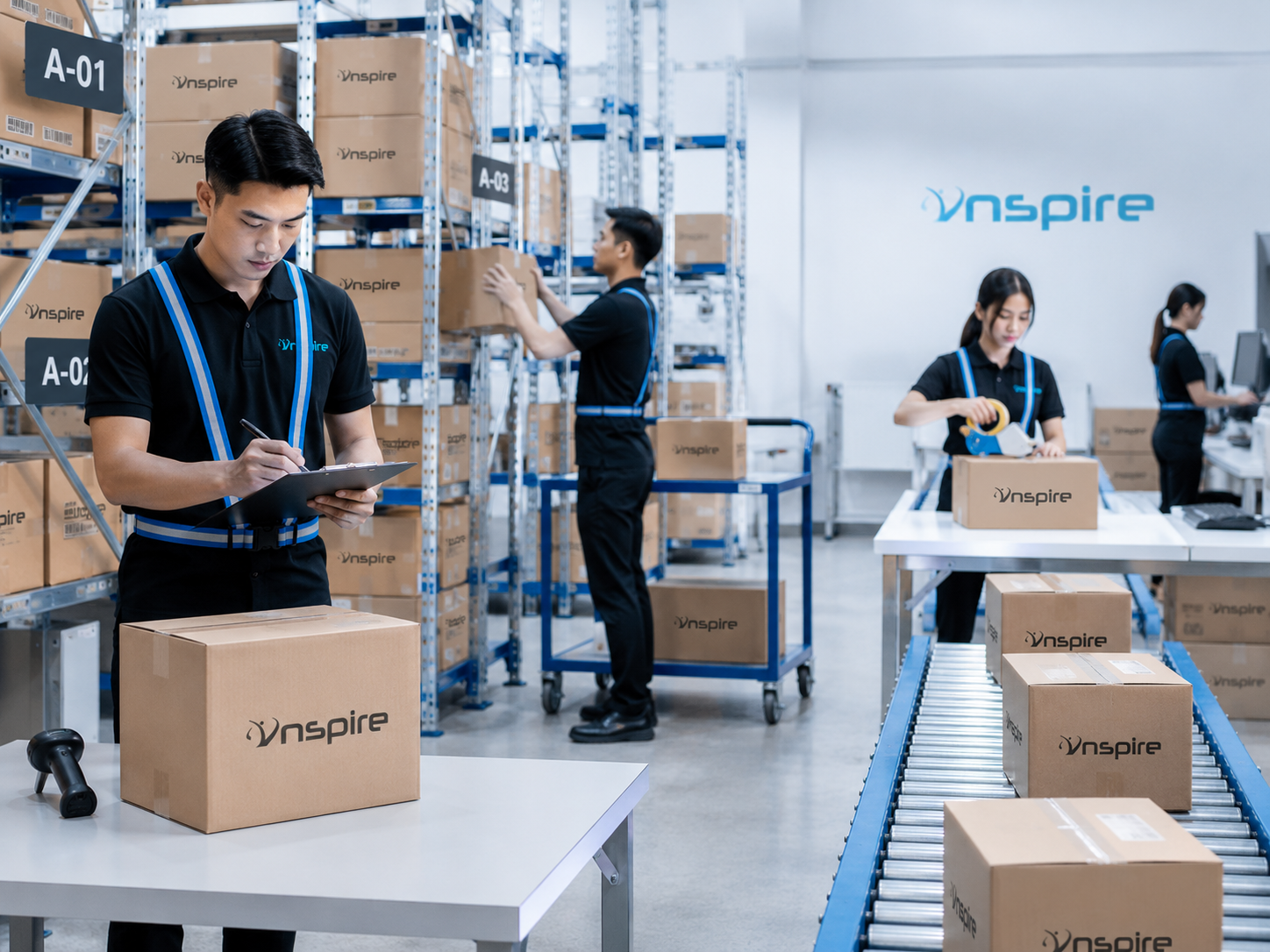
Modern warehouse technology plays an important role in supporting efficient supply chain performance. Warehouse operations involve much more than storing inventory. Receiving products, organizing storage locations, picking customer orders, packing shipments, and preparing deliveries all require accurate information and coordinated workflows.
Technology helps warehouse teams perform these responsibilities more efficiently by improving inventory tracking, streamlining warehouse processes, and providing greater visibility into daily activities. Access to current operational information allows employees to locate products more quickly, prioritize tasks effectively, and reduce unnecessary delays during order preparation.
As warehouse operations become increasingly integrated with other business systems, technology also helps improve communication between inventory management, order processing, and fulfillment activities, creating a more consistent workflow across the entire supply chain.
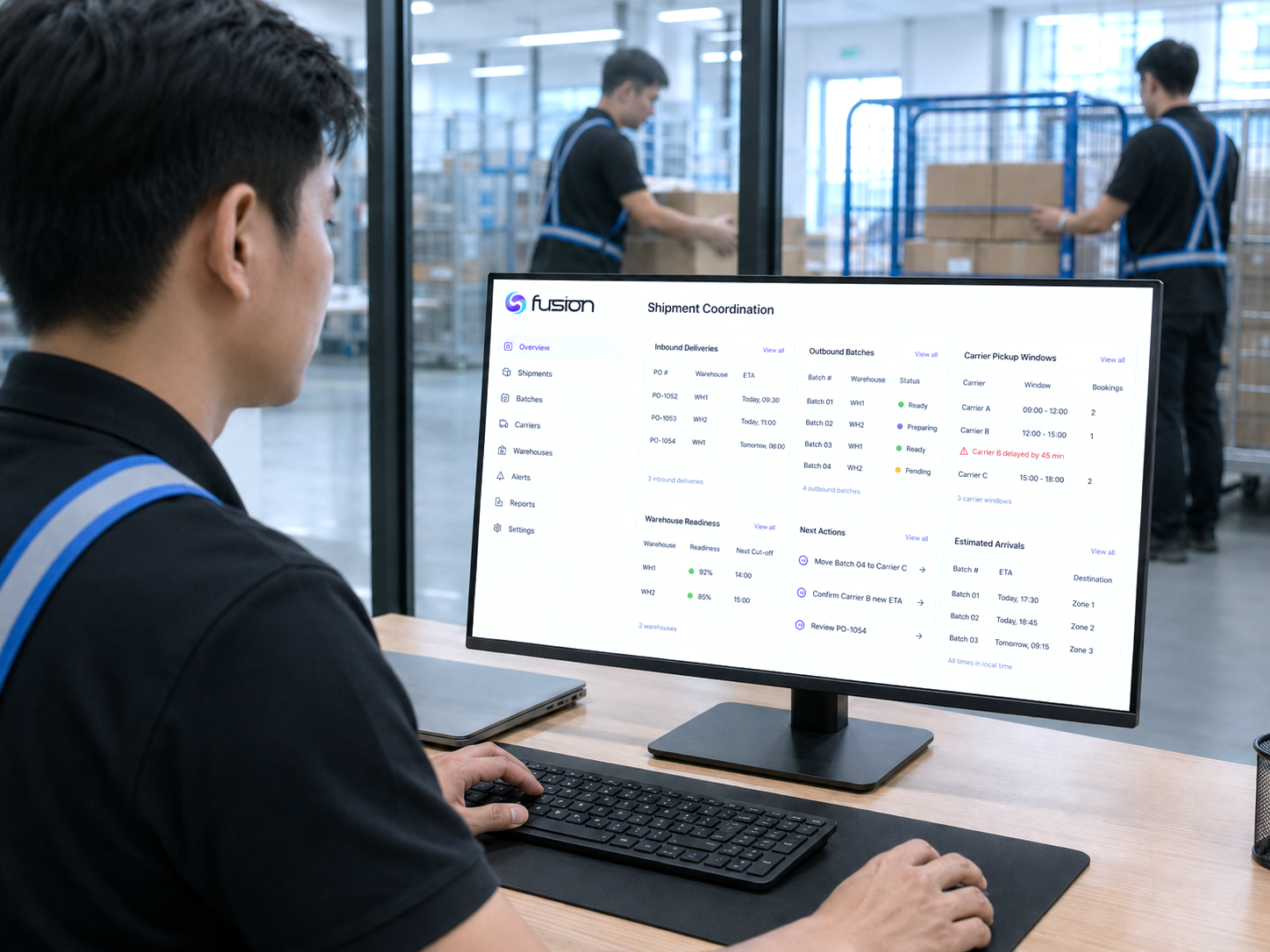
Efficient product movement requires coordination between suppliers, warehouses, transportation providers, and customers. Logistics technology helps businesses manage shipments, track delivery progress, and improve communication throughout the transportation process.
By providing more accurate shipment information, businesses can coordinate incoming inventory, respond faster to delivery changes, and improve collaboration with logistics partners. This supports more reliable fulfillment while helping businesses maintain better customer experiences.
A digital supply chain connects different business systems so information can move more efficiently across purchasing, inventory, warehousing, logistics, and fulfillment activities.
Instead of relying on disconnected platforms, businesses can use integrated technology to create a more unified view of supply chain operations. This improves coordination between departments, reduces information gaps, and allows teams to make decisions using more reliable data.
Supply chain visibility allows businesses to better understand inventory movement, supplier activity, shipments, and fulfillment performance. With access to more accurate information, organizations can identify potential issues earlier and make more informed decisions.
Improved visibility also helps teams work from consistent data, reducing communication gaps and supporting stronger coordination across the supply chain.
As supply chains become more complex, manual processes can slow operations and increase the risk of errors. Supply chain automation helps businesses streamline repetitive tasks such as inventory updates, reporting, notifications, and workflow management.
By reducing manual effort, automation allows teams to focus on higher-value activities while maintaining more consistent processes. Combined with connected systems, automation helps businesses improve efficiency and adapt to changing operational needs.
Supply chain activities generate valuable information from inventory movement, supplier performance, warehouse operations, transportation, and customer orders. The ability to organize and use this information effectively helps businesses make more informed decisions.
Supply chain technology allows organizations to bring operational data together into clearer reports and more reliable information. Instead of relying on disconnected sources, teams can evaluate performance using consistent data across different areas of the business.
Better access to supply chain information also supports proactive decision-making. Businesses can identify trends, address potential issues earlier, and adjust operations based on current performance.
With improved data visibility, purchasing teams can evaluate suppliers, warehouse teams can monitor inventory activity, logistics teams can review transportation performance, and leaders can make decisions that support long-term business goals.
Even well-established businesses encounter challenges as supply chains become more complex. Managing suppliers, warehouses, transportation providers, and fulfillment activities across multiple locations requires constant coordination. Without the right technology, these challenges can affect productivity, customer satisfaction, and overall business performance.
Modern supply chain technology helps businesses address many of these common obstacles by improving communication, increasing visibility, and creating more efficient workflows throughout daily operations.
When departments rely on separate systems, information often remains isolated within individual teams. Purchasing, warehousing, logistics, and customer service may each maintain different records, making it difficult to establish a consistent view of supply chain activities.
Integrated technology allows information to move more freely across the organization, helping departments collaborate more effectively while reducing duplicate work and inconsistent reporting.
Successful supply chains depend on multiple teams working toward the same objective. Delays in communication between departments can affect purchasing decisions, warehouse scheduling, shipment planning, and customer support.
Technology creates a shared operational environment where employees have access to consistent information. This improves communication, reduces misunderstandings, and allows teams to respond more quickly to changing business requirements.
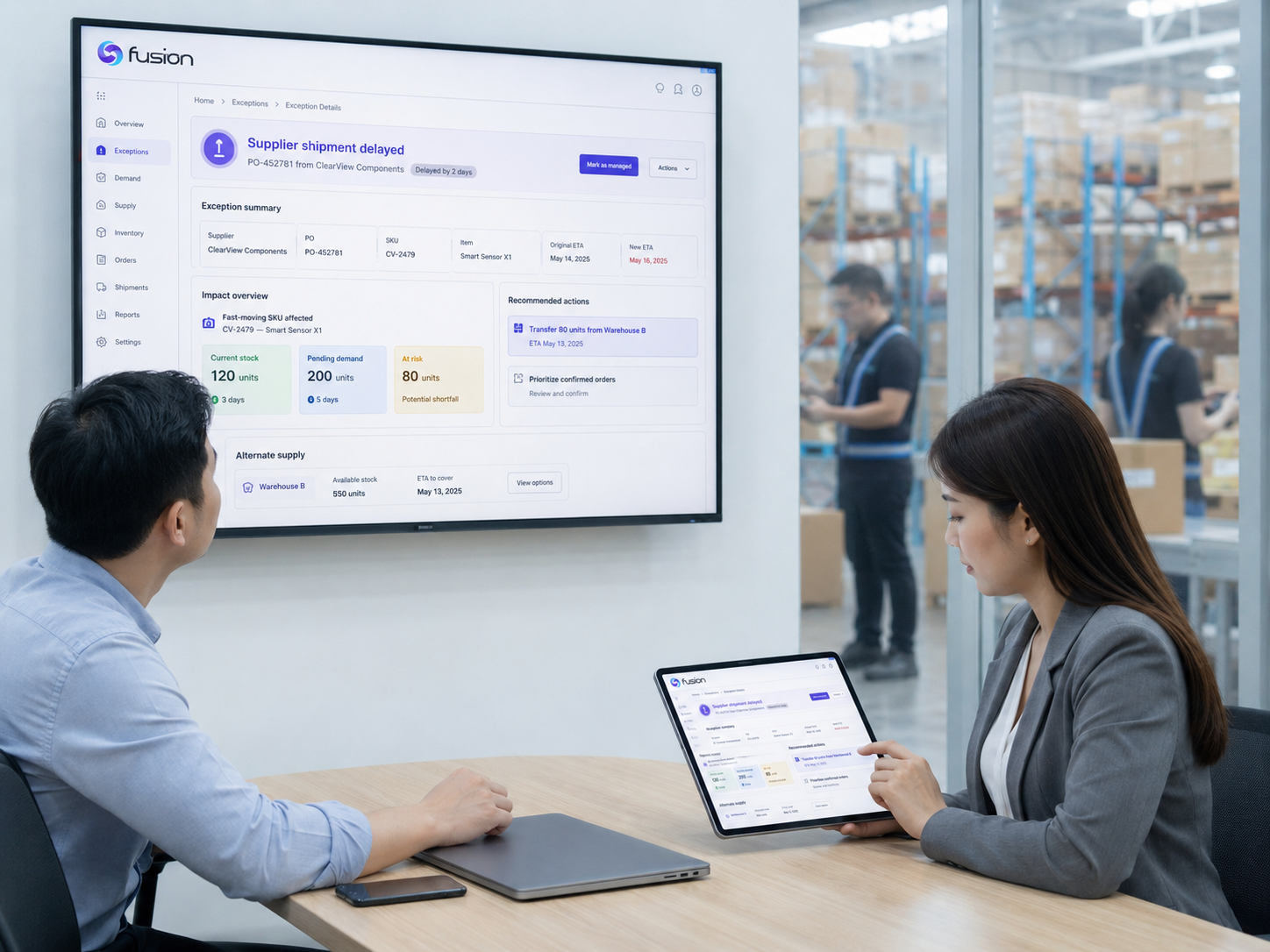
Unexpected events such as supplier delays, transportation disruptions, changes in customer demand, or inventory shortages can affect daily operations with little warning.
Businesses supported by integrated technology are often better prepared to respond because decision-makers have access to current operational information. This allows organizations to adjust workflows, reallocate resources, and communicate updates more efficiently while minimizing disruption across the supply chain.
Business conditions continue to change as customer expectations, supplier networks, and market demands evolve. Businesses need supply chain processes that can adjust without creating unnecessary disruption.
Supply chain technology helps organizations build flexibility by providing connected systems, reliable information, and scalable processes. Whether managing additional suppliers, expanding warehouse operations, or entering new markets, technology allows businesses to adapt more efficiently.
With better visibility into supply chain performance, organizations can identify changes earlier, adjust strategies faster, and maintain more consistent operations as business requirements grow.
Supply chain technology provides businesses with the foundation needed to manage complexity, improve coordination, and support future growth. By connecting inventory, warehousing, logistics, and fulfillment activities, organizations can create more efficient processes from suppliers to customers.
Technology also supports continuous improvement by helping teams evaluate performance, identify opportunities, and make better strategic decisions. Businesses with connected and adaptable supply chain systems are better prepared to handle increasing demands while maintaining operational consistency.
Ultimately, technology creates a competitive advantage by helping organizations improve control, flexibility, and decision-making across the supply chain.
Modern supply chains require more than individual solutions for inventory, warehousing, or logistics. Businesses need connected systems that allow information to move efficiently across every stage of their operations. As ecommerce continues to expand and customer expectations increase, having the right technology in place has become an important factor in maintaining consistency and competitiveness.
Supply chain technology helps organizations improve coordination between departments, increase visibility, automate repetitive processes, and make more informed decisions. From improving supply chain management to supporting warehouse technology, logistics technology, and supply chain automation, these solutions provide businesses with the tools needed to manage increasingly complex environments.
By building a more integrated and adaptable supply chain, companies can respond more effectively to operational challenges while creating better experiences for customers and partners. Technology does not simply improve individual processes; it helps businesses create a stronger foundation for long-term performance.
For ecommerce businesses looking to improve their supply chain capabilities, investing in the right technology solutions can provide the flexibility and control needed to remain competitive in an evolving marketplace.
Inspire E-Commerce Solutions Inc.
Warehouse 4 & 5, C Teknik Industrial, 143 P. Gregorio Street, Valenzuela,
1442 Metro Manila
inspiresolutions.asia