
Efficient warehouse operations help ecommerce businesses manage inventory, coordinate daily activities, and prepare orders for shipment. As product ranges expand and order volumes change, warehouse teams need clear procedures to keep stock organized and ensure that each stage of fulfillment runs smoothly. Without consistent processes, businesses may experience delays, misplaced inventory, unnecessary handling, and increased operating costs.
Warehouse operations management involves coordinating the people, processes, inventory, and technology used throughout a warehouse. Reviewing how goods move from receiving to dispatch can help businesses identify bottlenecks, improve resource allocation, and maintain better visibility over stock and daily activities. The goal is to create reliable workflows that support current demand while allowing operations to adapt as the business grows.
These activities involve coordinating and overseeing the processes used to receive, store, handle, and dispatch goods. They also include maintaining inventory records, assigning tasks, organizing storage areas, establishing procedures, and monitoring operational performance.
An effective warehouse process establishes how each activity should be completed and how information should move between teams. For example, receiving staff must record incoming stock correctly so inventory information remains reliable for storage and later order processing. Picking and packing teams then depend on accurate product records and clear instructions to prepare shipments.
For ecommerce businesses, these activities also need to align with incoming orders, stock availability, and dispatch schedules. Consistent coordination helps warehouse teams manage changing workloads without relying entirely on manual communication or individual workarounds.
Warehouse operations influence how efficiently a business uses its space, labor, equipment, and inventory. Poorly coordinated activities can create additional work at several stages, while consistent procedures make daily tasks easier to manage.

Organized storage helps employees locate products and use available space more effectively. Businesses can review product dimensions, picking frequency, handling requirements, and replenishment needs when deciding where items should be stored.
Frequently picked products may benefit from accessible locations, while items requiring special handling may need designated storage areas. The best arrangement depends on the product range, facility layout, safety requirements, and order patterns.
Inventory records need to reflect goods received, moved, picked, returned, damaged, and dispatched. If transactions are missed or recorded late, system quantities may no longer match the physical stock available in the warehouse.
Clear procedures for recording stock movements, investigating discrepancies, and updating product locations help maintain dependable inventory information. This supports replenishment planning and reduces uncertainty when staff needs to locate products.
Warehouse activities depend on one another. Delays during receiving can affect put-away, while poorly organized storage can slow picking and packing. Reviewing the entire workflow helps managers identify where one activity creates problems for the next.
Clear task assignments, standardized procedures, and coordination between teams can help reduce unnecessary movement and repeated work.
Ecommerce order volumes can fluctuate during promotions, seasonal periods, and product launches. Warehouse teams need to understand their available space, labor capacity, and processing requirements to plan for these changes.
Reviewing demand patterns and operational performance helps managers identify when additional resources, revised schedules, or process adjustments may be needed.
A warehouse consists of connected activities rather than isolated tasks. Each stage should have clear procedures and accurate records so goods can move through the facility in an organized manner.

Receiving begins when goods arrive at the warehouse. Staff check incoming shipments against purchase orders, delivery documents, or other relevant records to confirm product identity and quantities.
They should also identify visible damage, missing items, or discrepancies and record these issues according to established procedures. Accurate receiving records provide the starting point for inventory tracking and help prevent incorrect stock information from affecting later activities.
After receiving, products are moved to designated storage locations. Put-away procedures should identify where each item belongs and ensure that its location is recorded correctly.
Storage decisions may consider product dimensions, weight, handling requirements, turnover, and picking frequency. Clear location labels and organized storage arrangements help staff retrieve items and return stock to the correct areas.
Inventory tracking helps warehouse teams maintain accurate stock records, monitor product availability, and identify when replenishment is needed. Effective inventory management supports better stock visibility and helps staff coordinate storage, replenishment, and order processing.
Regularly updating inventory records after receiving, moving, picking, or dispatching products helps reduce discrepancies and keeps stock information reliable. Clear replenishment procedures also help teams identify potential shortages and maintain suitable inventory levels based on demand and operational needs.
Picking involves selecting the products and quantities required for an order. Employees rely on clear order information, correct storage locations, and consistent picking procedures to complete this task.
Packing follows picking and includes checking the selected items, choosing suitable packaging, and preparing the shipment. Verification steps can help identify missing products, incorrect quantities, or other discrepancies before the package leaves the warehouse.
The right picking and packing procedures depend on order volume, product characteristics, staffing, and the systems available.
Dispatch prepares completed orders for collection or transfer to a carrier. Staff may need to verify shipping labels, group shipments by carrier or collection schedule, and update order records when goods leave the facility.
Coordination between packing, dispatch, and transportation teams helps reduce avoidable delays. Accurate dispatch records also support shipment tracking and make it easier to investigate questions about outgoing orders.
Even established warehouses can encounter problems when processes, information, and resources are not well coordinated.
Missing transactions, delayed updates, and incorrect product details can create differences between recorded stock and physical inventory. Regular checks and clear responsibility for updating records help businesses identify and resolve discrepancies.
Unclear labels, inconsistent storage rules, and unsuitable product placement can increase search time and unnecessary movement. Reviewing location assignments and keeping storage areas organized can make products easier to find.

A backlog in receiving, put-away, picking, or packing can affect the rest of the workflow. Managers should examine where work accumulates, what causes the delay, and whether staffing, scheduling, equipment, or procedures contribute to the problem.
Promotions, seasonal demand, and changing product ranges can put pressure on warehouse resources. Planning around expected demand and reviewing available capacity can help teams prepare for busy periods.
When employees follow different methods for the same task, results may vary between shifts or teams. Documented procedures, practical training, and periodic reviews help establish more consistent ways of working.
Improving warehouse performance requires regular attention to procedures, resources, and the information used to make decisions.
Document the steps involved in receiving, put-away, picking, packing, dispatch, and inventory adjustments. Procedures should clearly explain what staff need to do, what information to record, and how to handle exceptions.
Review these instructions when product ranges, equipment, or operating requirements change. Staff should also receive training so procedures are understood and applied consistently.
Evaluate storage locations based on product characteristics, movement frequency, replenishment needs, and safety requirements. Review the arrangement periodically to identify products that are difficult to access or that create unnecessary movement.
Storage changes should be reflected in inventory records so employees can locate stock reliably.
Record stock movements as they occur, including receipts, transfers, picks, returns, and adjustments. Use regular cycle counts or other appropriate checks to compare recorded quantities with physical stock.
Investigate recurring differences rather than correcting quantities without understanding the cause. This helps address underlying issues such as missed transactions, unclear procedures, or incorrect product identification.
Managers need consistent information to understand how warehouse activities are performing. Useful metrics may include:
Metrics should have clear definitions and consistent reporting periods. Managers can then compare results over time, identify recurring problems, and prioritize improvements based on operational impact.
Warehouse managers should align staffing, equipment, space, and work schedules with expected demand. Regular communication between receiving, inventory, picking, packing, and dispatch teams helps surface problems before they affect other activities.
When reviewing capacity, consider both average demand and periods of higher activity. Plans should also account for exceptions such as damaged goods, missing stock, or equipment downtime.
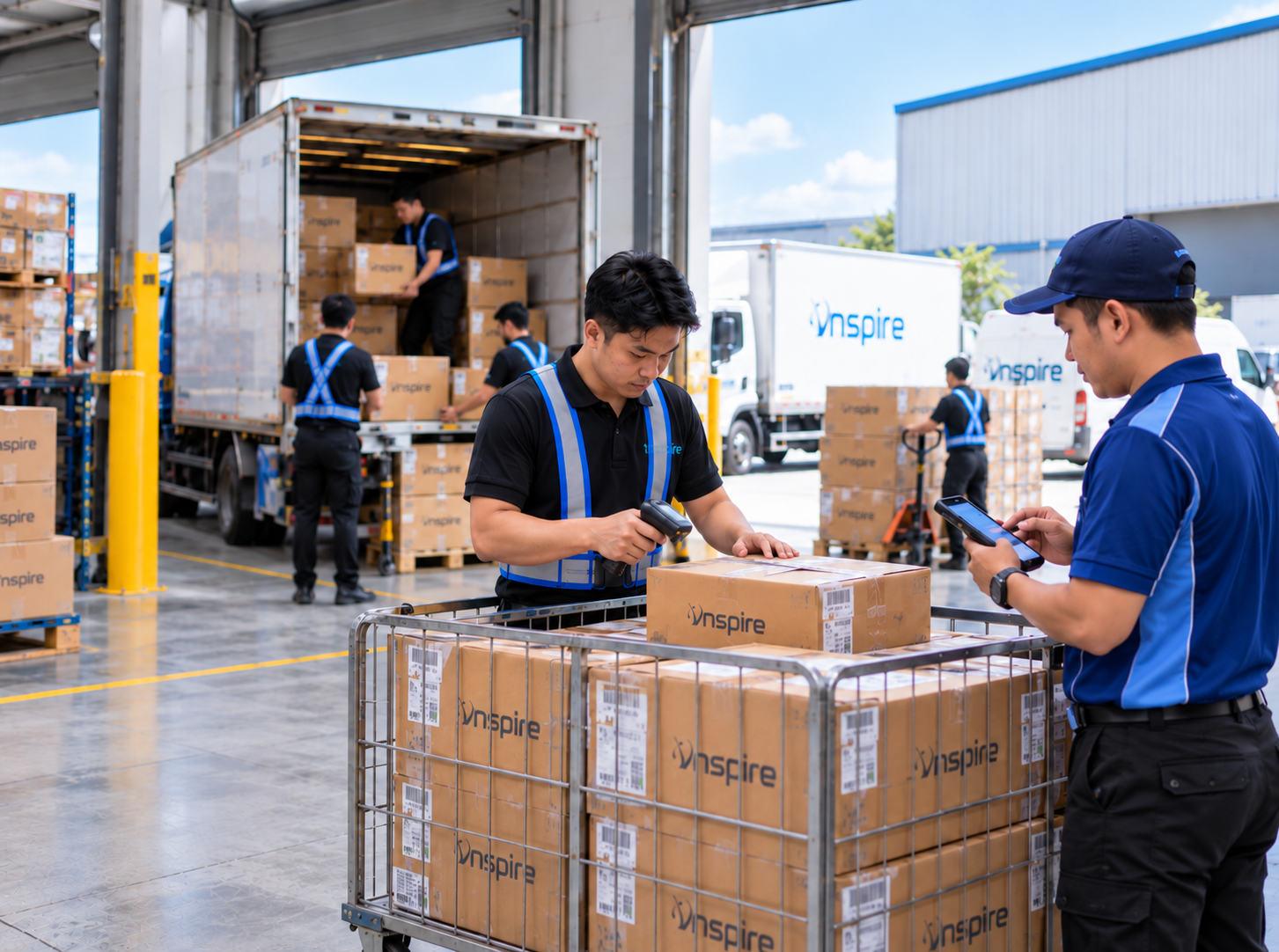
A warehouse management system can help coordinate warehouse activities by maintaining inventory records, supporting task assignment, and recording stock movements. Depending on its features and configuration, it may provide information about product locations, inventory quantities, picking tasks, and order status.
For example, a system that supports barcode scanning can help employees verify product identifiers during receiving, picking, or stock transfers. Timely transaction updates can also improve visibility into inventory availability and help staff investigate discrepancies.
A warehouse management system is not a substitute for sound procedures. Its effectiveness depends on accurate product data, suitable configuration, staff training, and consistent use. Businesses should assess their operational requirements before selecting technology and confirm that its capabilities match the tasks they need to manage.
Integration with ecommerce platforms or order management systems may also reduce repeated data entry and help information move between business systems. However, the benefits depend on the quality of the integration, how exceptions are handled, and whether teams maintain reliable records.
Warehouse and logistics activities are closely connected, but they cover different parts of the movement and handling of goods. Warehousing focuses on receiving, storing, tracking, and preparing products, while logistics management coordinates the broader movement of goods, including transportation, distribution, and related information.
For ecommerce businesses, the two functions need to work together. Warehouse teams prepare shipments according to order requirements and dispatch schedules, while logistics teams coordinate carrier arrangements and delivery movements. Delays or inaccurate information at either stage can affect the overall shipment process.
Effective coordination may include sharing shipment schedules, confirming order readiness, maintaining accurate dispatch records, and communicating delays or exceptions. Businesses should define responsibilities clearly so warehouse staff and logistics partners understand when information needs updating and when action is required.
When warehouse and logistics processes are coordinated, businesses have a clearer view of how products move from storage to dispatch and onward delivery.
Some businesses manage their warehouses internally, while others work with a third-party provider when operational requirements become more difficult to manage. External warehousing support may be worth evaluating when a business has limited storage capacity, fluctuating order volumes, increasing staffing demands, or a need to coordinate storage with ecommerce fulfillment.
Before selecting a provider, businesses should review the services offered, available capacity, inventory visibility, technology compatibility, handling requirements, and reporting processes. They should also clarify how responsibilities are divided for receiving, stock discrepancies, order preparation, dispatch, and exception handling.
A provider’s suitability depends on the business’s product range, order volume, service expectations, and integration requirements. Businesses should confirm which services are included rather than assuming every provider offers the same capabilities.
Discussing operational requirements with a potential provider can help businesses determine whether external warehousing support fits their needs and operational goals.
Warehouse management generally covers the oversight of warehouse resources, inventory, and performance. Daily warehouse operations focus on coordinating activities and the processes that move goods through the facility. The terms overlap and may be used differently between businesses.
Common processes include receiving, inspection, put-away, storage, inventory tracking, replenishment, picking, packing, and dispatch. The exact workflow depends on the facility, product range, order requirements, and services provided.
Businesses can review storage arrangements, standardize procedures, maintain reliable inventory records, monitor performance metrics, and address recurring bottlenecks. Improvements should be based on operational data and the specific causes of delays or unnecessary work.
Not every warehouse needs the same level of technology. The decision depends on inventory complexity, transaction volume, operational requirements, and available resources. Businesses should compare their needs with the capabilities and costs of potential systems before deciding.
Warehouse activities determine when goods are received, prepared, and made available for dispatch. Accurate records, reliable shipment preparation, and clear communication help logistics teams coordinate collections and transportation more effectively.
Effective warehouse operations management depends on clear procedures, reliable inventory information, coordinated teams, and regular performance reviews. Businesses can improve daily workflows by understanding how each warehouse activity affects the next, addressing recurring bottlenecks, and ensuring that employees have the information and resources they need.
As operational demands change, reviewing warehouse processes and technology can help businesses identify suitable improvements. The right combination of internal procedures, system capabilities, and warehousing support should reflect the company’s products, order volumes, and operational requirements.
Inspire E-Commerce Solutions Inc.
Warehouse 4 & 5, C Teknik Industrial, 143 P. Gregorio Street, Valenzuela,
1442 Metro Manila
inspiresolutions.asia
