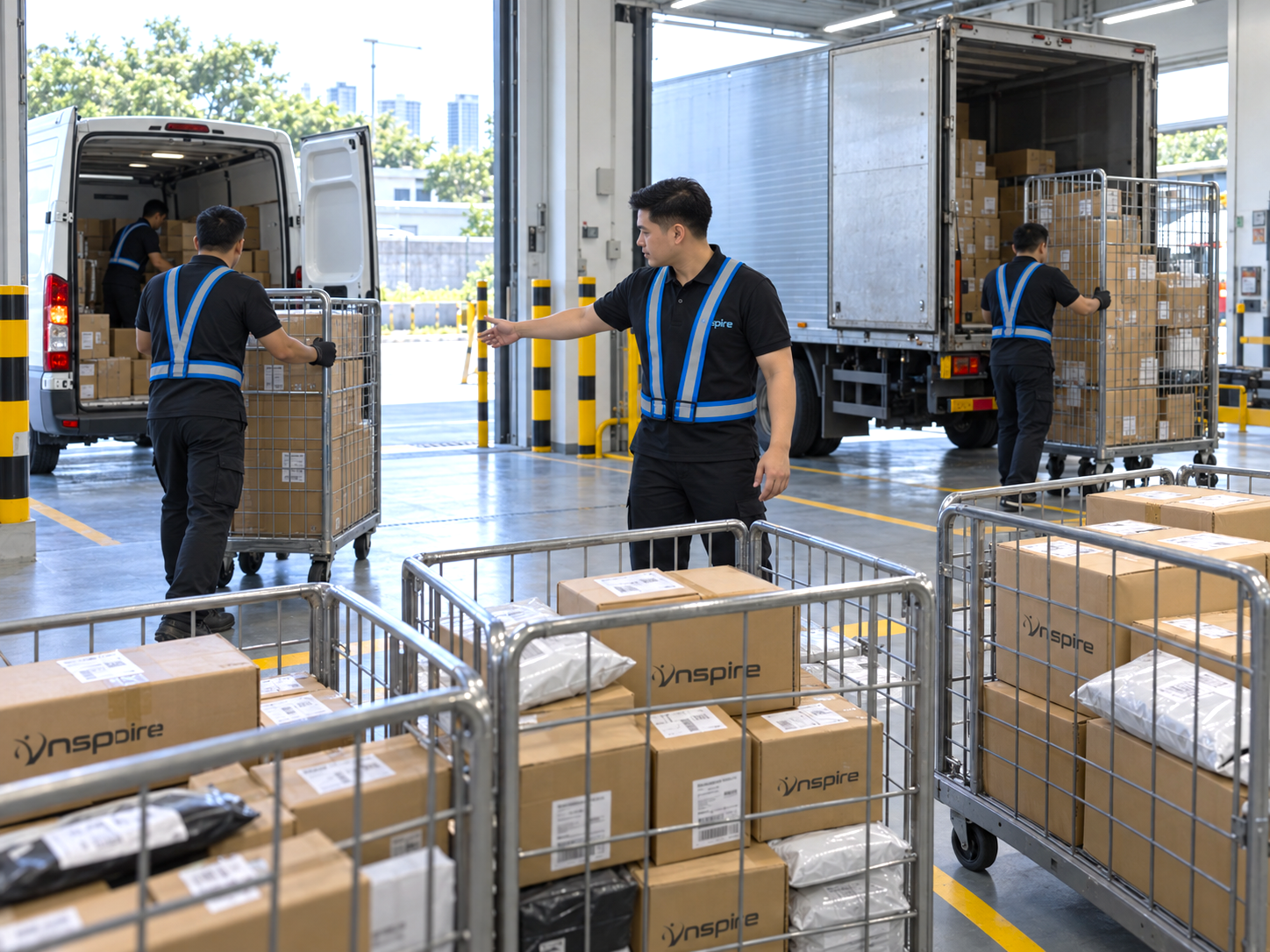
Running an online business involves more than attracting customers and processing orders. Products must also reach buyers on time, in good condition, and at a reasonable cost. Without a reliable shipping setup, delivery delays, unexpected charges, and failed delivery attempts can affect customer satisfaction and repeat purchases.
Choosing the right ecommerce shipping solutions helps Philippine online businesses coordinate deliveries, manage expenses, and provide customers with suitable shipping options. The right setup depends on factors such as delivery destinations, order volume, product requirements, and the logistics services available to the business.
Understanding these factors can help online sellers select shipping services that support their operations as they grow.
Ecommerce shipping solutions include the services, logistics partners, and processes businesses use to move online orders from dispatch to the customer’s address. Depending on the business, these solutions may involve courier partnerships, delivery coordination, shipment tracking, shipping rate management, and returns handling.
For Philippine online sellers, shipping requirements can vary considerably. A business serving customers within Metro Manila may need fast local delivery, while a seller shipping nationwide must account for longer transit times and different delivery destinations.
Some businesses manage shipping independently by coordinating with individual couriers. Others work with logistics providers that integrate shipping into their wider ecommerce operations. A service provider can help coordinate deliveries alongside warehousing, order fulfillment, and other operational requirements.
The objective is to establish a shipping process that suits the business, meets customer expectations, and supports consistent service as order volumes change.

Offering appropriate delivery options ecommerce customers can choose from helps online sellers serve people with different expectations. The most suitable options depend on delivery coverage, product characteristics, operational capacity, and the services available through logistics partners.
Standard delivery is suitable for orders that do not require urgent arrival. It can give customers a practical option when delivery speed is less important than affordability.
Businesses should communicate realistic delivery estimates and confirm which locations their shipping partners serve. Clear expectations can help reduce customer inquiries about delayed parcels.
Express delivery is useful when customers need their orders sooner than standard shipping allows. However, availability, transit times, and additional charges vary by provider and destination.
Before offering this service, sellers should confirm dispatch cut-off times and determine whether their operations can consistently prepare orders within the required window.
Same-day delivery can be valuable for customers who need products quickly, particularly in locations with suitable courier coverage. It may work well for selected products, urgent purchases, and orders placed early enough to meet dispatch requirements.
Businesses should confirm order cut-off times, eligible delivery areas, product restrictions, and applicable charges before advertising this option.
Businesses serving customers outside Metro Manila need shipping arrangements that account for destination coverage and longer transit times. Remote locations, island destinations, and areas with limited courier access may require additional planning.
Rather than promising identical delivery times everywhere, online sellers should communicate location-specific estimates and provide alternatives when a preferred service is unavailable.
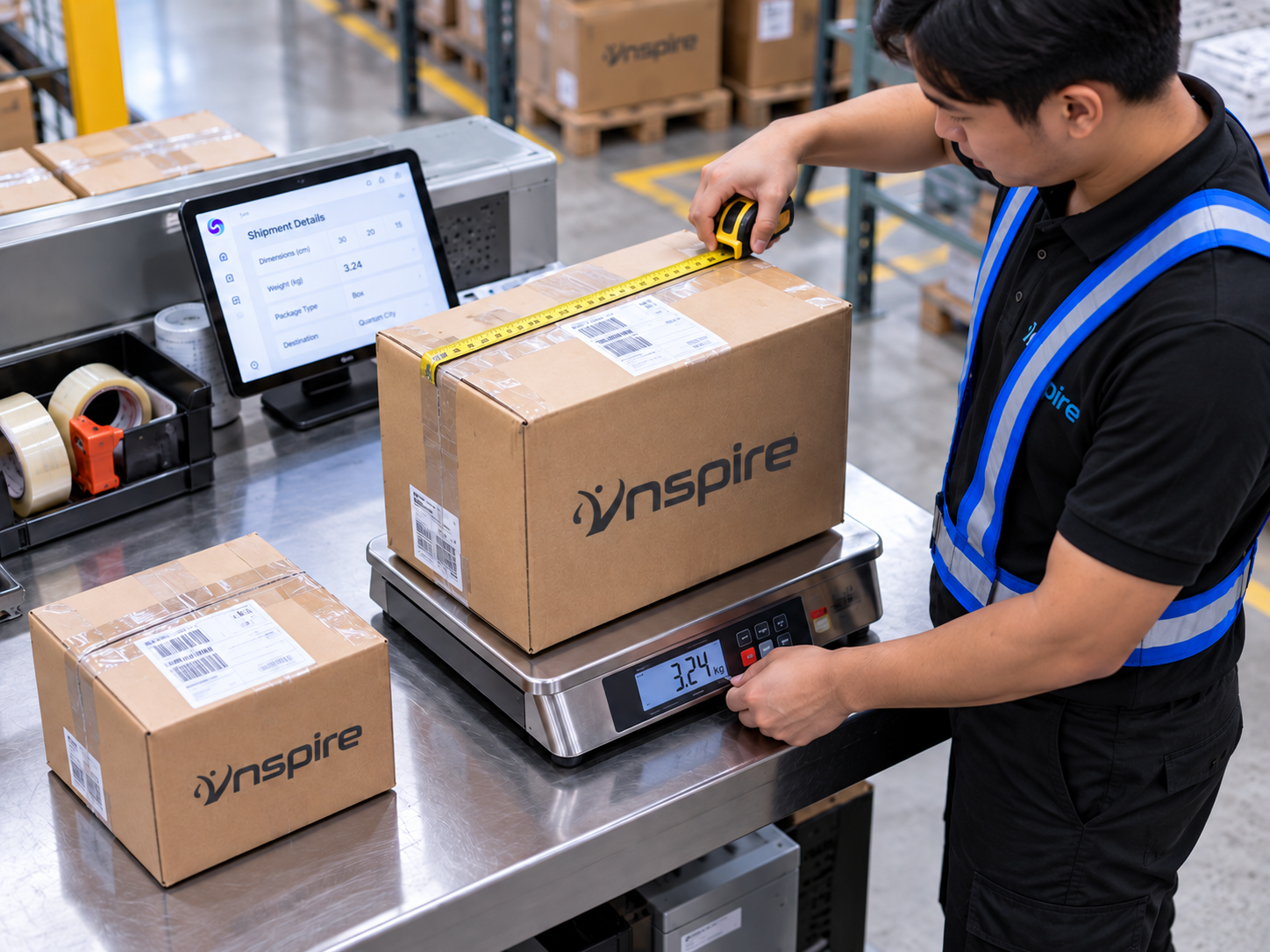
Understanding the factors that affect pricing helps online sellers compare providers and make informed decisions about their delivery policies.
Several considerations can influence the final charge.
When comparing providers, businesses should review the full pricing structure rather than selecting an option based only on its lowest advertised rate. They should also consider reliability, coverage, service conditions, and how easily shipping costs can be reconciled with business records.
A practical next step is to review shipping expenses regularly and identify recurring issues, such as avoidable surcharges or frequent delivery failures. Any changes to shipping policies should balance cost control with a reasonable customer experience.
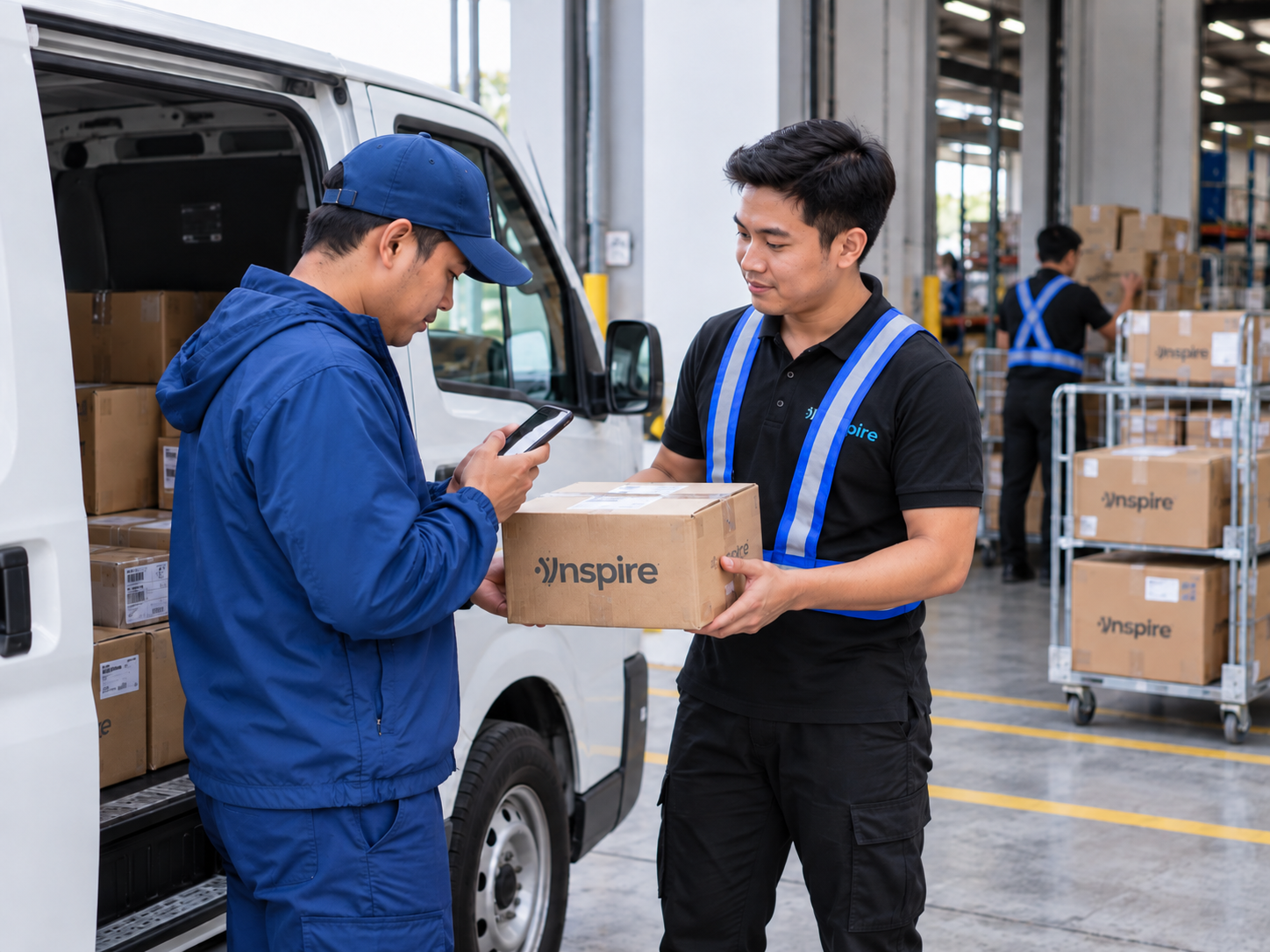
Same day delivery Metro Manila services can help ecommerce businesses meet urgent customer needs when the destination and order are eligible. However, fast delivery requires coordination between order preparation, dispatch schedules, courier availability, and the receiving customer.
Before introducing same-day delivery, businesses should consider three factors.
Order cut-off times: Orders must be received and prepared early enough to meet the provider’s dispatch schedule. Sellers should avoid advertising a delivery promise they cannot consistently support.
Geographic coverage: Availability may differ by destination. Confirm the locations served by the provider and whether specific products or order sizes qualify.
Total delivery expense: Faster delivery may cost more than standard shipping. Businesses should assess whether customers will pay the difference or whether the service makes sense for selected orders.
Before offering same-day or next-day delivery, confirm the provider’s current coverage, applicable order requirements, and service conditions. Clear expectations help businesses avoid promising delivery times they cannot reliably meet.
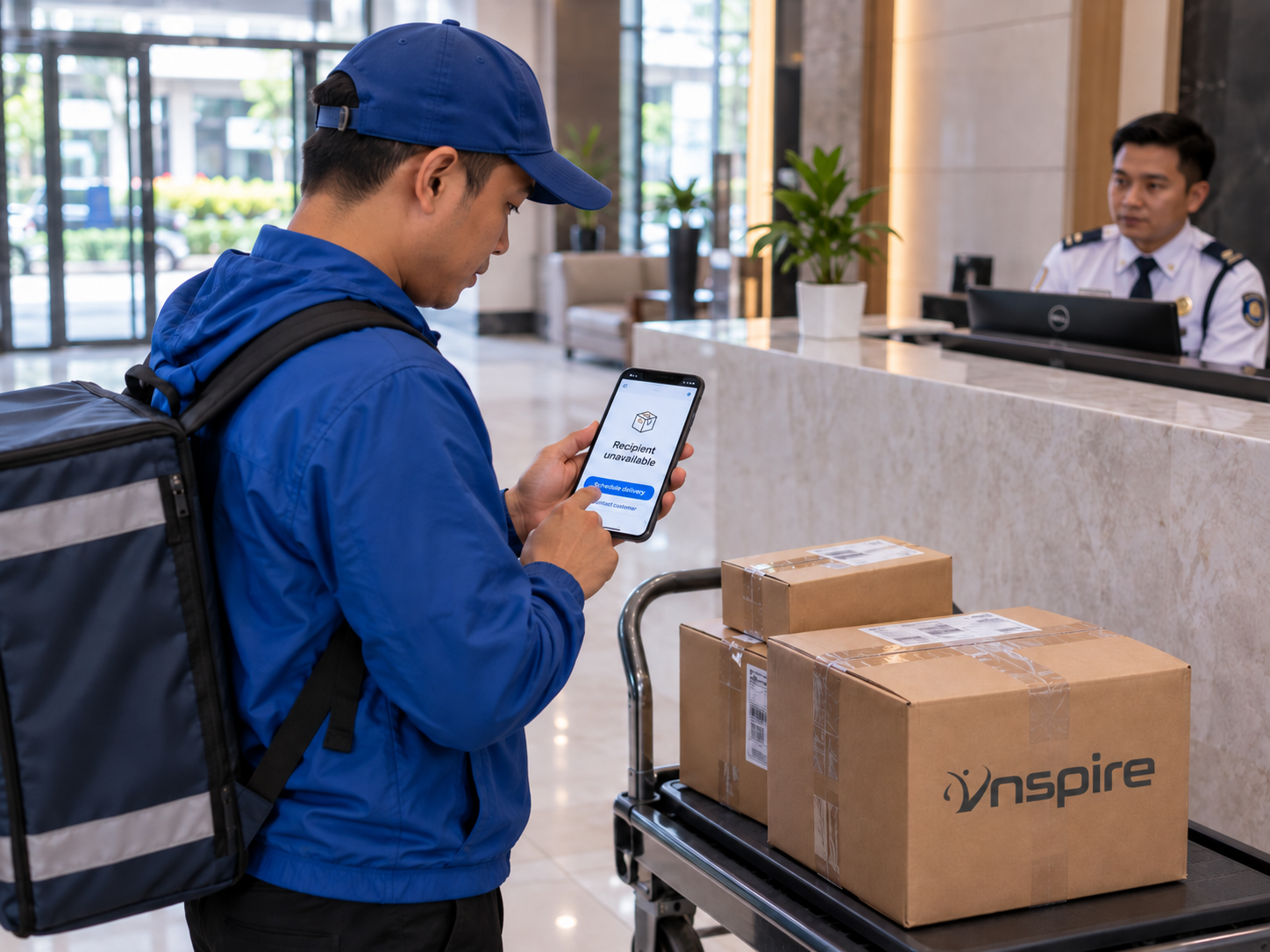
The last mile is the final stage of delivery, when a parcel moves from a distribution or dispatch point to the customer. A well-planned last mile strategy helps businesses coordinate this stage and address common delivery problems.
Customers should know the expected delivery window, available delivery options, and any requirements for receiving their orders. Clear communication can reduce missed handovers and unnecessary follow-up inquiries.
Businesses should evaluate providers based on coverage, service availability, communication, and their ability to handle expected order volumes. Delivery arrangements should also account for busy periods when demand may exceed normal capacity.
Incorrect addresses, unavailable recipients, and incomplete delivery instructions can prevent successful handovers. Collecting accurate address details and communicating delivery requirements can help reduce avoidable failures.
Businesses should also establish a process for handling exceptions, including rescheduling deliveries, contacting customers, and arranging returns when necessary.
Monitoring delivery outcomes helps businesses identify recurring problems and assess whether their shipping arrangements meet operational needs. Useful measures may include on-time delivery rates, failed delivery rates, average delivery times, and shipping expenses per order.
These measures should be reviewed alongside customer feedback and provider reports. Businesses can then address specific issues rather than making changes based on isolated complaints.
A suitable shipping provider should meet the business’s current requirements while allowing room for future growth. Before making a decision, online sellers should evaluate the following factors.
Businesses should compare providers against their actual order patterns rather than choosing solely on brand recognition or advertised rates. A solution that works for a small seller with local customers may not meet the needs of a business shipping large volumes to multiple regions.
For businesses seeking integrated operational support, a logistics provider that combines shipping coordination with warehousing, fulfillment, returns management, and ecommerce technology may help simplify day-to-day operations. Before choosing a provider, confirm which services are available and how they fit the business’s shipping requirements.
Yes. Small online businesses can work with shipping providers or logistics partners instead of coordinating every delivery independently. The appropriate setup depends on order volume, delivery locations, budget, and the level of support required.
Free shipping may encourage purchases, but its cost still needs to be covered by the business. Sellers should assess margins, average order value, shipping expenses, and customer expectations before deciding whether to absorb delivery charges or offer free shipping above a minimum purchase amount.
Compare providers using the same destinations, parcel details, service levels, and expected order volumes. Review the total cost, coverage, delivery performance, service conditions, and handling of failed deliveries or returns rather than relying on advertised rates alone.
No. Same-day delivery depends on the destination, order cut-off time, courier availability, product requirements, and applicable charges. Businesses should offer it only for eligible orders and locations where the delivery arrangement can support the promised timeframe.
Businesses should identify the reason for the failed attempt, verify the delivery details, and contact the customer or delivery provider to determine the next step. Depending on the circumstances, this may involve rescheduling, correcting the address, or arranging a return.
Reliable shipping helps Philippine ecommerce businesses deliver a consistent customer experience while managing the costs and operational demands of online selling. By reviewing delivery options, understanding shipping charges, and improving last-mile coordination, sellers can make better decisions about their logistics arrangements.
The right solution should fit the business’s delivery requirements, provide clear service conditions, and support its wider ecommerce operations. Working with a logistics provider that offers shipping coordination, warehousing, fulfillment, and other ecommerce services can help businesses manage these needs more effectively.
Contact a logistics provider to discuss your shipping requirements and identify services that support your online business.
Inspire E-Commerce Solutions Inc.
Warehouse 4 & 5, C Teknik Industrial, 143 P. Gregorio Street, Valenzuela,
1442 Metro Manila
inspiresolutions.asia
