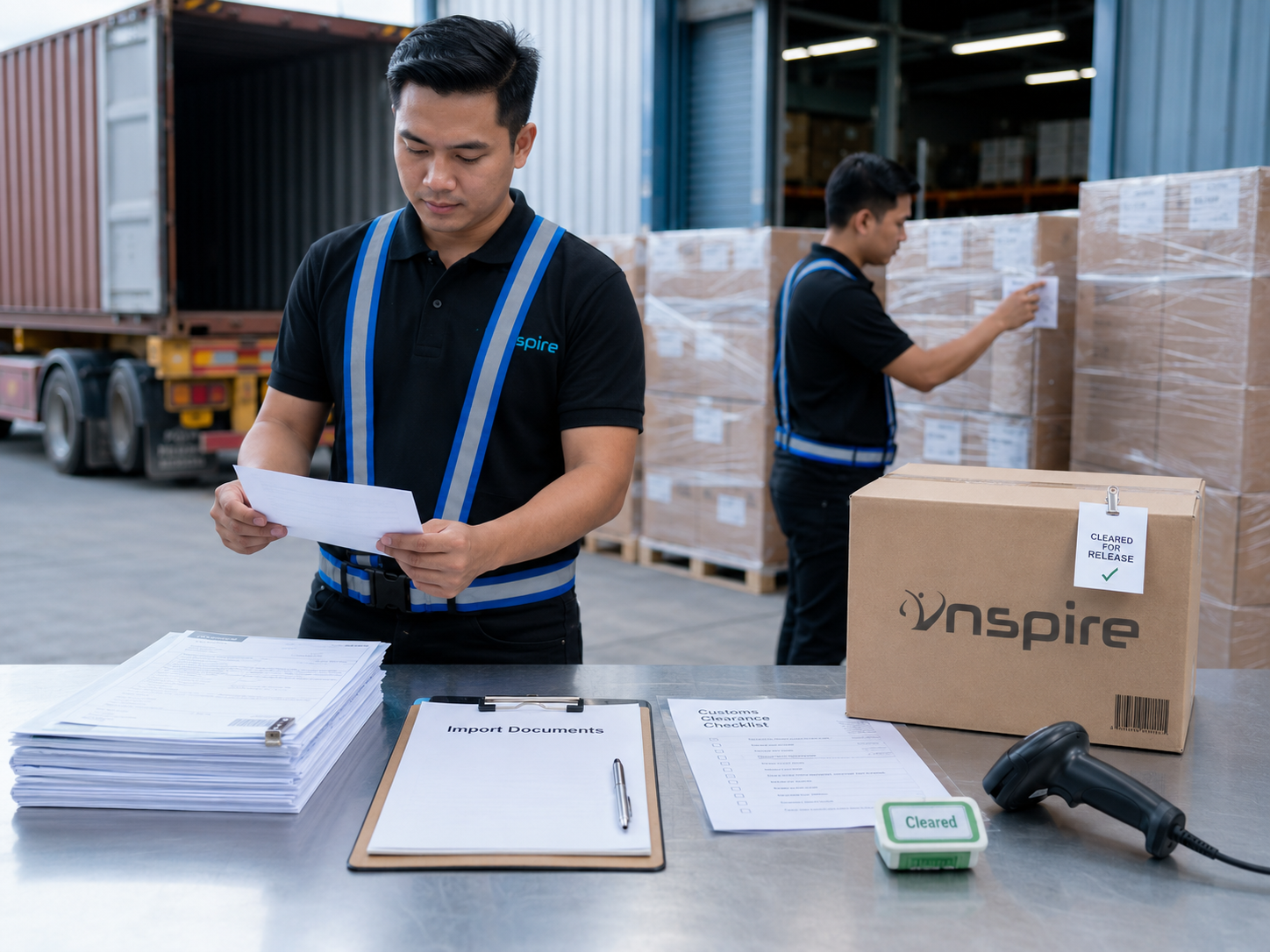
International shipping is a core part of modern ecommerce and global trade, allowing businesses to source products from different countries and deliver them to customers worldwide. However, before goods can legally enter a destination country, they must pass through a mandatory regulatory checkpoint known as customs clearance.
This process ensures that imported goods comply with local laws, taxes, and documentation requirements. Without proper handling, shipments can face delays, penalties, or even rejection at the border.
For most businesses, especially those involved in cross-border ecommerce, managing this process manually can be complex and time-consuming. This is where customs clearance services become essential.
These services act as a bridge between importers, shipping carriers, and customs authorities, ensuring that goods move efficiently through regulatory procedures and reach their destination without unnecessary delays.
Understanding how this process works is critical for maintaining supply chain efficiency, controlling costs, and ensuring timely delivery in a competitive ecommerce environment.
Customs clearance services refer to professional support systems that handle all documentation, compliance, and coordination required for importing goods into a country.
These services ensure that shipments meet all legal requirements before being released from customs authorities.
Typically, customs clearance services include:
Instead of businesses handling complex regulatory steps on their own, customs brokers or logistics providers manage the entire process on their behalf.
This reduces the risk of errors, improves processing speed, and ensures compliance with import regulations.
The customs clearance process follows a structured sequence of steps designed to ensure that imported goods are properly declared, assessed, and approved before entering a country.
Each step plays a critical role in ensuring compliance and preventing shipment delays.
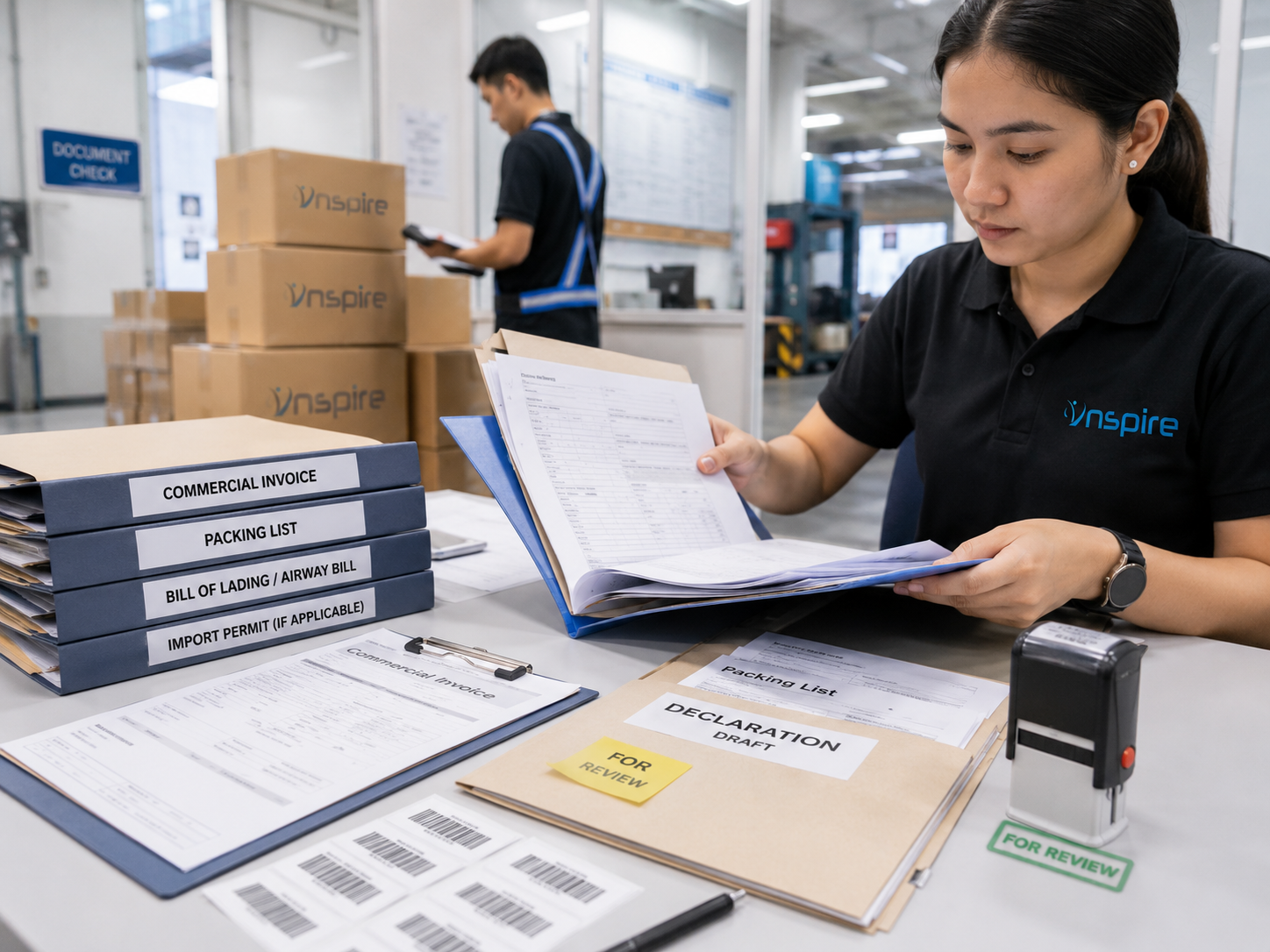
The process begins when goods arrive at the destination port or airport.
At this stage, shipping carriers or customs agents submit key documents, including:
These documents provide customs authorities with detailed information about the shipment, including product type, quantity, and value.
Any missing or inaccurate information at this stage can result in delays or additional inspections.
Once documents are verified, the shipment undergoes formal declaration through the customs system.
This step involves:
This is a critical stage of the customs clearance process, as it determines how the shipment will be assessed for duties and compliance.
Errors in declaration can result in fines, shipment holds, or reclassification of goods.
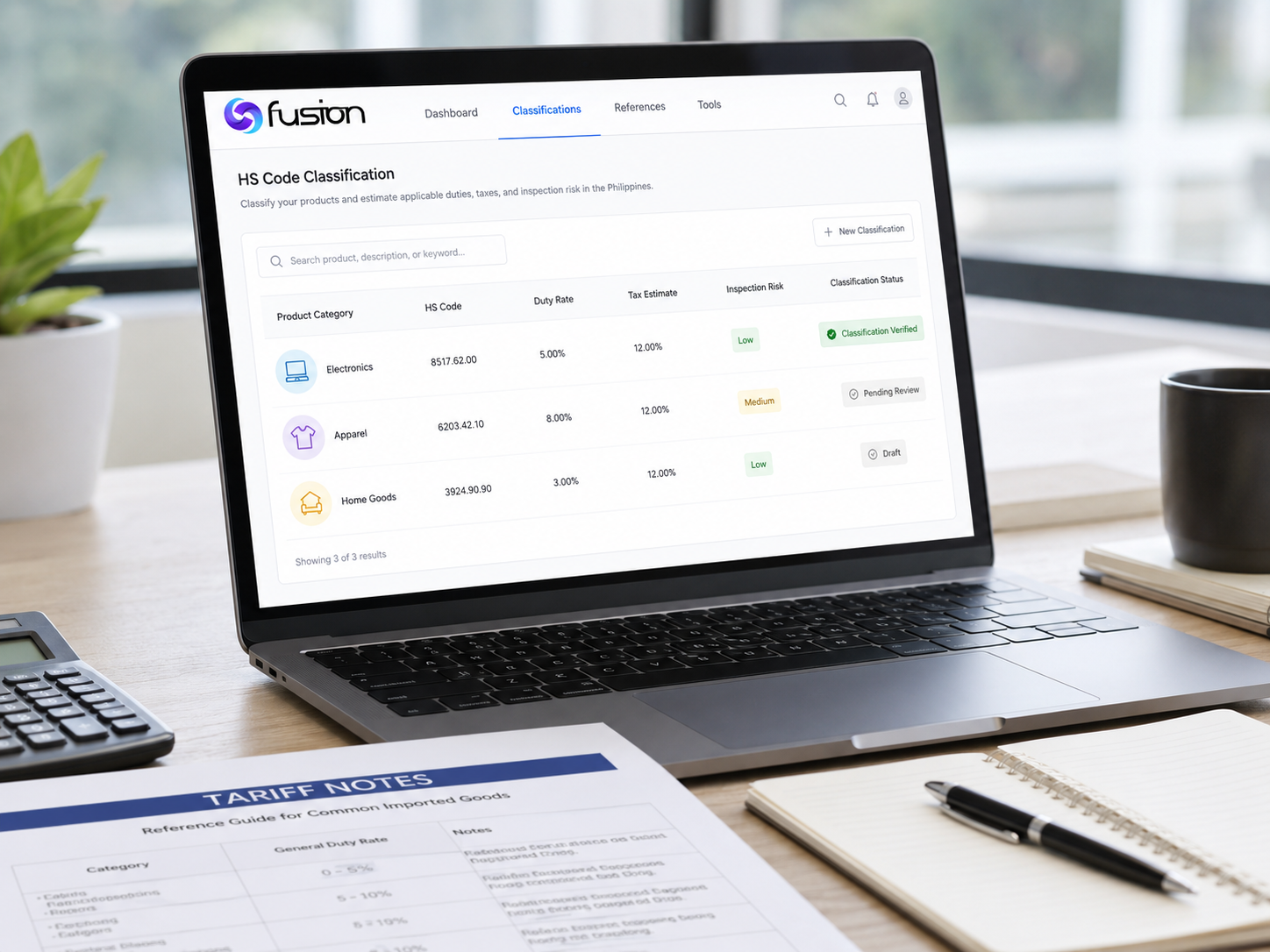
One of the most important parts of the clearance process is classification under the HS Code Philippines system.
HS codes (Harmonized System codes) are globally standardized numerical codes used to categorize products for customs purposes.
For example, electronics, clothing, and food products each fall under different HS codes and are taxed differently.
Incorrect classification can lead to underpayment or overpayment of duties, penalties, or shipment delays.
Because of this, accurate HS coding is a critical part of customs clearance services.
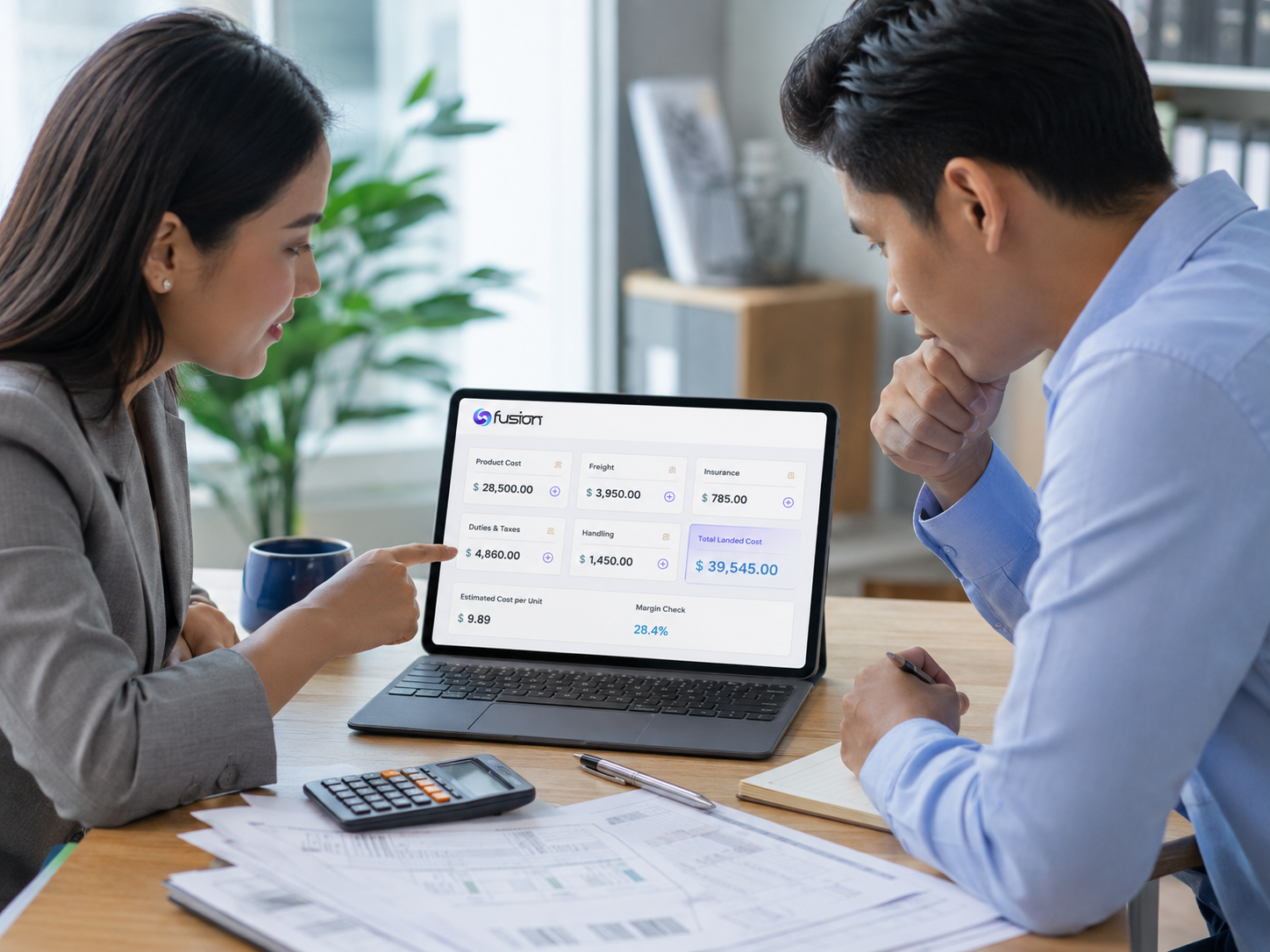
After classification, customs authorities calculate the total amount of duties and taxes payable on the shipment.
This may include:
At this stage, businesses begin to understand the total financial impact of importing goods.
Many companies use a landed cost calculator to estimate these expenses in advance. This tool helps determine the total cost of imported goods by combining:
By using this calculation, businesses can set accurate pricing and avoid unexpected import expenses.
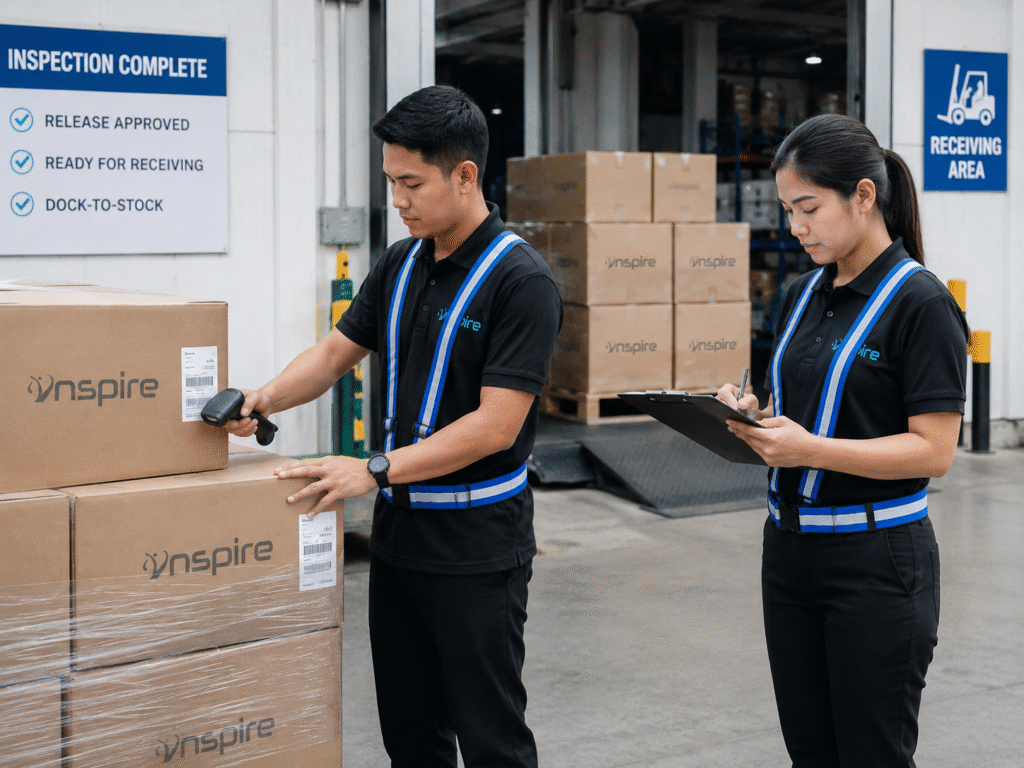
Not all shipments pass through customs automatically. Some are selected for inspection based on risk factors, product type, or random checks.
During inspection, customs authorities may:
This step ensures that declared information matches the actual shipment.
If issues are found, shipments may be delayed, reclassified, or subject to additional charges.
Proper documentation and accurate classification significantly reduce inspection risks.
Once all duties are paid and inspections are completed (if required), customs authorities approve the shipment for release.
At this stage:
The goods are then handed over to logistics providers for transportation to warehouses or final delivery destinations.
This marks the completion of the customs clearance process and allows goods to enter the local supply chain.
Customs clearance services play a vital role in ensuring smooth international trade operations.
Experienced customs professionals reduce delays caused by incorrect documentation or classification errors.
These services ensure that shipments comply with local import laws and regulations.
Proper handling reduces the risk of penalties, shipment holds, or confiscation.
Faster clearance leads to quicker delivery times and more efficient logistics operations.
Despite structured processes, businesses often face challenges during import operations.
Missing or incorrect paperwork is one of the most common causes of delays.
Misclassification under the HS Code Philippines system can lead to incorrect tax calculations.
Without proper planning or a landed cost calculator, businesses may face unexpected import expenses.
Import regulations vary between countries and can change frequently, affecting shipment timelines.
Businesses can reduce delays and improve efficiency by following best practices:
Ensure all shipping documents are complete and error-free before shipment arrival.
Proper classification under HS codes prevents penalties and miscalculations.
Customs brokers or clearance specialists help manage complex regulatory requirements.
A landed cost calculator helps businesses plan for total import expenses in advance.
Import rules and tariffs can change, so staying informed helps avoid compliance issues.
For ecommerce businesses, efficient customs clearance directly impacts customer satisfaction and operational performance.
Faster clearance leads to:
As cross-border ecommerce continues to grow, customs efficiency becomes a competitive advantage rather than just a regulatory requirement.
Customs clearance services are essential for ensuring that international shipments move smoothly through regulatory processes and reach their destination without unnecessary delays.
By understanding the customs clearance process, using accurate HS Code Philippines classification, and planning costs with a landed cost calculator, businesses can significantly improve operational efficiency and reduce import risks.
In today’s global ecommerce landscape, efficient customs handling is not just a compliance requirement. It is a key factor in maintaining supply chain speed, controlling costs, and ensuring customer satisfaction.
