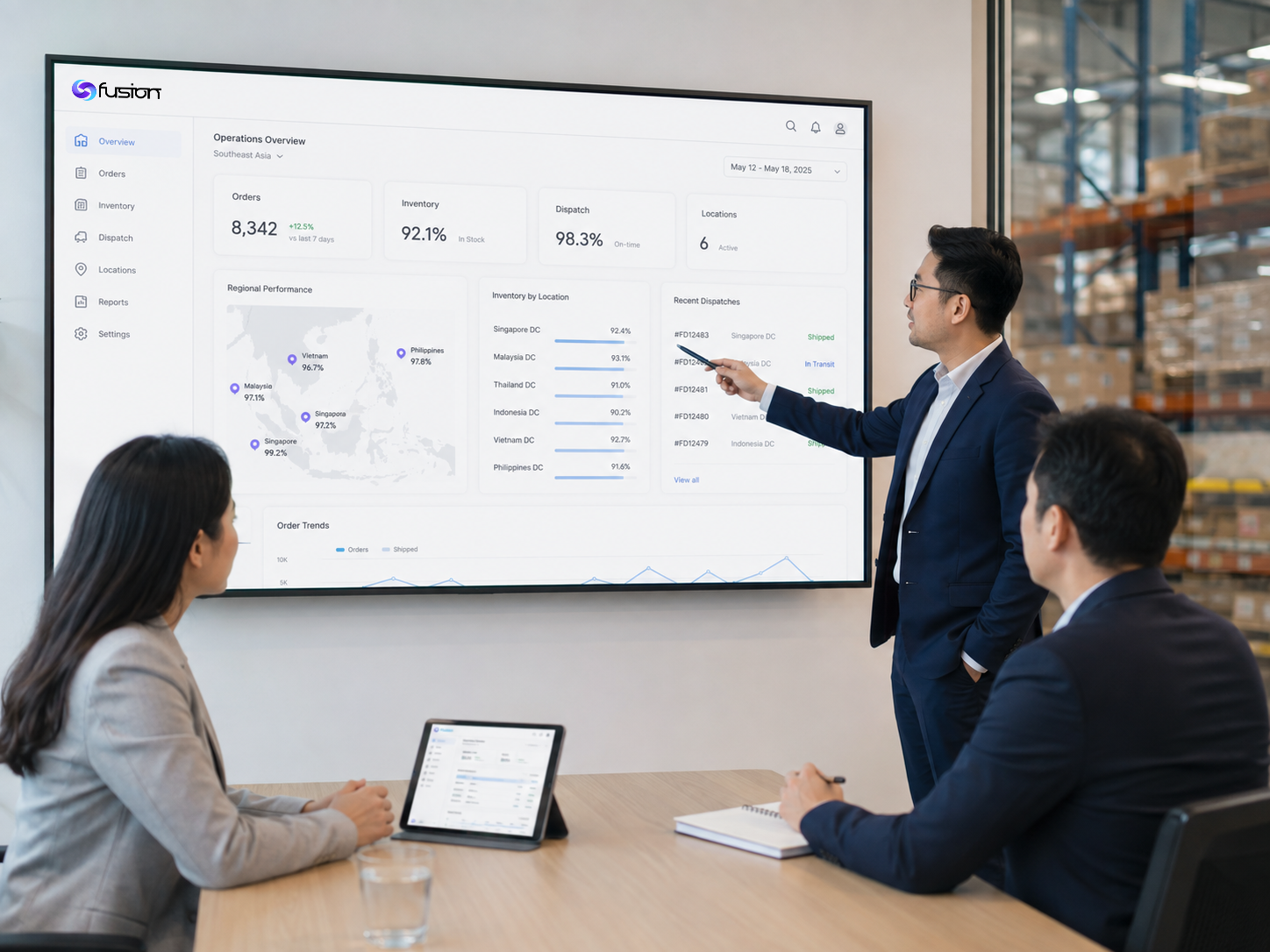
Keeping products available requires more than maintaining large amounts of inventory. Businesses need a reliable process for determining when products should be reordered, how much inventory should be purchased, and how incoming stock can support ongoing customer demand. Without a structured approach, inventory shortages can interrupt fulfillment, affect customer satisfaction, and make day-to-day operations more difficult to manage.
Every business experiences changes in sales activity throughout the year. Seasonal demand, promotional campaigns, supplier lead times, and shifting customer purchasing patterns all influence how inventory should be managed. Waiting until products are nearly depleted before placing new orders can create unnecessary delays, while ordering too early may result in excess inventory that occupies valuable warehouse space.
Stock replenishment provides a more organized approach to maintaining inventory availability. Instead of reacting to shortages after they occur, businesses can establish replenishment processes that support timely purchasing decisions and more consistent inventory levels. By combining operational data, inventory monitoring, and effective planning, organizations can improve fulfillment readiness while maintaining better control over inventory across multiple products and locations.
A well-managed replenishment strategy helps businesses balance inventory more effectively, respond to changing demand, and create a stronger foundation for reliable ecommerce operations.
Maintaining the right inventory levels is an ongoing challenge for ecommerce businesses. Products constantly move through receiving, storage, fulfillment, and shipping, making it important for businesses to have a structured approach to managing stock availability.
Running out of inventory can lead to delayed orders, missed sales opportunities, and additional pressure on purchasing and fulfillment teams. However, carrying too much stock can increase storage costs, tie up resources, and create unnecessary inventory challenges.
Stock replenishment helps businesses maintain a better balance by ensuring products are available when needed without creating excess inventory. By monitoring inventory movement and preparing for future demand, organizations can improve purchasing decisions, support smoother fulfillment, and maintain more reliable inventory levels.
A well-planned replenishment process also improves coordination across teams. Purchasing teams can prepare orders more effectively, warehouse teams can manage incoming inventory efficiently, and customer-facing teams can provide more accurate product availability information.
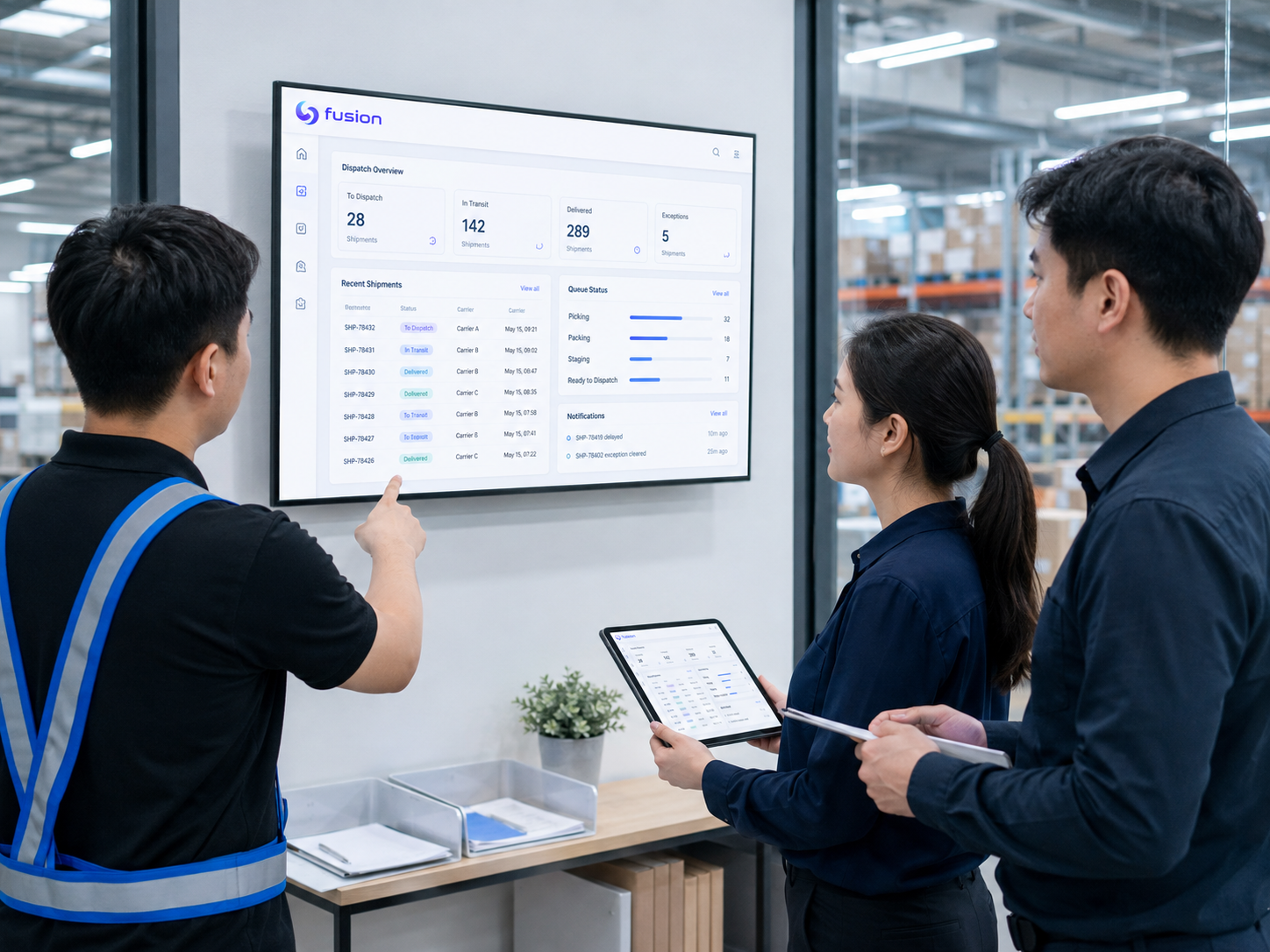
Stock replenishment decisions depend on several factors beyond simply checking current inventory levels. Businesses need to consider demand patterns, supplier schedules, sales performance, and warehouse capacity to determine when products should be reordered and how much inventory is needed.
By evaluating these factors together, businesses can reduce the risk of stock shortages while avoiding unnecessary inventory costs.
Customer Demand
Customer purchasing behavior plays an important role in replenishment decisions. Seasonal changes, promotions, and shifting buying patterns can affect how quickly products move, making it important for businesses to adjust replenishment based on actual demand.
Supplier Lead Times
The time required for suppliers to prepare and deliver inventory affects when replenishment orders should be placed. Considering lead times helps businesses avoid shortages caused by delayed deliveries or unexpected supply disruptions.
Sales Trends
Historical sales data helps businesses identify purchasing patterns and predict future inventory needs. Reviewing product performance allows organizations to prioritize replenishment for items with stronger demand while managing slower-moving inventory more effectively.
Warehouse Capacity
Available storage space should also influence replenishment decisions. Ordering more inventory than a warehouse can efficiently handle may create storage challenges and affect daily operations.
By considering these factors, businesses can create a more structured replenishment process that supports better inventory availability, smoother fulfillment, and more efficient resource management.
A successful replenishment process requires more than ordering products when inventory levels become low. Businesses need a structured approach that considers demand patterns, supplier schedules, inventory movement, and operational requirements to maintain consistent product availability.
By using reliable inventory information and clear replenishment strategies, businesses can reduce shortages, improve purchasing decisions, and create smoother fulfillment processes.
Inventory replenishment helps businesses maintain a steady flow of products without creating unnecessary excess stock. Instead of waiting until inventory runs out, businesses can monitor stock levels and schedule purchases before shortages affect customer orders.
A proactive replenishment approach improves purchasing efficiency, supports warehouse operations, and helps businesses maintain more consistent inventory levels across different product categories or locations.
Effective replenishment planning involves evaluating factors such as sales activity, supplier lead times, customer demand, and warehouse capacity. By considering these factors together, businesses can create purchasing schedules that better match operational needs.
Planning ahead also improves coordination between purchasing, warehouse, and fulfillment teams. When departments work with the same inventory goals, businesses can manage incoming stock more efficiently and reduce unnecessary disruptions.
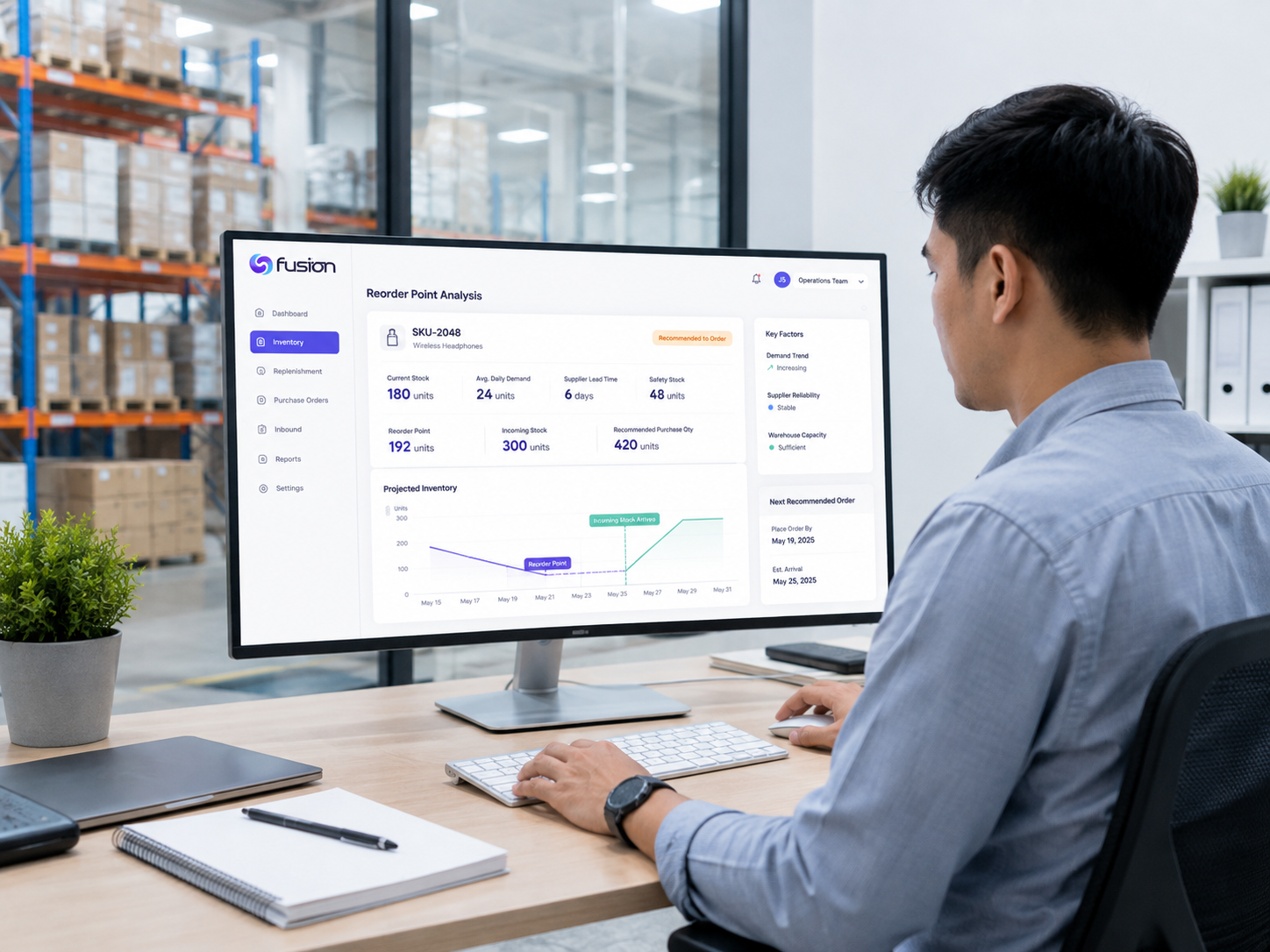
A reorder point helps businesses determine when additional inventory should be purchased before stock reaches critical levels. Setting the right threshold requires considering product demand, supplier lead times, and expected inventory movement.
Regularly reviewing reorder points allows businesses to adjust purchasing decisions as demand patterns, supplier performance, and business requirements change.
Stock availability directly affects customer satisfaction and fulfillment performance. Businesses that frequently experience shortages may face delayed orders, missed sales opportunities, and reduced customer confidence.
Maintaining availability requires continuous monitoring of inventory movement and proactive purchasing decisions. With better visibility into inventory levels, businesses can support reliable fulfillment while avoiding unnecessary overstock.
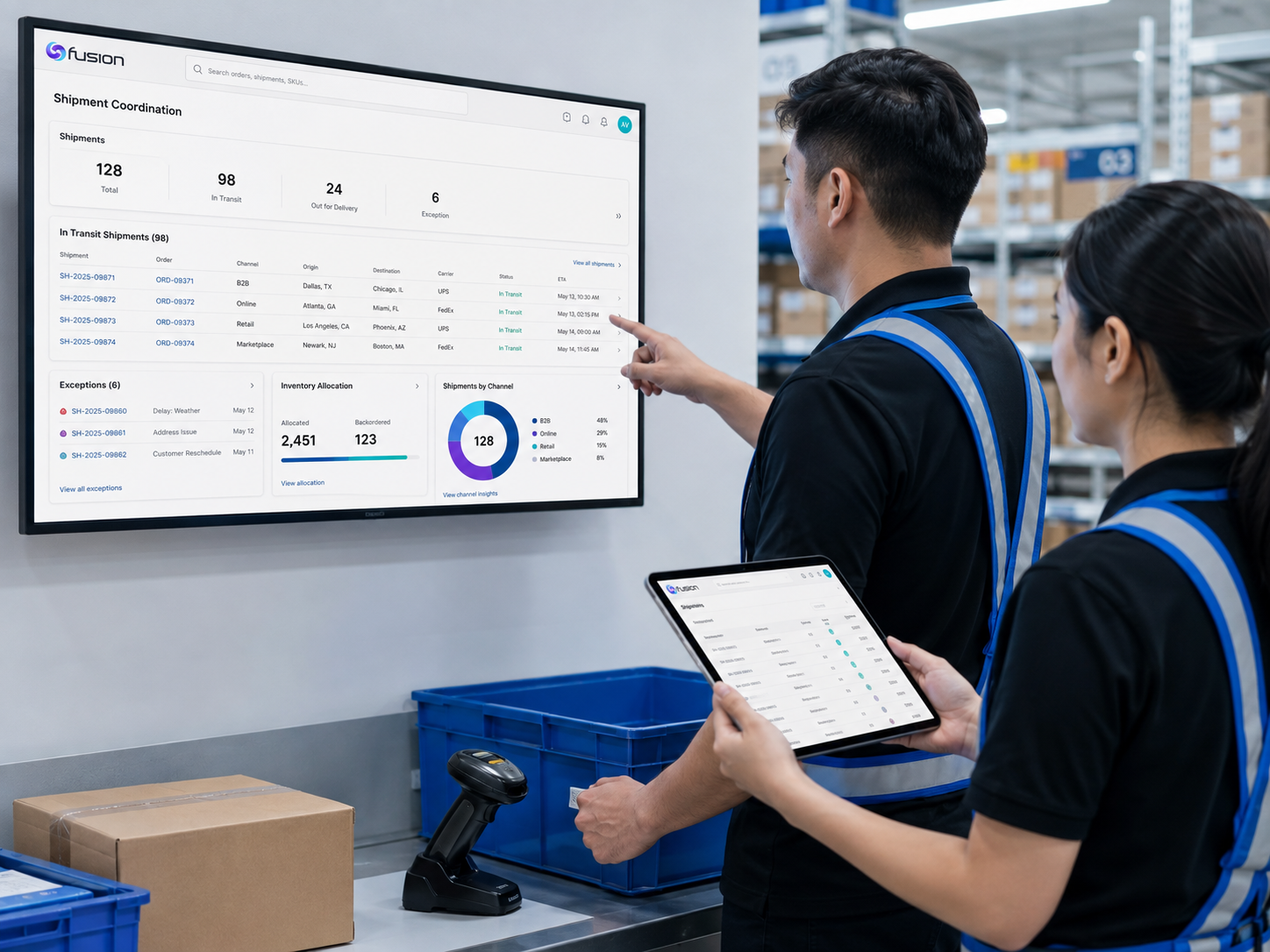
Inventory restocking focuses on efficiently moving newly received products into storage and making them available for fulfillment. Organized restocking procedures help warehouse teams verify inventory, update records, and reduce delays caused by misplaced or unavailable products.
For businesses managing multiple locations, a structured restocking process helps distribute inventory more effectively based on demand, storage capacity, and fulfillment requirements.
Demand planning improves replenishment decisions by helping businesses anticipate future inventory requirements. By reviewing historical sales, seasonal trends, promotions, and customer purchasing patterns, organizations can prepare for changes in demand before they impact inventory levels.
Combining replenishment with demand planning allows businesses to maintain better inventory balance, improve supplier coordination, and support more reliable fulfillment during both normal and peak demand periods.
Many businesses rely on reactive replenishment, where inventory is reordered only after stock levels become low. While this approach may work for smaller operations, it can create challenges as product demand increases and inventory requirements become more complex.
Reactive decisions can lead to emergency purchases, higher costs, delayed fulfillment, and additional pressure on purchasing and warehouse teams. Without proper planning, businesses may struggle to maintain consistent stock availability and meet customer expectations.
A proactive inventory approach focuses on preventing shortages before they occur. By monitoring inventory movement, analyzing demand patterns, and planning replenishment activities in advance, businesses can make more informed purchasing decisions and maintain smoother operations.
This approach also improves supplier coordination by creating more predictable ordering schedules. With better planning and visibility, businesses can reduce uncertainty, improve fulfillment reliability, and build a more flexible inventory process.
Technology helps businesses make more accurate replenishment decisions by providing better inventory information, reducing manual work, and improving coordination between teams. As product catalogs and inventory operations become more complex, digital tools make it easier to monitor stock levels and identify when additional inventory is needed.
Modern inventory systems allow businesses to:
By replacing manual inventory reviews with automated processes, businesses can identify replenishment needs earlier and reduce the risk of stock shortages or unnecessary purchases.
Technology also provides valuable insights into inventory trends, supplier performance, and purchasing patterns. These insights help businesses adjust replenishment strategies while maintaining better inventory availability.
When combined with structured replenishment processes, technology creates a more efficient approach to managing inventory and supports more consistent decision-making across the business.
Maintaining inventory availability requires ongoing attention as customer demand, supplier performance, and business priorities continue to change. A replenishment strategy that performs well today may need adjustments as sales patterns evolve, new products are introduced, or additional fulfillment locations are added. Regularly reviewing replenishment processes allows businesses to remain responsive while maintaining consistent inventory levels.
Successful businesses recognize that stock replenishment is not simply about replacing products that have been sold. It is a continuous planning process that supports purchasing decisions, warehouse coordination, and fulfillment readiness across the organization. By evaluating inventory performance regularly, businesses can make adjustments that improve efficiency while reducing the likelihood of stock shortages or unnecessary overstock.
Combining inventory replenishment, structured replenishment planning, and informed demand planning creates a stronger foundation for maintaining stock availability throughout the year. Establishing appropriate reorder points and improving inventory restocking processes further strengthens inventory control by ensuring products remain available when customers need them.
For businesses focused on delivering reliable customer experiences, effective stock replenishment supports far more than inventory management alone. It improves coordination across purchasing, warehousing, and fulfillment while helping organizations adapt more confidently to changing business conditions. Investing in a well-planned replenishment strategy allows businesses to maintain better control over inventory and build a more dependable foundation for long-term ecommerce success.
Inspire E-Commerce Solutions Inc.
Warehouse 4 & 5, C Teknik Industrial, 143 P. Gregorio Street, Valenzuela,
1442 Metro Manila
inspiresolutions.asia