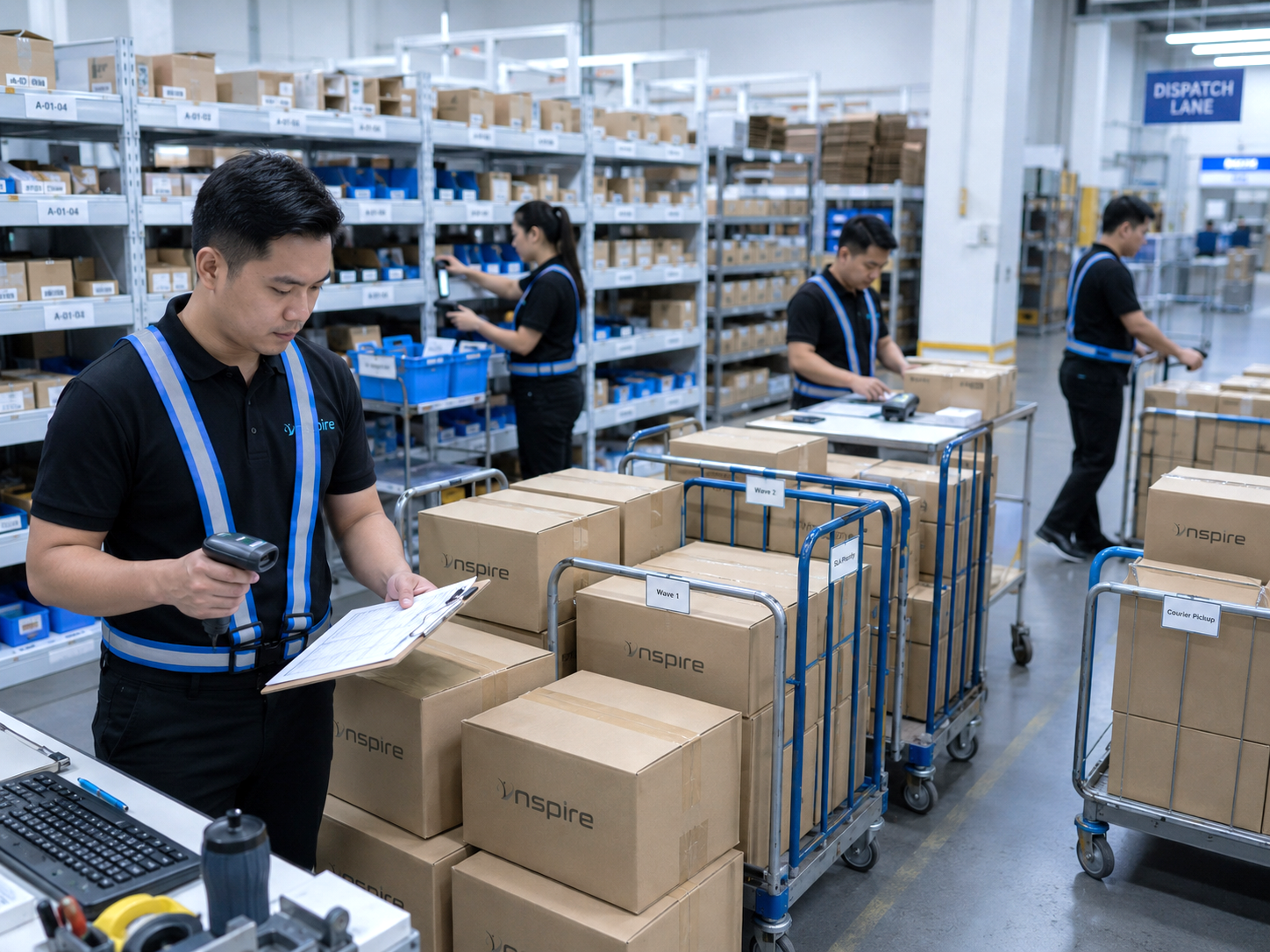
Peak shopping events bring strong opportunities for ecommerce businesses, but they also place heavy pressure on warehouse operations due to sudden spikes in order volume.
One of the main challenges during these periods is managing a pick pack surge, where large volumes of orders must be picked, packed, and prepared for dispatch within tight timelines.
Without proper planning, this can lead to delays, errors, and reduced customer satisfaction. Managing a pick pack surge requires structured workflows, clear performance standards, and strong coordination across fulfillment teams.
This article explains what causes a pick pack surge and how businesses can maintain efficiency, improve dispatch performance, and meet ecommerce fulfillment SLA targets during peak demand.
A pick pack surge refers to a significant increase in warehouse picking and packing activities caused by a sudden spike in customer orders. These surges typically occur during major sales campaigns, holiday shopping seasons, product launches, or marketing promotions that generate exceptionally high order volumes.
Unlike normal warehouse operations, a pick pack surge compresses a large number of fulfillment tasks into a limited period. Warehouse teams must process more orders while maintaining the same standards for inventory accuracy, packaging quality, and shipping speed.
The surge affects nearly every stage of warehouse operations, including:
If any of these processes become overloaded, delays can quickly spread throughout the fulfillment operation.
Rather than viewing a pick pack surge as a temporary challenge, many ecommerce businesses now treat it as an expected part of annual operations and prepare for it well in advance.
A pick pack surge is usually triggered by predictable and unexpected increases in order volume across ecommerce operations.
Major shopping events often generate the highest order volumes of the year. These predictable spikes allow businesses to prepare inventory, staffing, and logistics in advance.
Flash sales, influencer campaigns, and product launches can create sudden demand spikes, especially when performance exceeds forecasts.
Large incoming stock deliveries combined with active order fulfillment can increase warehouse workload and create temporary congestion.
Selling across multiple platforms at the same time can amplify order volume, placing additional pressure on fulfillment operations.
As order volumes increase, warehouse operations become more demanding. Without proper preparation, businesses may experience bottlenecks that affect fulfillment speed and customer satisfaction.
A higher volume of orders increases picking and packing workloads. If warehouse capacity remains the same, processing times can slow, delaying overall fulfillment.
Working under pressure can lead to mistakes such as picking the wrong items or incorrect quantities. These errors often result in returns, customer complaints, and additional operational costs.
Busy fulfillment periods can create congestion in picking aisles, packing stations, and staging areas, making it more difficult for warehouse teams to move efficiently.
Temporary workers can help increase capacity, but they often require training before reaching the productivity of experienced staff. Without standardized processes, additional manpower alone may not improve efficiency.

Preparing for warehouse surges begins long before customer orders start arriving. One of the most effective ways to reduce operational risk is by creating a peak season fulfillment checklist that outlines every activity required before, during, and after peak periods.
Rather than reacting to higher demand, businesses can proactively prepare warehouse operations through structured planning.
A comprehensive checklist helps ensure that teams complete critical tasks before order volumes begin to increase.
Typical preparation activities include:
Using a standardized checklist also improves communication between departments. Warehouse operations, procurement, customer service, and logistics teams can work from the same preparation plan, reducing confusion once peak fulfillment begins.
Most importantly, preparation minimizes operational disruptions when order volumes reach their highest levels.
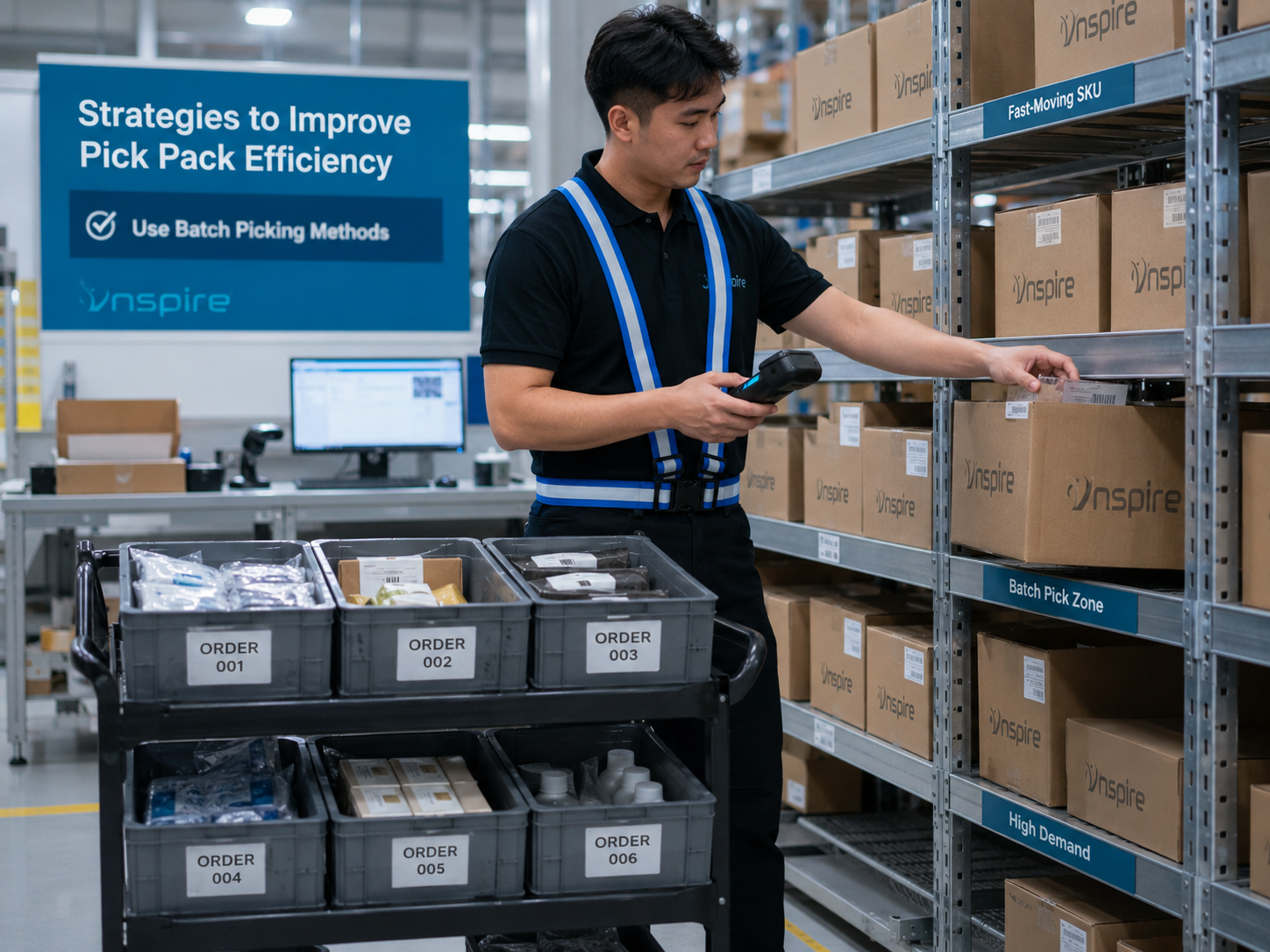
After preparing a peak season fulfillment checklist, execution becomes the key focus. Managing a pick pack surge effectively depends on how well warehouse workflows are optimized during high-volume periods.
An efficient warehouse layout reduces unnecessary movement during picking and packing. Placing fast-moving items closer to packing stations helps improve speed and reduce travel time.
Key improvements include:
Even small layout adjustments can significantly improve processing speed during surges.
Standard operating procedures ensure consistency across warehouse teams during high-volume periods. This reduces errors and improves efficiency.
Standardization includes:
Consistent workflows also help temporary staff adapt faster during peak demand.
Batch picking allows multiple orders to be processed together based on location or product type instead of handling them individually.
This helps reduce:
Batch picking is especially useful during high-volume fulfillment periods where speed is critical.
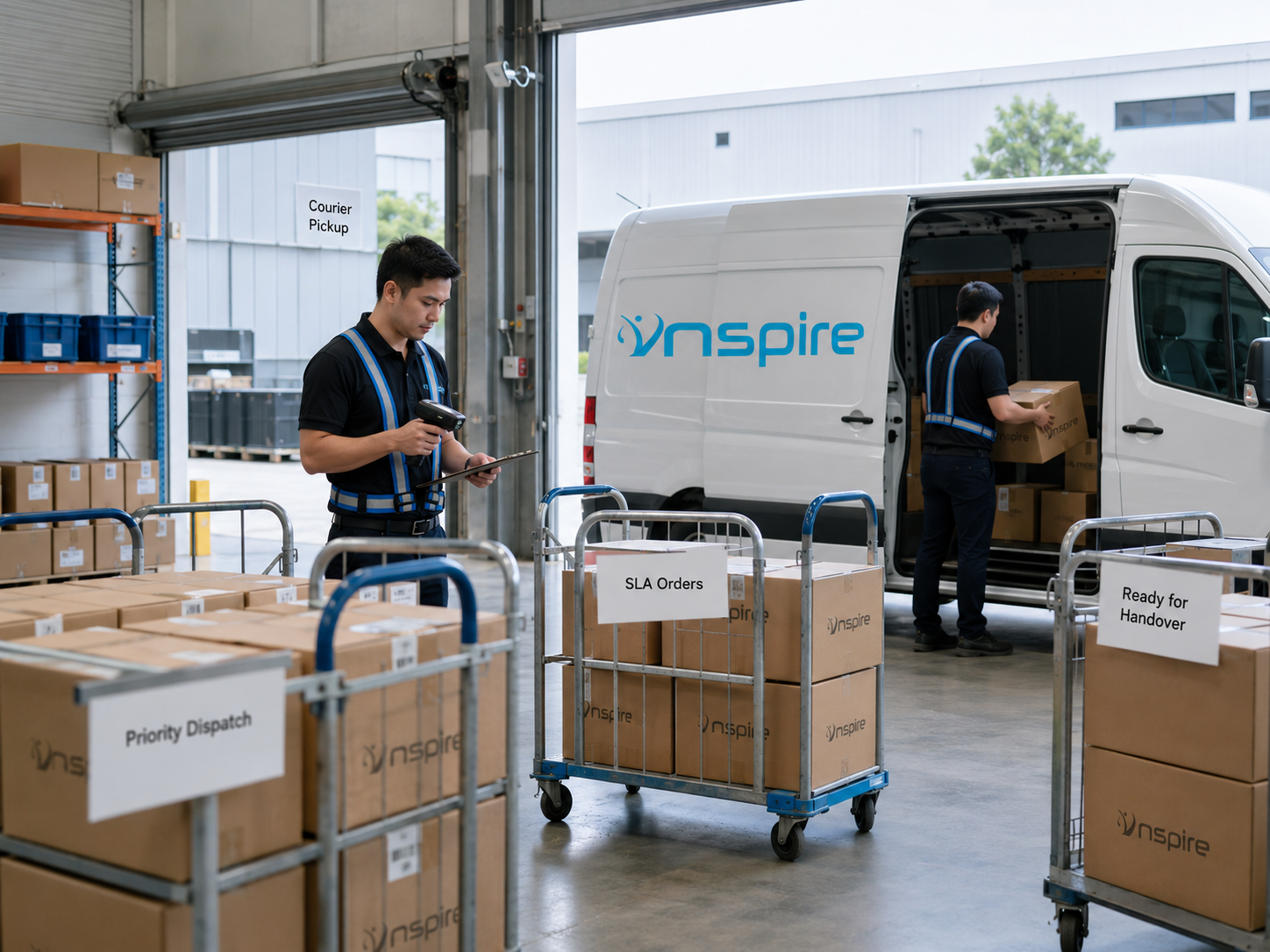
One of the most critical outcomes of a pick pack surge is its direct impact on dispatch performance. Even if orders are picked and packed efficiently, delays in dispatch can disrupt the entire fulfillment cycle.
Dispatch performance depends heavily on coordination with logistics partners. If courier pickup schedules are not aligned with warehouse output, packed orders may accumulate and slow down the entire process.
To improve alignment:
Not all orders should be treated equally during surge periods. Some orders may require faster processing based on delivery promises or customer expectations.
Order prioritization helps:
Tracking dispatch performance in real time helps identify where delays are occurring. Bottlenecks often happen at:
Identifying and resolving these issues quickly prevents backlog accumulation.

An ecommerce fulfillment SLA defines the expected time frame for processing, packing, and delivering orders. During a pick pack surge, maintaining SLA compliance becomes significantly more challenging.
Failing to meet SLA commitments can lead to:
Maintaining SLA performance is essential for protecting brand reputation during peak sales periods.
Even though cut-off times are more operationally strict in other workflows, during surge periods they become critical for SLA compliance.
Orders must be:
Strict adherence ensures smoother downstream logistics flow.
SLA performance is not dependent on warehouse operations alone. It requires coordination between:
When communication breaks down, delays cascade across the entire fulfillment chain.
Technology plays a central role in controlling warehouse efficiency during high-volume periods.
Visibility into order status helps warehouse managers understand:
This improves decision-making during peak demand.
Automated systems can assign picking and packing tasks based on:
This reduces manual coordination and improves speed.
Accurate inventory data is essential during surge periods. Without real-time updates, warehouses risk overselling or allocating unavailable stock.
This directly affects:
Even well-prepared businesses can face challenges if certain mistakes are overlooked.
One of the most common issues is inaccurate forecasting. If demand exceeds expectations, warehouse capacity quickly becomes overwhelmed.
Manual workflows slow down operations and increase the likelihood of errors during high-pressure periods.
Lack of coordination between warehouse, inventory, and logistics teams often leads to delays and confusion.
Even if picking and packing are efficient, ignoring courier limitations can create bottlenecks in dispatch performance.
Managing a pick pack surge requires more than increasing warehouse capacity during busy periods. It involves careful planning, efficient warehouse workflows, and strong coordination across fulfillment operations.
By following a structured peak season fulfillment checklist, improving dispatch performance, and maintaining ecommerce fulfillment SLA commitments, businesses can process higher order volumes while maintaining speed and accuracy.
As ecommerce continues to grow, fulfillment operations must be prepared to respond quickly to changing demand. Businesses that invest in efficient warehouse processes and proactive planning will be better positioned to deliver reliable service, reduce operational disruptions, and create a better customer experience during every peak season.
