
Managing multiple ecommerce marketplaces can create operational challenges as businesses expand their online sales channels. Each platform may have different order processes, inventory updates, and customer requirements, making it more difficult for teams to maintain consistent workflows as sales volume increases.
Without connected systems, businesses often rely on manual processes to manage orders, update product information, and coordinate fulfillment activities across different platforms. These disconnected workflows can lead to delays, inaccurate inventory information, and additional operational effort for ecommerce teams.
Marketplace integration helps businesses connect their ecommerce platforms, online marketplaces, and internal systems into a more efficient workflow. By creating better communication between sales channels, inventory systems, and fulfillment operations, businesses can simplify order processing while improving overall operational consistency.
As ecommerce continues to evolve, having a connected approach to managing marketplaces allows businesses to handle growing order volumes more effectively, reduce manual tasks, and create a smoother experience for both teams and customers.
Marketplace integration is the process of connecting multiple ecommerce platforms, online marketplaces, and business systems so that information can move more efficiently between different sales channels. Instead of managing each platform separately, businesses can create a more unified workflow where orders, product details, and inventory information are shared across connected systems.
For ecommerce businesses selling through platforms such as online marketplaces, websites, and social commerce channels, managing operations through separate platforms can create unnecessary complexity. Each channel may require different updates, making it harder for teams to maintain accurate information and process orders efficiently.
An effective ecommerce marketplace integration solution allows businesses to connect sales channels with their existing operational systems, including inventory platforms, order management tools, and fulfillment processes. This connection helps reduce repetitive tasks while creating a more organized approach to managing ecommerce activities.
By bringing different platforms together, businesses can improve coordination between sales, inventory, and fulfillment teams. This allows organizations to respond more effectively to customer demand while creating a scalable foundation for future ecommerce growth.

Expanding into multiple ecommerce marketplaces can help businesses reach more customers, but managing these platforms separately can create operational difficulties. As order volumes increase, teams may struggle to maintain consistent processes across different sales channels without the right systems in place.
Each marketplace may have its own order requirements, product updates, and customer expectations. Without a connected approach, businesses often spend more time handling repetitive administrative tasks instead of focusing on improving their overall ecommerce operations.
Processing orders from different marketplaces can become complicated when each platform operates independently. Teams may need to manually review orders, update order statuses, and coordinate fulfillment activities across multiple systems.
A multi-channel order management approach helps businesses organize incoming orders from different platforms within a more structured workflow. By centralizing order information, teams can improve coordination, reduce processing delays, and create a more consistent fulfillment process.
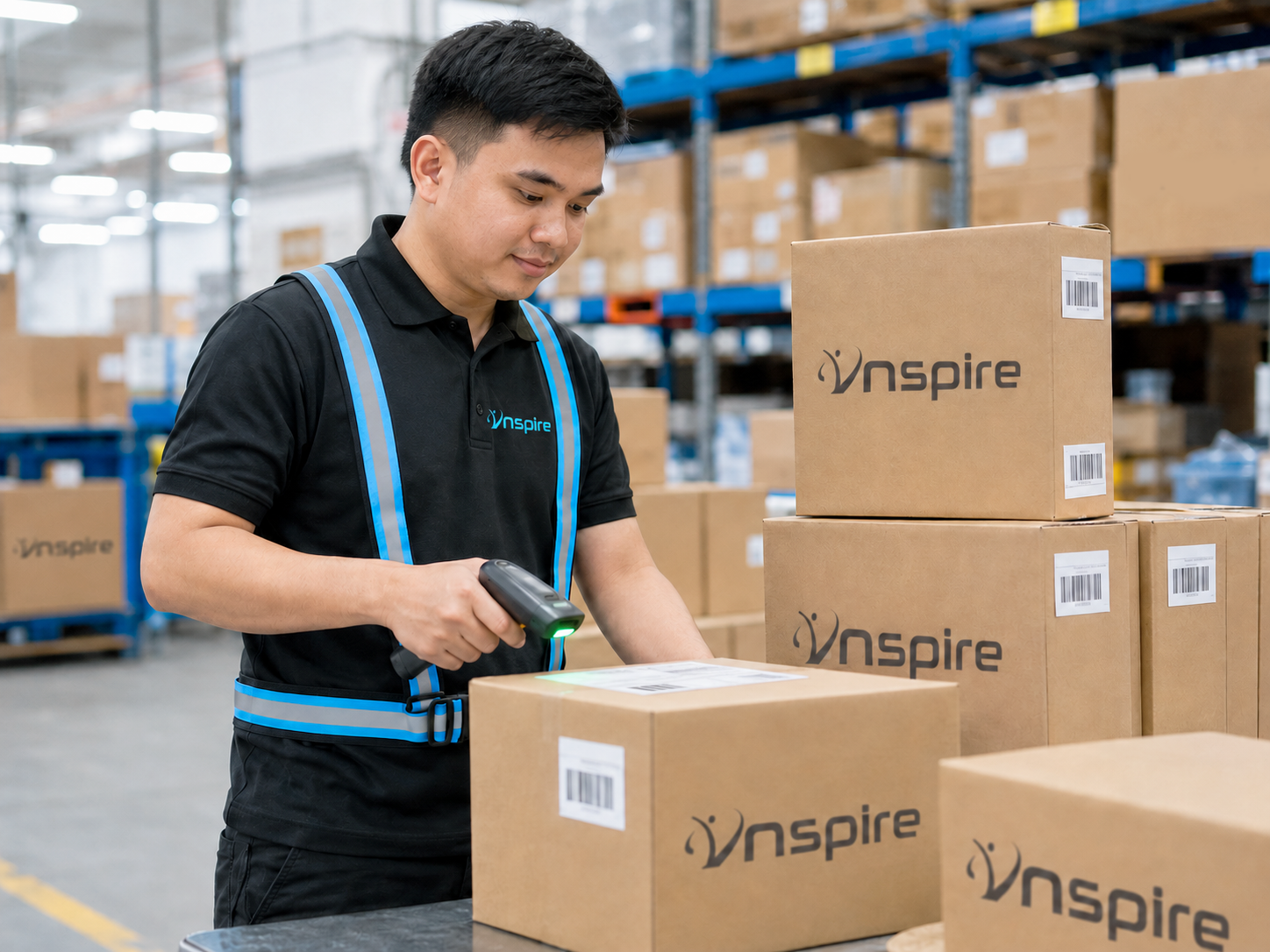
Selling across multiple channels requires businesses to keep product details and stock information accurate across every platform. When updates are handled manually, changes made in one system may not immediately reflect across other marketplaces.
This can create challenges such as incorrect product availability, overselling, or delays in updating listings. Connecting ecommerce platforms through integration helps businesses maintain more consistent information while reducing the need for repetitive manual updates.
As ecommerce businesses grow, manually managing orders, inventory updates, and marketplace information becomes increasingly time-consuming. Repetitive processes can slow down operations and increase the risk of errors.
Through order automation, businesses can streamline routine tasks such as order syncing, status updates, and information transfers between connected platforms. This allows teams to spend less time on administrative work and more time improving customer experiences and operational performance.
Connecting ecommerce marketplaces with internal systems creates a more efficient way for businesses to manage daily operations. Instead of handling each platform separately, businesses can establish workflows that allow information to move more smoothly between sales channels, inventory systems, and fulfillment processes.
A connected approach helps ecommerce teams improve operational coordination while reducing the complexity that comes with managing multiple selling platforms. From processing orders to maintaining product availability, marketplace integration supports more consistent processes throughout the ecommerce workflow.
Managing orders from multiple marketplaces can become challenging when each platform requires separate monitoring and processing. Teams may need to switch between different dashboards, manually verify order details, and update information across various systems.
With multi-channel order management, businesses can organize orders from different sales channels through a more centralized process. This makes it easier for teams to track order activity, coordinate fulfillment tasks, and maintain consistent workflows regardless of where orders originate.
A more structured order management process also helps businesses respond faster to customer purchases while reducing the operational burden of handling orders manually across multiple platforms.
Keeping inventory information consistent across multiple marketplaces is essential for maintaining reliable ecommerce operations. When stock updates are delayed or handled separately, businesses may experience inaccurate product availability, overselling issues, or missed sales opportunities.
Inventory synchronization helps ensure that inventory updates are reflected across connected ecommerce platforms and operational systems. When products are purchased, returned, or adjusted, connected systems can help maintain more accurate stock information across different sales channels.
By improving the flow of inventory data, businesses can create better coordination between sales channels, warehouse teams, and fulfillment operations while supporting more reliable product availability.
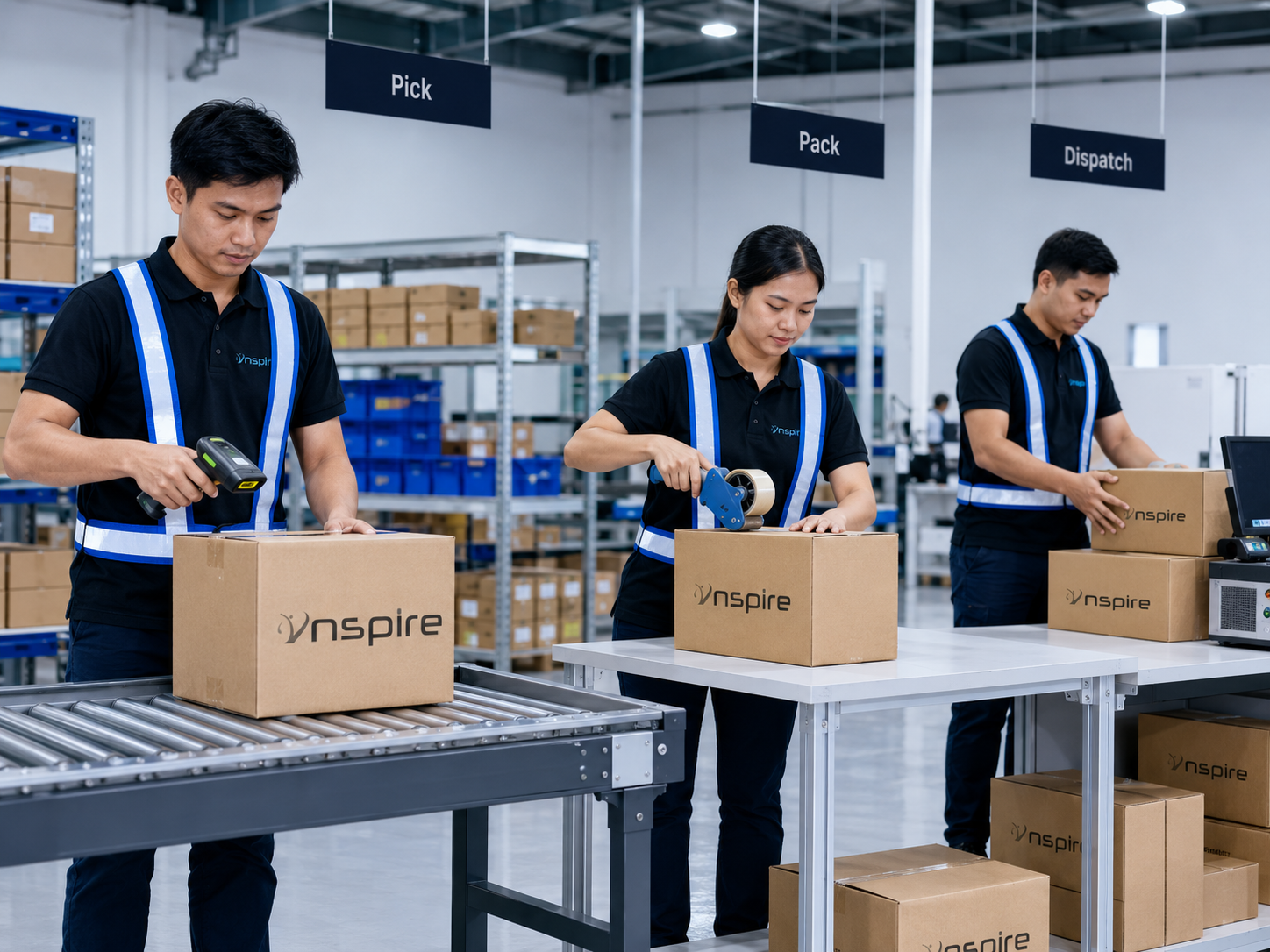
As ecommerce operations expand, manual order processing can create unnecessary delays and increase the workload for internal teams. Businesses managing high order volumes need efficient processes that allow orders to move through the system with fewer manual steps.
Order automation helps streamline repetitive activities such as order transfers, status updates, and information sharing between connected platforms. This allows businesses to process orders more efficiently while reducing the risk of errors caused by manual handling.
By automating key ecommerce workflows, teams can improve processing speed, maintain better operational consistency, and create a smoother experience from purchase to fulfillment.
Modern ecommerce businesses often rely on multiple technologies to manage sales, inventory, and fulfillment. When these systems operate separately, teams may face challenges with data accuracy, communication, and workflow management.
Ecommerce platform integration helps connect different tools and systems into a more coordinated operational environment. This allows businesses to improve information flow between marketplaces, ecommerce websites, inventory systems, and fulfillment solutions.
With connected platforms, businesses can create a stronger foundation for managing growth while adapting more easily to changing customer demand and expanding sales opportunities.
Selecting the right marketplace integration approach requires businesses to consider how well a solution supports their current operations and future growth plans. While connecting ecommerce platforms can simplify daily workflows, the effectiveness of the integration depends on factors such as system compatibility, data accuracy, and operational scalability.
A suitable solution should help businesses create smoother connections between marketplaces, internal systems, and fulfillment processes while supporting the way they manage online sales.
Every ecommerce business uses different platforms, tools, and operational processes. Before implementing an integration solution, businesses should evaluate whether it can connect with their existing marketplaces, ecommerce platforms, and internal systems.
Strong compatibility allows information to move efficiently between connected platforms, reducing the need for manual updates and helping teams maintain consistent workflows. This is especially important for businesses managing multiple sales channels that require accurate order and product information.
Reliable ecommerce operations depend on accurate information moving between systems. When marketplace data is delayed or inconsistent, businesses may experience issues with product listings, order processing, and inventory updates.
A strong integration solution should support consistent data transfer between connected platforms. This helps businesses maintain reliable information across sales channels while improving coordination between ecommerce teams, warehouses, and fulfillment operations.
As businesses grow, their ecommerce requirements often become more complex. New marketplaces, increased order volumes, and expanding product catalogs can create additional operational demands.
A scalable integration solution allows businesses to add new sales channels and manage increasing activity without creating unnecessary complexity. By choosing technology that can adapt to future needs, businesses can continue improving their ecommerce operations as they expand.
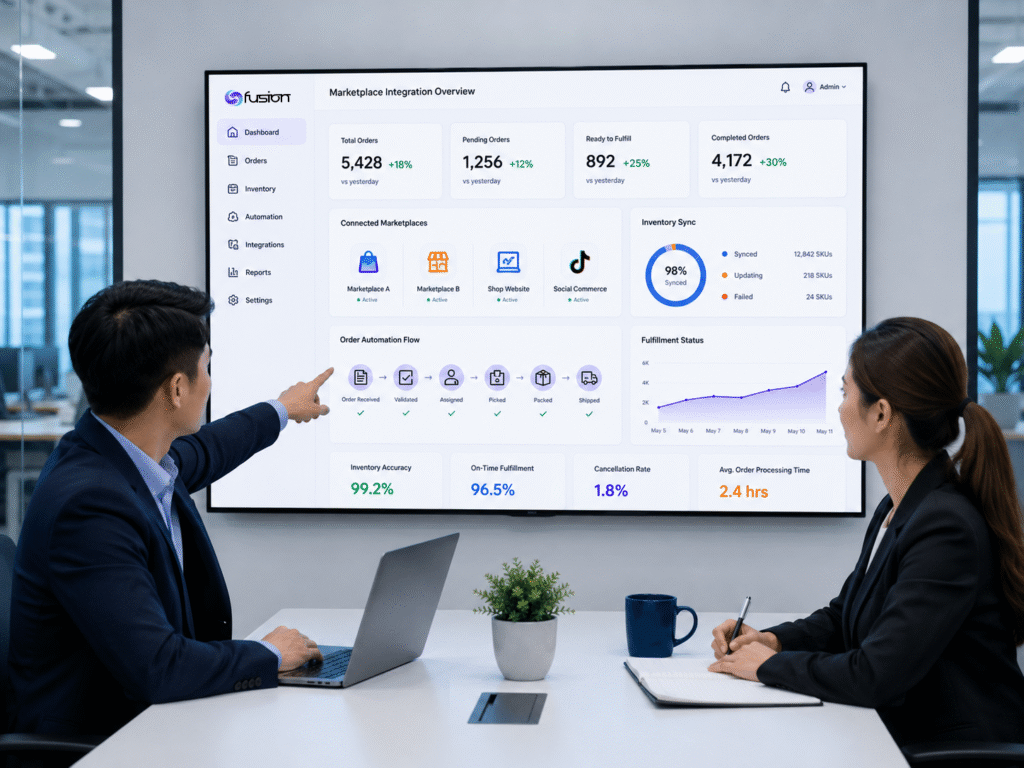
As ecommerce continues to become more competitive, businesses need efficient ways to manage increasing sales activity across multiple platforms. Handling each marketplace separately can limit operational efficiency and make it more difficult to maintain consistent customer experiences.
Connected marketplace systems provide a more organized approach to managing ecommerce operations. By linking marketplaces, ecommerce platforms, inventory processes, and fulfillment workflows, businesses can create a smoother operational structure that supports long-term growth while improving inventory management across multiple sales channels.
With the right marketplace integration strategy, businesses can reduce manual processes, improve order coordination, and create more reliable ecommerce workflows. These improvements allow teams to maintain better control over inventory, fulfill customer orders more efficiently, and focus on scaling their operations.
For growing ecommerce businesses, investing in connected systems can provide a stronger foundation for managing multiple sales channels, improving efficiency, and adapting to future market opportunities.
Inspire E-Commerce Solutions Inc.
Warehouse 4 & 5, C Teknik Industrial, 143 P. Gregorio Street, Valenzuela,
1442 Metro Manila
inspiresolutions.asia
