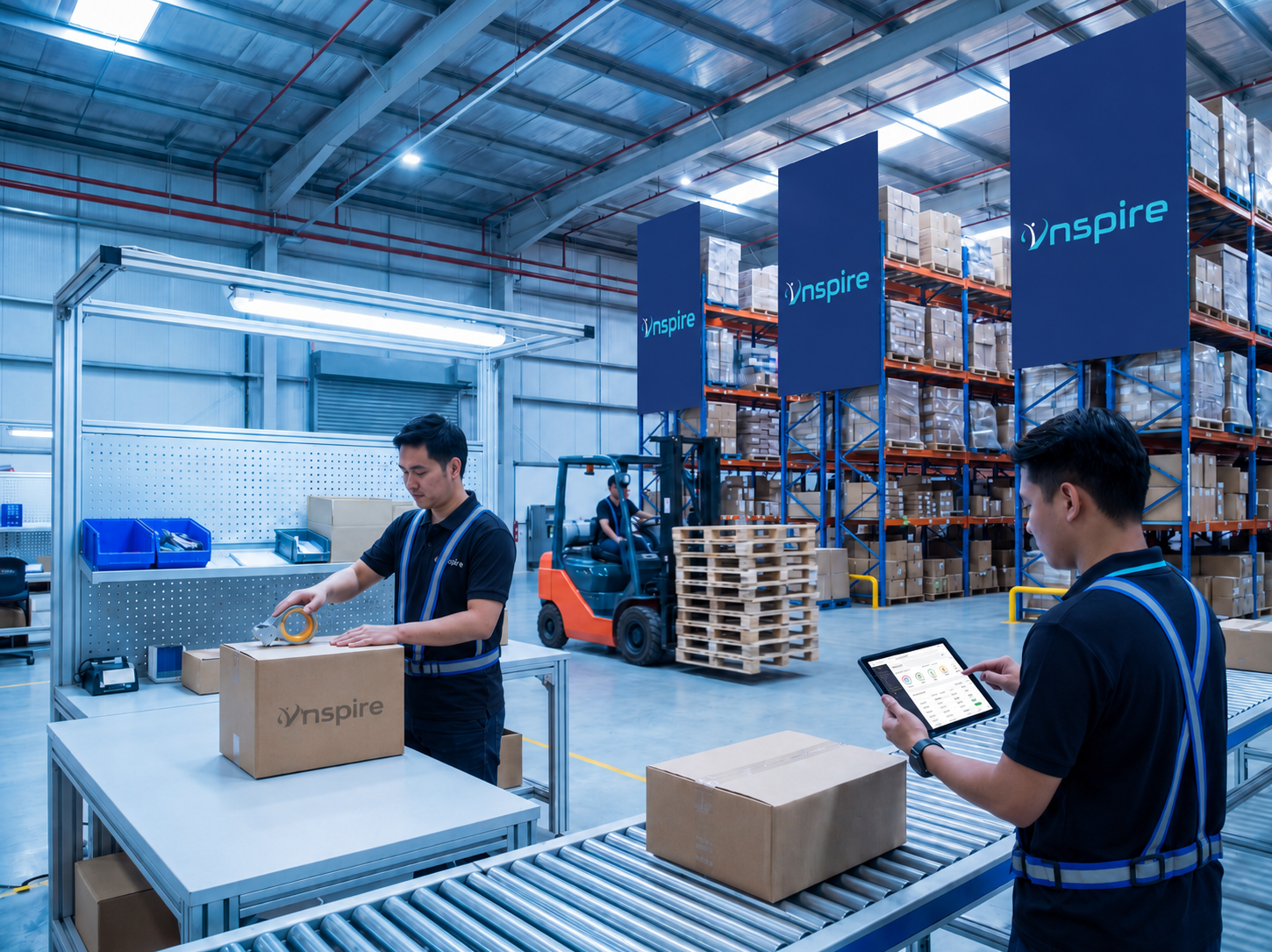
A customer’s experience with an online store is often defined by what happens after checkout. While product selection, pricing, and marketing influence the purchase decision, the real test of service quality begins once the order is confirmed.
At this stage, ecommerce delivery becomes the most visible part of the entire buying journey. It determines how fast an order arrives, how accurately it is handled, and how reliably the customer is informed throughout the process. Even if everything before checkout is perfect, poor delivery performance can quickly damage trust and reduce repeat purchases.
Modern e-commerce businesses operate in an environment where customers expect flexibility, speed, and transparency. Options like same-day shipping, next day delivery, and real-time tracking are no longer premium features but standard expectations. At the same time, operational accuracy and structured processes like proof of delivery ensure accountability and reduce delivery disputes.
This article explores how ecommerce delivery impacts customer experience, what factors shape delivery performance, and how businesses can optimize fulfillment systems to meet growing expectations.
Ecommerce delivery refers to the entire process of transporting an order from a seller or warehouse to the final customer. It includes all operational steps involved in moving goods after a purchase has been made online.
This process typically includes:
Each stage must work together efficiently to ensure a smooth and reliable customer experience.
Unlike traditional retail, ecommerce delivery is highly time-sensitive and depends heavily on logistics coordination, system integration, and real-time visibility.
Ecommerce delivery plays a central role in shaping how customers perceive a brand. While marketing brings customers in, delivery determines whether they return.
A strong delivery system helps businesses:
On the other hand, delays, missing items, or poor communication can immediately lead to dissatisfaction, even if the product itself is high quality.
In short, delivery is not just an operational function. It is a customer experience driver.
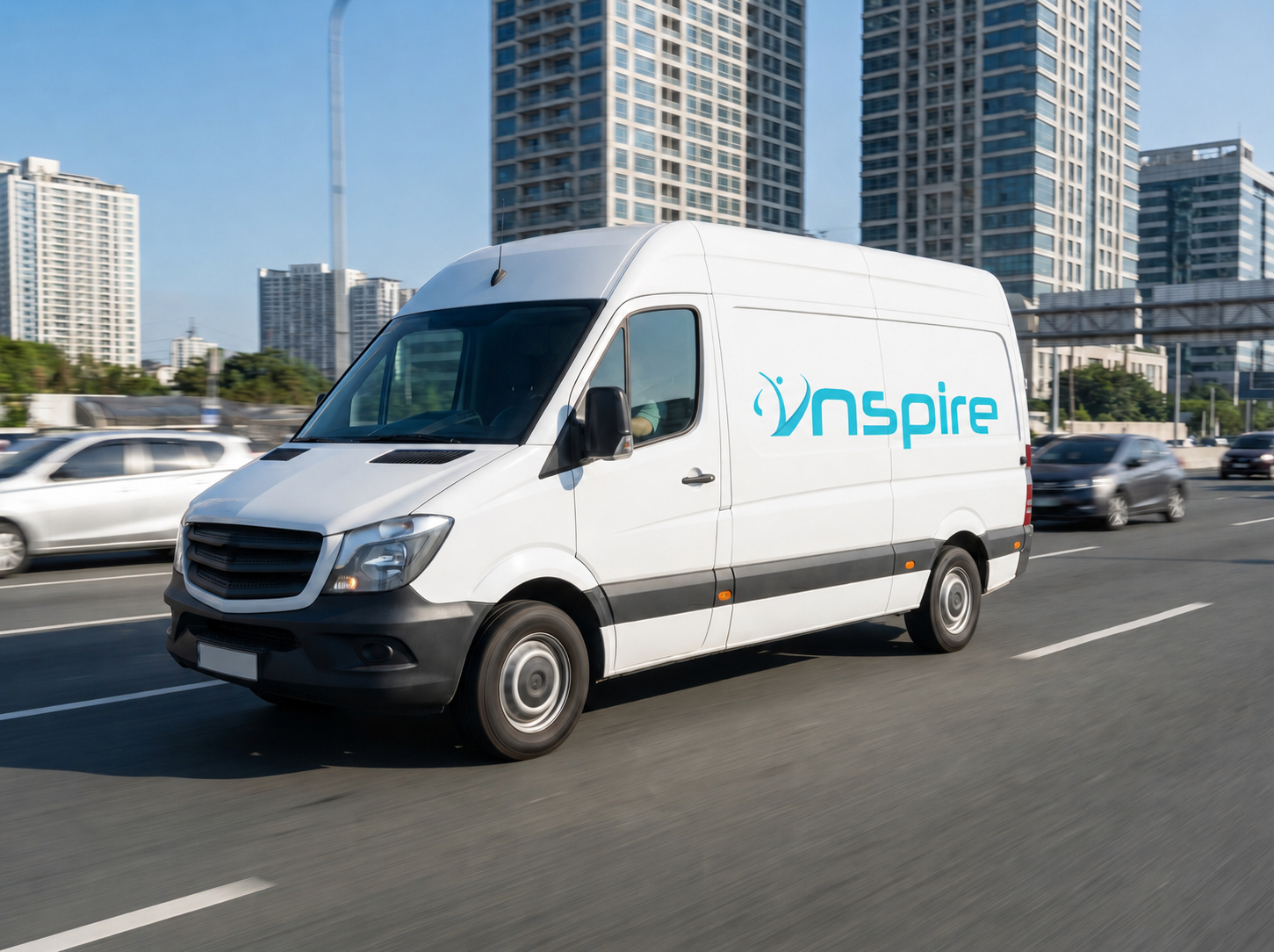
One of the most important factors in ecommerce delivery is speed. Customers today expect fast fulfillment, often within one to three days, depending on location.
Next day delivery has become a major competitive advantage in many markets. It allows businesses to:
However, offering fast delivery requires strong operational discipline, including:
Without these elements, fast delivery promises can quickly turn into service failures.
Modern ecommerce platforms offer multiple delivery options to meet different customer needs.
These may include:
Providing flexible delivery choices improves the customer experience by allowing buyers to select options that match their urgency and budget.
However, more delivery options also increase operational complexity. Businesses must ensure that each option is supported by accurate fulfillment systems and logistics coordination.
A critical component of ecommerce delivery is proof of delivery.
Proof of delivery ensures that an order has been successfully received by the customer. This may include:
This process helps:
Without proof of delivery, businesses face higher risks of false claims, delivery disputes, and financial losses.
Customer trust is strongly influenced by delivery performance. Even small inconsistencies can affect long-term brand perception.
Key trust factors include:
When customers receive consistent and reliable deliveries, they are more likely to trust the brand and make repeat purchases.
In contrast, inconsistent delivery experiences often lead to lost customers and negative reviews.
Despite improvements in logistics systems, ecommerce delivery still faces several operational challenges.
Delays can occur due to high order volumes, courier limitations, or warehouse inefficiencies.
Errors in picking or packing can result in the wrong items being shipped.
Failed delivery attempts may happen due to customer unavailability or incorrect address details.
Lack of real-time updates can lead to customer frustration and support requests.
During sales events, delivery systems often face overload, resulting in slower fulfillment cycles.
These challenges highlight the importance of strong operational systems behind delivery execution.
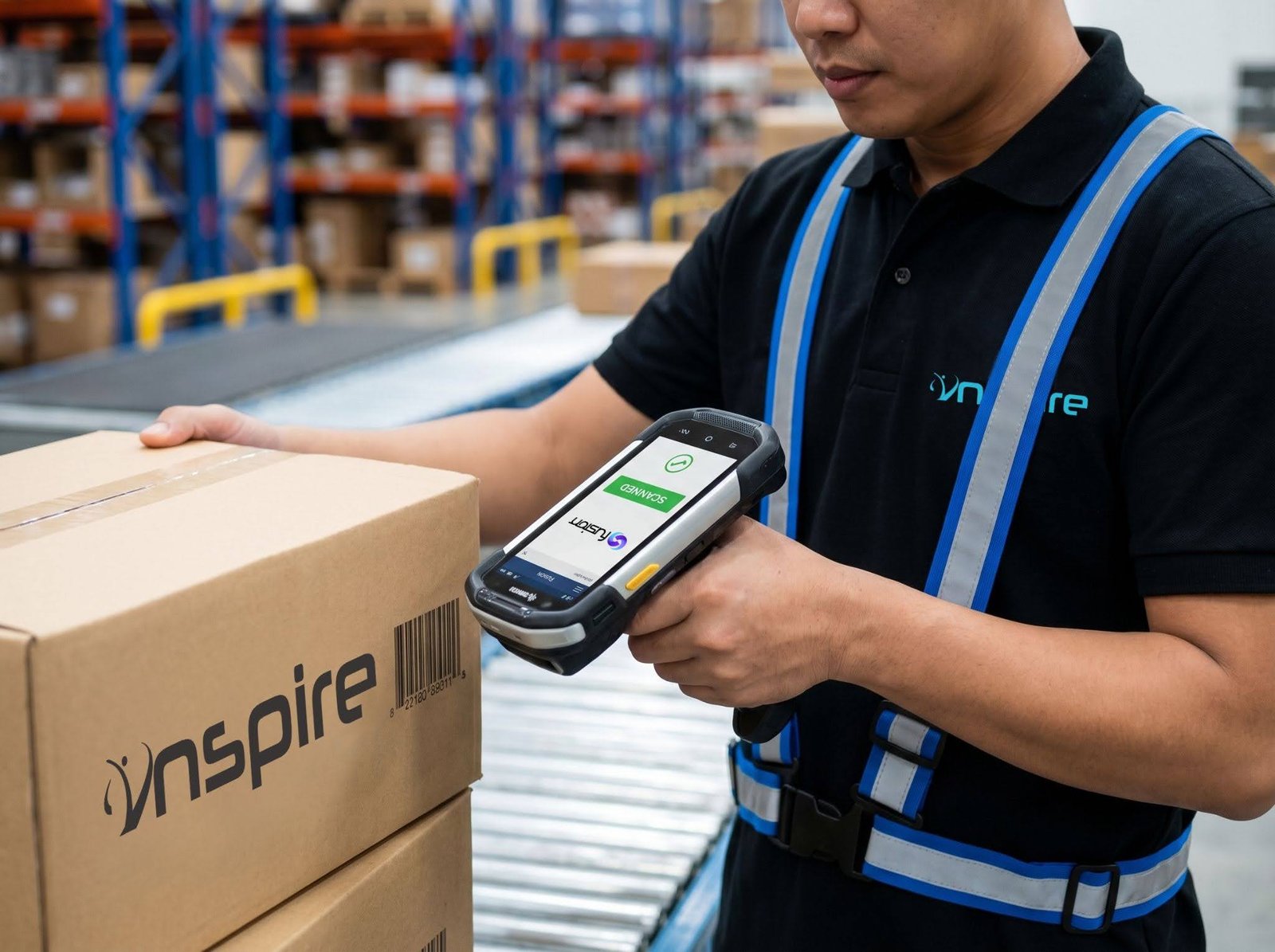
Technology plays a major role in improving delivery performance and customer experience.
Modern systems help businesses:
Integrated systems reduce manual errors and improve coordination across fulfillment teams.
When technology is properly implemented, businesses gain better control over their entire delivery network.
Ecommerce delivery is directly linked to business growth. Poor delivery performance limits scalability, while strong delivery systems support expansion.
Good delivery performance leads to:
As businesses grow, delivery becomes not just an operational requirement but a competitive advantage.

The “last mile” of delivery is the most critical stage in the ecommerce journey. This is where the customer physically receives the product.
Key elements of the last-mile experience include:
Even if earlier stages of fulfillment are efficient, poor last-mile execution can negatively impact the entire customer experience.
Businesses can improve delivery performance by focusing on key operational areas:
Faster picking and packing reduce delays in dispatch.
Accurate stock levels prevent order fulfillment errors.
Reliable logistics partners improve delivery consistency.
Visibility improves both customer satisfaction and operational control.
Clear workflows reduce inconsistencies in fulfillment.
These improvements create a more stable and scalable delivery system.

Ecommerce delivery is one of the most important factors shaping customer experience in modern online retail. It goes beyond transportation and directly influences trust, satisfaction, and long-term customer loyalty.
When supported by flexible delivery options, fast fulfillment such as next day delivery, and reliable proof of delivery systems, businesses can create a seamless and transparent customer journey.
In a competitive digital marketplace, companies that prioritize delivery performance gain a significant advantage in customer retention, operational efficiency, and brand reputation. Ecommerce delivery is not just the final step in the process. It is a core driver of business success.
Inspire E-Commerce Solutions Inc.
Warehouse 4 & 5, C Teknik Industrial, 143 P. Gregorio Street, Valenzuela,
1442 Metro Manila
inspiresolutions.asia
