

Cash on delivery continues to be one of the most widely used payment methods in e-commerce, especially in markets where trust in online transactions is still developing. It allows customers to pay only when they receive their orders, reducing hesitation at checkout and increasing conversion rates for online sellers.
However, while cash on delivery appears simple from a customer’s perspective, the operational reality behind it is far more complex. Every COD order triggers a coordinated series of activities involving order processing, warehouse fulfillment, logistics coordination, cash handling, and financial reconciliation.
Behind every successful COD transaction is a structured system that ensures orders are delivered accurately, payments are collected securely, and funds are properly remitted back to the seller.
This article breaks down the process of cash on delivery, explains the challenges involved in execution, and explores how businesses manage COD remittance and failed COD delivery scenarios to maintain operational stability.
Cash on delivery is a payment method where customers pay for goods at the time of delivery instead of paying upfront online. The courier or delivery rider collects payment when the product is handed over to the customer.
This model is widely used because it:
Despite its advantages, COD introduces additional operational layers that businesses must manage carefully.
Unlike prepaid orders, COD requires coordination between logistics partners and financial systems after the delivery is completed.

The process of cash on delivery involves multiple stages that extend beyond simple order fulfillment.
The customer selects products and chooses cash on delivery as the payment option. At this stage, the order enters the system as a pending COD transaction.
The system checks product availability, delivery location, and order validity. Some businesses also perform risk checks to reduce failed deliveries.
The order is processed in the warehouse where items are:
This stage depends heavily on inventory accuracy and warehouse efficiency.
Once packed, the order is handed over to a logistics partner for delivery. Proper scheduling ensures that shipments meet cut-off times and delivery expectations.
The courier delivers the package to the customer’s address and prepares for payment collection.
The customer pays in cash upon receiving the order. This step is critical because it marks the completion of the transaction from a delivery standpoint.
After successful collection, the courier does not immediately transfer funds to the seller. Instead, payments are processed through a structured system known as cod remittance.
Each stage must work efficiently to ensure that orders are fulfilled correctly and payments are properly accounted for.
Despite the rise of digital payment methods, COD remains highly relevant in many markets.
Many customers prefer COD because it reduces the risk of online fraud or non-delivery. They only pay once they physically receive the product.
E-commerce platforms often report higher checkout completion rates when COD is available as a payment option.
COD allows customers without credit cards, debit cards, or online banking access to participate in e-commerce.
New customers are more likely to try a store if they are not required to pay up front.
These advantages make COD a critical payment method for many e-commerce businesses, especially in developing markets.
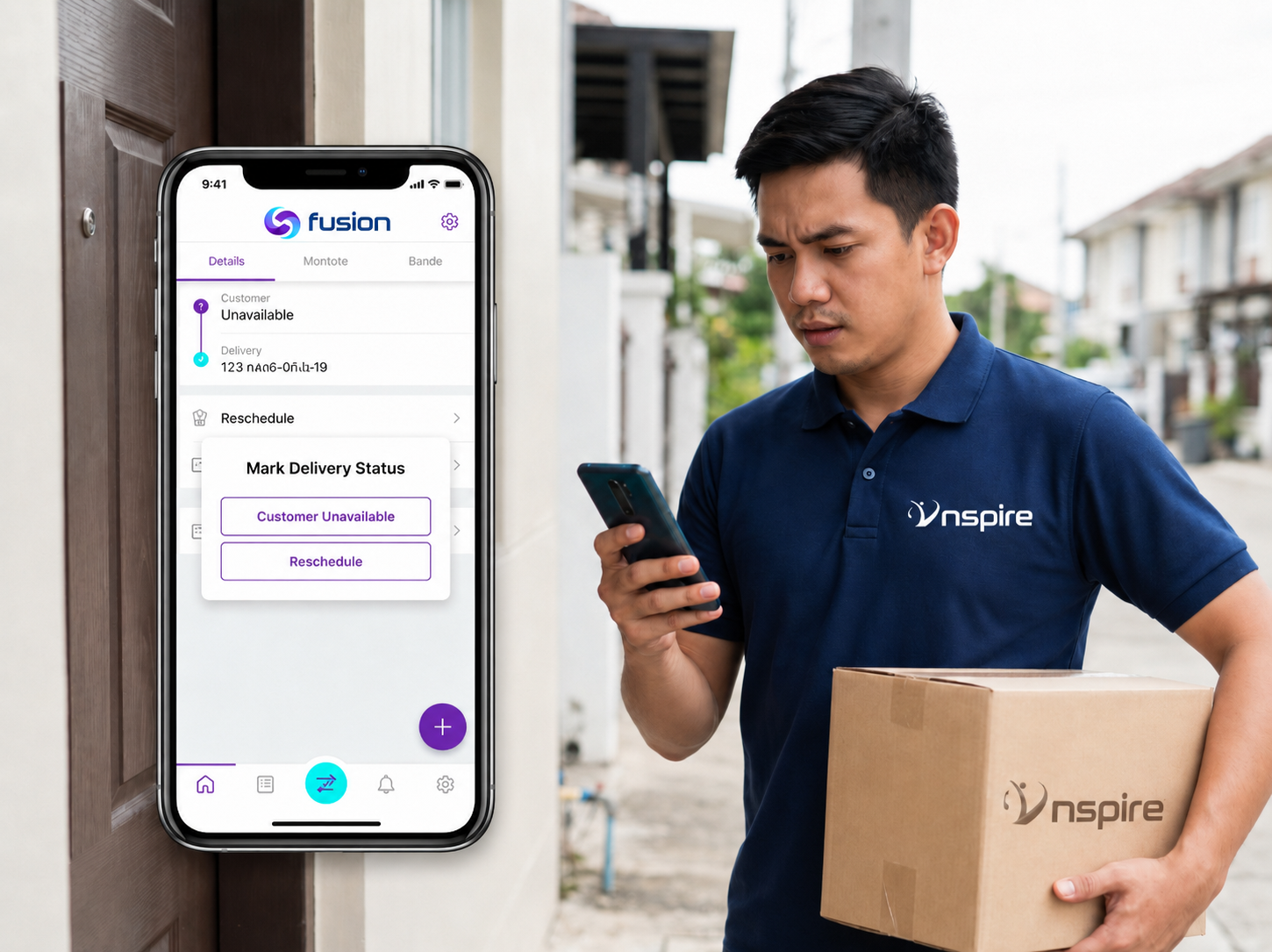
While COD increases sales, it also introduces several operational challenges.
One of the most common issues is failed COD delivery, which occurs when:
Failed deliveries increase logistics costs and reduce operational efficiency.
Since payments are collected in physical cash, there is always a risk of:
This makes COD more complex than prepaid payment systems.
Unlike digital payments, COD does not provide instant revenue. Businesses must wait for logistics partners to complete remittance cycles before receiving funds.
This delay can impact:
Tracking COD payments across multiple deliveries and logistics partners requires strong financial systems. Without proper tracking, discrepancies can occur between delivered orders and received payments.

A critical part of COD operations is COD remittance, which refers to the process of transferring collected cash from logistics providers back to the seller.
This process ensures that all collected payments are properly accounted for.
COD remittance is essential because it:
Without proper remittance systems, businesses risk cash flow inconsistencies and financial reporting errors.

Strong order visibility plays a crucial role in managing COD transactions effectively.
With proper visibility systems, businesses can:
Order visibility ensures that businesses always know where an order stands in the fulfillment and payment cycle.
Failed COD deliveries have a direct impact on operational efficiency and profitability.
Reducing failed COD deliveries is essential for maintaining healthy e-commerce operations.
Modern COD operations rely heavily on integrated technology systems.
These include:
These technologies work together to ensure accurate order processing, tracking, and financial reconciliation.
Automation reduces manual errors and improves operational speed.
To improve COD efficiency, businesses should adopt the following practices:
Ensure customer details are validated during checkout.
Work with reliable logistics providers with strong remittance systems.
Analyze reasons for failed COD orders to reduce future occurrences.
Use systems to track payments and match them with orders automatically.
Send reminders and updates before delivery to reduce refusal rates.
These practices help reduce operational risks and improve efficiency.
While COD remains important, digital payment methods are increasingly being adopted.
Many businesses now use a hybrid payment strategy to balance flexibility and efficiency.
Cash on delivery is more than a payment option. It functions as a full operational process that connects fulfillment, logistics, and financial settlement in e-commerce.
The process of cash on delivery requires coordinated execution from order processing to delivery completion. After delivery, cod remittance ensures proper transfer and reconciliation of collected payments.
However, issues like failed COD delivery can still affect efficiency and cost if not properly managed. Businesses that improve coordination, tracking, and system automation can reduce these risks and maintain smoother operations.
Inspire E-Commerce Solutions Inc.
Warehouse 4 & 5, C Teknik Industrial, 143 P. Gregorio Street, Valenzuela,
1442 Metro Manila
inspiresolutions.asia