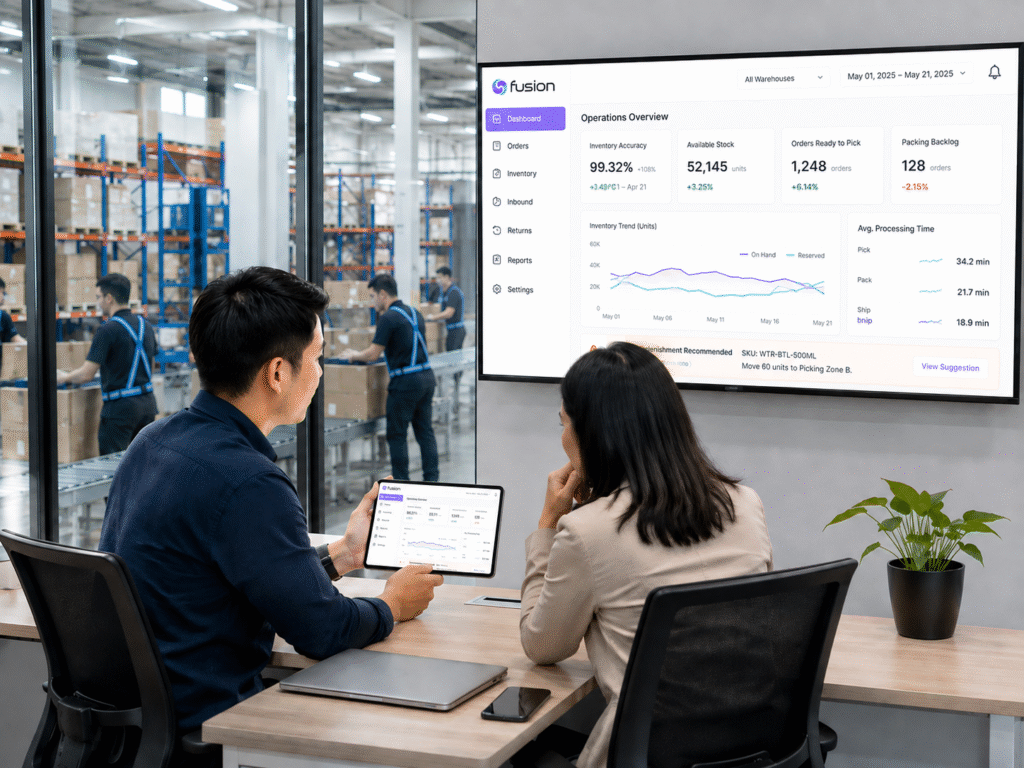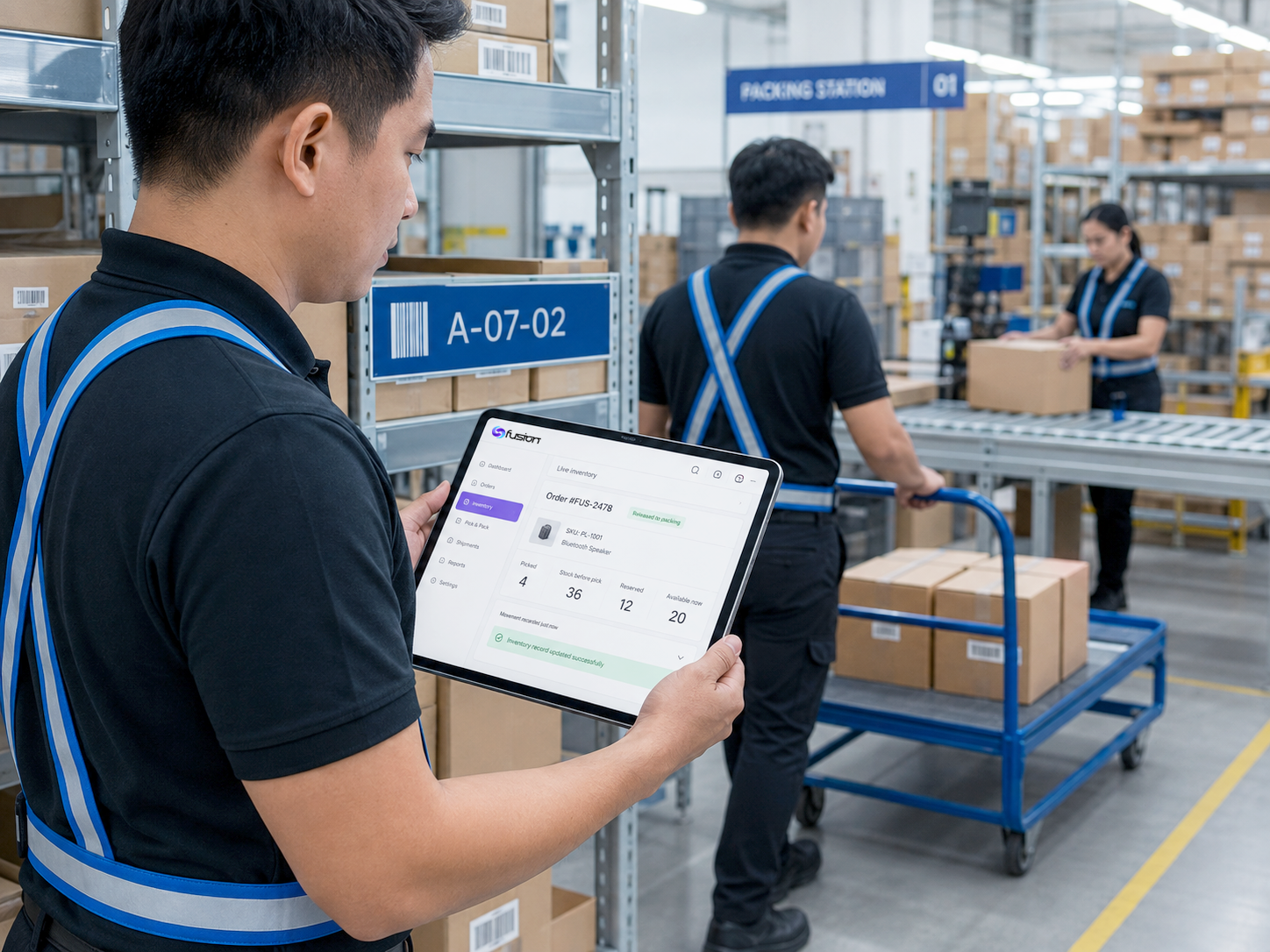
Fast and reliable order fulfillment has become a key expectation for today’s ecommerce customers. Whether purchasing through an online marketplace or a brand’s ecommerce website, customers expect products to be available, orders to be processed quickly, and deliveries to arrive on time. Meeting these expectations requires more than efficient warehouse operations. It also depends on having accurate inventory information at every stage of the fulfillment process.
When inventory records are not updated immediately, businesses may experience fulfillment delays, inaccurate stock information, and operational inefficiencies that affect both internal teams and customers. As order volumes increase, relying on manual updates or outdated inventory records can make it more difficult to maintain consistent operations.
Real-time inventory tracking helps businesses capture inventory movements as they happen, allowing warehouse teams and operations managers to work with current information throughout receiving, storage, picking, packing, and shipping activities. With more accurate inventory data, businesses can improve fulfillment performance while responding more effectively to changing customer demand.
For ecommerce businesses looking to strengthen operational efficiency, maintaining current inventory information supports faster fulfillment, more reliable stock control, and a better overall customer experience.
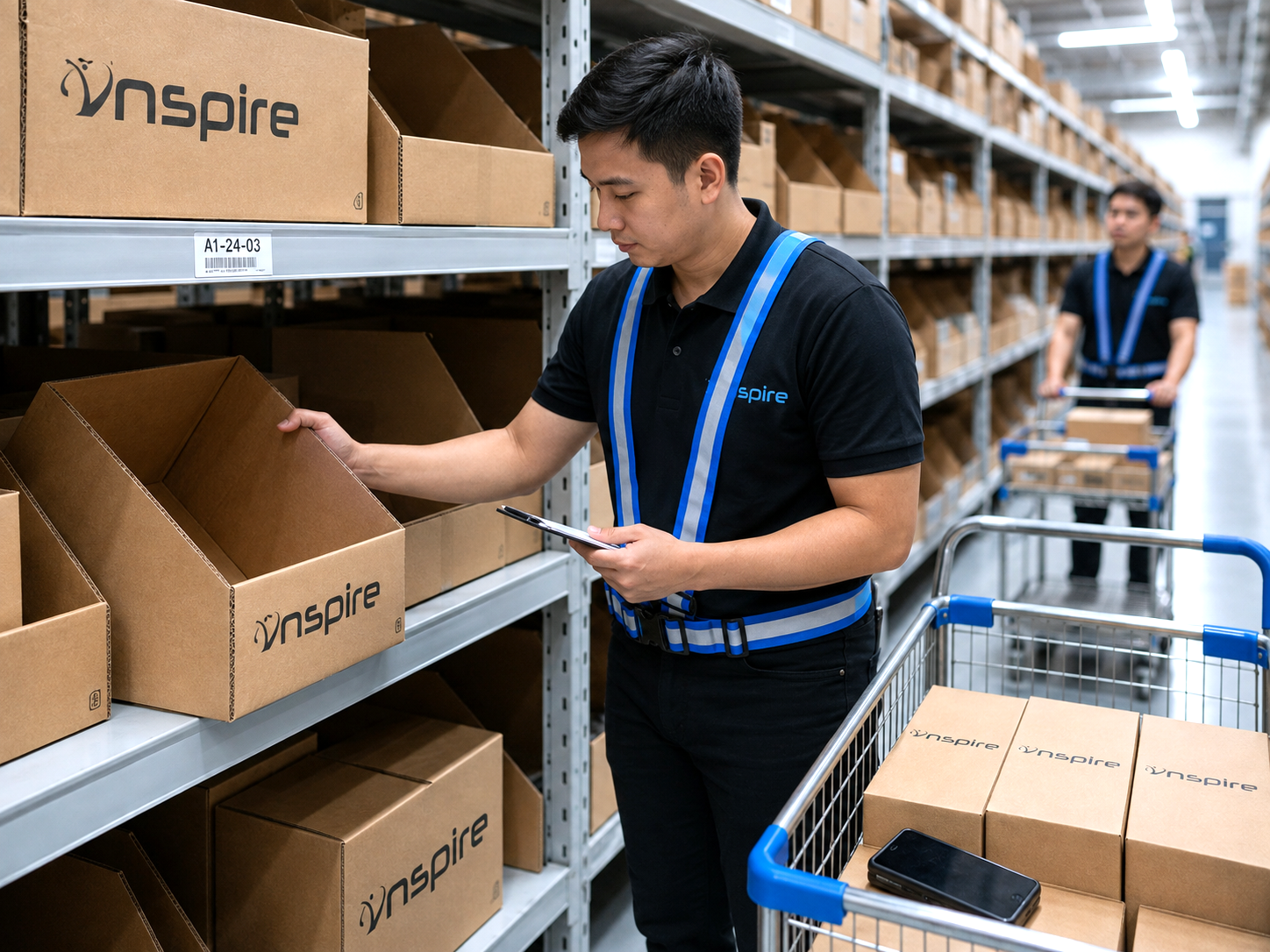
Every inventory movement affects the ability of a business to fulfill customer orders accurately and efficiently. Whether products are received from suppliers, transferred between warehouses, or shipped to customers, delays in updating inventory information can create challenges that affect multiple areas of ecommerce operations.
Without current inventory data, businesses may struggle to maintain accurate stock records, coordinate warehouse activities, and respond quickly to customer demand. As order volumes increase, even small discrepancies can lead to larger operational issues that impact both internal workflows and the customer experience.
When inventory updates are not recorded immediately, businesses may work with outdated stock information. Products that appear available may have already been allocated to customer orders, while recently received inventory may not yet be reflected in the system.
Maintaining accurate inventory data helps businesses make informed operational decisions while reducing discrepancies between physical inventory and system records.
Delayed inventory updates can make it more difficult to maintain reliable stock availability across ecommerce platforms and fulfillment locations.
When product availability is not updated promptly, customers may purchase items that are no longer in stock or miss opportunities to buy products that have recently become available. Keeping inventory information current helps businesses provide a more consistent purchasing experience while supporting efficient order fulfillment.
Warehouse teams rely on accurate inventory information throughout receiving, picking, packing, and shipping activities. Delayed inventory updates can slow these processes by requiring additional inventory checks or manual verification before orders can be completed.
Access to current inventory information allows warehouse staff to work more efficiently while improving coordination between warehouse activities and fulfillment operations.
Real-time inventory tracking continuously records inventory activity as products move throughout the supply chain. Rather than waiting for scheduled updates or manual inventory reconciliation, connected systems capture changes immediately, allowing businesses to monitor inventory movement as it happens.
This approach helps create a more accurate view of inventory while improving communication between warehouses, ecommerce platforms, and fulfillment teams.
When new products arrive, inventory is recorded as soon as items are received in the warehouse. Immediate updates allow inventory records to reflect newly available stock without unnecessary delays.

Products frequently move between storage locations, picking areas, packing stations, and shipping zones. Recording these movements in real time helps businesses maintain accurate inventory records while improving visibility across warehouse operations.
As customer orders are received, inventory levels are automatically adjusted to reflect product allocation. This reduces the likelihood of inventory discrepancies while helping fulfillment teams process orders more efficiently.

Inventory activity does not end after products are shipped. Customer returns, inventory transfers, damaged goods, and stock adjustments also affect inventory levels.
Updating these changes as they occur helps businesses maintain more accurate records while supporting better operational decision-making across the organization.
Faster fulfillment depends on more than efficient warehouse operations. Businesses also need accurate inventory information that reflects current stock conditions at every stage of the fulfillment process. When inventory updates occur in real time, warehouse teams can process orders with greater confidence while reducing delays caused by outdated information.
Maintaining current inventory information supports smoother coordination between warehouse operations, ecommerce platforms, and fulfillment activities, helping businesses deliver a more consistent customer experience.
Reliable inventory accuracy is essential for efficient ecommerce operations. When inventory movements are recorded immediately, businesses can maintain more consistent records that reflect actual stock levels.
Accurate inventory information reduces discrepancies between physical inventory and system records while helping teams make informed decisions about receiving, picking, packing, and shipping activities.
Effective inventory management depends on having access to current and reliable information. Real-time inventory updates help businesses monitor stock movement more closely, identify inventory trends, and respond more quickly to changing operational requirements.
With improved inventory management, businesses can better coordinate purchasing, warehouse operations, and order fulfillment while maintaining greater control over inventory performance.
Accurate tracking contributes to stronger inventory visibility by providing businesses with timely information about product movement and stock levels throughout their operations.
With greater visibility into inventory activity, warehouse teams, operations managers, and customer service representatives can access the information they need to coordinate daily activities more efficiently and respond more effectively to customer inquiries.
A connected warehouse management system plays an important role in real-time inventory tracking by capturing inventory movements throughout warehouse operations.
As products are received, stored, picked, packed, and shipped, warehouse management systems help keep inventory records updated while improving coordination between warehouse activities and fulfillment workflows. This allows businesses to process customer orders more efficiently while maintaining accurate inventory information across their operations.
As ecommerce businesses continue to grow, fulfillment operations must be able to respond quickly to changing customer demand, increasing order volumes, and expanding product catalogs. Relying on delayed inventory updates can make it more difficult to maintain efficient workflows, especially when multiple warehouses, sales channels, or fulfillment locations are involved.
Real-time inventory tracking provides businesses with current inventory information that supports faster decision-making throughout daily operations. Warehouse teams can process orders more efficiently, operations managers can respond more quickly to inventory changes, and customer service representatives can provide more accurate information about product availability and order status.
By maintaining accurate inventory data, businesses can improve coordination between ecommerce platforms, warehouse operations, and fulfillment processes. This creates a more connected operational workflow that supports consistent service while helping teams adapt to changing business requirements.
For businesses focused on long-term growth, investing in real-time inventory tracking strengthens operational efficiency, supports reliable fulfillment, and creates a more responsive ecommerce environment that can scale alongside increasing customer demand.
Inspire E-Commerce Solutions Inc.
Warehouse 4 & 5, C Teknik Industrial, 143 P. Gregorio Street, Valenzuela,
1442 Metro Manila
inspiresolutions.asia